💧 Why Are My Paphiopedilum callosum Leaves Mushy?
Paphiopedilum callosum
By the Greg Editorial Team
Mar 21, 2024•5 min read
This article was created with the help of AI so we can cover more plants for you. May contain errors. See one? Report it here.
Prevent mushy leaf mayhem 🍂 in your Paphiopedilum callosum with our expert rescue guide.
- 🚿 Overwatering and poor drainage lead to mushy leaves.
- 🍂 Brown spots and foul smell signal fungal/bacterial issues.
- ✂️ Adjust watering, enhance drainage, and prune with sterilized shears.
Spotting the Trouble: Signs Your Paphiopedilum callosum Has Mushy Leaves
👀 Visual Cues: What Does a Mushy Leaf Look Like?
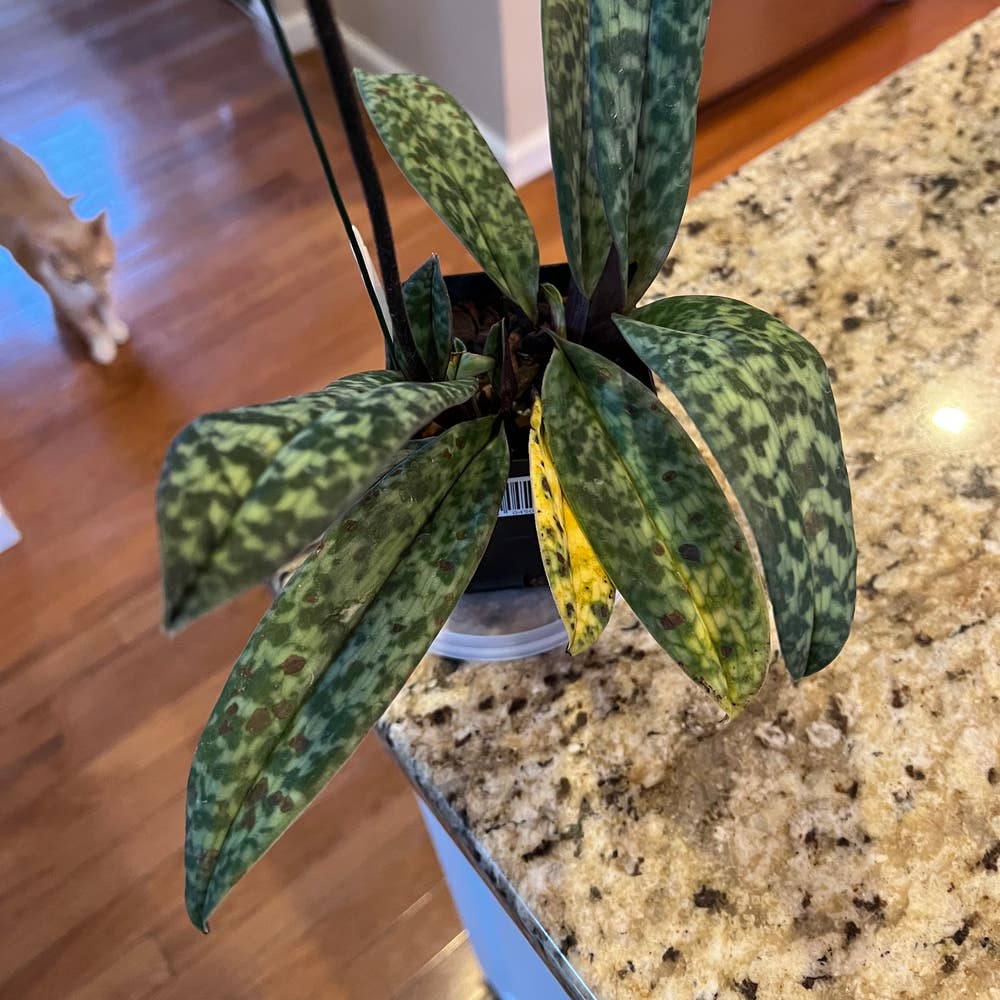
When your Paphiopedilum callosum starts to look less like a vibrant orchid and more like overcooked spinach, it's time to take action. Discoloration is a glaring sign; leaves turning from a lush green to a dull yellow or brown are crying out for help. If they've gone translucent, think of it as the plant's version of raising a white flag.
✋ Touch and Tell: The Texture of a Healthy vs. Mushy Leaf
Get hands-on with your plant. A healthy leaf should have the resilience of a fresh salad green, snapping back when you poke it. If it feels like a damp sponge, you've entered mushy territory. It's a simple test: firm is good, squishy is bad. No limp handshakes here.
⚠️ Early Warnings: Subtle Signs That Trouble Is Brewing
Keep an eye out for the sneakier signs. If the leaves of your Paphiopedilum callosum are starting to sag or if they detach with a gentle tug, consider these red flags. And don't ignore your nose; a foul smell from the soil is a dead giveaway of overwatering and potential root rot. Regular checks can save your plant from a mushy demise.
The Usual Suspects: Identifying Causes of Mushiness
When your Paphiopedilum callosum leaves feel like a wet sponge, it's time to play detective and pinpoint the culprits behind the mushiness.
💦 Too Much Love: The Overwatering Dilemma
Overwatering is like drowning your plant in affection. Leaves that resemble limp lettuce should raise an alarm. A pot that's unexpectedly heavy screams that you're quenching more than your plant's thirst. If the roots have turned from a healthy white to a morbid brown or black, you've tipped the scales from caregiver to plant tormentor.
🚰 Suffocating Roots: When Poor Drainage Takes a Toll
Poor drainage is a silent plant assassin. It transforms your pot into an unwanted water reservoir, leaving roots gasping for air. If your pot's as watertight as a submarine, it's time for a drainage overhaul. Remember, roots prefer a gulp of air over a constant bath.
🦠 Unwanted Guests: Recognizing Signs of Fungal and Bacterial Invasions
Fungi and bacteria are the uninvited guests at the root party. They flourish in the dampness created by overzealous watering. Brown spots or a plant that looks more defeated than a wilted salad are red flags. Mold on the soil or a smell that evokes a haunted house are signs that these microscopic party crashers have overstayed their welcome. Increasing airflow is your first move to shut down this unwanted gathering.
First Aid for Mushy Leaves
💧 Cutting Back: Watering Habits
Overwatering is the root of all mushiness in Paphiopedilum callosum. Let the top inch of soil dry out before you even think about watering again. A moisture meter can be your best friend here, guiding you to that watering sweet spot without guesswork.
🏠 Home Improvements: Drainage
Poor drainage is like a bad roommate for your plant's roots—it just causes problems. Enhance drainage by mixing in sand or perlite to the soil. This isn't just a tweak; it's a game-changer. And always, always use pots with drainage holes. No holes, no hope.
🌿 Plant Medicine: Infection Treatment
If you're dealing with a fungal or bacterial party, it's time to crash it with a fungicide. Opt for a copper-based product, but don't go wild—use it as directed. Post-treatment, keep an eye on your plant like it owes you money, and be ready to tweak your care routine based on its recovery.
✂️ Snip and Save: Pruning
Got mushy leaves? It's time to play surgeon. Sterilize your shears and cut away the mushy parts like you're on a reality TV show and the plant's survival depends on your precision. After each snip, clean your tools like they're going back into surgery.
🌱 Fresh Start: Repotting
Sometimes, a fresh start is what's needed. Gently remove your plant, trim the rotten roots, and give it a new home in well-draining soil. Think of it as moving your plant to a better neighborhood. Water sparingly as it settles into its new digs.
👀 Vigilance: Monitoring
After you've done all this, don't just walk away. Keep a close eye on your plant like it's the season finale of your favorite show. Adjust your care as needed, because the road to recovery can have a few bumps.
Keeping Leaves Firm and Healthy
💧 Water Wisdom
Mastering the art of watering your Paphiopedilum callosum is crucial. Water thoroughly, then let the soil dry out for about 5-7 days before the next watering. This mimics their natural habitat and prevents root rot. Remember, a parched plant is a happy plant, as long as you don't let it turn into a desert.
🌱 The Right Mix
Selecting the perfect potting medium is like choosing a mattress for a good night's sleep—it has to be just right. A bark-based growing medium ensures good drainage and a comfortable environment for your orchid's roots. Consider adding calcium supplements like lime or crushed oyster shell, but only after researching your specific orchid's needs.
🧼 Clean Scene
Hygiene is not just for humans; your Paphiopedilum callosum appreciates a clean living space too. Wipe leaves with mild soapy water to keep pests and diseases at bay. Always use sterilized tools for pruning, and remember, cleanliness is next to orchid healthiness.
⚠️ Safety First
This content is for general information and may contain errors, omissions, or outdated details. It is not medical, veterinary advice, or an endorsement of therapeutic claims.
Always consult a qualified healthcare professional before using any plant as food, medicine, or supplement.
Never eat any plant (or feed one to pets) without confirming its identity with at least two trusted sources.
If you suspect poisoning, call Poison Control (800) 222-1222, the Pet Poison Helpline (800) 213-6680, or your local emergency service immediately.
Spotted an error? Please report it here.
Revitalize your Paphiopedilum callosum 🌿 from mushy to magnificent with Greg's custom watering schedule and expert care advice tailored to your home environment!