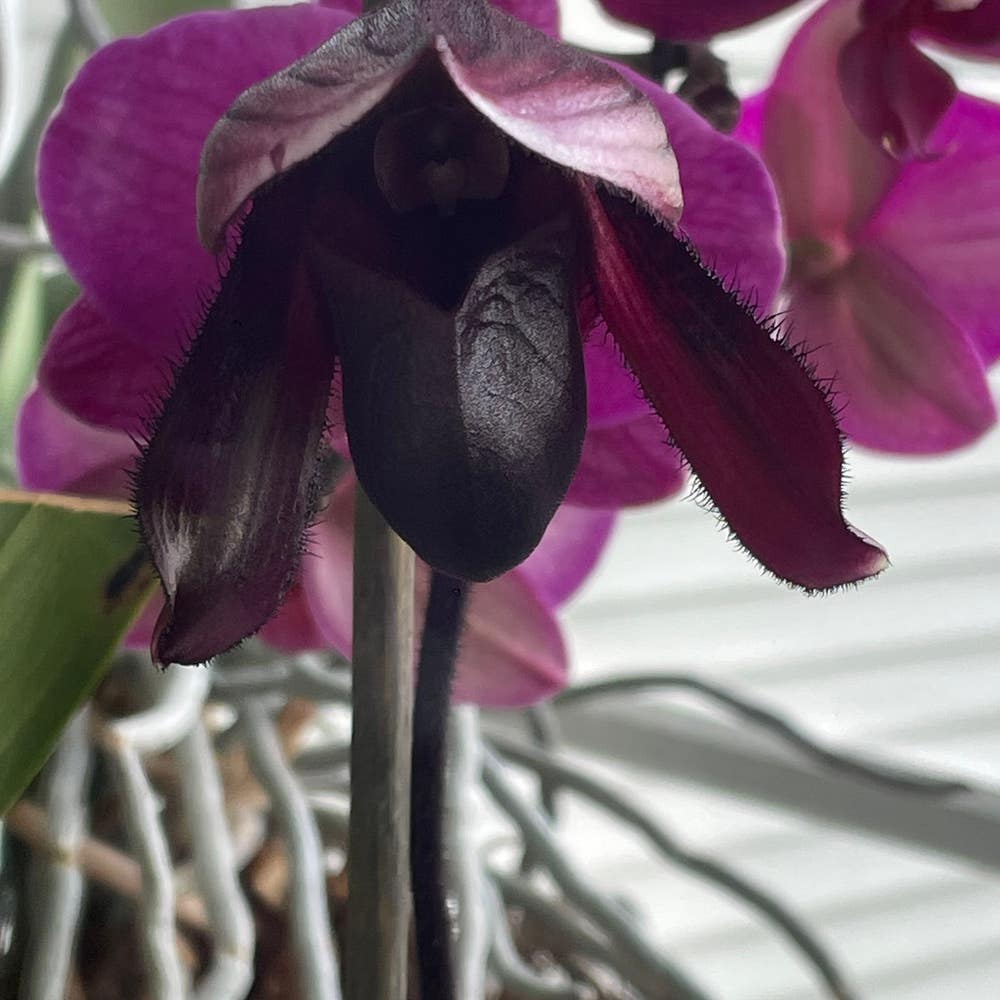
Soil Recommendations for Paphiopedilum callosum
Paphiopedilum callosum
By the Greg Editorial Team
Mar 21, 2024•3 min read
This article was created with the help of AI so we can cover more plants for you. May contain errors. See one? Report it here.
Bloom like never before 🌸—discover the soil secrets for a thriving Paphiopedilum callosum.
- Soil choice is critical for Paphiopedilum callosum's health and blooms.
- Mold signals overwatering; proper watering maintains soil moisture.
- Homemade mix ingredients: bark, charcoal, perlite for thriving orchids.
Introduction
Orchid aficionados, take note: the soil you choose for your Paphiopedilum callosum can mean the difference between a lackluster plant and a spectacular display of vitality and blooms.
🚫 Spotting the Signs of Unhealthy Soil
🍄 Mold: The Unwanted Guest
Spotting mold on your orchid's soil isn't just a bad look—it's a cry for help. It's a clear sign that your watering habits need a reality check.
💔 Compaction and Waterlogging: Root's Worst Enemies
If the soil feels tighter than your favorite jeans, it's too compacted. Waterlogged soil is a silent killer, suffocating roots and inviting rot.
🛠️ Fixing the Unhealthy Soil Situation
Step 1: The Great Repotting
Begin by gently repotting your orchid, giving its roots new space to breathe.
Step 2: Soil Treatment 101
Revitalize with a soil treatment that's like a spa day for your plant—think fresh, airy, and rejuvenating.
💧 Watering Wisdom
Adjust your watering routine to strike a balance—moist, not monsoon.
🏡 Crafting the Perfect Soil Mix at Home
The Secret Ingredients
A Paphiopedilum callosum-friendly soil mix is like a secret family recipe—bark, charcoal, and perlite are the stars.
Mixing It Up
Get your proportions right: it's like mixing a cocktail, where every part matters for the perfect blend.
🌱 Choosing the Best Commercial Soil Mix
Navigating the Market
In the world of commercial mixes, not all are created equal. Look for those that cater to orchid needs.
Top Picks
We'll give you the rundown on the best commercial mixes, so you don't have to play soil roulette.
🌿 Long-Term Soil Care for Paphiopedilum callosum
Routine Maintenance
Keep your soil mix fresh; it's not a set-it-and-forget-it deal.
Prevention is Key
Stay ahead of issues with proactive care, because nobody likes a soil surprise.
Conclusion
In the intricate dance of orchid care, soil is the unsung hero, quietly underpinning the health and vitality of your Paphiopedilum callosum. It's not just about keeping your plant alive; it's about letting it thrive. The right soil mix is a game-changer, offering the perfect balance of drainage, aeration, and moisture that these terrestrial beauties crave.
🌱 The Bedrock of Blooming Success
Your Paphiopedilum callosum's roots are picky eaters; they need a soil mix that's just right. Homemade or store-bought, the choice is yours, but remember, it's all about the mix. Get it right, and you'll be rewarded with blooms that last for months.
🔄 Keep It Fresh
Routine maintenance isn't just for cars. Your orchid's soil needs regular check-ups too. Refresh it before it becomes a compacted, lifeless lump. It's like hitting the reset button for continued growth.
🛡️ Prevention Is Key
Stay vigilant. Overwatering is the fast track to root rot, and a soggy orchid is a sad orchid. Keep those pests at bay, and your Paphiopedilum callosum will be less of a bug buffet and more of a tropical showpiece.
😊 Happy Orchid, Happy Life
So there you have it. Soil isn't just dirt; it's the foundation of your orchid's world. Treat it with respect, and your Paphiopedilum callosum will not just survive—it will shine. Now go forth, armed with knowledge and a watering can, and grow boldly.
⚠️ Safety First
This content is for general information and may contain errors, omissions, or outdated details. It is not medical, veterinary advice, or an endorsement of therapeutic claims.
Always consult a qualified healthcare professional before using any plant as food, medicine, or supplement.
Never eat any plant (or feed one to pets) without confirming its identity with at least two trusted sources.
If you suspect poisoning, call Poison Control (800) 222-1222, the Pet Poison Helpline (800) 213-6680, or your local emergency service immediately.
Spotted an error? Please report it here.
Revitalize your Paphiopedilum callosum's growth and ensure lasting blooms 🌸 with Greg's tailored reminders for soil refreshment and precise watering schedules.