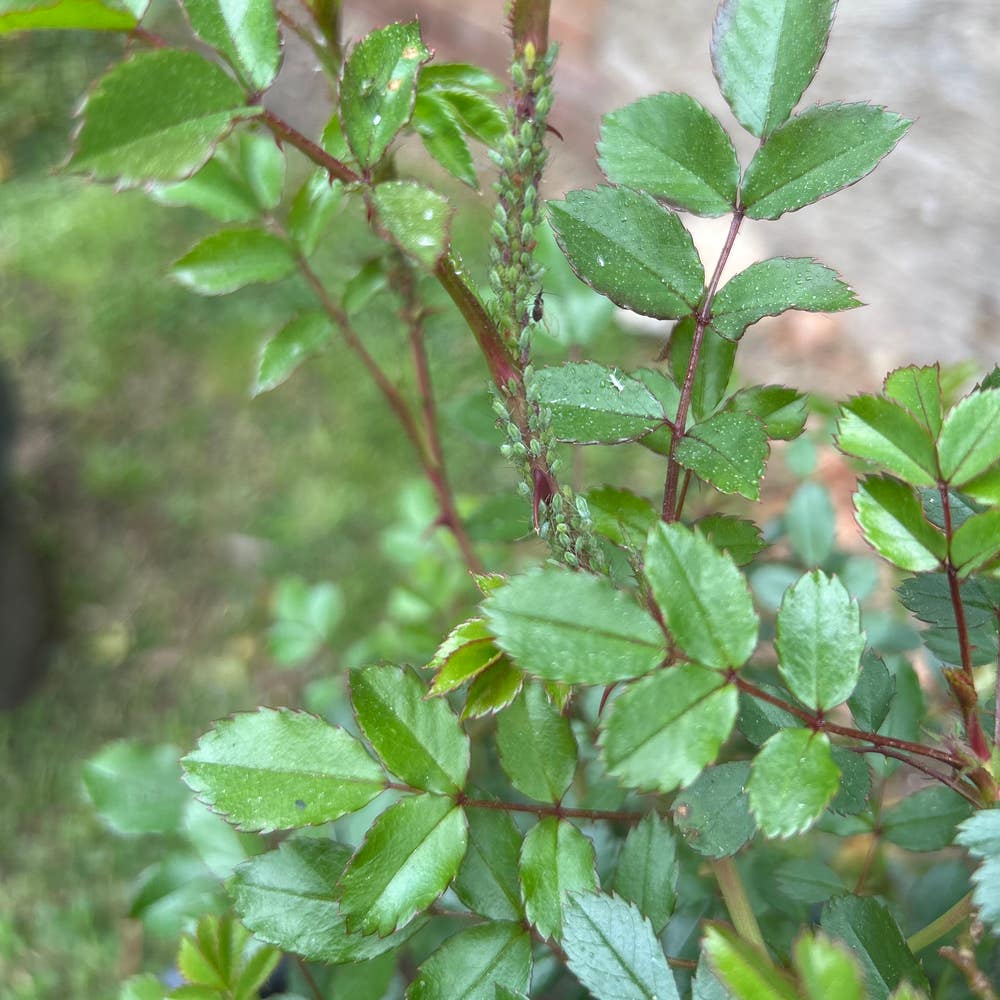
5 Essential Outdoor Rose Bush Care Routines 🌹
Rosa spp.
By the Greg Editorial Team
Nov 25, 2024•6 min read
This article was created with the help of AI so we can cover more plants for you. May contain errors. See one? Report it here.
- 🌞 Roses need 6-8 hours of sunlight daily for optimal growth and blooms.
- 💧 Water deeply once a week, adjusting for rainfall and temperature changes.
- 🌱 Fertilize in spring and summer to support healthy growth and vibrant flowers.
Sunlight Requirements
Ideal Sunlight Exposure 🌞
Roses thrive on sunlight, needing at least 6-8 hours of direct exposure each day. This essential light boosts photosynthesis, leading to vibrant blooms and robust plant health.
Identifying Sunlight Conditions 🌅
To ensure your roses get the light they crave, start by assessing your garden's location. Observe how the sun moves throughout the day and choose a spot that avoids shade from trees or structures.
By understanding these sunlight requirements, you set the stage for your roses to flourish. Next, let’s dive into their watering needs and techniques to keep them hydrated and healthy.
Watering Needs and Techniques
Watering Frequency 🌧️
Roses thrive on a consistent watering schedule. Aim to water deeply once a week, but be ready to adjust based on rainfall and temperature changes.
Maintaining consistent moisture is crucial. It prevents stress on the plants and promotes healthy root development, ensuring your roses flourish.
Watering Techniques 💧
When it comes to watering, efficiency is key.
- Soaker hoses or drip irrigation: These methods deliver water directly to the roots, minimizing waste and ensuring deep moisture penetration.
- Hand watering: This technique allows you to control where the water goes, ensuring it reaches the root zone without wetting the foliage, which can lead to disease.
Signs of Overwatering or Underwatering 🚨
Understanding your roses' needs is essential for their health.
- Overwatering can manifest as yellowing leaves and root rot, signaling that your plants are drowning.
- Underwatering shows up as wilting, dry soil, and leaf drop, indicating your roses are thirsty and need a drink.
By keeping an eye on these signs, you can adjust your watering routine to keep your roses vibrant and healthy.
Next, let’s explore the ideal soil preferences and fertilization techniques to further enhance your rose care routine.
Soil Preferences and Fertilization
🌱 Ideal Soil Composition
Roses thrive in well-drained, loamy soil that is rich in organic matter. This type of soil not only supports healthy growth but also ensures that the roots have access to essential nutrients.
The ideal soil pH for roses ranges from slightly acidic to neutral, specifically between 6.0 and 7.0. Testing your soil's pH can help you determine if amendments are necessary for optimal rose health.
📅 Fertilization Schedule
Timing is crucial when it comes to fertilizing your roses. In early spring, as new growth begins, apply a balanced fertilizer to give your plants a strong start.
Mid-summer is another key time for feeding. An additional application during this period can support blooming and keep your roses vibrant throughout the season.
🧪 Types of Fertilizers
When it comes to fertilizers, you have options. Granular slow-release fertilizers are excellent for providing nutrients over an extended period, ensuring your roses receive a steady supply.
On the other hand, liquid fertilizers offer quick nutrient uptake, making them ideal for addressing immediate needs. Choosing the right type can make a significant difference in your roses' health and blooming potential.
Understanding soil preferences and fertilization techniques is essential for nurturing your roses. With the right care, your garden can flourish, leading to stunning blooms that brighten your outdoor space.
Next, let's explore the best planting options and protection strategies to keep your roses thriving.
Planting Options and Protection
🌱 Container vs Ground Planting
When deciding between container and ground planting for your rose bushes, consider the unique benefits and drawbacks of each option.
Benefits of Container Planting
- Mobility: You can easily move containers to optimize sunlight exposure or protect them from harsh weather.
- Soil Control: Containers allow you to customize the soil mix, ensuring it meets the specific needs of your roses.
Drawbacks of Container Planting
- Limited Root Space: Roses in containers may struggle with root development due to space constraints.
- Temperature Fluctuations: Containers can heat up quickly in the sun and cool down rapidly at night, stressing the plants.
Benefits of Ground Planting
- Root Development: Planting roses in the ground provides ample space for roots to spread and establish.
- Stable Environment: Ground soil typically offers more consistent temperatures and moisture levels.
Drawbacks of Ground Planting
- Less Mobility: Once planted, moving roses can be challenging without damaging the roots.
- Soil Quality Variability: Ground soil may not always be ideal, requiring amendments for optimal growth.
🌪️ Weather Protection Strategies
Protecting your roses from extreme weather is crucial for their health and longevity.
Mulching
- Applying a layer of mulch around your rose bushes helps insulate the roots.
- It also retains moisture, which is especially beneficial during hot, dry spells.
- Consider planting shrubs or installing barriers to shield your roses from strong winds.
- This can prevent physical damage and reduce moisture loss, ensuring your roses thrive.
By understanding the pros and cons of planting options and implementing effective weather protection strategies, you can create a nurturing environment for your roses.
Next, let’s explore the essential seasonal care routines that will keep your rose bushes flourishing throughout the year.
Seasonal Care and Climate Considerations
🌱 Seasonal Care Routines
Caring for your rose bushes throughout the seasons is crucial for their health and blooming potential.
Spring is the time for pruning and fertilization as new growth begins. This helps shape the plants and encourages robust flowering.
In summer, focus on regular watering and deadheading. These practices keep your roses hydrated and promote continuous blooming.
As fall approaches, perform a final pruning and apply mulch. This protects the roots from winter's chill and prepares the plants for dormancy.
During winter, reduce watering frequency and consider covering your plants. This helps them conserve moisture and stay protected from harsh conditions.
🌍 Climate Zone Considerations
Understanding your climate zone is essential for selecting the right rose varieties.
The USDA hardiness zones provide valuable information about which roses will thrive in your area.
Adjust your care routines based on temperature extremes. For instance, provide shade during heat waves or wind protection during storms.
By tailoring your care to seasonal changes and climate conditions, you ensure your roses not only survive but flourish.
With the right attention, your rose bushes will reward you with stunning blooms year after year.
⚠️ Safety First
This content is for general information and may contain errors, omissions, or outdated details. It is not medical, veterinary advice, or an endorsement of therapeutic claims.
Always consult a qualified healthcare professional before using any plant as food, medicine, or supplement.
Never eat any plant (or feed one to pets) without confirming its identity with at least two trusted sources.
If you suspect poisoning, call Poison Control (800) 222-1222, the Pet Poison Helpline (800) 213-6680, or your local emergency service immediately.
Spotted an error? Please report it here.
Keep your outdoor roses blooming beautifully 🌹 with Greg's personalized watering reminders and tailored care tips that ensure they thrive all season long!