Propagating My Gloxinia: Step-by-Step Guide
Sinningia speciosa
By the Greg Editorial Team
Jun 18, 2024•6 min read
This article was created with the help of AI so we can cover more plants for you. May contain errors. See one? Report it here.
Propagate Gloxinia like a pro 🌸—choose from leaf cuttings or tuber division with our guide!
- Choose between leaf cuttings or tuber division for Gloxinia propagation.
- Proper environment and care are key to successful propagation.
- Troubleshoot issues like rot and wilting with correct watering and temperature.
Choosing Your Propagation Adventure
🌱 Leaf Cuttings or Tubers?
In the realm of Gloxinia propagation, you're faced with a choice: the zen-like patience required for leaf cuttings or the instant gratification of tuber division. Leaf cuttings work wonders for those who revel in watching the slow magic of root development. Conversely, tuber division is your go-to for quicker results, ideal if you're looking to bulk up your collection in less time.
🌿 Preparing for Propagation
Before diving in, gear up with the essentials: sharp scissors for clean cuts, a sterile potting mix, and containers for your future plant babies. Think of it as prepping for a tiny green nursery. Creating the right environment is crucial; a humid, warm spot without direct sunlight will become your propagation haven.

The Leaf Cutting Method
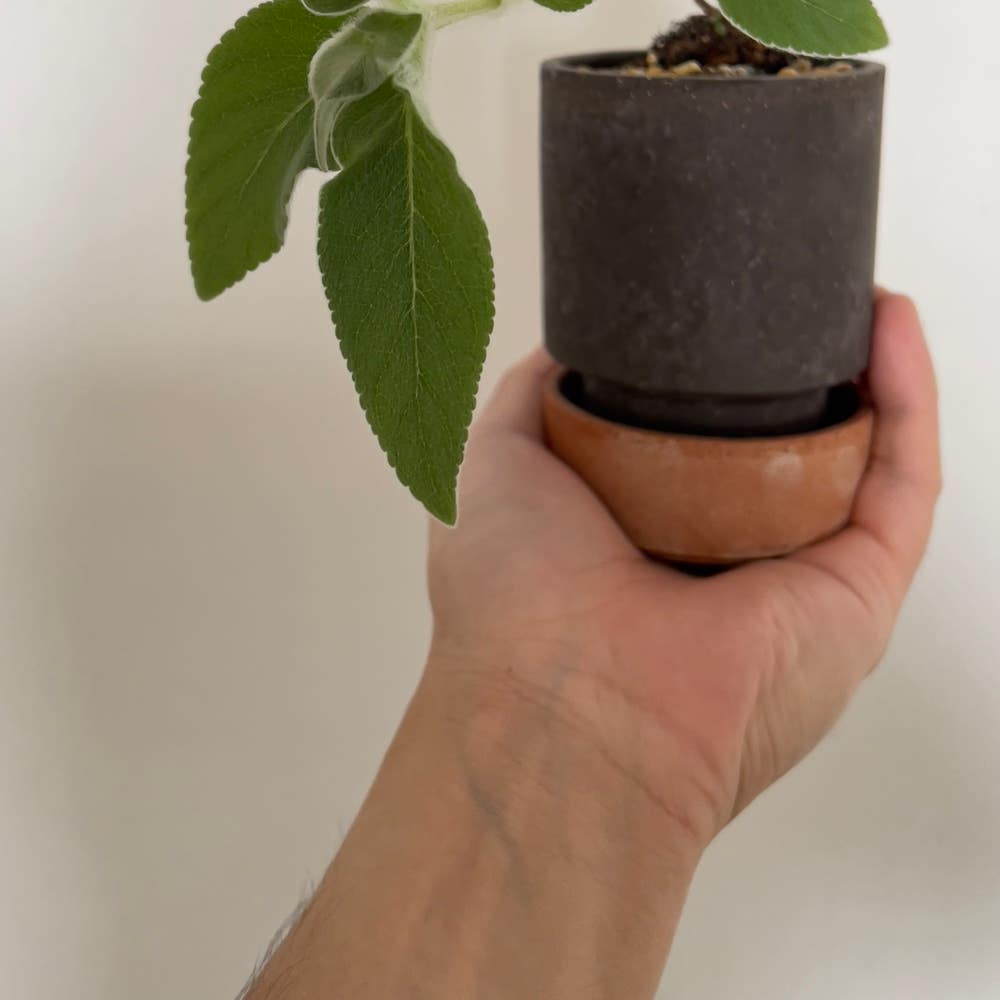
🌱 Selecting and Prepping Leaves
Choose your champion leaves—plump, healthy, and free of the drama of pests or disease. Prepping involves a clean snip of the leaf petiole, and perhaps a dip into rooting hormone for an extra edge in the rooting Olympics.
🌱 Rooting Your Leaf Cuttings
Now for the main event: rooting. Nestle your cuttings into the potting mix, keep the soil moist but not soggy, and wait for nature to do its thing. Patience is key; roots and baby plants will emerge in due time, signaling it's time to celebrate the birth of new Gloxinia life.

The Tuber Division Technique
🌱 When and How to Divide Tubers
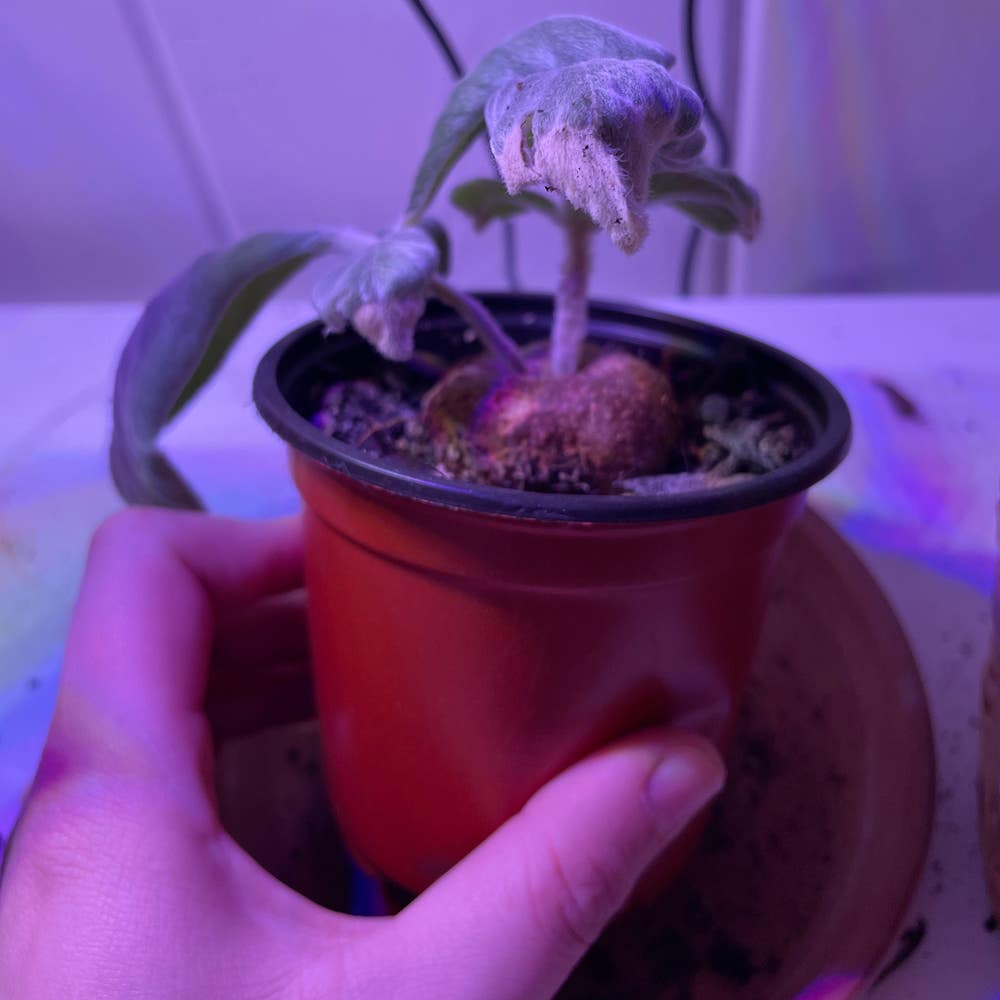
Timing is everything; divide when your Gloxinia is dormant. Gently separate the tubers, ensuring each section has at least one growth point. It's like performing delicate surgery on a sleeping plant.
🌱 Planting Divided Tubers
Plant your tuber pieces in moist soil, just deep enough to cover them. Warmth and humidity are your tubers' best friends at this stage, coaxing them to wake up and grow into full-fledged Gloxinia glory.

The Leaf Cutting Method
🍃 Selecting and Prepping Leaves
To kick off your Gloxinia propagation, choose leaves that are the picture of health—plump, vibrant, and free from the drama of disease or pests. Think of it as a VIP selection process for the future of your plant.
Once you've got your A-listers, twist them off like you're turning a key in a lock. If they're stubborn, a sterile knife is your backstage pass to a clean break. Let them sit for a day or two to develop a callus—it's their natural defense against the underworld of rot.
🌱 Rooting Your Leaf Cuttings
Now, for the main event: rooting. Here's the play-by-play:
- Prep your soil: Light and fluffy is the way to go, like a bed for a fairy.
- Insert the leaf: Stick the cut end into the soil, just enough to stand upright without a slouch.
- Moisture is key: Keep the soil damp, not drenched. Think of it as a morning dew, not a monsoon.
- Wait for the magic: In a few weeks, roots should start throwing a party below the surface.
You'll know it's time to move on when you see new leaves sprouting like tiny green high-fives. That's your cue that these little guys are ready to graduate to the big leagues of Gloxinia life.
The Tuber Division Technique
⏰ When and How to Divide Tubers
Dividing Gloxinia tubers is a timing game. Strike when the plant is dormant, typically in late winter or early spring. This is when the plant's energy is conserved in the tuber, making it the perfect moment for a split.
Handle with care. Gloxinia tubers are delicate, akin to dahlia tubers with their fragile necks. Use a clean, sharp knife to divide the tuber, ensuring each piece has at least one growth point, or "eye." Like surgery, precision matters; a clean cut minimizes the risk of rot and infection.
🌱 Planting Divided Tubers
Now, for the fun part: planting your tuber sections. Best practice is to plant them concave side up, in a mix that's damp but not soggy. Think of it as tucking them in with a light blanket of soil, just half an inch deep.
Keep the environment cozy, between 65 and 75 degrees Fahrenheit. This is the sweet spot where your tubers will feel at home and start to sprout. Remember, no direct sunlight just yet; these babies need indirect light to thrive without stress.
Water sparingly at first. Overwatering is the fast track to rot city, and we're not about that life. Keep the soil moist, but not wet, and watch for signs of growth. That's your cue that the tubers are settling into their new digs just fine.
Aftercare for Propagated Gloxinia
🌱 The Right Conditions for New Starts
Navigating the aftercare of propagated Gloxinia is like stepping into a new world of plant parenting. Here's how to adjust water, light, and humidity for these younglings.
💧 Water Wisely
Overwatering is the fast track to disaster. Water your Gloxinia when the top inch of soil feels dry. Use lukewarm water to avoid shocking the tender roots.
☀️ Light It Right
Bright, indirect light is the sweet spot. Too much sun can scorch leaves, while too little leaves them lanky. Aim for a light level of 2,000 to 3,000 footcandles.
💦 Humidity Hacks
Gloxinia thrives in humidity. A pebble tray or humidifier can prevent the leaves from drying out. Think tropical, but don't turn your home into a rainforest.
🌿 Transitioning to Regular Gloxinia Care
Once your Gloxinia starts to strut its stuff with new growth, it's time to transition. Gradually shift to the care routine of a mature plant, balancing consistency with attentiveness. Keep an eye out for yellowing leaves or stunted growth, and tweak your care routine accordingly. Remember, these are your green babies; treat them with kid gloves.
Troubleshooting Propagation Pitfalls
🌱 Common Hiccups in Propagating Gloxinia
Gloxinia propagation can sometimes hit a snag, root rot and wilting being the usual suspects. Here's how to tackle these issues head-on.
🛠️ Identifying and Solving Issues
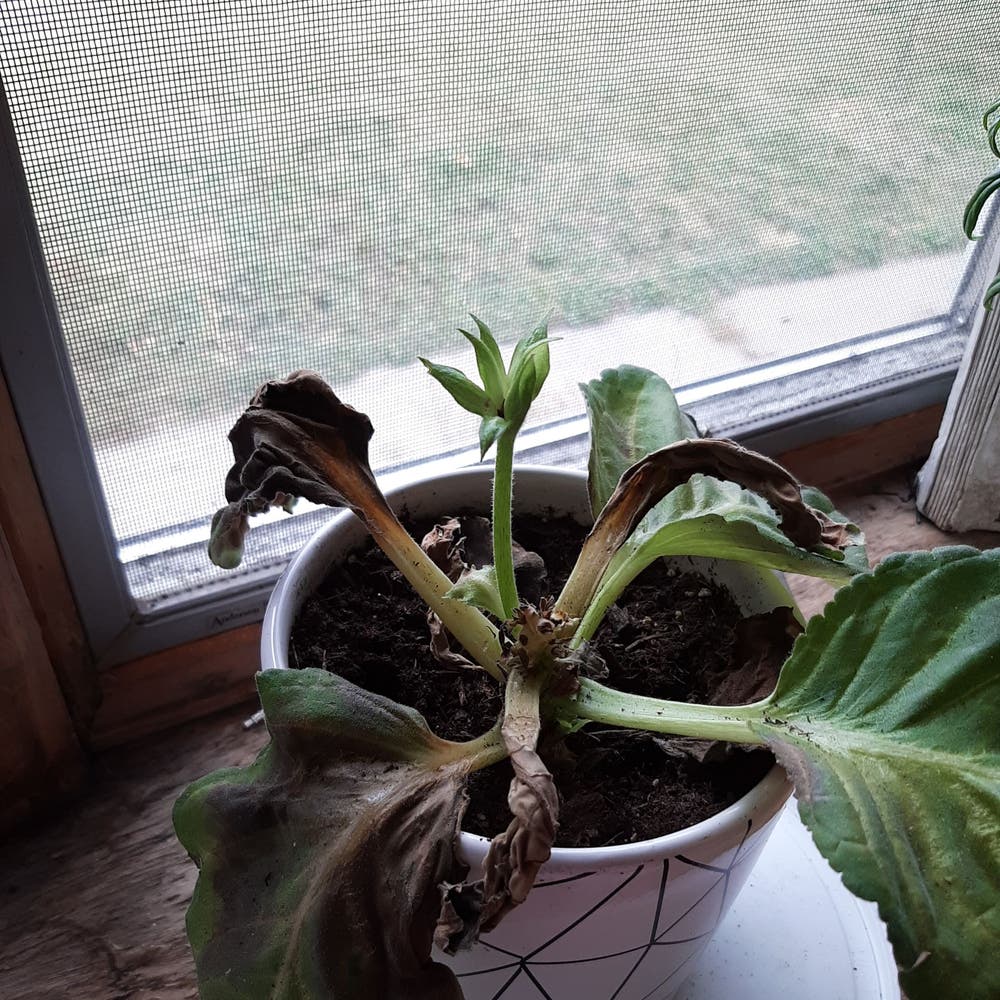
Root rot often stems from overwatering or poor drainage. If you spot mushy, brown roots, it's time to act. Cut away the rot and replant in well-draining soil, cutting back on water. For wilting, reassess your watering schedule and ensure your Gloxinia isn't too cold or too hot.
🚫 Preventative Tips
To prevent common propagation mistakes, remember: less is more when it comes to watering. Ensure your soil is not soggy, and keep a vigilant eye for early signs of distress like yellowing leaves or stunted growth. Adjust your care routine promptly to keep your Gloxinia thriving.
⚠️ Safety First
This content is for general information and may contain errors, omissions, or outdated details. It is not medical, veterinary advice, or an endorsement of therapeutic claims.
Always consult a qualified healthcare professional before using any plant as food, medicine, or supplement.
Never eat any plant (or feed one to pets) without confirming its identity with at least two trusted sources.
If you suspect poisoning, call Poison Control (800) 222-1222, the Pet Poison Helpline (800) 213-6680, or your local emergency service immediately.
Spotted an error? Please report it here.
Propagate your Gloxinia with confidence as Greg guides you with custom care plans and timely reminders 🌿, ensuring your leaf cuttings and tuber divisions thrive.