5 Tips for Healthy Gloxinia Roots 🌸
Sinningia speciosa
By the Greg Editorial Team
Nov 23, 2024•6 min read
This article was created with the help of AI so we can cover more plants for you. May contain errors. See one? Report it here.
Master gloxinia root care for vibrant blooms and healthy growth! 🌱 Discover essential tips to thrive your plants.
- 🌱 Gloxinia roots thrive in well-draining soil; avoid overwatering to prevent root rot.
- 🌼 Transplant during active growth for optimal health; look for signs like stunted growth.
- 🧪 Monthly fertilization with phosphorus boosts root development and overall plant vigor.
Characteristics of Root System
🌱 Type of Root System
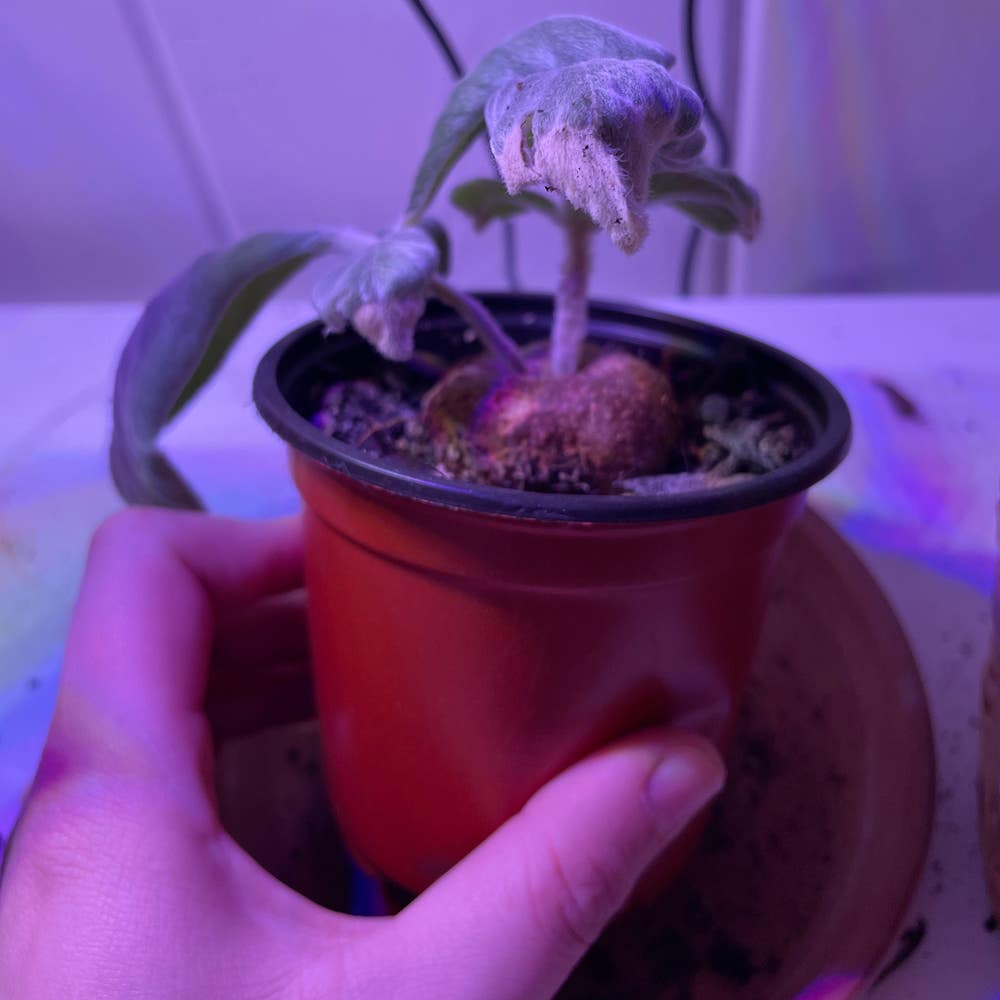
Gloxinia plants feature a rhizomatous root system. This means their roots grow horizontally, storing essential nutrients and water.
The rhizomes provide stability to the plant while ensuring access to moisture, which is crucial for healthy growth.
🌍 Root Depth and Spread
The roots of gloxinia are typically shallow. This characteristic allows them to easily access surface moisture, which is vital for their survival.
Additionally, gloxinia roots can extend outward, necessitating adequate space for growth. Providing enough room ensures that the roots can thrive and support the plant effectively.
📈 Growth Patterns
Gloxinia roots exhibit growth patterns that respond to various factors. These include soil conditions, moisture availability, and nutrient levels.
Seasonal variations also play a role in root growth. During warmer months, roots actively grow, while they enter a dormant phase in cooler periods. Understanding these patterns helps in providing the right care throughout the year.
With a solid grasp of gloxinia's root characteristics, you can better support their health and vitality. Next, we’ll explore how to effectively water and fertilize these beautiful plants for optimal root development.
Watering and Fertilizing
🌱 Impact of Root System on Watering Needs
Watering your gloxinia requires a careful balance. Consistent moisture is crucial, but be cautious of waterlogging, which can lead to root rot.
To maintain this balance, consider bottom watering. This method allows the roots to absorb moisture gradually while preventing excess water from accumulating around the crown.
🌼 Fertilizing Techniques for Healthy Roots
Establishing a fertilization schedule is key for vibrant gloxinia roots. Aim to fertilize monthly during the growing season using a balanced fertilizer.
When choosing fertilizers, you have options: liquid fertilizers provide quick nutrient uptake, while slow-release granules offer a steady supply over time. Regardless of your choice, ensure that phosphorus is a focal point, as it plays a vital role in robust root development.
With proper watering and fertilizing techniques, your gloxinia will thrive, setting the stage for successful transplanting.
Transplanting
🌱 Best Practices for Transplanting
Transplanting your gloxinia at the right time is crucial for its health. Aim to do this during the plant's active growth phase, typically in spring or early summer, when it’s ready to thrive.
Soil preparation is equally important. Use a well-draining potting mix to support root health and prevent waterlogging, which can lead to root rot.
🚨 Signs That Transplanting is Necessary
Recognizing when your gloxinia needs a new home is key to its vitality. Look for roots growing out of drainage holes, which is a clear sign that it’s time to repot.
Other indicators include stunted growth or yellowing leaves. These symptoms suggest that your plant is struggling and could benefit from a fresh environment to spread its roots.
By keeping an eye on these signs, you can ensure your gloxinia remains healthy and vibrant, ready to flourish in its new pot. Next, let’s explore common root-related issues that can affect your plant’s health.
Common Root-Related Issues
Identifying Root Rot and Other Diseases 🦠
Root rot is a serious concern for gloxinia plants. The most telling symptoms include brown, mushy roots accompanied by a foul odor, indicating decay.
Fungal infections can also plague gloxinia roots, leading to weakened plants and poor growth. Recognizing these issues early is crucial for maintaining root health.
Solutions for Common Root Problems 🛠️
Preventing root problems starts with proper watering techniques. Ensure your gloxinia has well-draining soil to avoid waterlogging, which can lead to root rot.
If you encounter root issues, act quickly. Remove affected roots and repot the plant in fresh, dry soil to promote recovery and prevent further damage.
By staying vigilant and proactive, you can keep your gloxinia thriving and healthy. Next, let’s explore how to identify indicators of root health to ensure your plants are in top shape.
Indicators of Root Health
👀 Visual Cues of Healthy vs. Unhealthy Roots
Healthy gloxinia roots are a sight to behold. They should be white, firm, and free of any rot, indicating that your plant is thriving.
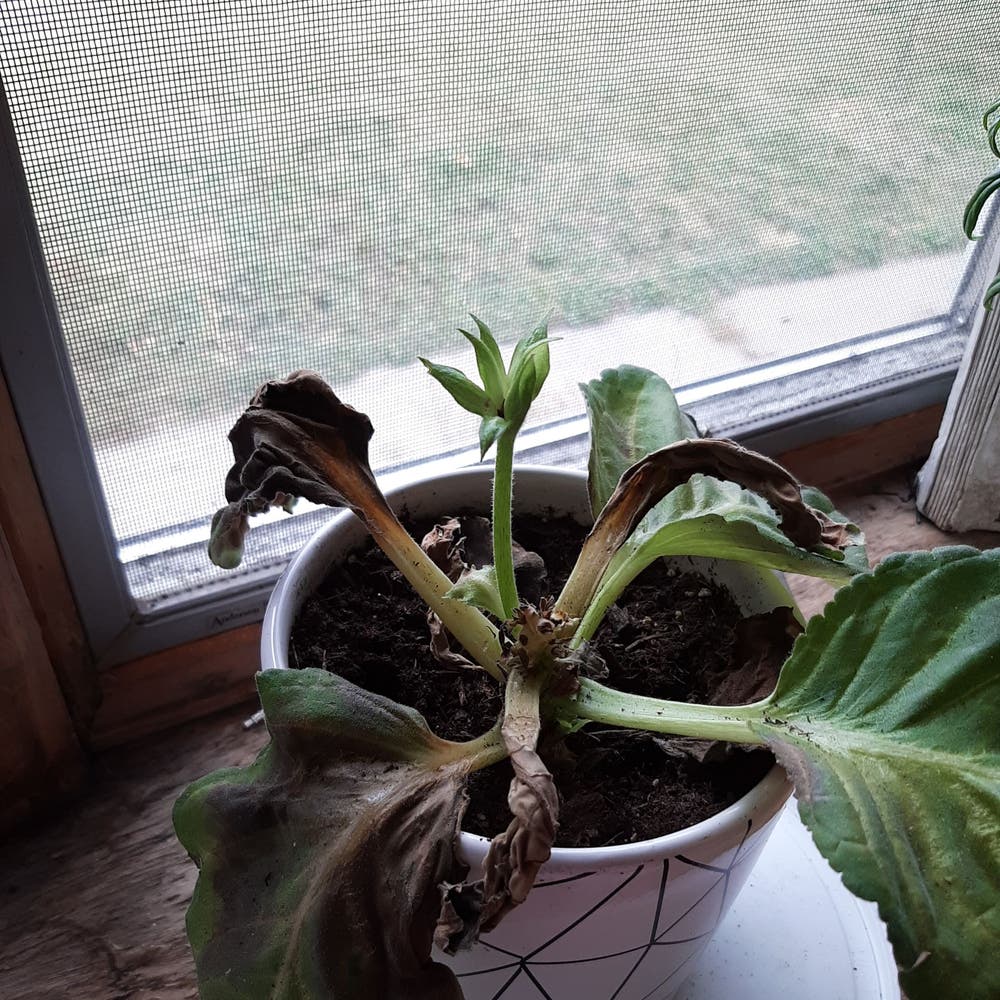
In contrast, unhealthy roots present a stark warning. Look for brown, mushy roots that emit a foul odor, signaling potential root rot or other issues.
📊 Other Indicators of Root Health
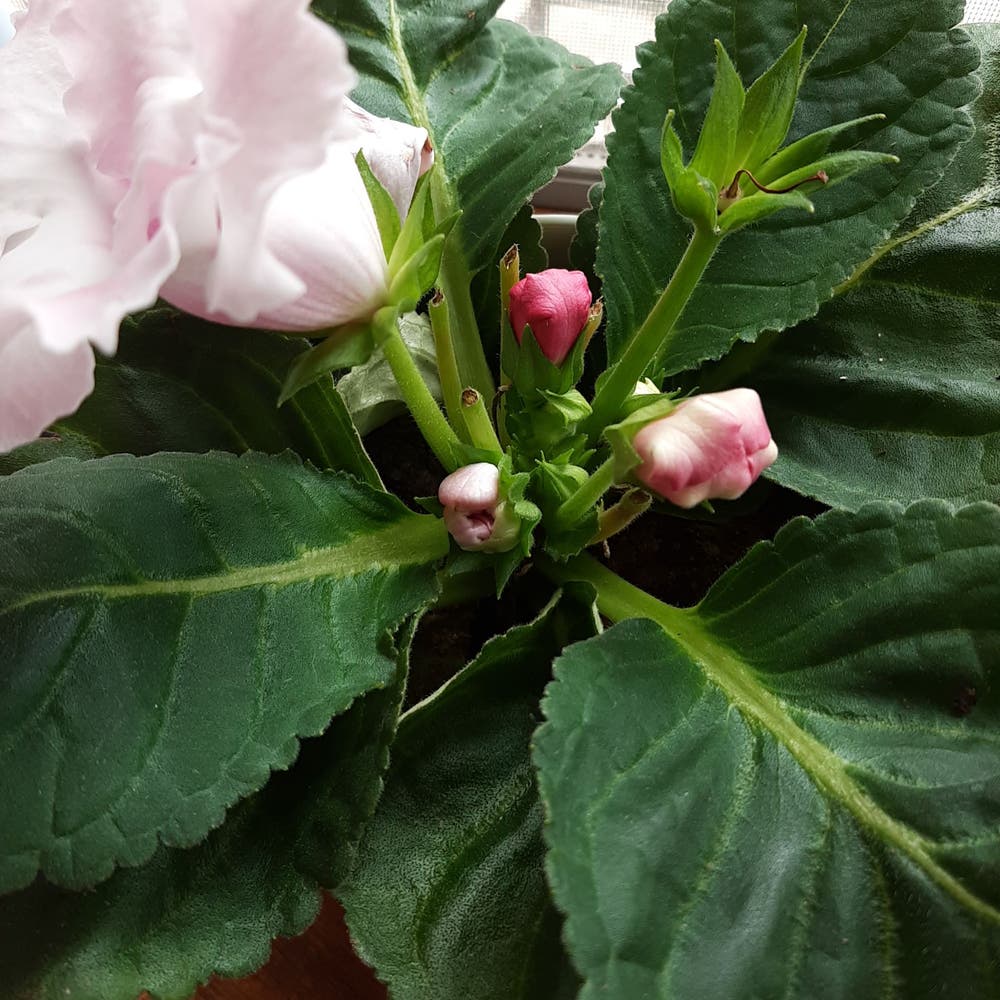
Beyond the roots themselves, the overall vigor of the plant is a crucial indicator. Healthy gloxinia plants exhibit robust growth, vibrant leaf color, and abundant flowering.
Soil moisture levels also play a significant role in root health. Regularly monitor your plant to catch signs of overwatering or underwatering, as both can lead to serious root problems.
By keeping an eye on these indicators, you can ensure your gloxinia remains healthy and vibrant. Next, we’ll explore the common issues that can affect root systems and how to tackle them effectively.
Rootbound Plants
Definition and Signs of Rootbound 🌱
Rootbound plants experience a condition where their roots are confined, preventing proper growth. This often manifests as roots circling the pot, stunted growth, and poor water absorption.
When and How to Address Rootbound Conditions 🛠️
Recognizing when to repot is crucial. Look for signs like slowed growth or roots peeking out of drainage holes.
To repot a rootbound plant, follow these steps:
- Prepare a new pot: Choose one that is slightly larger and has good drainage.
- Gently remove the plant: Carefully take it out of its current pot, loosening the roots if necessary.
- Trim the roots: Cut away any excessively long or damaged roots to encourage new growth.
- Replant: Place the plant in the new pot with fresh soil, ensuring the roots are spread out.
- Water thoroughly: After repotting, give the plant a good drink to help settle the soil.
By addressing rootbound conditions promptly, you can promote healthy root growth and overall plant vitality. This proactive approach will keep your gloxinia thriving and ready for the next stage of care.
Propagation and Division
🌱 Importance of Root Health in Propagation
Healthy roots are the backbone of successful propagation. They provide the necessary nutrients and stability for new plants, ensuring resilience and growth.
✂️ Techniques for Dividing While Maintaining Root Integrity
Dividing gloxinia plants can be a rewarding process when done correctly. Follow these steps to ensure you maintain root integrity:
- Choose the Right Time: Perform the division during the active growth phase, typically in spring or early summer.
- Prepare Your Tools: Use clean, sharp tools to minimize damage and prevent disease.
- Remove the Plant: Gently take the plant out of its pot, being careful not to disturb the roots too much.
- Inspect the Roots: Look for healthy rhizomes that can be separated. Aim for sections with at least one growing point.
- Divide Carefully: Use your tools to cut the rhizomes apart, ensuring each section has roots attached.
- Replant Immediately: Place the divided sections into well-draining potting mix to support their recovery.
🌿 Aftercare
After dividing your gloxinia, proper care is crucial for their success. Water the newly potted plants lightly to avoid waterlogging, and consider using a balanced fertilizer to encourage growth.
Monitoring moisture levels is essential, as newly divided plants can be sensitive. With attentive care, your gloxinia will thrive and flourish, ready to bring beauty to your space.
As you nurture your divided plants, you'll be well-prepared to tackle the next topic: understanding root health indicators.
⚠️ Safety First
This content is for general information and may contain errors, omissions, or outdated details. It is not medical, veterinary advice, or an endorsement of therapeutic claims.
Always consult a qualified healthcare professional before using any plant as food, medicine, or supplement.
Never eat any plant (or feed one to pets) without confirming its identity with at least two trusted sources.
If you suspect poisoning, call Poison Control (800) 222-1222, the Pet Poison Helpline (800) 213-6680, or your local emergency service immediately.
Spotted an error? Please report it here.
Nurture your gloxinia roots for vibrant blooms 🌺 by using Greg's tailored watering and fertilization reminders to keep your plants thriving!