🌞 Is My Gloxinia Getting Too Much Direct Sunlight?
Sinningia speciosa
By the Greg Editorial Team
Jun 18, 2024•4 min read
This article was created with the help of AI so we can cover more plants for you. May contain errors. See one? Report it here.
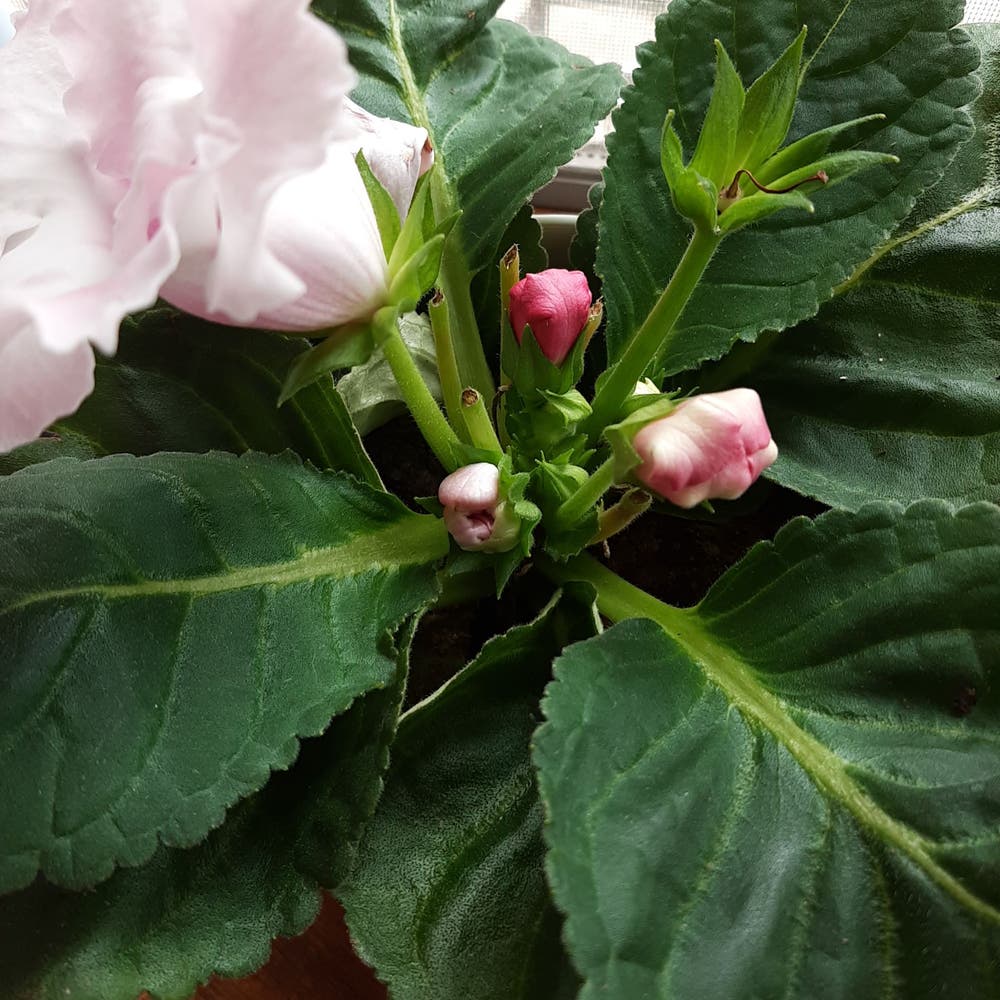
Safeguard your Gloxinia's vibrant beauty 🌺 from harsh sun with these essential light tips!
- Leaf discoloration and wilting indicate too much sun for Gloxinia.
- Bright, indirect sunlight is best; use sheer curtains for protection.
- Rotate and reposition with seasons to mimic Gloxinia's natural habitat.
Spotting the Signs: Gloxinia and Sunlight Stress
🌞 Telltale Symptoms of Too Much Sun
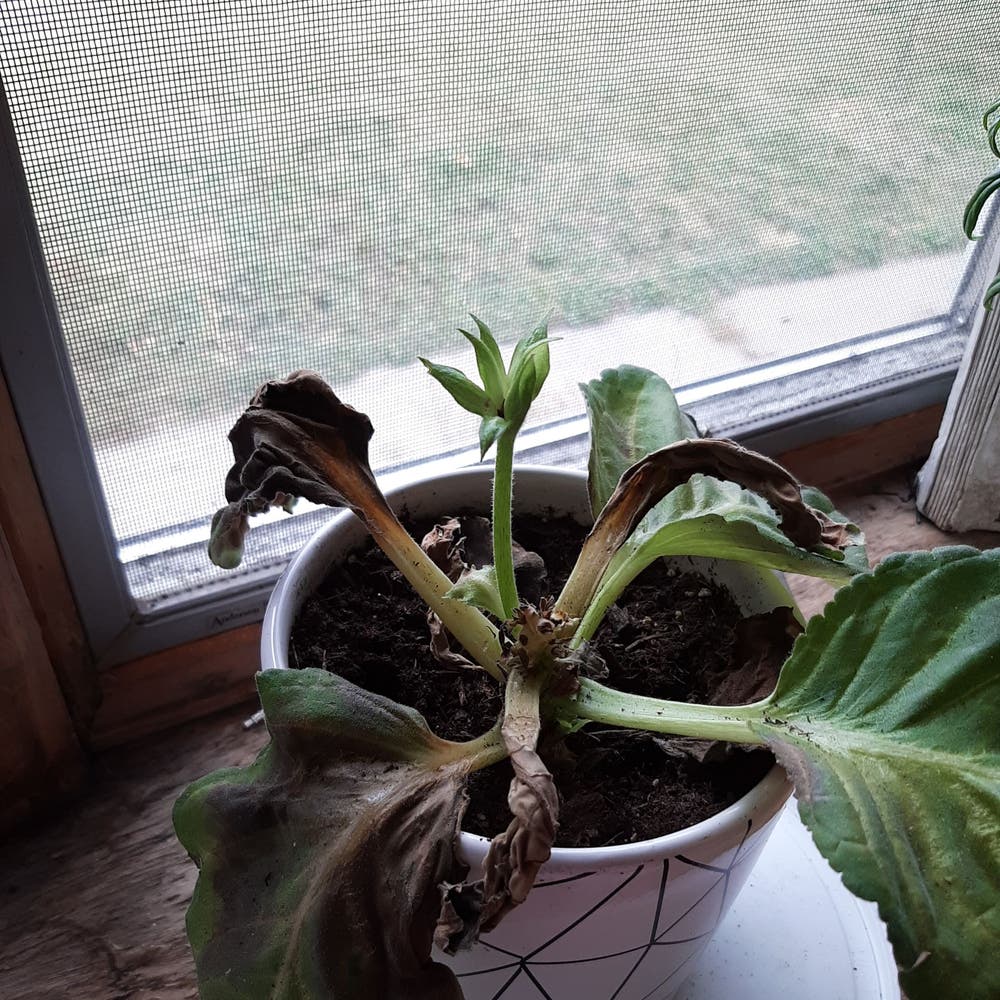
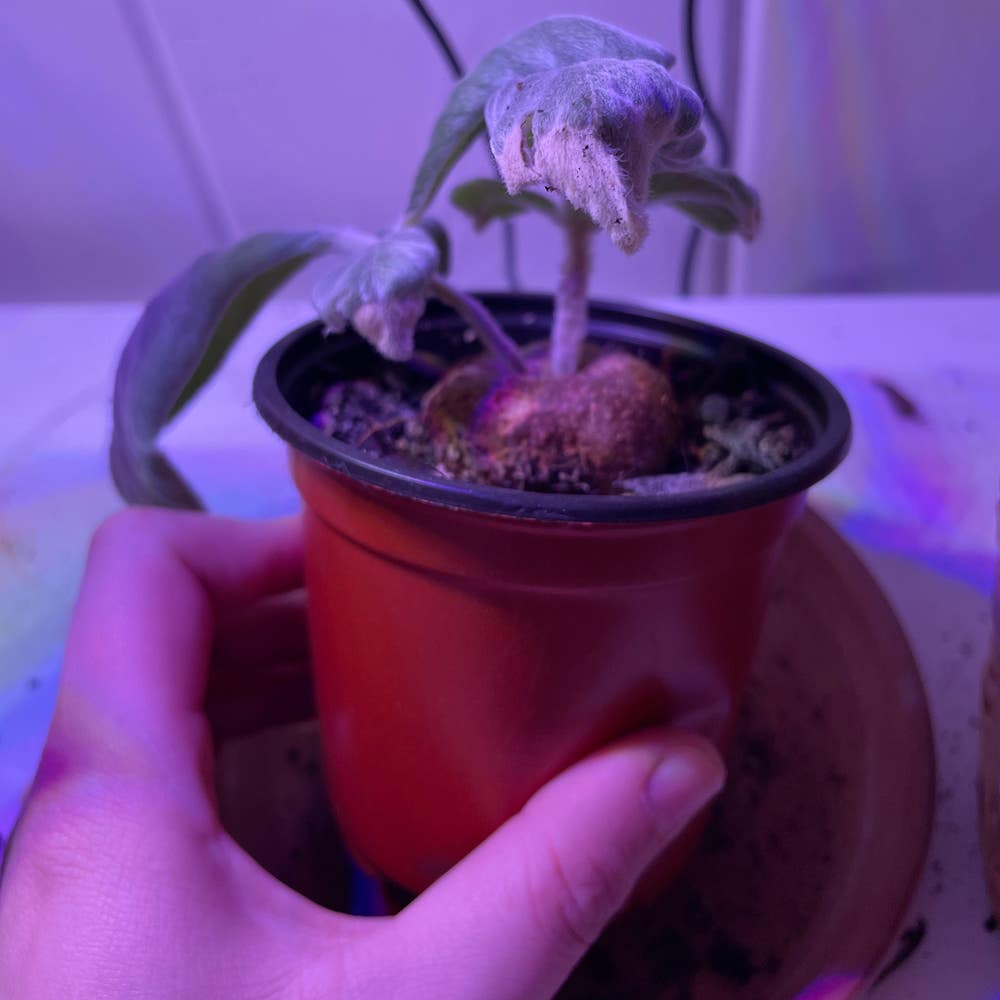
Gloxinia's leaf discoloration is a red flag for excessive sun exposure. If you notice leaves turning from vibrant to vapid, it's time to reassess your plant's sunbathing habits. Wilting is another distress signal; it's as if your Gloxinia is saying, "I'm not cut out for this heat!"
Scorched spots are the plant equivalent of a nasty sunburn. They're typically brown or crispy, and they don't make for a pretty sight. And when your Gloxinia's flowers start to fade, it's like they're throwing in the towel on their once vivid display.
Gloxinia's Ideal Sunlight Conditions
Gloxinia thrives in bright, indirect sunlight. It's a bit of a Goldilocks scenario—not too much, not too little, just right. The sweet spot? Aim for 2,000 to 3,000 footcandles of light intensity.
Understanding Gloxinia's natural habitat is key. These plants are no strangers to a dappled sunlight environment, mimicking the understory of forests. So, when you're setting up their spot at home, think "forest floor," not "beachfront."

Making Sense of Sunlight: Windows and Hemispheres
🌞 The Window Compass: Navigating Light Exposure
Your Gloxinia's sun intake is directly influenced by the window's orientation. South-facing windows are the sunbathers of the home, basking in light all day—ideal for plants that can't get enough of the sun. Flip that for the Southern Hemisphere, where north-facing windows are the sun magnets. East-facing windows offer a soft morning light, perfect for a gentle wake-up call for your Gloxinia. West-facing windows, on the other hand, deliver a stronger dose of afternoon sun, which can be a bit too intense for these delicate beauties.
🌍 Hemisphere Hints: Seasonal Sunlight Shifts
The sun's angle isn't static—it's a seasonal traveler, and your Gloxinia care should adapt accordingly. As the seasons change, so does the sunlight's intensity and duration. In summer, the sun is high and mighty, potentially overwhelming your Gloxinia with too much love. Come winter, it's a low-riding, gentle cruiser, often leaving Gloxinia craving more. Keep this in mind and reposition your plant as needed to ensure it gets the right amount of light year-round. Remember, your Gloxinia isn't trying to get a tan; it's all about finding that sweet spot where it can thrive without the risk of a sunburn.

Sunlight Solutions: Protecting Your Gloxinia
🎨 Creative Shading Techniques
Sheer curtains aren't just for ambiance; they're Gloxinia's sunscreen. When the sun's rays get too aggressive, a soft curtain can diffuse the light, providing a gentle glow rather than a harsh beam. It's about softening the blow, not blocking out the sun entirely.
🚚 Relocation, Relocation, Relocation
Sometimes, it's as simple as moving your plant a few feet. Gloxinia isn't a fan of the scorching midday sun, so a spot with morning light might be its happy place. If you notice signs of distress, don't hesitate to shift its position. Remember, your Gloxinia's well-being is worth the game of musical chairs.

Troubleshooting Gloxinia Sunlight Woes
🌞 Rescuing Overexposed Gloxinia
If your Gloxinia is throwing a fit with scorched leaves and sad blooms, it's time for some plant ER. First, move it out of the sun's harsh spotlight, pronto. Think of it as putting aloe on a sunburn, but for your plant. Next, trim off the burnt bits; they're not coming back, and your Gloxinia needs to focus on healing, not dead leaf CPR.
🛡️ Preventative Measures for Future Flourishing
To avoid future sun-related tantrums, get into a routine check-up habit. Your Gloxinia isn't going to text you when it's unhappy, so you need to keep an eye out for distress signals. If it starts looking like it's reaching for the sky, it's begging for more light. On the flip side, if it's getting crispy, dial the sunlight back. And remember, the sun's position is as predictable as a reality TV show plotline, so adjust your Gloxinia's location with the seasons. Rotate the pot every now and then to ensure even growth; nobody likes a lopsided plant. Lastly, consider a sheer curtain to soften the blow of those intense sun rays—it's like sunglasses for your Gloxinia.
⚠️ Safety First
This content is for general information and may contain errors, omissions, or outdated details. It is not medical, veterinary advice, or an endorsement of therapeutic claims.
Always consult a qualified healthcare professional before using any plant as food, medicine, or supplement.
Never eat any plant (or feed one to pets) without confirming its identity with at least two trusted sources.
If you suspect poisoning, call Poison Control (800) 222-1222, the Pet Poison Helpline (800) 213-6680, or your local emergency service immediately.
Spotted an error? Please report it here.
Keep your Gloxinia thriving 🌿 with Greg's PlantVision to measure light intensity and set reminders for the perfect plant positioning throughout the seasons.