Top 3 Companions for a Healthy Gloxinia Garden 🦋
Sinningia speciosa
By the Greg Editorial Team
Nov 23, 2024•4 min read
This article was created with the help of AI so we can cover more plants for you. May contain errors. See one? Report it here.
Elevate your Gloxinia garden's beauty and health with perfect companion plants! 🌿
- 🌼 African Violets and ferns thrive with Gloxinia, enhancing growth and repelling pests.
- 🌈 Caladiums add color while deterring pests, creating a vibrant Gloxinia garden.
- 🐞 Companion plants attract beneficial insects, improving pest control and garden health.
Top Companion Plants for Gloxinia
🌸 African Violet
African Violets are charming, small houseplants known for their velvety leaves and vibrant blooms. They thrive in similar conditions to Gloxinia, preferring indirect light and high humidity.
These lovely plants not only attract pollinators but also repel common pests like aphids. Their contrasting colors and textures enhance the visual appeal of your Gloxinia garden, making it a feast for the eyes.
🌿 Ferns
Ferns bring lush, green foliage that flourishes in shaded environments. They share Gloxinia's preference for moisture and indirect light, making them excellent companions.
By providing a natural humidity boost, ferns create an ideal microclimate for Gloxinia. Additionally, they attract beneficial insects that serve as natural pest deterrents, keeping your garden healthy.
🍃 Caladium
Caladiums are tropical plants celebrated for their large, colorful leaves. They thrive in the same warm, humid conditions and indirect light that Gloxinia loves.
These vibrant plants add a splash of color and texture to your garden, enhancing its overall aesthetic. Their strong scent can also help deter pests, making them a practical choice for companion planting.
Incorporating these companion plants will not only support the health of your Gloxinia but also elevate the beauty of your garden. Next, we’ll explore how companion planting can effectively manage pests.
Pest Management through Companion Planting
🌱 How Companion Plants Can Deter Pests
Companion planting is a powerful strategy for managing pests in your Gloxinia garden. Certain plants can release scents that repel unwanted insects, creating a natural barrier against pests.
Additionally, companion plants play a crucial role in attracting beneficial insects. These allies, such as ladybugs and lacewings, feast on common garden pests, helping to keep your Gloxinia healthy and thriving.
🐞 Specific Pests That Affect Gloxinia and How Companions Help
Gloxinia plants are often targeted by pests like aphids, spider mites, and mealybugs. These nuisances can damage your plants and hinder their growth.
To combat these pests, consider planting companions that attract their natural predators. For instance, marigolds and dill can draw in ladybugs and lacewings, effectively reducing the pest population and promoting a healthier garden environment.
By integrating these companion plants, you not only enhance your garden's ecosystem but also create a vibrant and flourishing space for your Gloxinia to thrive.
Visual Appeal and Aesthetic Considerations
🎨 Color and Texture Combinations with Gloxinia
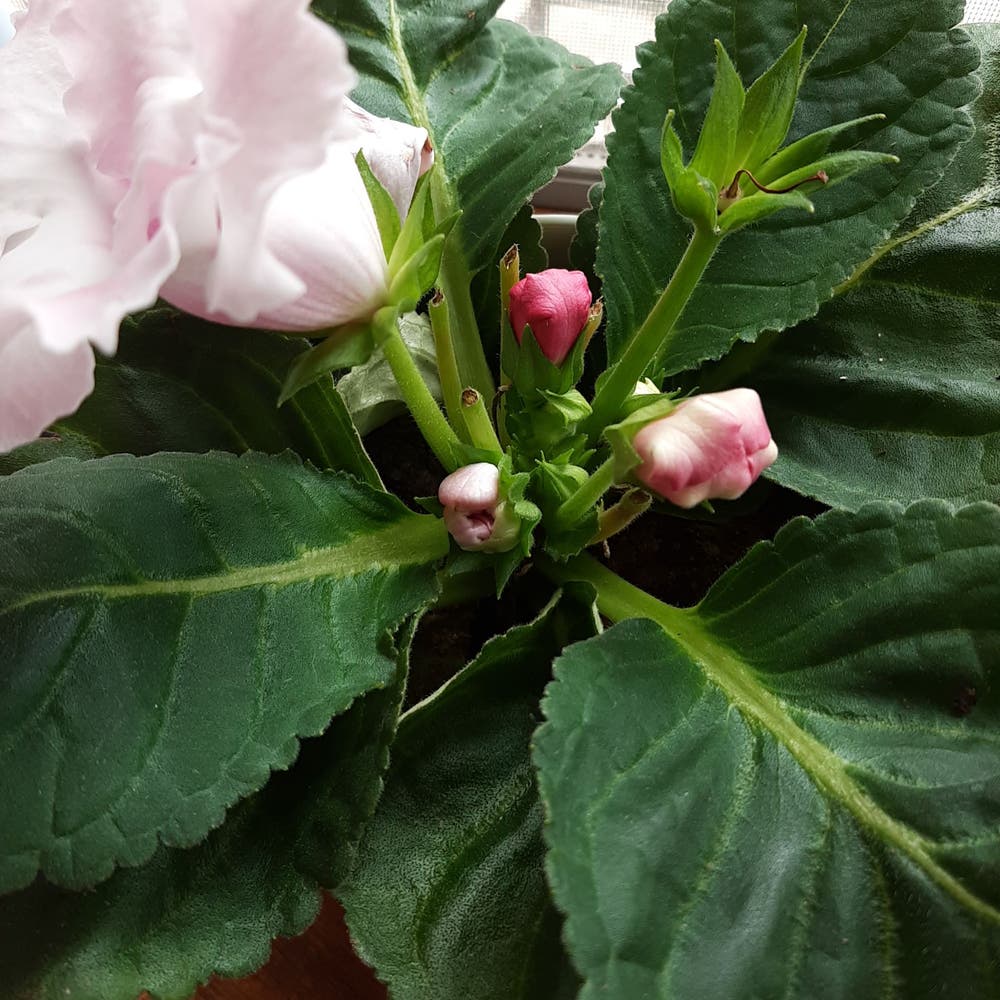
Gloxinia flowers are known for their vibrant hues, making them a stunning centerpiece in any garden. Pairing these blooms with lush green ferns creates a beautiful contrast that enhances the overall aesthetic.
The addition of colorful Caladium leaves further elevates the visual appeal. Their bold patterns and shades complement the velvety texture of Gloxinia leaves, creating a dynamic and inviting garden space.
🌼 Seasonal Interest and Blooming Times of Companion Plants
Timing is everything in gardening, especially when it comes to blooms. Gloxinia typically flowers in late spring to early summer, so selecting companion plants that bloom at different times can provide continuous interest throughout the seasons.
Additionally, consider the foliage color changes that occur as the seasons progress. This thoughtful selection ensures that your garden remains vibrant and engaging year-round, keeping the beauty of Gloxinia alive even when it's not in bloom.
As you plan your Gloxinia garden, remember that the right companions not only enhance visual appeal but also contribute to a thriving ecosystem. Next, let’s explore how companion planting can effectively manage pests and protect your beloved Gloxinia.
Plants to Avoid Near Gloxinia
🚫 Incompatible Plants
When planning your Gloxinia garden, it's crucial to know which plants to steer clear of. Certain aggressive weeds and sun-loving plants can create significant challenges for your Gloxinia.
❌ Reasons for Incompatibility
One major concern is pest attraction. Some plants draw in pests that can harm your Gloxinia, leading to infestations that are tough to manage.
Additionally, differing care needs pose a problem. Plants that thrive in direct sunlight or require dry conditions can stress Gloxinia, resulting in poor growth and health.
By avoiding these incompatible plants, you can create a thriving environment for your Gloxinia to flourish. This careful selection will help maintain a healthy garden ecosystem, ensuring your Gloxinia remains vibrant and beautiful.
As you plan your garden, consider the next steps in enhancing your Gloxinia's health through thoughtful companion planting.
⚠️ Safety First
This content is for general information and may contain errors, omissions, or outdated details. It is not medical, veterinary advice, or an endorsement of therapeutic claims.
Always consult a qualified healthcare professional before using any plant as food, medicine, or supplement.
Never eat any plant (or feed one to pets) without confirming its identity with at least two trusted sources.
If you suspect poisoning, call Poison Control (800) 222-1222, the Pet Poison Helpline (800) 213-6680, or your local emergency service immediately.
Spotted an error? Please report it here.
Boost your Gloxinia garden's health and beauty with perfect companions like African Violets and ferns 🌿, and let Greg provide you with custom care reminders to keep your plants thriving together!