Why Are My Gloxinia Leaves Turning Yellow?
Sinningia speciosa
By the Greg Editorial Team
Jun 18, 2024•4 min read
This article was created with the help of AI so we can cover more plants for you. May contain errors. See one? Report it here.
Restore your Gloxinia's lush green splendor 🌿 by mastering the art of troubleshooting yellow leaves.
- 💧 Over/underwatering causes yellow leaves; check roots and adjust watering.
- ☀️🌱 Proper light and nutrients are crucial; prevent yellowing with balance.
- 🌿 Revive with care: Remove damaged roots, repot, and maintain moisture.
Pinpointing the Culprit: Common Causes of Yellowing Leaves
🌊 Overwatering and Root Health
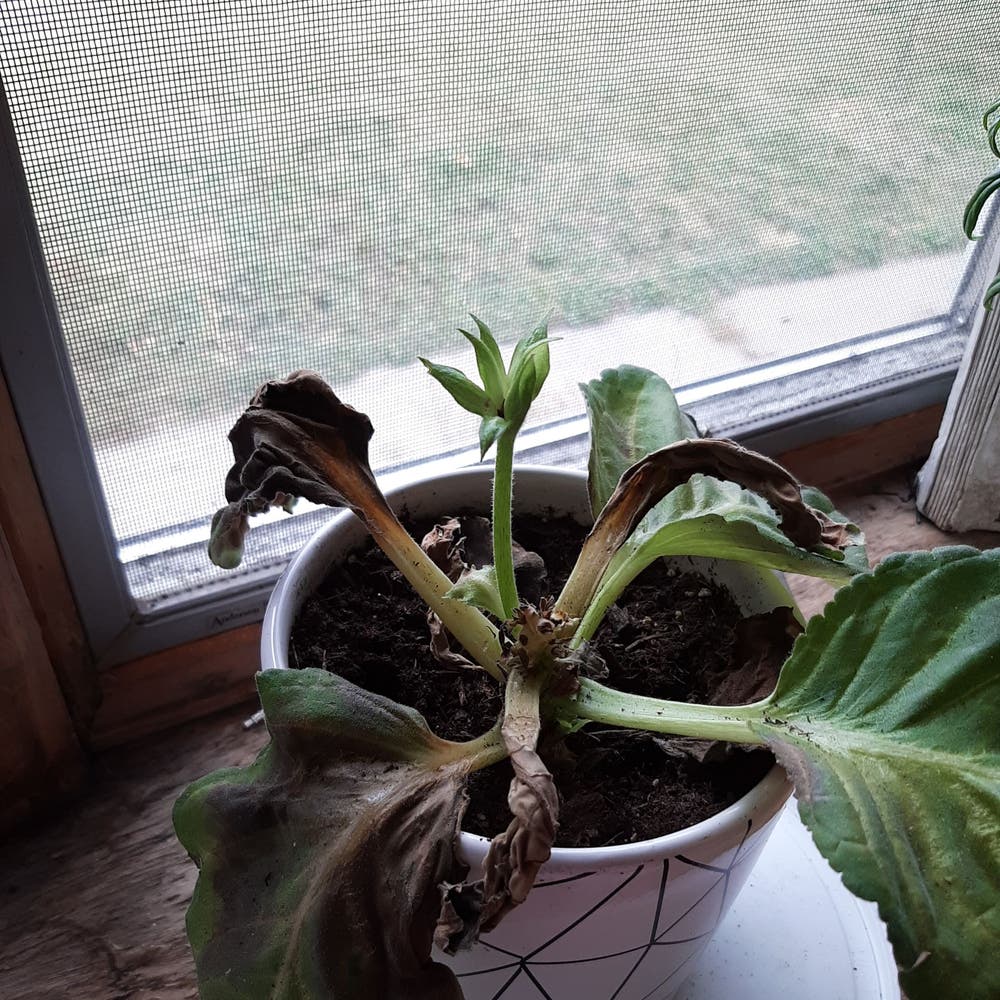
Overwatering is like giving your Gloxinia an all-you-can-drink buffet—it's too much of a good thing. Leaves turn yellow as a cry for help. To check for root rot, gently lift the plant and inspect the roots. They should be firm and white, not mushy or brown.
🏜️ Underwatering Stress
Conversely, underwatering makes your Gloxinia's leaves droop and yellow from thirst. Strike a balance—water when the top inch of soil feels dry, but don't let your plant go parched.
🌞 Light: Finding the Sweet Spot
Too much light scorches leaves, while too little leaves them craving sunlight. Adjust your Gloxinia's location to ensure it gets indirect, bright light for vibrant leaves.
🍽️ Nutrient Deficiencies: What's Missing?
Yellowing can signal a shortage of nitrogen, iron, or magnesium. Older leaves yellowing? Think nitrogen. Younger leaves pale? Iron could be the culprit. Yellowing between the veins? Magnesium may be lacking. Fertilize with a balanced mix to address these deficiencies.

Turning Things Around: Corrective Actions
🌱 Reviving Overwatered Gloxinia
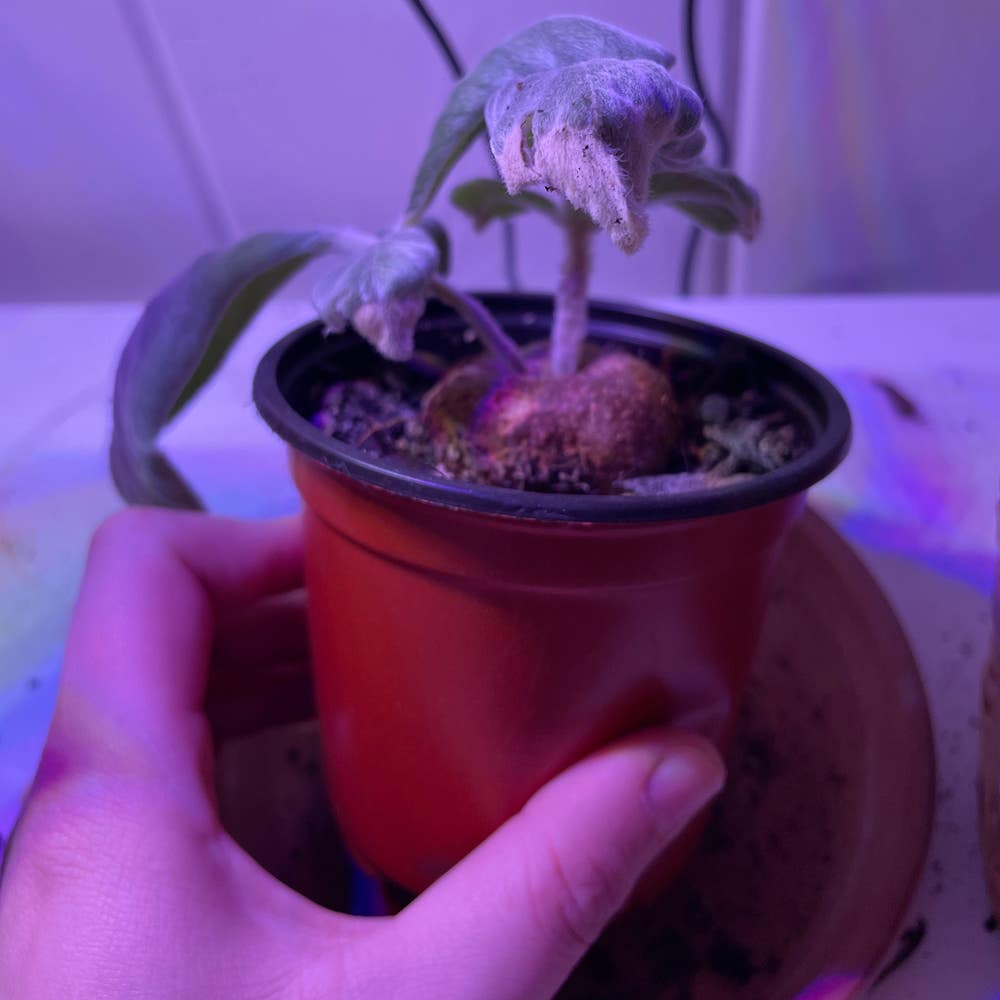
Root rot is the silent killer of many houseplants, and Gloxinia is no exception. If you've been a little too generous with the watering can, it's time to take action. First, remove your plant from its pot and inspect the roots. Healthy roots are firm and white, while rotten ones are mushy and brown. Snip off the damaged parts with sterilized scissors. Second, let the roots air out before repotting in fresh, well-draining soil. Going forward, water only when the top inch of soil is dry to the touch.
💧 Quenching Thirst Properly
Watering is an art form, and your Gloxinia's yellow leaves are crying out for a more nuanced approach. Establish a routine based on the plant's needs, not your schedule. Stick your finger into the soil; if it's dry down to your first knuckle, it's time to water. And please, no cold showers—use room-temperature water to avoid shocking your plant's system.
🌿 Adjusting Light for Lush Leaves
Gloxinia loves the spotlight but can't handle the heat. If your plant's leaves are turning yellow, it might be getting too much direct sunlight. Relocate your Gloxinia to a spot with bright, indirect light. A north-facing window or a spot shaded by sheer curtains could be the perfect stage for your plant to shine.
🌾 Replenishing Nutrients
Yellow leaves can also signal a cry for nutritional help. Nitrogen deficiency often shows up as yellowing on older leaves. A balanced, water-soluble fertilizer can save the day. Apply it every four to six weeks during the growing season, but ease up in winter when your Gloxinia is resting. Remember, less is more—overfeeding can lead to fertilizer burn, which is just as bad as starvation.

Preventing Yellow Leaves: Maintenance and Monitoring
💧 Watering Wisdom
To dodge the yellow-leaf bullet, moisture management is crucial. Use a soil moisture meter or the good old finger test—aim for a feel akin to a wrung-out sponge.
- Tools: Soil moisture meter, your finger
- Techniques: Check before watering, aim for consistent soil moisture
🌞 Light Mastery
Harnessing the right light for your Gloxinia is like finding the perfect Instagram filter—it just makes everything better. Partial shade is their jam, but if you're using artificial light, think soft and diffused, not interrogation room bright.
- Natural Light: Bright, indirect sunlight
- Artificial Light: Soft, diffused, avoid harsh direct beams
🍽️ Nutrient Know-How
Feed your Gloxinia like it's a gourmet, not a gourmand. A balanced diet is key—too much nitrogen and you'll have the plant equivalent of a bodybuilder on a protein binge. Regular feeding schedules and soil tests will keep those leaves greener than a leprechaun's wardrobe.
- Feeding Schedule: Stick to a regular routine
- Soil Tests: Keep an eye on nutrient levels, adjust as needed

⚠️ Safety First
This content is for general information and may contain errors, omissions, or outdated details. It is not medical, veterinary advice, or an endorsement of therapeutic claims.
Always consult a qualified healthcare professional before using any plant as food, medicine, or supplement.
Never eat any plant (or feed one to pets) without confirming its identity with at least two trusted sources.
If you suspect poisoning, call Poison Control (800) 222-1222, the Pet Poison Helpline (800) 213-6680, or your local emergency service immediately.
Spotted an error? Please report it here.
Prevent your Gloxinia's leaves from turning yellow by mastering moisture and light with Greg's tailored reminders and tips 🌱—no more guesswork, just lush, healthy plants!