Gloxinia is Not an Invasive Plant 🌸
Sinningia speciosa
By the Greg Editorial Team
Nov 23, 2024•5 min read
This article was created with the help of AI so we can cover more plants for you. May contain errors. See one? Report it here.
Transform your garden with Gloxinia 🌼—a stunning, non-invasive plant that supports local ecosystems beautifully!
- 🌼 Gloxinia is non-invasive, making it a safe and beautiful choice for gardens.
- 🌱 Its tuberous roots limit aggressive growth, preventing uncontrolled spreading in your garden.
- 🐝 Gloxinia attracts pollinators, enhancing biodiversity and supporting a balanced garden ecosystem.
Plant Classification
Definition of Invasive Plants 🌱
Invasive plants are notorious for their rapid growth and aggressive spread. They often disrupt local ecosystems, outcompeting native species and causing significant ecological harm.
Gloxinia, however, is classified as a non-invasive plant. Its growth habits and limited spread potential make it a safe choice for gardeners looking to enhance their landscapes without risking ecological balance.
Reasons Gloxinia is Not Invasive 🌼
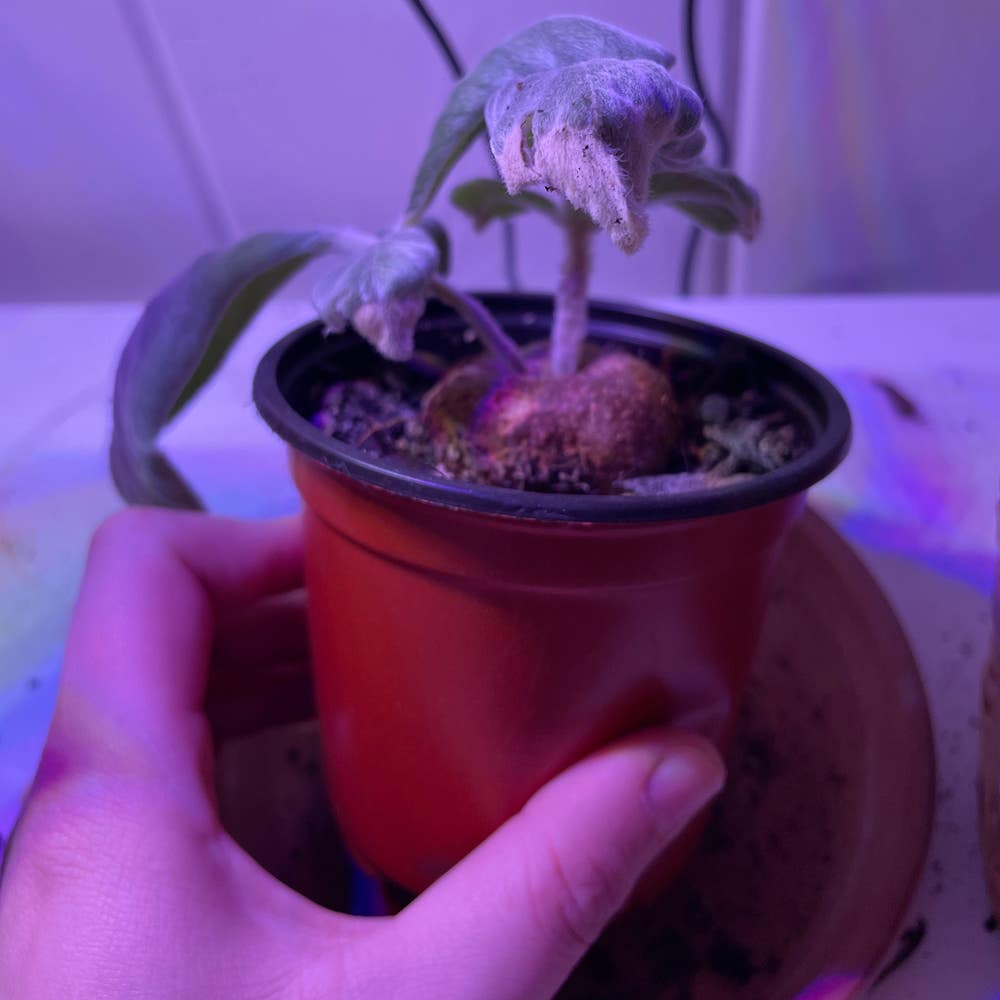
One of the key reasons Gloxinia is non-invasive is its tuberous root system. This structure limits aggressive growth and prevents it from spreading uncontrollably.
Additionally, Gloxinia prefers well-drained, rich soil, which restricts its ability to thrive in a variety of environments. This specificity helps maintain its presence in gardens without overwhelming other plants.
By understanding these characteristics, gardeners can appreciate Gloxinia as a manageable and beautiful addition to their green spaces.
Growth Habits
🌱 Typical Growth Patterns
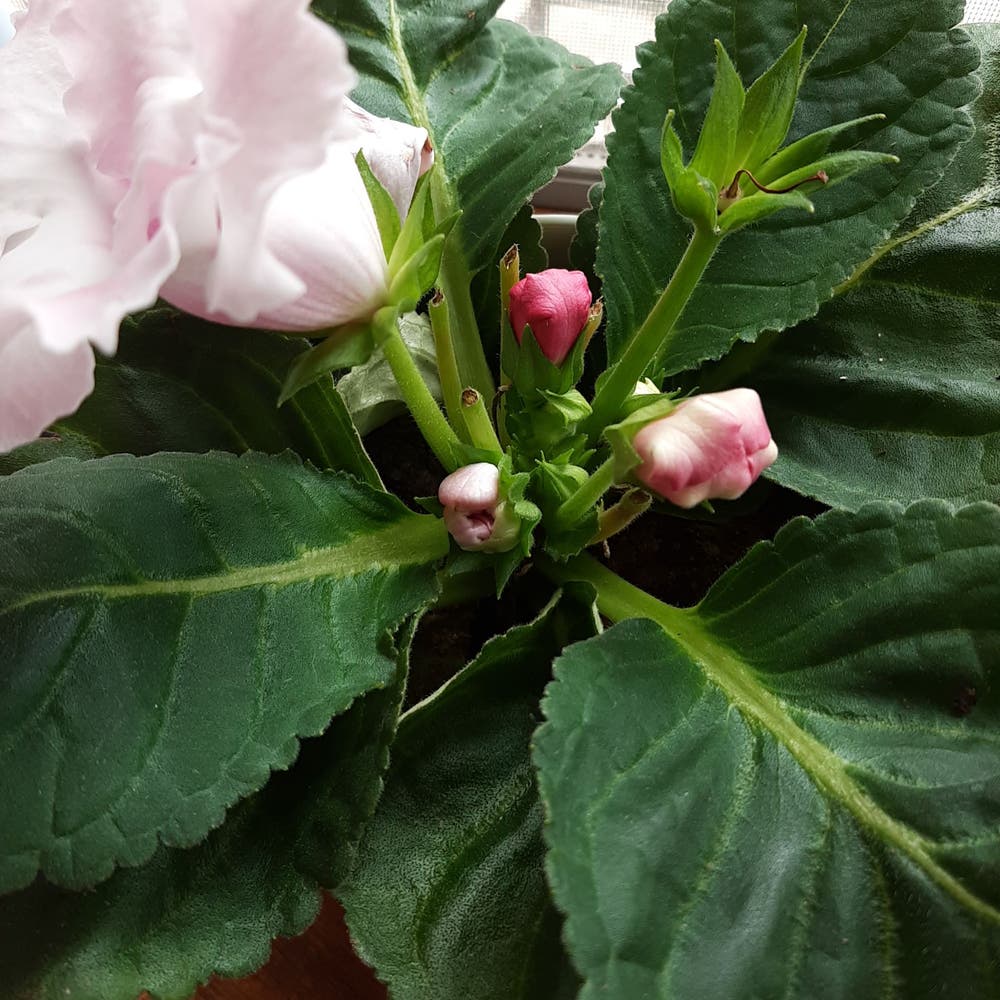
Gloxinia exhibits a striking rosette shape, with leaves that can reach up to 12 inches in length. During the warmer months, it bursts into vibrant blooms, showcasing a palette of colors that can brighten any garden.
🌿 Natural Limits to Growth
This plant thrives in shaded areas, preferring well-drained soil to flourish. Its specific temperature and humidity requirements help maintain its health, ensuring it remains a stunning addition to your garden.
🌼 Spread Potential in Gardens
Thanks to its tuberous root system, Gloxinia has a limited spread, making it easy to manage in garden settings. For optimal spacing, consider placing these plants about 12 to 18 inches apart to prevent overcrowding and allow each plant to shine.
Incorporating Gloxinia into your garden design not only enhances its beauty but also simplifies maintenance. With its manageable growth habits, you can enjoy a vibrant display without the worry of invasive tendencies.
Ecological Role
Benefits in Gardens 🌼
Gloxinia plays a vital role in gardens by attracting pollinators like bees and butterflies. This not only enhances local biodiversity but also supports the overall health of the ecosystem.
Additionally, its vibrant flowers and lush foliage provide significant aesthetic value. The striking colors and textures of Gloxinia can transform any garden space into a visual delight.
Positive Interactions with Local Wildlife 🦋
Beyond attracting pollinators, Gloxinia supports various beneficial insects. These interactions create a balanced environment, fostering a thriving garden ecosystem.
Moreover, Gloxinia can attract birds and other wildlife, contributing to garden health. This connection with local fauna enriches the garden experience, making it a sanctuary for both plants and animals.
Incorporating Gloxinia into your garden not only beautifies the space but also promotes ecological harmony. As we explore garden management next, consider how to effectively integrate this non-invasive gem into your designs.
Garden Management
Effective Incorporation in Garden Designs 🌼
Integrating Gloxinia into your garden can elevate its beauty and charm. These plants thrive in shaded areas, making them perfect for spots that receive filtered sunlight.
Consider using Gloxinia in container gardens. Their vibrant blooms can brighten up patios or balconies, adding a splash of color wherever they are placed.
When designing your garden, think about companion planting. Pair Gloxinia with plants like ferns or hostas, which share similar light and soil preferences, to create a lush, harmonious environment.
Practical Methods for Controlling Growth ✂️
Managing Gloxinia's growth is straightforward, thanks to its tuberous root system. This characteristic limits its spread, making it easy to maintain desired aesthetics in your garden.
Regular pruning is essential to keep Gloxinia looking its best. Trim back any dead or wilted leaves to encourage new growth and prevent overcrowding.
Additionally, monitor their spacing when planting. Giving each Gloxinia enough room to breathe will enhance their health and visual appeal, ensuring your garden remains vibrant and inviting.
With these tips, you can enjoy the beauty of Gloxinia while keeping your garden well-organized and flourishing. Next, let’s explore the ecological role of Gloxinia and its benefits in garden settings.
Comparison to Other Plants
🌼 Similar Non-Invasive Plants
When considering non-invasive flowering plants, several options complement Gloxinia beautifully. For instance, Begonias and Caladiums share similar growth habits, thriving in shaded areas and offering vibrant colors.
These plants can be paired with Gloxinia to create a stunning garden display. Their lush foliage and varied textures enhance the visual appeal while maintaining a non-invasive environment.
🌟 Unique Qualities and Benefits
Gloxinia stands out among non-invasive plants due to its unique tuberous root system. This feature not only limits its spread but also makes it easier to manage in garden settings.
Choosing Gloxinia for your garden comes with several advantages. Its low maintenance requirements and ability to attract pollinators contribute to a thriving ecosystem, making it a smart choice for both aesthetics and environmental health.
With Gloxinia, you can enjoy a vibrant garden that supports local wildlife while keeping your space manageable and beautiful.
Legal and Environmental Considerations
Relevant Classifications 🌱
Gloxinia is generally recognized as a non-invasive plant, making it a safe choice for gardeners. While specific legal classifications may vary by region, there are typically no significant restrictions on its cultivation.
In some areas, local guidelines encourage the use of non-invasive species like Gloxinia to promote biodiversity. Always check with local gardening authorities to ensure compliance with any regional regulations.
Fit in Sustainable Gardening Practices ♻️
Incorporating non-invasive plants like Gloxinia is essential for sustainable gardening. These plants help maintain ecological balance and reduce the risk of invasive species taking over.
By choosing Gloxinia, gardeners can support local ecosystems and enhance biodiversity. This not only benefits the environment but also creates a vibrant and healthy garden space.
Transitioning to sustainable practices fosters a deeper connection with nature, encouraging responsible gardening choices that benefit both the gardener and the ecosystem.
⚠️ Safety First
This content is for general information and may contain errors, omissions, or outdated details. It is not medical, veterinary advice, or an endorsement of therapeutic claims.
Always consult a qualified healthcare professional before using any plant as food, medicine, or supplement.
Never eat any plant (or feed one to pets) without confirming its identity with at least two trusted sources.
If you suspect poisoning, call Poison Control (800) 222-1222, the Pet Poison Helpline (800) 213-6680, or your local emergency service immediately.
Spotted an error? Please report it here.
Gloxinia is a stunning addition to your garden that supports local wildlife 🐝, and with Greg's tailored care reminders, you can keep it thriving effortlessly!