🌸 Overview of Florist Gloxinia
Sinningia speciosa
By the Greg Editorial Team
Jan 23, 2025•12 min read
This article was created with the help of AI so we can cover more plants for you. May contain errors. See one? Report it here.
Elevate your space with vibrant Gloxinia blooms 🌺 that purify the air and soothe the soul! 🌱
- 🌞 Gloxinia thrives in bright, indirect sunlight and prefers temperatures of 18°C to 24°C.
- 💧 High humidity (50%+) is essential; use humidity trays or misting for optimal health.
- 🌱 Well-draining, organic potting mix with pH 6.0-7.0 supports Gloxinia's growth.
How to Grow
🌞 Choosing the Right Location
To thrive, Gloxinia prefers bright, indirect sunlight. Direct sunlight can scorch its delicate leaves, so it's best to find a spot that offers filtered light.
Temperature is another crucial factor. Aim for a cozy range of 18°C to 24°C (65°F to 75°F), and keep it above 10°C (50°F) to ensure your plant stays happy and healthy.
Humidity is key for Gloxinia's success. This plant loves high humidity levels of 50% or more, so consider using a humidity tray or misting it regularly to create a suitable environment.
🪴 Soil Preparation
When it comes to soil, Gloxinia thrives in a well-draining potting mix rich in organic matter. This ensures that the roots have access to nutrients without sitting in water.
The ideal soil pH for Gloxinia is slightly acidic to neutral, ranging from 6.0 to 7.0. Always check that your pots have drainage holes to prevent waterlogging, which can lead to root rot.
🌱 Planting Techniques
Spacing is essential for healthy growth. Plant Gloxinia tubers 12-18 inches apart to allow for optimal air circulation and prevent overcrowding.
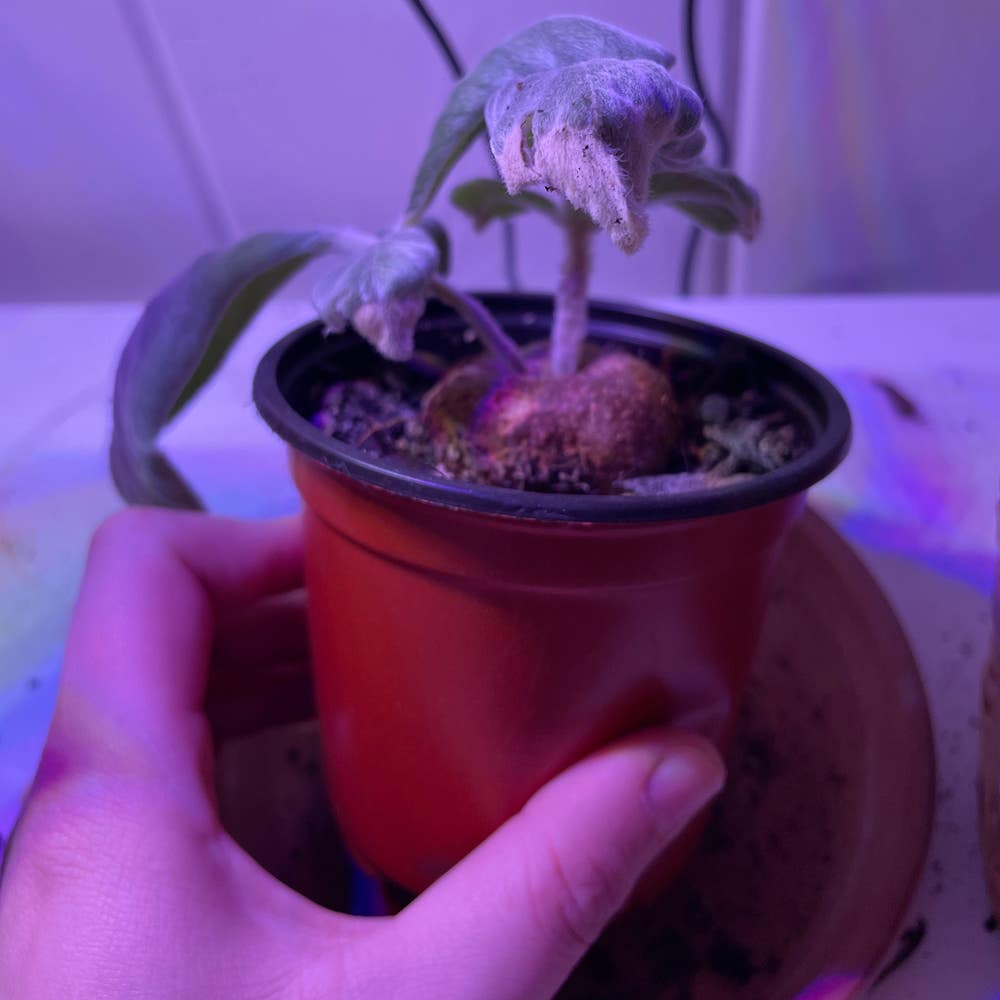
When planting, ensure the tubers are placed 1-2 inches deep in the soil. This depth helps protect them while allowing for proper growth.
💧 Watering Guidelines
Watering is a critical aspect of Gloxinia care. Check the top inch of soil; if it feels dry, it's time to water. Be cautious not to overwater, as this can lead to root issues.
Always water at the base of the plant. This method helps prevent leaf rot by keeping the foliage dry.
🌼 Fertilizing Schedule
For optimal growth, use a balanced, water-soluble fertilizer, such as a 20-20-20 mix. This will provide the necessary nutrients for your Gloxinia.
Fertilize every 4-6 weeks during the growing season to keep your plant thriving. Regular feeding supports vibrant blooms and lush foliage.
✂️ Pruning and Ongoing Care
Deadheading is a simple yet effective way to encourage new blooms. Remove spent flowers promptly to promote continuous flowering.
Additionally, keep the leaves clean by wiping them with a damp cloth. This practice removes dust and enhances photosynthesis, helping your Gloxinia flourish.
With these tips, you're well on your way to growing a stunning Gloxinia. Next, let's explore how to propagate this beautiful plant!
Propagation
🌱 Seed Propagation
Sowing seeds is a straightforward way to propagate Gloxinia. Start by placing seeds on the surface of moist soil and lightly covering them with a thin layer of soil.
Timing is crucial for successful germination. Aim to sow seeds in spring when temperatures are warm, as this creates the ideal environment for growth.
🍃 Leaf Cuttings
Another effective method is using leaf cuttings. Select healthy leaves, cut them into sections, and place these sections in moist soil to encourage rooting.
Keep the soil consistently moist Gloxiniahis process, which typically takes about 2-4 weeks for roots to develop.
🥔 Division of Tubers
Dividing tubers is a more advanced propagation technique. This should be done in early spring, just before new growth begins, to ensure the best results.
When dividing, carefully separate the tubers, making sure each piece has roots attached. This method can rejuvenate your plants and promote healthier growth.
Gloxiniase propagation techniques, you can expand your Gloxinia collection and enjoy their beauty even more. Next, let’s explore the lifecycle of these vibrant plants.
Lifecycle
🌱 Lifecycle Stages
Gloxinia goes through several distinct stages in its lifecycle.
Germination: Seeds sprout in 10-14 days when conditions are just right.
Seedling Stage: True leaves begin to develop within 3-4 weeks, marking the plant's first growth.
Vegetative Growth: This phase sees rapid leaf growth over several weeks, as the plant establishes itself.
Flowering: Expect beautiful blooms to appear 8-12 weeks after planting, showcasing the plant's vibrant colors.
Seed Production: If pollination occurs, seeds can be harvested after flowering, allowing for future generations.
⏳ Lifespan
Gloxinia is typically a perennial, meaning it can thrive for several years with the right care.
Growth Timeline: Under ideal conditions, it reaches full maturity in about 3-4 months.
Growth Speed: The growth rate is moderate, influenced by factors like care and environmental conditions.
Understanding these lifecycle stages and lifespan can help you provide the best care for your Gloxinia, ensuring it flourishes in your home or garden.
As we explore the next section, we’ll delve into the size of Gloxinia and what to expect as it matures.
Size
Mature Height and Spread 🌱
Gloxinia plants typicalGloxinia a height of 12-18 inches and spread about 12-15 inches wide. During their peak growth, they can grow at a moderate rate of 1-2 inches per week.
Size Variability 📏
The size of your Gloxinia can vary based on several factors.
Light 💡
Providing more light can encourage taller growth, while insufficient light may result in leggy plants.
Water 🚰
Consistent moisture is key for healthy growth; drought stress can stunt their size significantly.
NutrientsFlorist Gloxiniatilization supports robust growth, while nutrient deficiencies can limit the overall size of your plants.
Understanding these factors will help you cultivate thriving Gloxinia that not only look great but also flourish in your space.
Roots
Root System Characteristics 🌱
Gloxinia features a fibrous root system that is essential for its growth. Typically, these roots extend 6-12 inches deep and spread widely, allowing the plant to absorb nutrients effectively.
Common Root-Related Issues ⚠️
One of the most common problems is root rot, which occurs due to overwaterGloxinias condition causes the roots to become mushy and dark, leading to potential plant death.
Another issue is being rootbound, which happens when the roots fill the pot. You can identify this by observing roots growing out of the drainage holes.
Visual Cues for Healthy vs. Unhealthy Roots 👀
Healthy roots are firm, white, and spread throughout the soil, indicating a thriving plant. In contrast, unhealthy roots appear dark, mushy, or may even emit a foul smell, signaling rot.
SolutioGloxiniaoot Problems 🛠️
If your Gloxinia is rootbound, consider repotting it into a larger pot with fresh soil.
To prevent root rot, allow the soil to dry slightly between waterings, ensuring your plant remains healthy and vibrant.
With proper care, you can keep your Gloxinia's roots in excellent condition, setting the stage for beautiful blooms and lush foliage.
Next, let’s explore the benefits of growing Gloxinia and how it can enhance your indoor or outdoor space.
Benefits
Aesthetic Appeal 🌺
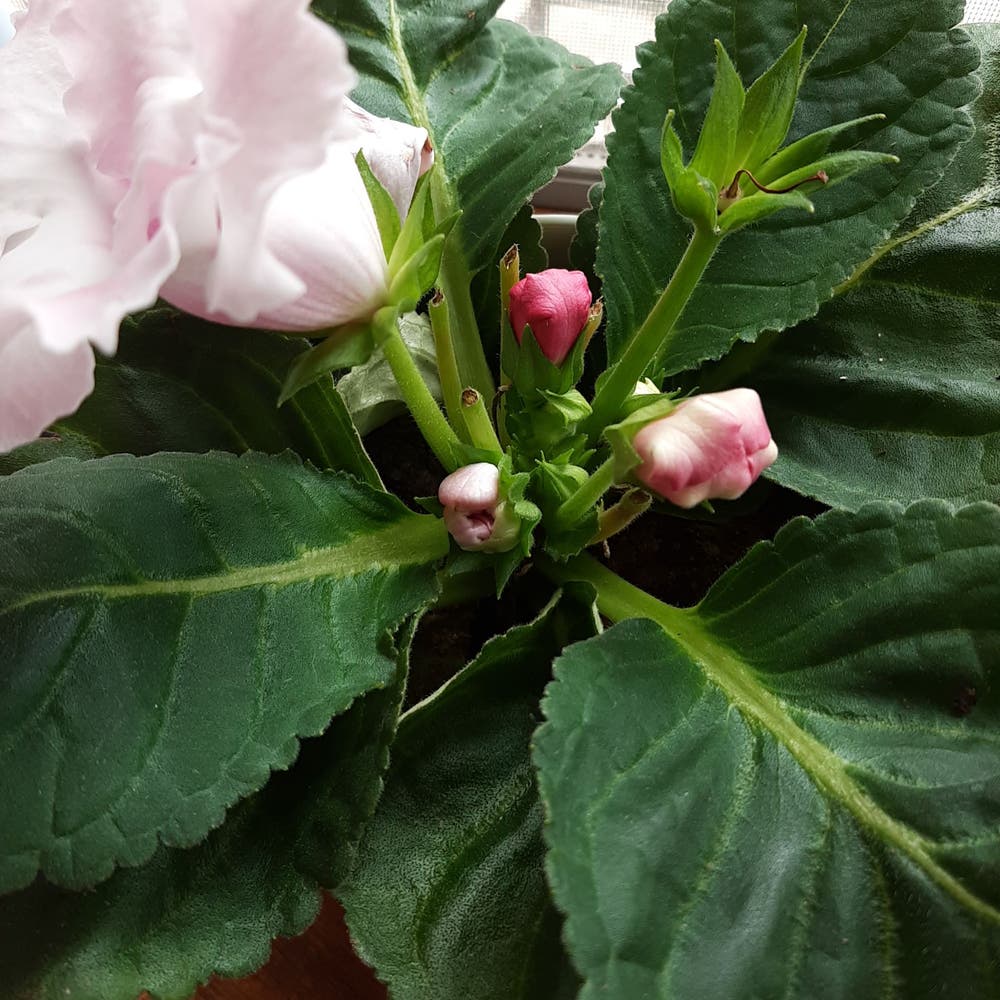
Florist Gloxinia is a showstopper in any setting. Its vibrant flowers and lush foliage can tranGloxiniath indoor and outdoor spaces into stunning displays of color.
Air Purification Properties 🌬️
Not only is Gloxinia beautiful, but it also contributes to a healthier environment. This plant can help improve indoor air quality by filtering out pollutants, making your space feel fresher.
Symbolism ❤️
In various cultures, Gloxinia represents love and beauty. It's often gifted on special occasions, adding a meaningful touch to celebrations.
Therapeutic Benefits 🧘♀️
Gardening with Gloxinia isGloxinia about aesthetics; it can also be therapeutic. Engaging with plants like Gloxinia can reduce stress and promote mental well-being, offering a calming escape from daily life.
Attracting Pollinators 🐝
The flowers of Gloxinia are not just for show; they attract bees and butterflies. This not only enhances the beauty of your garden but also supports local biodiversity, making your green space a haven for pollinators.
With these benefits in mind, it's clear that incorporating Gloxinia into your home or garden can enrich your life in multiple ways. Next, let’s explore the best companion plants to pair with Gloxinia for optimal growth and health.
Companion Plants
🌱 CoGloxiniaPlanting Benefits
Companion planting is a fantastic strategy for enhancing your garden's health and productivity. By pairing plants that support each other, you can improve growth, deter pests, and create a more diverse ecosystem.
🌼 Best Companion Plants
When selecting companions for your Gloxinia, consider plants with similar care needs. African violets, ferns, and begonias thrive alongside Gloxinia, sharing similar light and moisture requirements.
- Pest Management: Marigolds are excellent companions as they repel harmful insects, keepiGloxiniaGloxinia safe and thriving.
🚫 Plants to Avoid
While many plants can coexist peacefully, some should be kept at a distance. Heavy feeders like tomatoes compete for nutrients and can hinder the growth of your Gloxinia.
By choosing the right companions, you can create a vibrant and healthy garden space. This thoughtful approach not only benefits your Gloxinia but also enhances the overall beauty and resilience of your garden.
Next, let’s explore the fascinating world of Gloxinia’s toxicity to humans and pets.
ToxicitGloxiniaans
Safety Overview 🌿
Florist Gloxinia is generally safe for humans, as it is not classified as toxic by major poison control centers.
However, excessive contact with the plant may lead to mild skin irritation, and ingesting large quantities could cause digestive discomfort.
Caution ⚠️
It's always wise to exercise caution with any plant. If you experience unusual symptoms after contact or ingestion, seek medical advice promptly.
By staying informed and cautious, you can enjoy the beauty of Gloxinia without worry.
Toxicity to Dogs
Safety Overview 🐶
Florist Gloxinia is generally safe for dogs, as it is not listed as toxic by major pet poison control centers. However, if your furry friend decides to munch on the leaves, it could lead to mild gastrointestinal upset.
Tips for Pet Owners 🐾
To keep your Gloxinia safe from curious canines, place it out of reach. Always monitor your dog's behavior around new plants to ensure they don't nibble on anything they shouldn't.
By taking these precautions, you caGloxiniathe beauty of your Gloxinia while keeping your dog healthy and happy.
Toxicity to Cats
Safety Overview 🐱
Florist Gloxinia is considered safe for cats according to major pet poison control centers. This means you can enjoy these beautiful plants without worrying about your feline friends.
Minor Issues 🐾
While not toxic, excessive consumption of Gloxinia may cause mild gastrointestinal upset in cats. It's always best to keep an eye on your pets and their interactions with plants.
Tips for Cat Owners 🏡
To ensure a harmonious home, keep Gloxinia plants elevated and out of reach of curious paws. Monitoring your cat's behavior around new plants can also help prevent any potential issGloxiniaith these precautions, you can enjoy the vibrant beauty of Gloxinia while keeping your furry companions safe.
Problems
Common Problems 🌱
Growing Gloxinia can be a rewarding experience, but it comes with its share of challenges.
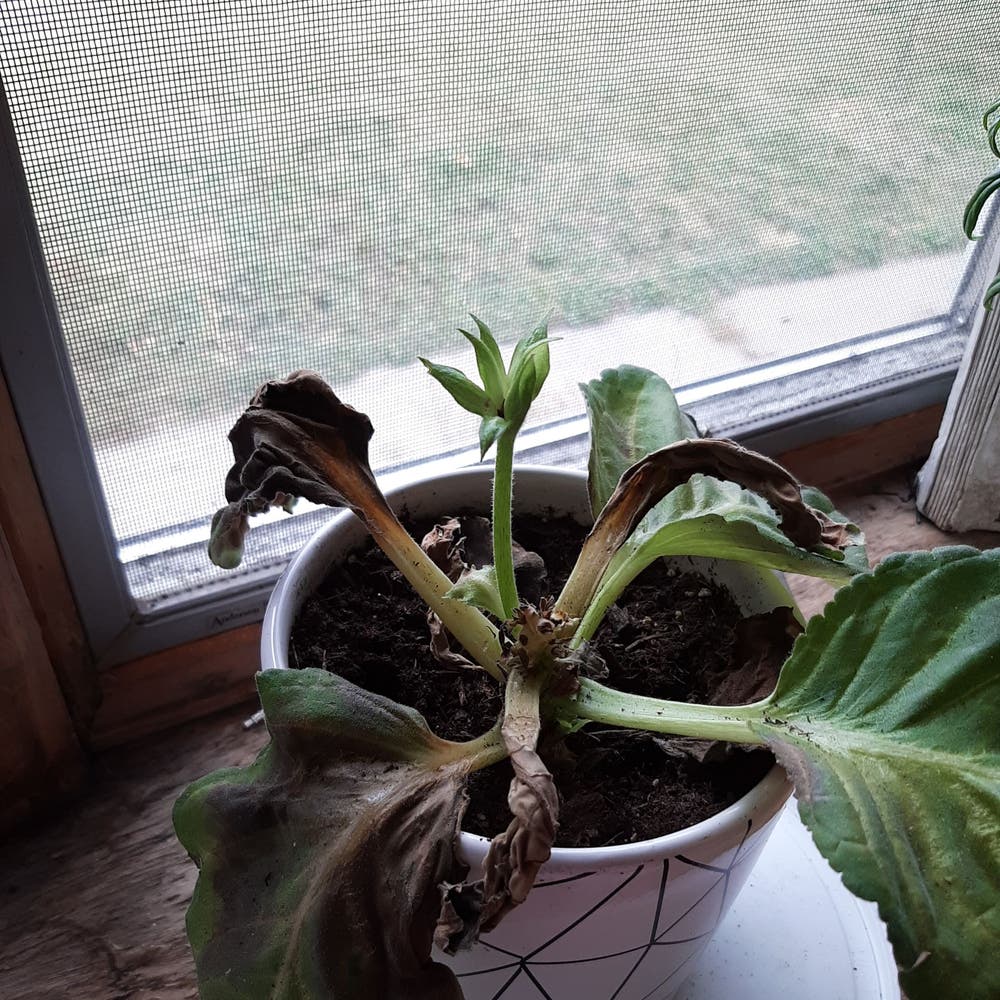
Incorrect watering is a frequent issue; overwatering leads to root rot, while underwatering results in wilting.
Incorrect light conditions can also be problematic. Too much direct sunlight causes leaf scorch, while insufficient light leads to leggy growth.
Diseases like powdery mildew and black rot thrive in humid conditions, posing a risk to your plants.
Root problems can arise as well. Signs of root rot include mushy roots, while rootbound plants will need repotting to thrive.
Leaf issues such as scorching, yellowing, and fuzzy growth often indicate environmental stress.
Symptoms and Causes 🔍
Identifying symptoms early can save your Gloxinia.
Common indicators include wilting, discoloration, and stunted growth.
These symptoms are often linked to improper care practices, such as inconsistent watering or inadequate light.
Solutions 💡
Fortunately, many problems have straightforward solutions.
Start by adjusting your watering practices; ensure the soil dries slightly between waterings to prevent rot.
Improving light conditions can also make a significant difference; aim for bright, indirect sunlight.
Lastly, treat any diseases promptly to keep your Gloxinia healthy and vibrant.
With a little attention, you can overcome these challenges and enjoy the beauty of your Gloxinia for years to come.
Bugs
🐜 Common Pests
Gloxinia can attract several pests that may threaten its health.
- Spider mites: Look for tiny webs and stippled leaves; these pests can be treated effectively with insecticidal soap.
- Scale insects: TheyGloxinia sticky residue and cause yellowing leaves; manual removal or horticultural oil can help eliminate them.
- Mealybugs: Identified by their white, cotton-like masses, these pests can be treated with neem oil or rubbing alcohol.
- Aphids: Small green or black insects that can be controlled using insecticidal soap or by introducing natural predators.
🔍 Identification and Damage
Early detection is key to preventing severe damage from pests.
Keep an eye out for unusual signs like discoloration, wilting, or webbing. These symptoms often indicate an infestation that needs immediate attention.
🧪 Treatment Options
Addressing pest issues can involve both organic and chemical treatments.
Maintain your Gloxinia's health through proper care, as a strong plant is less likely to attract pests. Regular monitoring and prompt action can keep your plant thriving and pest-free.
What Eats
🦌 Common Animals
Gloxinia can attract a variety of garden visitors, some of which may cause damage.
- Deer: Look for chewed leaves and broken stems; fencing or repellents can help keep them at bay.
- Rabbits: If you notice clipped leaves, these furry friends might be the culprits. Barriers or repellents are effective deterrents.
- Squirrels: They may dig in pots, so using netting can protect your plants.
- Birds: Pecking at flowers is a common issue; reflective objects can scare them off.
- Rodents: Signs like gnawed stems indicate their presence. Traps and natural repellents can help manage these pests.
🔍 Signs of Damage
Identifying signs of animal damage is crucial for protecting your Gloxinia.
Look for physical damage such as missing leaves or broken stems. Droppings can also indicate which animals are visiting your garden.
🚫 Deterrent Methods
Preventing damage from these animals can be achieved through various methods.
Both chemical and organic solutions can be effective. Additionally, consider companion planting to create a more resilient garden ecosystem that naturally deters pests.
By staying vigilant and proactive, you can enjoy the beauty of your Gloxinia without unwanted visitors.
⚠️ Safety First
This content is for general information and may contain errors, omissions, or outdated details. It is not medical, veterinary advice, or an endorsement of therapeutic claims.
Always consult a qualified healthcare professional before using any plant as food, medicine, or supplement.
Never eat any plant (or feed one to pets) without confirming its identity with at least two trusted sources.
If you suspect poisoning, call Poison Control (800) 222-1222, the Pet Poison Helpline (800) 213-6680, or your local emergency service immediately.
Spotted an error? Please report it here.
Ensure your Gloxinia blooms beautifully 🌺 by using Greg's tailored watering reminders and humidity tips for thriving plants!