The Best Pollinators for Your Gloxinia 🐝
Sinningia speciosa
By the Greg Editorial Team
Nov 23, 2024•6 min read
This article was created with the help of AI so we can cover more plants for you. May contain errors. See one? Report it here.
Unlock the secrets of Gloxinia's stunning flowers 🌸 to boost pollination success and elevate your garden's beauty!
- 🌼 Gloxinia flowers attract bees, butterflies, and hummingbirds for effective pollination.
- 🌱 Self-pollination ensures reproduction, while cross-pollination enhances genetic diversity.
- 🌍 Creating a pollinator-friendly garden boosts Gloxinia growth and supports ecosystem health.
Gloxinia Flower Structure
🌸 Description of Flower Anatomy
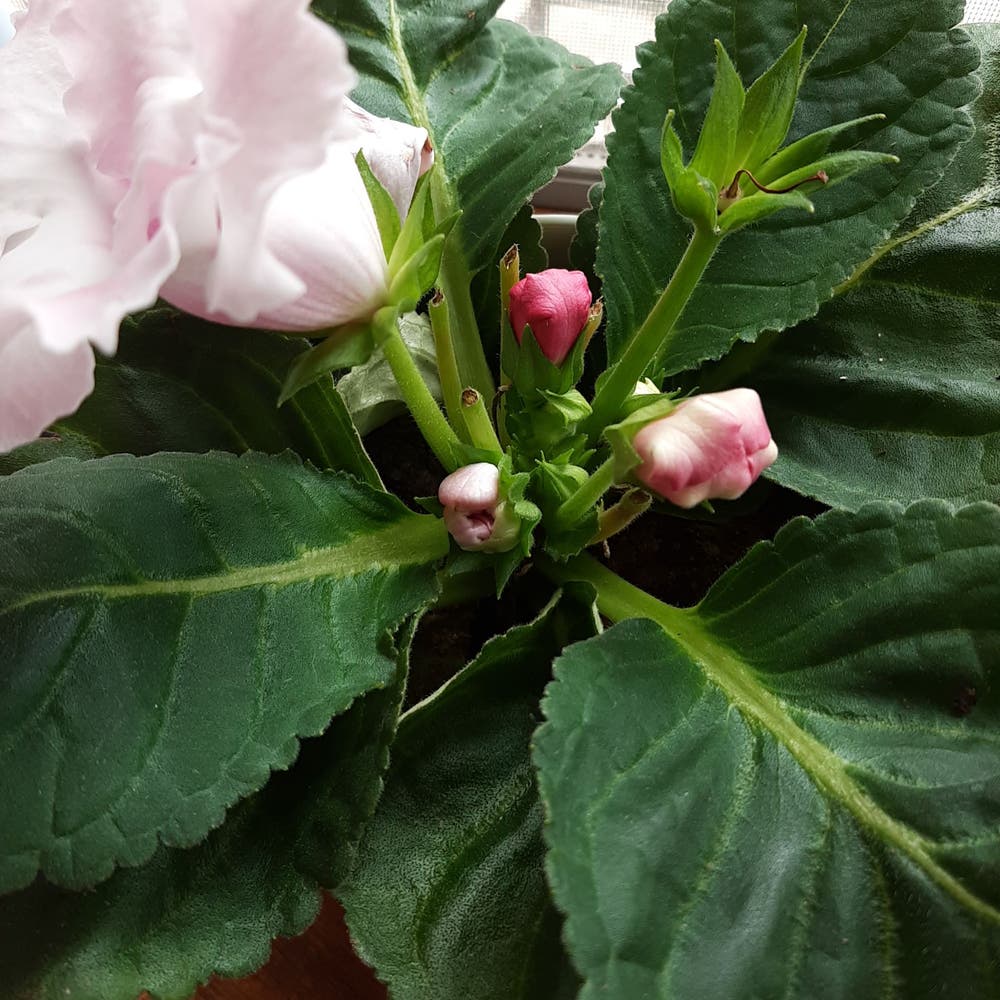
Gloxinia flowers are a visual delight, boasting brightly colored petals that often feature intricate patterns. This vibrant design not only captivates the eye but also facilitates easy access for pollinators.
The sepals, which are green and leaf-like, serve a protective role, safeguarding the flower bud until it is ready to bloom. Within the flower, the stamens act as the male reproductive parts, diligently producing pollen, while the pistils function as the female reproductive parts, ready to receive pollen for fertilization.
🐝 Role of Flower Structure in Pollination
Gloxinia has a fascinating ability to self-pollinate. The close proximity of the stamens and pistils allows pollen to easily transfer, ensuring reproduction even in the absence of pollinators.
However, cross-pollination is equally important. The flower's tubular shape and striking colors attract specific pollinator species, which not only aids in pollen transfer but also enhances genetic diversity among Gloxinia plants. This diversity can lead to stronger, more resilient offspring, making it a win-win for both the plant and its pollinators.
As we explore the pollination process further, understanding these structural nuances will illuminate how Gloxinia thrives in various environments.
Pollination Process
Self-Pollination Mechanism 🌼
Gloxinia flowers have a fascinating self-pollination mechanism. Pollen from the stamens naturally falls onto the pistil, leading to fertilization without the need for external help.
While self-pollination ensures reproduction, cross-pollination can produce stronger offspring. This genetic diversity enhances the resilience of Gloxinia plants, making them more robust in various environments.
Cross-Pollination and Primary Pollinators 🐝
Cross-pollination is vital for Gloxinia, and several key pollinators play a role in this process.
Bees
Bees are attracted to the vibrant colors and sweet scents of Gloxinia flowers. As they collect nectar, they inadvertently transfer pollen from one flower to another, facilitating fertilization.
Butterflies
Butterflies also contribute to pollination by landing on flowers to feed. Their delicate movements help spread pollen, ensuring the continuation of Gloxinia's life cycle.
Moths
Active at night, moths are drawn to the fragrant blooms of Gloxinia. Their nocturnal visits are crucial for pollination, especially in warmer climates.
Hummingbirds
Hummingbirds are particularly attracted to the tubular shape of Gloxinia flowers. As they sip nectar, they assist in pollen transfer, making them essential partners in the pollination process.
Understanding these pollinators and their roles can help you appreciate the intricate relationships that sustain Gloxinia plants. Next, we’ll explore the natural mechanisms of pollen transfer and how environmental factors influence pollination success.
Natural Pollination
🌬️ Mechanisms of Pollen Transfer
Natural pollination is a fascinating process that relies heavily on wind and insect activity. Pollen moves from flower to flower, ensuring that Gloxinia plants can reproduce effectively.
Pollination is crucial for the reproduction of Gloxinia, enhancing genetic diversity and resilience. This process boosts seed production, allowing for a wider variety of Gloxinia plants to thrive.
🌼 Seasonal Variations in Pollination
Pollination activity peaks during the warmer months when pollinators are most active. This is the time when Gloxinia flowers are likely to receive the most attention from bees, butterflies, and other pollinators.
Environmental factors, such as temperature and humidity, play a significant role in pollination success. Fluctuations in these conditions can either enhance or hinder the effectiveness of pollinators, impacting the overall health of Gloxinia populations.
As we explore the next section on hand pollination techniques, consider how you can support these natural processes in your garden.
Hand Pollination Techniques
Hand pollination can be a rewarding way to ensure the successful fertilization of your Gloxinia flowers. Here’s a straightforward guide to help you navigate the process.
📝 Step-by-Step Instructions
Identify Male and Female Flower Parts:
Start by locating the stamens, which are the male parts, and the pistils, the female parts, within the flower. This is crucial for effective pollination.Collecting Pollen:
Gently tap or brush the stamens to release pollen. You can collect this pollen on a clean surface or directly onto a small brush for easy transfer.Transferring Pollen:
Carefully apply the collected pollen to the stigma of the pistil. This step is vital for initiating the fertilization process.Timing:
Perform this task in the morning when the flowers are fully open. This ensures that the flower is at its most receptive.
🌱 Ensuring Successful Fertilization
After pollination, keep an eye on the flower for seed pod development. Monitoring this process will confirm whether fertilization was successful, allowing you to enjoy the fruits of your labor.
Hand pollination not only enhances your Gloxinia’s reproductive success but also deepens your connection with these beautiful plants. As you engage in this process, you’ll gain a greater appreciation for the intricate dance of nature.
Next, let’s explore how to support pollinators in your garden, ensuring a thriving ecosystem for your Gloxinia and other plants.
Supporting Pollinators
🌼 Creating a Pollinator-Friendly Environment
To attract a variety of pollinators, plant native flowers that bloom at different times throughout the growing season. This ensures a continuous food source for bees, butterflies, and other beneficial insects.
Maintaining a pesticide-free garden is crucial. Pesticides can harm pollinators, so opt for natural pest control methods to protect these essential creatures.
🌱 Recommended Companion Plants
Consider adding marigolds to your garden. Their bright colors are irresistible to bees and butterflies, making them a fantastic addition.
Lavender is another excellent choice. Its fragrant flowers not only smell delightful but also attract a diverse range of pollinator species.
Coneflowers are a must-have as well. They provide ample nectar and pollen, making them a favorite among bees and butterflies alike.
By creating a welcoming environment for pollinators and choosing the right companion plants, you can enhance the health and productivity of your Gloxinia. This not only supports your garden but also contributes to the broader ecosystem.
Next, let’s explore the challenges that can hinder successful pollination and how to overcome them.
Pollination Challenges
Common Obstacles to Successful Pollination 🌪️
Pollination can be tricky for Gloxinia plants due to several common obstacles. Environmental factors like extreme temperatures, low humidity, and insufficient sunlight can significantly hinder pollinator activity.
Additionally, the lack of pollinators is a pressing issue. Urban areas or gardens dominated by a single crop often fail to support diverse pollinator populations, making it harder for Gloxinia to thrive.
Solutions for Overcoming Challenges 💪
Fortunately, there are effective strategies to enhance pollination success. Start by creating a diverse planting scheme that attracts various pollinator species. This not only benefits your Gloxinia but also supports the local ecosystem.
During periods of low pollinator activity, consider using artificial pollination techniques. This proactive approach ensures that your plants still have a chance to reproduce.
Finally, keep an eye on environmental conditions. Adjusting your care practices based on temperature and humidity can optimize Gloxinia growth and improve pollination outcomes.
By addressing these challenges, you can cultivate a flourishing environment for your Gloxinia and its pollinators. Next, let’s explore how to support these vital pollinators in your garden.
⚠️ Safety First
This content is for general information and may contain errors, omissions, or outdated details. It is not medical, veterinary advice, or an endorsement of therapeutic claims.
Always consult a qualified healthcare professional before using any plant as food, medicine, or supplement.
Never eat any plant (or feed one to pets) without confirming its identity with at least two trusted sources.
If you suspect poisoning, call Poison Control (800) 222-1222, the Pet Poison Helpline (800) 213-6680, or your local emergency service immediately.
Spotted an error? Please report it here.
Boost your Gloxinia's growth by attracting essential pollinators with Greg's customized care tips 🌼, ensuring your garden thrives and flourishes!