🌸 Gloxinia Buds Falling off
Sinningia speciosa
By the Greg Editorial Team
Nov 23, 2024•6 min read
This article was created with the help of AI so we can cover more plants for you. May contain errors. See one? Report it here.
Ensure your Gloxinia blooms beautifully 🌼 by mastering the art of preventing premature flower drop with these simple strategies!
- 🌱 Environmental stress and nutrient deficiencies cause Gloxinia buds to fall off.
- 🌡️ Stable temperature and humidity are crucial for preventing premature bud drop.
- 💧 Proper watering balance is essential; both overwatering and underwatering can stress Gloxinia.
Premature Flower Drop
🌪️ Causes of Premature Flower Drop
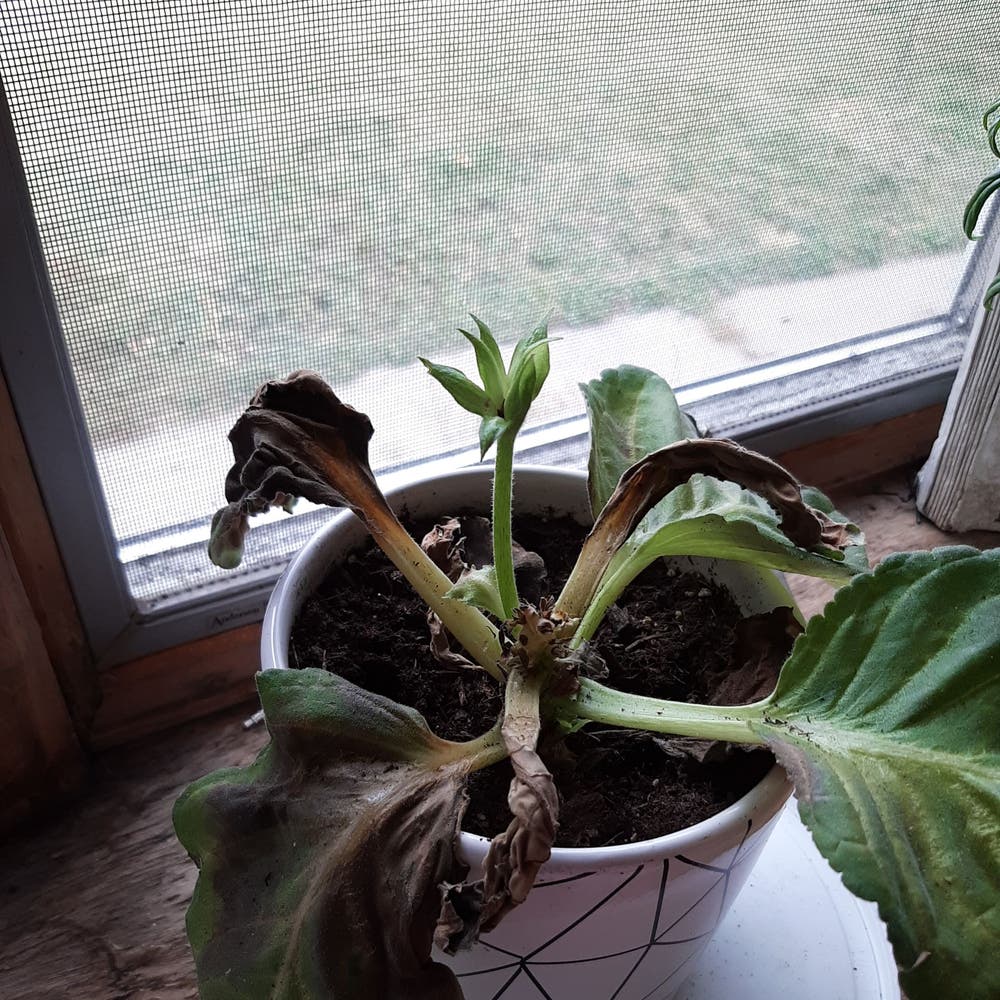
Premature flower drop in Gloxinia can be frustrating, but understanding its causes is the first step to prevention.
Environmental Stress
Sudden changes in temperature or humidity levels can shock your plant, leading to dropped buds. Gloxinia thrives in stable conditions, so keep an eye on your environment.
Nutritional Deficiencies
A lack of essential nutrients can weaken flower structures, making them more prone to falling off. Ensure your plant receives a balanced diet to support healthy blooms.
Overwatering or Underwatering
Both overwatering and underwatering can stress your Gloxinia, resulting in bud drop. It's crucial to find the right balance in your watering routine.
Pests and Diseases
Infestations or infections can weaken your plant, causing premature flower drop. Regular monitoring for pests and diseases is essential for maintaining plant health.
🛠️ Solutions to Prevent Flower Drop
Preventing premature flower drop involves a few key strategies that are easy to implement.
Maintain Consistent Humidity Levels
Aim for humidity levels between 50-70%. This range helps keep your Gloxinia happy and healthy.
Adjust Watering Practices
Ensure the soil is moist but not soggy. Allow the top inch of soil to dry out before watering again to prevent stress.
Fertilize Appropriately
Use a balanced fertilizer during the growing season to provide essential nutrients. This will support strong flower development and overall plant health.
Monitor for Pests
Regularly inspect your Gloxinia for signs of pests. Treat any infestations promptly with appropriate methods to prevent further damage.
By addressing these factors, you can significantly reduce the chances of premature flower drop and enjoy a flourishing Gloxinia. Next, let’s explore the common reasons your Gloxinia might fail to bloom altogether.
Failure to Bloom
🌼 Common Reasons for Lack of Blooms
Gloxinia plants can be a joy to grow, but sometimes they just won't bloom. One major reason is insufficient light; these beauties thrive in bright, indirect sunlight for optimal flowering.
Another culprit could be a nutrient imbalance. Specifically, a lack of phosphorus can significantly hinder bloom production, leaving your plant looking less than its best.
Temperature also plays a crucial role. Gloxinia prefers a cozy environment, ideally between 20°C to 25°C (68°F to 77°F). If the temperature fluctuates too much, it can stress the plant and prevent blooming.
🌱 Steps to Encourage Blooming
If your Gloxinia isn't blooming, don't worry—there are simple steps you can take to encourage those beautiful flowers to emerge.
Adjust light exposure: Move your plant to a brighter spot where it can soak up filtered light. This small change can make a big difference.
Fertilize with a bloom booster: Use a fertilizer high in phosphorus, like a 5-10-5 mix, during the growing season. This will give your Gloxinia the nutrients it needs to produce vibrant blooms.
Ensure proper temperature: Keep your plant in a stable environment, avoiding drafts and extreme temperature changes. A consistent temperature will help your Gloxinia feel at home and ready to bloom.
By following these steps, you can help your Gloxinia flourish and enjoy its stunning flowers. Next, let’s explore how environmental factors, like light and nutrition, can further impact flowering.
Abnormal Flower Development
🌼 Identifying Abnormal Flower Growth
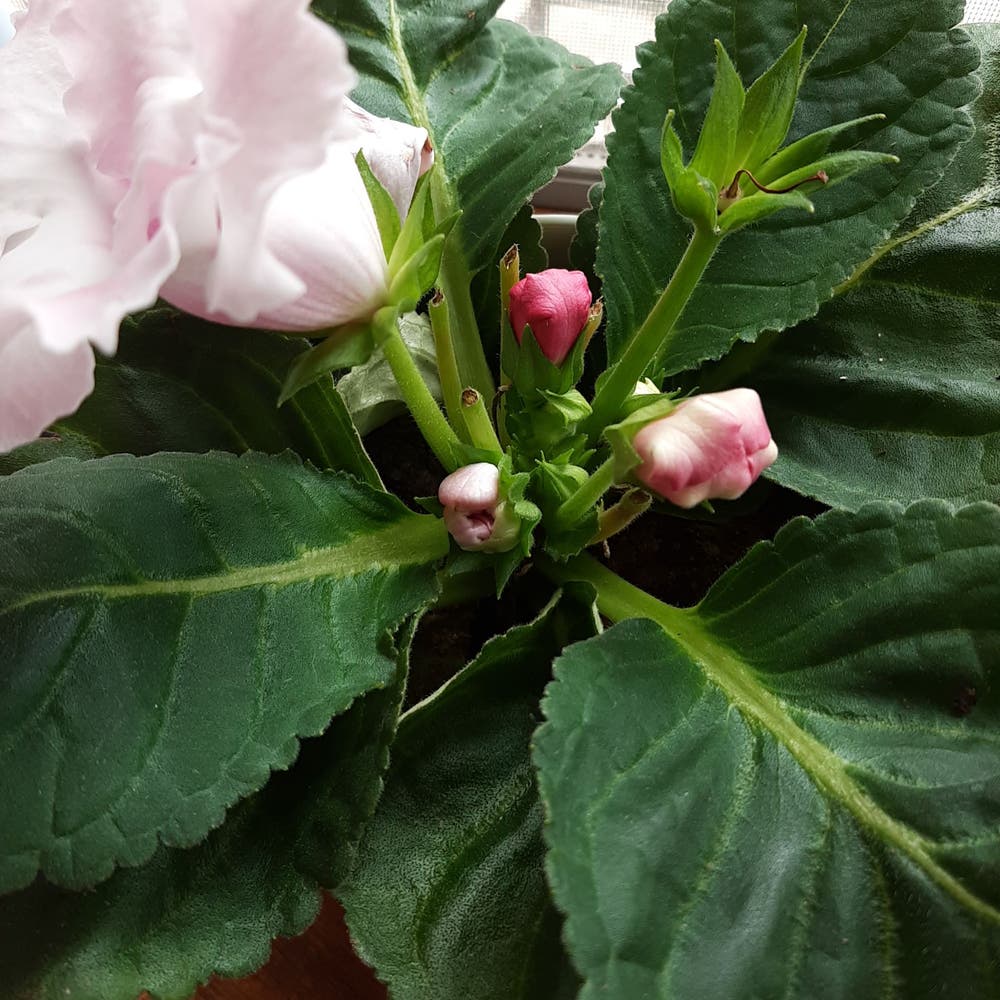
Abnormal flower growth in Gloxinia can manifest as misshapen, discolored blooms, or flowers that stubbornly refuse to open fully. These issues often stem from nutrient deficiencies, improper light exposure, or pest damage.
🛠️ Remedies for Abnormal Flower Development
To tackle these problems, start by assessing and adjusting the light conditions. Gloxinia thrives in bright, indirect light, so ensure your plant is positioned to receive adequate illumination.
Next, consider fertilizing with a balanced nutrient mix. Regular feeding can help correct any deficiencies that may be affecting flower development.
Finally, don't forget to inspect for pests. If you spot any infestations, treat them immediately to prevent further damage and ensure your Gloxinia can flourish.
By addressing these factors, you can encourage healthy flower development and enjoy the vibrant blooms your Gloxinia is capable of producing. Now, let’s explore how environmental factors can further influence flowering.
Environmental Factors Affecting Flowering
Light Requirements 🌞
Light is crucial for Gloxinia, as it fuels photosynthesis and drives flower production. Without adequate light, your plant may struggle to bloom, leading to disappointment.
To optimize blooms, adjust light exposure by using sheer curtains. This diffuses direct sunlight, protecting leaves from scorching while still providing the brightness Gloxinia craves.
Nutritional Needs 🍽️
Gloxinia thrives on essential nutrients, particularly nitrogen, phosphorus, and potassium. These elements are vital for healthy growth and vibrant flowers.
For best results, fertilize your Gloxinia every 4-6 weeks during the growing season. A balanced fertilizer will ensure your plant receives the nutrients it needs to flourish.
Pruning Techniques ✂️
Pruning plays a significant role in encouraging flowering. By removing dead or yellowing leaves and spent flowers, you promote bushier growth and more blooms.
To effectively prune Gloxinia, focus on cutting back any unhealthy foliage. This practice not only enhances the plant's appearance but also stimulates new growth, leading to a more robust flowering display.
With the right light, nutrition, and pruning techniques, your Gloxinia can thrive and produce stunning blooms. Next, let’s explore the common pests and diseases that can affect these beautiful flowers.
Pests and Diseases
🐜 Common Pests Affecting Gloxinia Flowers
Gloxinia plants can fall victim to several pests, with aphids, spider mites, and thrips being the most common culprits. Look for signs of infestation, such as sticky residue on leaves or fine webbing, which can indicate spider mite activity.
To combat these pests, consider using insecticidal soap or neem oil. Both options are effective and can help protect your Gloxinia without harsh chemicals.
🌼 Disease Symptoms Related to Flowering Issues
Fungal infections can wreak havoc on your Gloxinia, leading to wilting flowers or unsightly leaf spots. If you notice these symptoms, it's crucial to act quickly to prevent further damage.
Bacterial infections present differently, often causing mushy stems and discolored leaves. These signs indicate that your plant is in distress and requires immediate attention.
🛠️ Treatment Options for Pests and Diseases
Implementing integrated pest management (IPM) is key to maintaining healthy Gloxinia plants. This approach combines cultural, biological, and chemical methods for effective pest control.
Regular inspections of your plants are essential. Early detection of pests and diseases can make all the difference in preserving the beauty and health of your Gloxinia.
With a proactive approach to pest and disease management, you can ensure your Gloxinia thrives and produces stunning blooms. Next, let’s explore how environmental factors can influence flowering.
⚠️ Safety First
This content is for general information and may contain errors, omissions, or outdated details. It is not medical, veterinary advice, or an endorsement of therapeutic claims.
Always consult a qualified healthcare professional before using any plant as food, medicine, or supplement.
Never eat any plant (or feed one to pets) without confirming its identity with at least two trusted sources.
If you suspect poisoning, call Poison Control (800) 222-1222, the Pet Poison Helpline (800) 213-6680, or your local emergency service immediately.
Spotted an error? Please report it here.
Keep your Gloxinia thriving and blooming beautifully 🌺 by using Greg's tailored care reminders to ensure optimal watering, nutrition, and environmental conditions!