Why Are My Gloxinia Leaves Curling?
Sinningia speciosa
By the Greg Editorial Team
Jun 18, 2024•4 min read
This article was created with the help of AI so we can cover more plants for you. May contain errors. See one? Report it here.
Unravel the mystery behind your Gloxinia's curling leaves and restore its splendor 🌿✨!
- Heat and water imbalance cause Gloxinia leaves to curl; shade and consistent moisture help.
- Pests and temperatures are culprits too; use targeted sprays and maintain 60F-85F.
- Regular monitoring and environment are key; check for stress signs and provide indirect light.
Spot the Culprit: Identifying Causes of Leaf Curling
🌡️ Too Hot to Handle: Heat Stress and Gloxinia
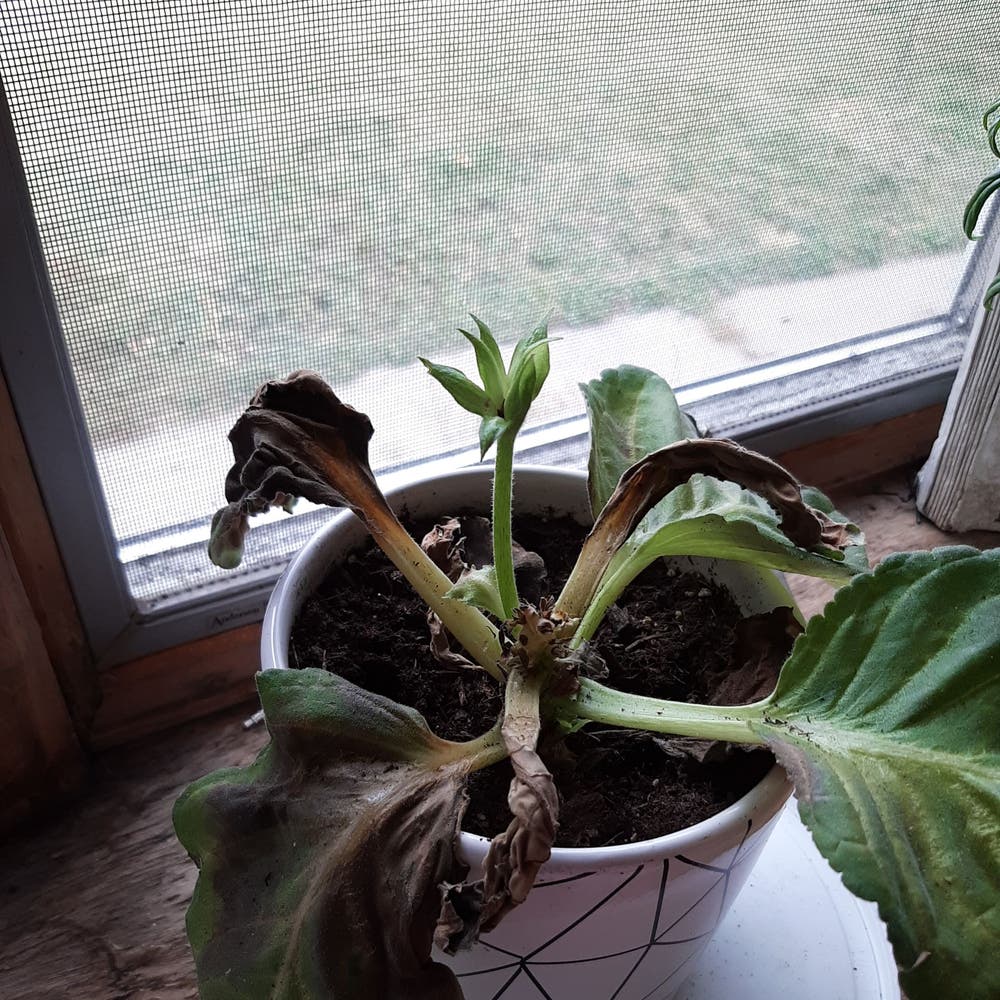
Heat stress can make Gloxinia leaves curl up tighter than a hedgehog in danger. If your plant's leaves resemble a miniature accordion, it might be time to rethink its sunbathing habits. Shade is your friend here—create a light dappled sanctuary to protect those tender leaves from harsh rays.
🚰 Thirsty Roots: The Watering Balancing Act
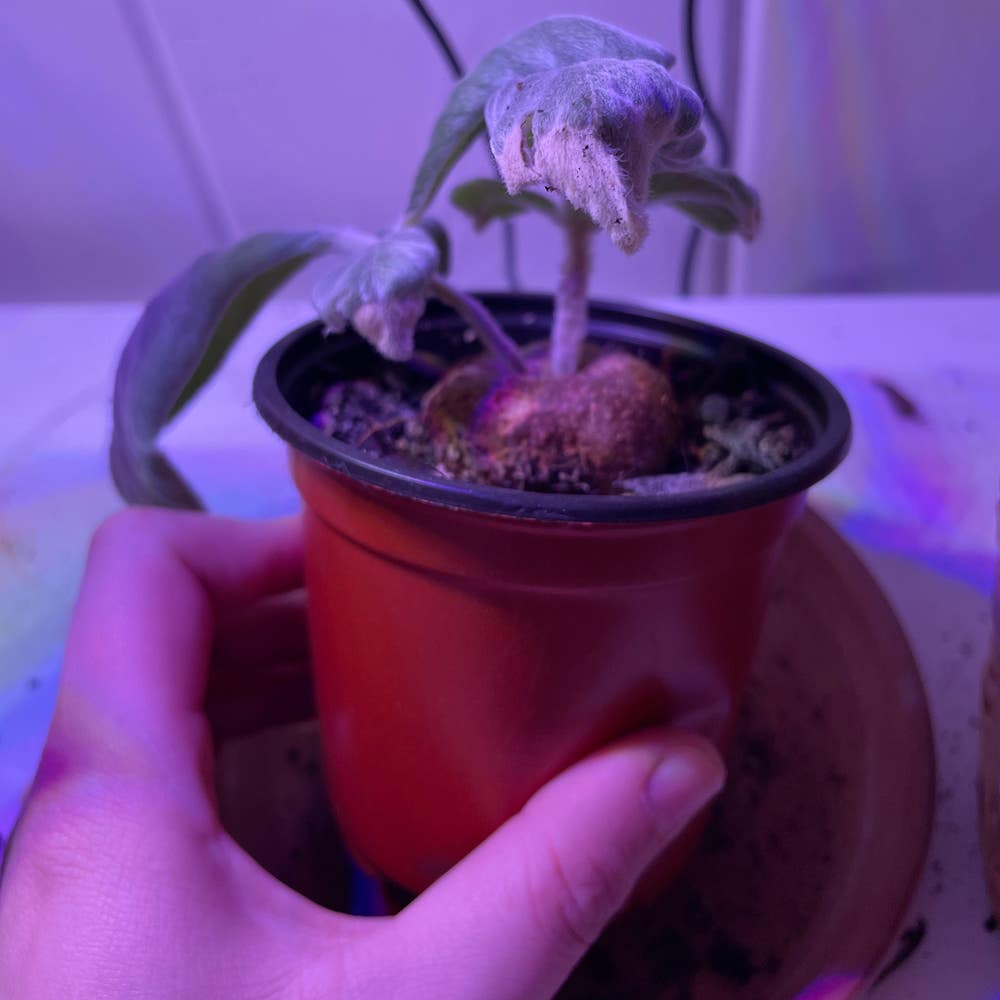
Gloxinia roots aren't fans of aquatic acrobatics. Overwatering turns the soil into a swamp, causing leaves to droop and curl in soggy despair. On the flip side, underwatering leaves them parched, curling upwards as if reaching for a raincloud. Consistency in watering is key; aim for evenly moist soil that's neither a desert nor a deluge.
🐜 Uninvited Guests: Pests That Crave Gloxinia
Pests like thrips can turn your Gloxinia into a leaf-curling horror show. These tiny critters are like uninvited guests who crash your plant's party and refuse to leave. Keep an eye out for light spots or a sticky residue—signs that it's time for pest control. Spot treatment with an appropriate insecticide can send these pests packing without an RSVP.

Turn the Tables: Fixing the Curl
🌡️ Adjusting the Thermostat: Temperature and Humidity Control
Gloxinia thrives when it's not too hot, not too cold. Maintain nighttime temperatures between 60F and 65F (15C and 18C), and daytime temperatures between 75F and 85F (24C and 29C). If your Gloxinia is prematurely blooming, dial the temp down to 52F to 55F (11C to 13C) to slow things down.
Humidity is another piece of the puzzle. Aim for that spring morning feel—comfortable, not clammy. Use a humidifier or a pebble tray to keep the air just right. Remember, it's like tuning an instrument for a symphony of blooms.
💦 Shower Power: Rethinking Watering Techniques
Watering Gloxinia is an art. Regularly water, but don't drown it. Early morning is best, allowing leaves to dry before night. If tap water is harsh, consider filtering or using rainwater. And don't stress about droplets on the leaves—unless it's chilly water, which can spot the foliage.
🩺 Clean Bill of Health: Disease and Pest Eradication
Pests and diseases? Not on our watch. Thrips and mites can turn leaves into a crumpled mess. Use targeted sprays like Pylon, Avid, and Floramite for mites, and Conserve followed by Avid, Talstar, and Sanmite for thrips.
For fungal foes like Gray Mold and Powdery Mildew, keep the air moving. A good airflow helps prevent these unwelcome guests. And don't forget to thin out the canopy to let in light and reduce moisture—your Gloxinia will thank you.

Prevention is Key: Keeping Gloxinia Leaves Happy
🕵️ Routine Checks: Regular Monitoring for Early Signs
Regular monitoring is your first line of defense against Gloxinia grief. During your weekly plant check-up, be a detective. Look for early signs of stress, such as slight leaf curling or color changes. If your Gloxinia's leaves are starting to look like they're plotting a rebellion, it's time to act.
🏡 The Perfect Environment: Crafting a Gloxinia Paradise
Creating the ideal home for your Gloxinia isn't rocket science, but it does require some finesse. Temperature is a diva for these plants; keep it between 19°C and 22°C to avoid drama. Humidity should be just right—not too muggy, not too arid. Think tropical vacation, not desert trek or swamp escapade.
💡 Light and Water: The Dynamic Duo
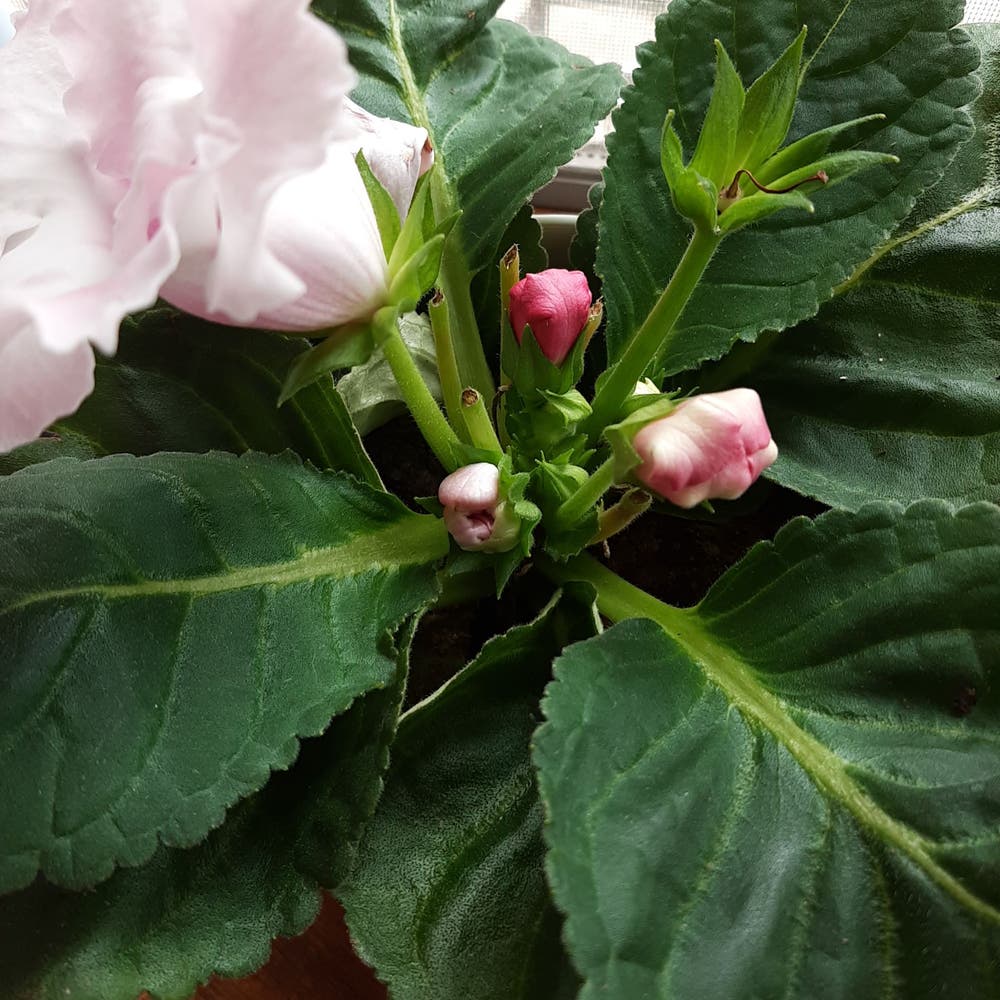
Gloxinia loves the spotlight, but not too direct. Aim for bright, indirect light to keep those leaves strutting their stuff. When it comes to watering, think of it as a tender romance—consistent, but not overbearing. The soil should stay lightly moist, like a well-sponged cake, not a soggy mess.
🧼 Cleanliness is Next to Gloxinialiness
Keep those leaves clean; a gentle wipe with damp cotton wool can work wonders. It's like giving your plant a spa day; it'll thank you with perky, non-curled leaves. Plus, it's a chance to evict any freeloading pests before they get too cozy.
🌱 Repot and Rejoice
Don't forget to give your Gloxinia a fresh start each year with new soil. It's like moving to a new apartment with better amenities for your plant's roots. This annual house move keeps your Gloxinia robust and ready to face the world, leaves uncurled and proud.

⚠️ Safety First
This content is for general information and may contain errors, omissions, or outdated details. It is not medical, veterinary advice, or an endorsement of therapeutic claims.
Always consult a qualified healthcare professional before using any plant as food, medicine, or supplement.
Never eat any plant (or feed one to pets) without confirming its identity with at least two trusted sources.
If you suspect poisoning, call Poison Control (800) 222-1222, the Pet Poison Helpline (800) 213-6680, or your local emergency service immediately.
Spotted an error? Please report it here.
Keep your Gloxinia's leaves unfurled and vibrant 🌺 with Greg's personalized care reminders, ensuring you provide just the right touch of moisture and shade!