3 Outdoor Care Tips for Gloxinia 🌸
Sinningia speciosa
By the Greg Editorial Team
Nov 23, 2024•4 min read
This article was created with the help of AI so we can cover more plants for you. May contain errors. See one? Report it here.
Elevate your gloxinia's beauty 🌸 with essential tips on light, water, and soil care for vibrant blooms! 🌱
- 🌞 Gloxinia thrives in bright, indirect sunlight for 4-6 hours daily.
- 💧 Water when the top inch of soil is dry to prevent overwatering.
- 🌱 Fertilize every 4-6 weeks during growing season for optimal growth.
Sunlight Requirements
Ideal Exposure 🌞
Gloxinia thrives in bright, indirect sunlight. Aim for 4-6 hours of filtered light each day to keep your plant healthy and vibrant.
Adjusting Light Conditions 🌤️
If your gloxinia is exposed to intense sunlight, consider using sheer curtains or shade cloth to soften the light. Keep an eye on the leaves: dark green indicates they're happy, while yellowing leaves may signal too much direct sun.
By ensuring your gloxinia receives the right amount of light, you set the stage for a flourishing plant. Next, let’s dive into the watering needs and techniques to keep your gloxinia hydrated and thriving.
Watering Needs and Techniques
Frequency 🌊
Gloxinia thrives with consistent watering. Aim to water when the top inch of soil feels dry, which typically means every 5-7 days during the growing season.
Techniques 💧
When it comes to watering, use room temperature water for the best results. Always water at the base of the plant to prevent leaf rot, ensuring the foliage stays healthy and vibrant.
Signs of Overwatering and Underwatering 🚨
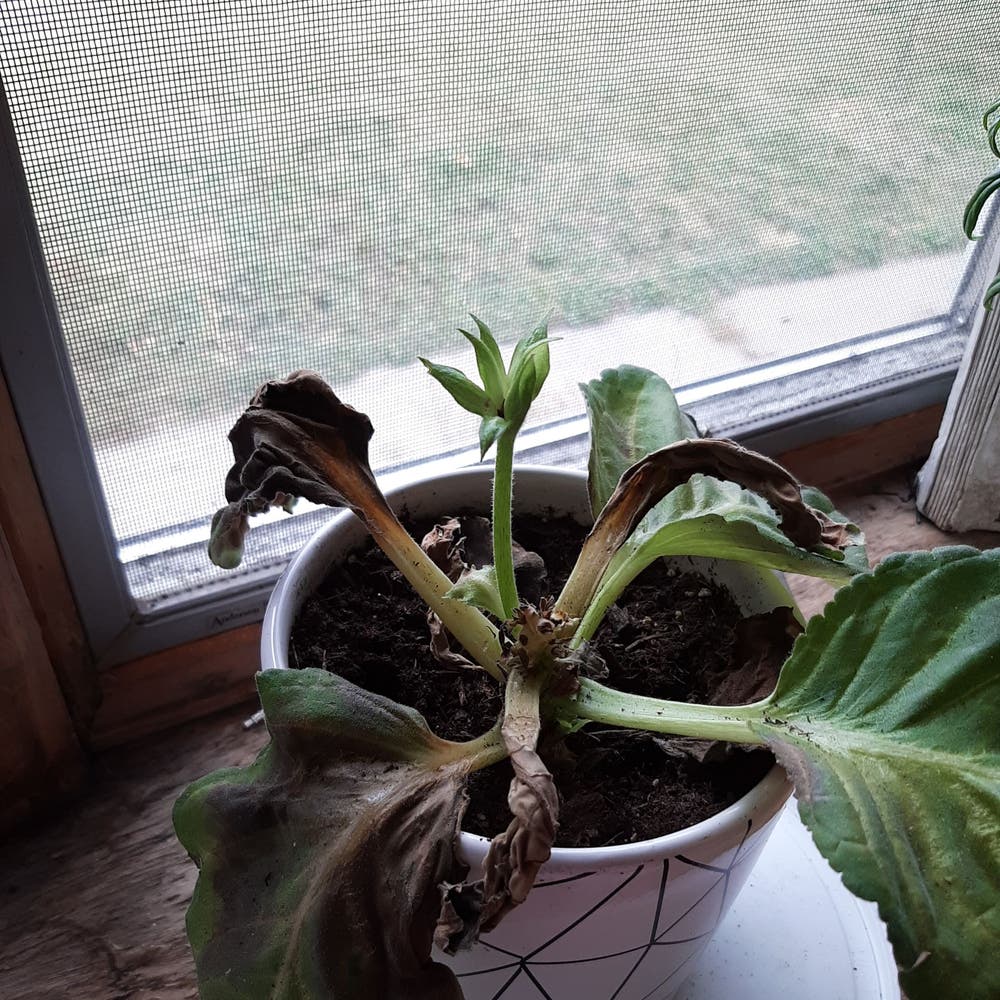
Recognizing the signs of overwatering is crucial. Look out for yellowing leaves, wilting, and root rot as indicators that your plant is getting too much water.
On the flip side, underwatering can also pose problems. If you notice drooping leaves, dry soil, or stunted growth, it’s time to adjust your watering routine.
Understanding these watering needs will help your Gloxinia flourish. With the right care, you’ll enjoy beautiful blooms and lush foliage throughout the growing season.
Next, let’s explore the ideal soil preferences and amendments to keep your Gloxinia thriving.
Soil Preferences and Amendments
Ideal Composition 🌱
Gloxinia thrives in well-draining, fertile soil that retains some moisture. A mix of potting soil and perlite or sand can create the perfect environment for these beautiful plants.
pH and Nutrient Needs 🧪
The optimal pH range for gloxinia is between 6.0 and 6.5. Regularly amending the soil with organic matter, like compost, ensures your gloxinia gets the nutrients it needs to flourish.
By understanding the soil preferences and amendments for gloxinia, you can set the stage for a vibrant and healthy plant. Next, let’s explore the fertilization schedule and types that will keep your gloxinia thriving throughout its growing season.
Fertilization Schedule and Types
Frequency 🌱
To keep your gloxinia thriving, fertilize every 4-6 weeks during the growing season. This regular feeding helps support robust growth and vibrant blooms.
Types 🌼
Opt for a balanced, water-soluble fertilizer diluted to half strength. This ensures your plant gets the nutrients it needs without the risk of over-fertilization.
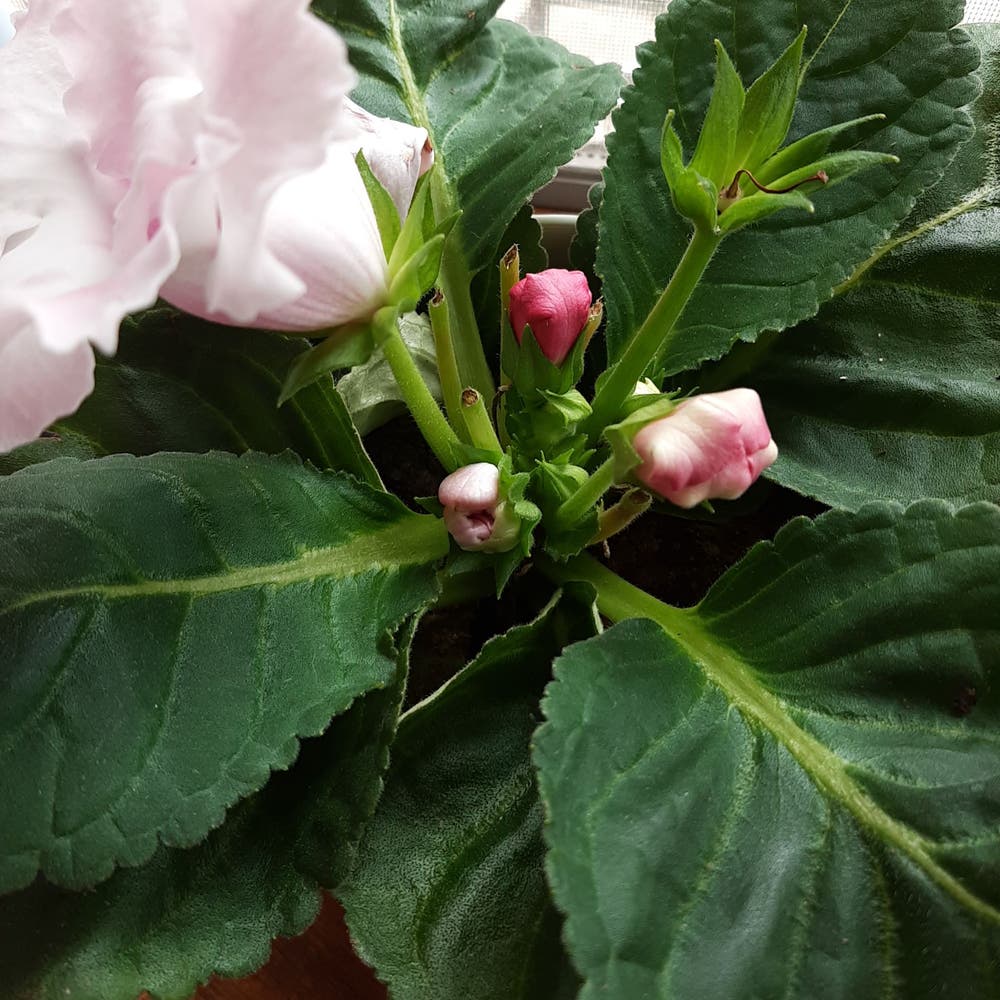
Consider using a bloom booster during flowering to enhance those stunning blossoms. This specialized fertilizer can make a noticeable difference in flower quality and quantity.
By following these fertilization tips, your gloxinia will flourish, showcasing its beauty throughout the growing season. Next, let’s explore how to protect your plants from extreme weather and manage pests effectively.
Weather Protection and Pest Management
Protecting from Extreme Conditions 🌬️
Gloxinia plants thrive best when shielded from harsh weather. During peak summer, provide afternoon shade to prevent leaf scorch, and be sure to cover your plants during cold snaps to protect them from frost damage.
Common Outdoor Pests 🐛
Keep an eye out for common pests that can threaten your gloxinia. Aphids, spider mites, slugs, and snails are frequent visitors; monitor your plants regularly for any signs of infestation and act quickly to mitigate damage.
Organic Control Methods 🌱
When it comes to pest control, opt for organic solutions to keep your garden healthy. Neem oil and insecticidal soap are effective treatments, while practices like crop rotation and companion planting can help deter pests naturally.
By taking these proactive steps, you can ensure your gloxinia remains vibrant and healthy throughout the growing season. Next, let’s explore the seasonal care and climate considerations that will further enhance your gloxinia’s growth.
Seasonal Care and Climate Considerations
🌱 Spring to Winter Care
As the seasons change, so do the needs of your gloxinia. Start fertilizing in spring to promote healthy growth, and ramp up your watering routine during the hot summer months.
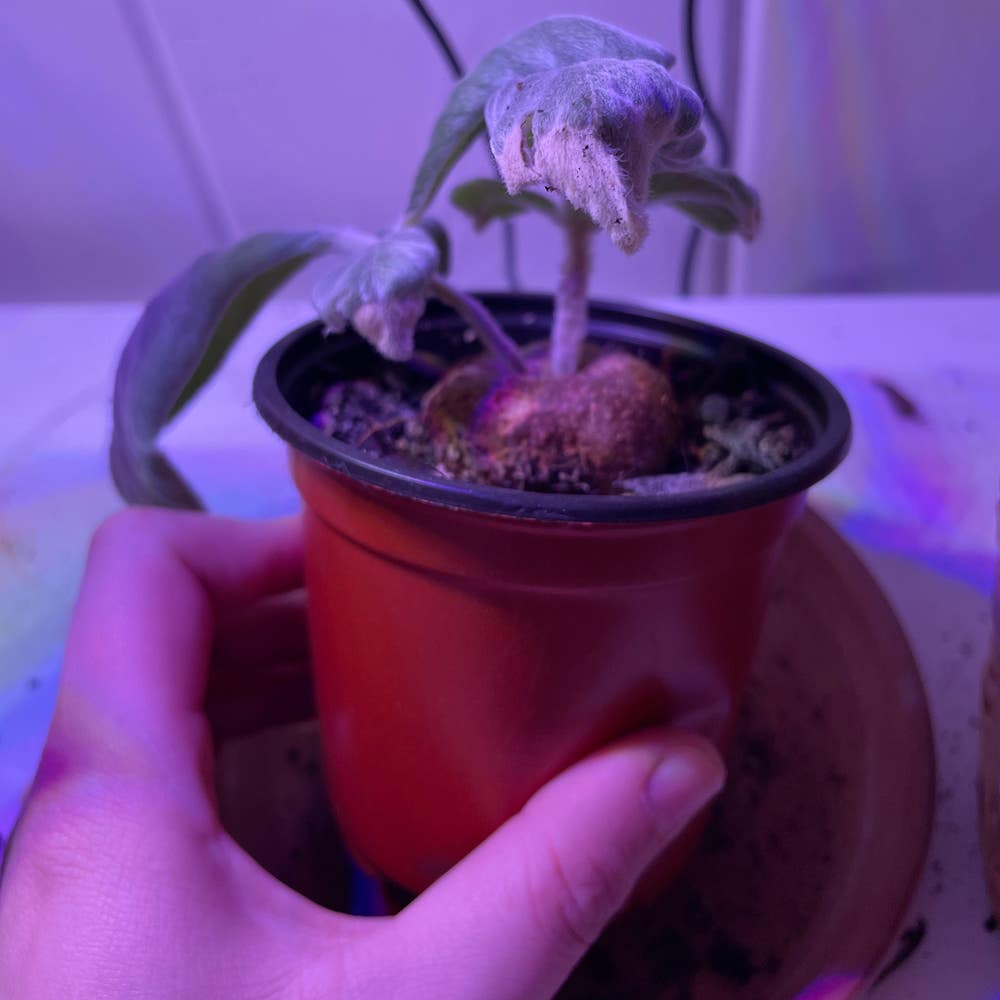
In the fall, it's time to reduce watering as the plant prepares for dormancy. By winter, you should only water minimally, allowing the plant to rest and conserve energy.
🌍 Climate Zone Adaptations
Gloxinia thrives best in USDA zones 10-11, where the climate is warm and inviting. If you live in a cooler area, consider container planting to easily move your gloxinia indoors during chilly spells.
Always keep an eye on local weather patterns, especially for frost and heat waves. This proactive approach will help you protect your plants and ensure they flourish throughout the year.
With these seasonal care tips, your gloxinia will not only survive but thrive, bringing vibrant blooms to your outdoor space. Next, let’s explore how to protect your plants from extreme weather and manage pests effectively.
⚠️ Safety First
This content is for general information and may contain errors, omissions, or outdated details. It is not medical, veterinary advice, or an endorsement of therapeutic claims.
Always consult a qualified healthcare professional before using any plant as food, medicine, or supplement.
Never eat any plant (or feed one to pets) without confirming its identity with at least two trusted sources.
If you suspect poisoning, call Poison Control (800) 222-1222, the Pet Poison Helpline (800) 213-6680, or your local emergency service immediately.
Spotted an error? Please report it here.
Keep your gloxinia thriving all year 🌱 with Greg's personalized watering reminders and tailored care plans that take the guesswork out of plant care!