Fertilizing My Gloxinia to Double Its Growth
Sinningia speciosa
By the Greg Editorial Team
Jun 18, 2024•4 min read
This article was created with the help of AI so we can cover more plants for you. May contain errors. See one? Report it here.
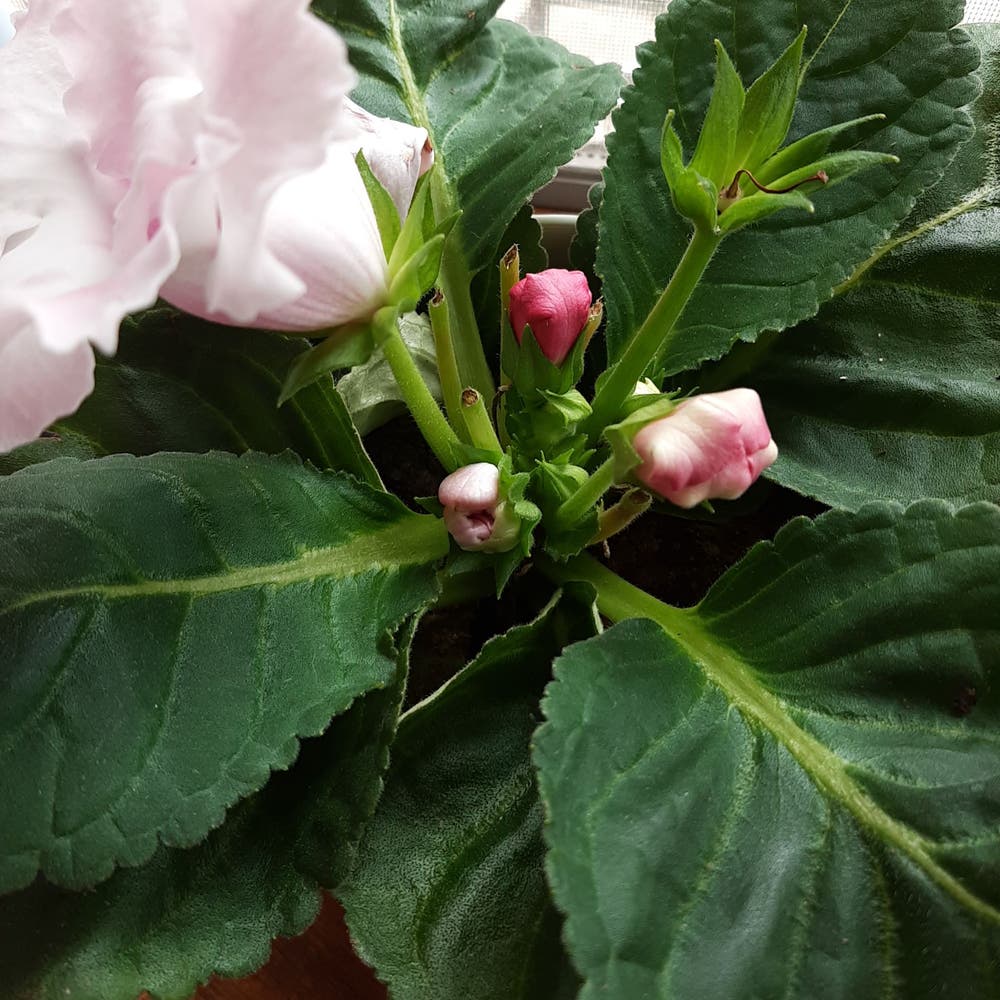
Supercharge your Gloxinia's blooms 🌺 with the perfect fertilization strategy—growth guaranteed!
- N-P-K ratio is key for Gloxinia's growth and bloom—phosphorus and potassium are crucial.
- Fertilize every 2-3 weeks during growth, but not during dormancy.
- Monitor plant's response to avoid over-fertilization symptoms like yellow leaves.
Picking the Perfect Fertilizer for Gloxinia
💡 Understanding the N-P-K Ratio
Nitrogen (N), phosphorus (P), and potassium (K) are the holy trinity in the fertilizer world. For Gloxinia, you want to dial down on nitrogen, which is all about the foliage, and crank up phosphorus and potassium, the bloom boosters. A ratio that's lower in N and higher in P and K will get you those envy-inducing flowers.
🍽️ Fertilizer Types to Consider
When it comes to types, you've got choices. Liquid fertilizers are the sprinters—fast and furious with nutrients but need more pit stops. Granular fertilizers are the marathon runners, releasing food slowly but steadily. And then there are the slow-release types, the crockpots of the fertilizer world, which are perfect for the forgetful gardener.
🌱 Organic vs. Synthetic Options
Organic fertilizers are like that home-cooked meal—nutrients are released at a pace your Gloxinia can handle. Synthetics? They're the fast food of the plant world—quick and potent, but easy to overdo. Organic options are kinder to your plant and the planet, but synthetics can give you that quick fix if needed. Choose wisely.

Timing is Everything: When to Fertilize
🌱 Active Growth Phase Fertilizing
During Gloxinia's active growth phase, it's all about the rhythm of regular feeding. Fertilize every two to three weeks, aligning with its growth spurts. Think of it as the plant's personal trainer, ensuring it bulks up with blooms.
💤 Dormancy Period Do's and Don'ts
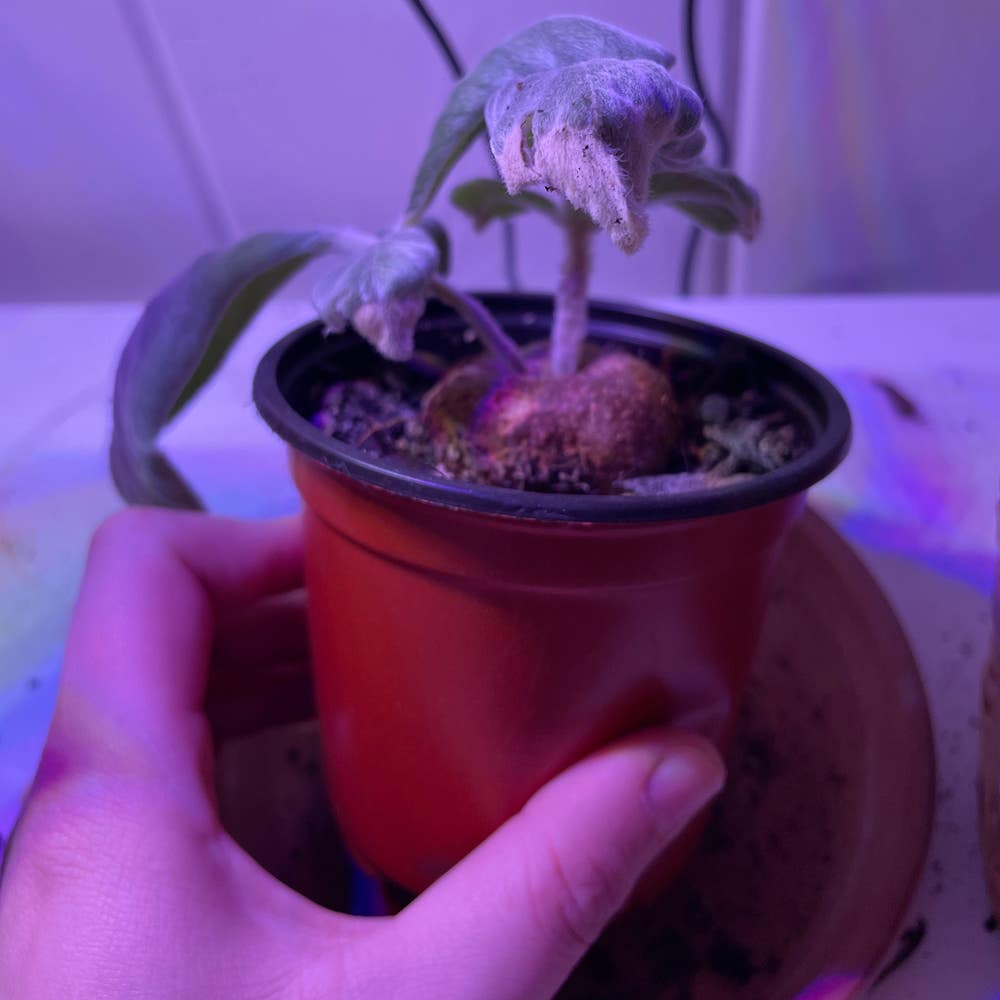
When Gloxinia hits the snooze button and enters its dormancy period, it's time to put the fertilizer away. Over-enthusiasm here is a no-go. Resume fertilizing only when signs of new growth appear, signaling the end of its rest cycle.

The Right Way to Feed Your Gloxinia
💧 Mixing and Applying Fertilizer
Gloxinia, with its velvet-soft petals, is no glutton. Moderation is key when mixing fertilizer. Use a half-strength dilution of a balanced liquid fertilizer, such as a Peat-Lite option like 15-16-17 or 20-10-20. Alternate with calcium nitrate-based fertilizers for a nutrient variety show. For precision, think syringes over spoons, and aim for 250 to 350 ppm nitrogen every second or third watering. If you're a fan of the set-it-and-forget-it approach, controlled-release fertilizers can be your ally, but keep the rates low and supplement as needed.
Apply with watering to ensure the roots get a drink spiked with just enough nutrients. And remember, no late-night drinks—water early to avoid a soggy overnight situation.
👀 Monitoring Your Plant's Response
Like a hawk, keep your eyes peeled for Gloxinia's feedback post-fertilization. Yellow leaves scream for more food, while twisted or brittle foliage is a cry to ease up on the nitrogen. It's a delicate dance of observation and adjustment. If you've been heavy-handed, expect a stern look from curled leaves.
Remember, Gloxinia isn't sunbathing on the beach; it prefers bright, indirect light. So, if you see signs of distress, consider whether it's a sunburn or a nutrient burn. And don't just stand there—adjust accordingly.

Troubleshooting: Avoiding and Addressing Over-Fertilization
🚨 Spotting the Signs of Too Much Love
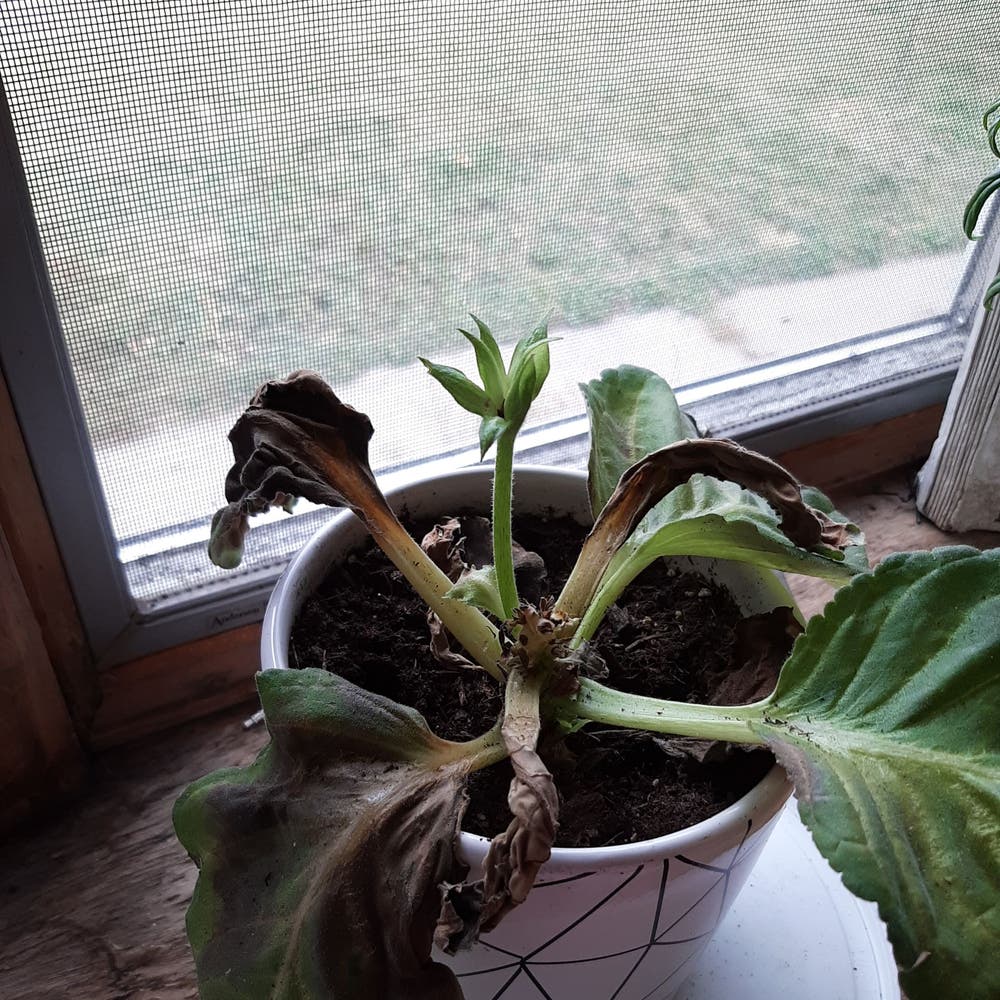
Gloxinia, like a guest at a buffet, can have too much of a good thing. Over-fertilization symptoms are hard to miss: leaves may turn yellow or brown, especially at the tips, and roots could look as if they've been through a toaster—dark and limp. A crust of fertilizer on the soil's surface is a dead giveaway, like a neon sign flashing "I overdid it!" If your plant's leaves are wilting despite the soil feeling like a damp sponge, it's time to intervene.
🛠 Quick Fixes for Fertilizer Fiascos
Caught in the act of over-fertilizing? First, remove any visible fertilizer. Then, give your Gloxinia a thorough shower, flushing the soil with water to wash away excess nutrients. This might feel like overkill, but repeat every few days until your plant stops looking like it partied too hard. Trim away the sad, brown leaves—they're not coming back. If your plant is potted, consider a change of scenery with fresh, nutrient-free soil. Hold off on the fertilizer; give your Gloxinia a break for a few weeks, like a plant detox. When you resume, remember: moderation is key, like salt on fries—not too little, not too much.
⚠️ Safety First
This content is for general information and may contain errors, omissions, or outdated details. It is not medical, veterinary advice, or an endorsement of therapeutic claims.
Always consult a qualified healthcare professional before using any plant as food, medicine, or supplement.
Never eat any plant (or feed one to pets) without confirming its identity with at least two trusted sources.
If you suspect poisoning, call Poison Control (800) 222-1222, the Pet Poison Helpline (800) 213-6680, or your local emergency service immediately.
Spotted an error? Please report it here.
Double your Gloxinia's blooms by nailing the fertilization schedule, with Greg's 🌸 tailored reminders ensuring you never overdo it or forget a feed!