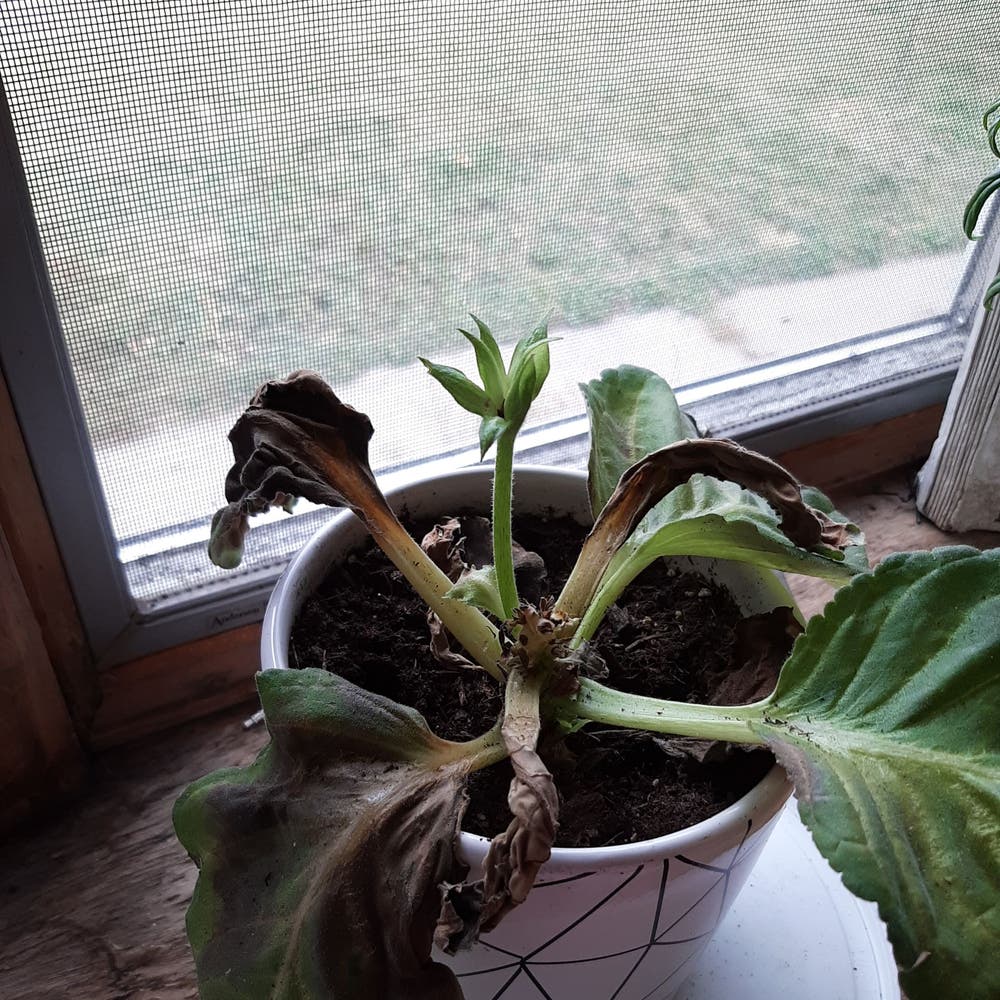
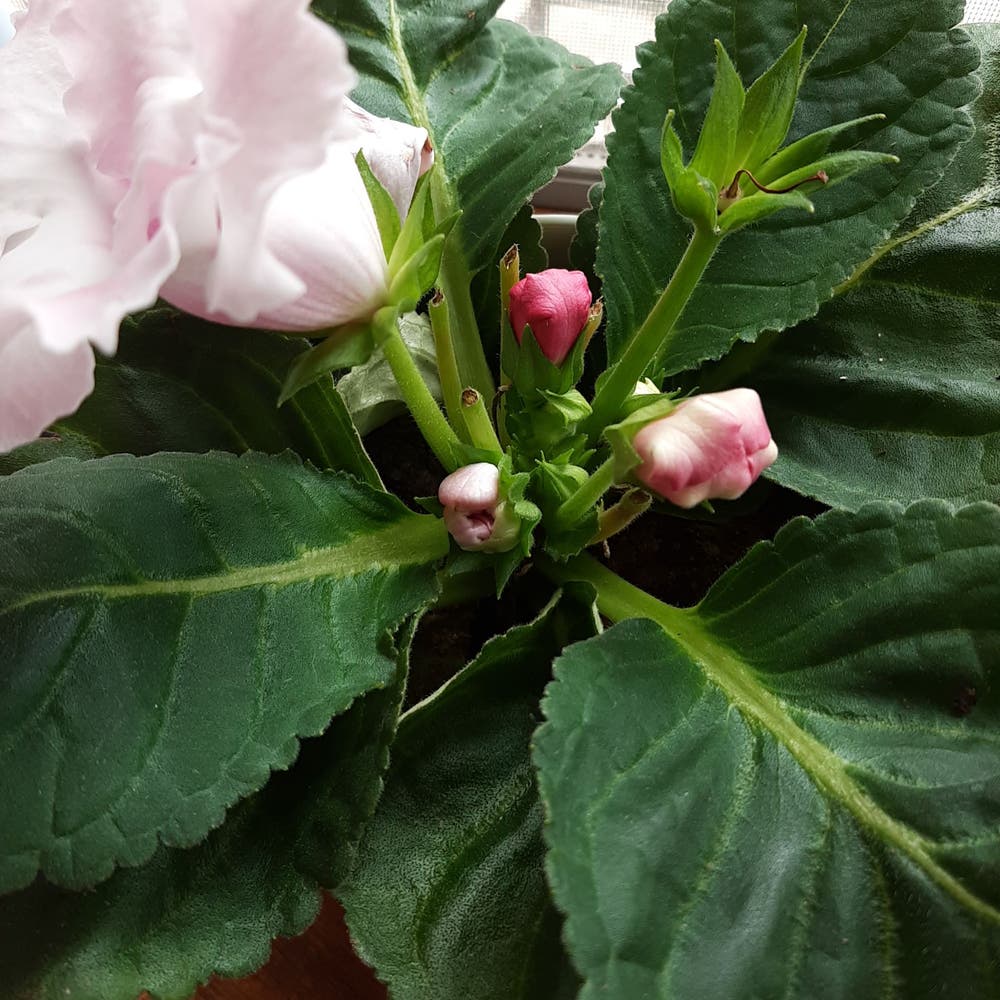
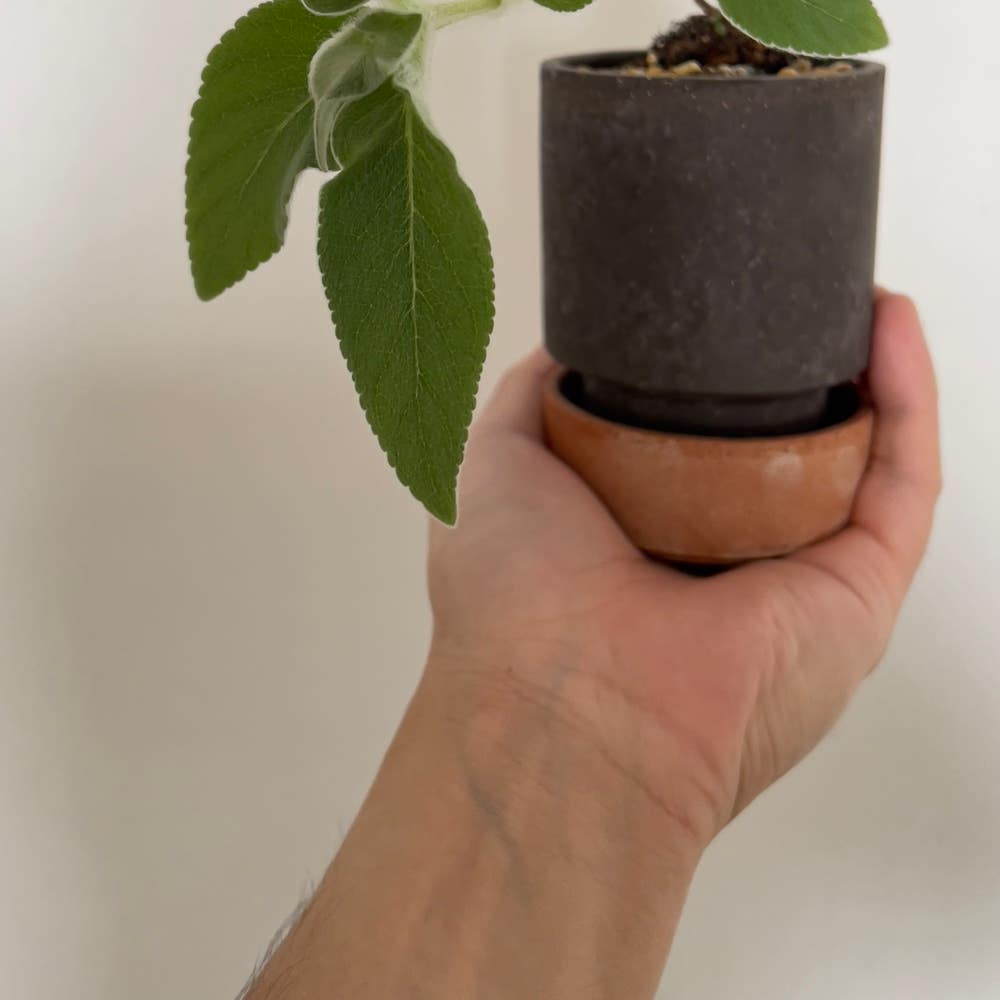
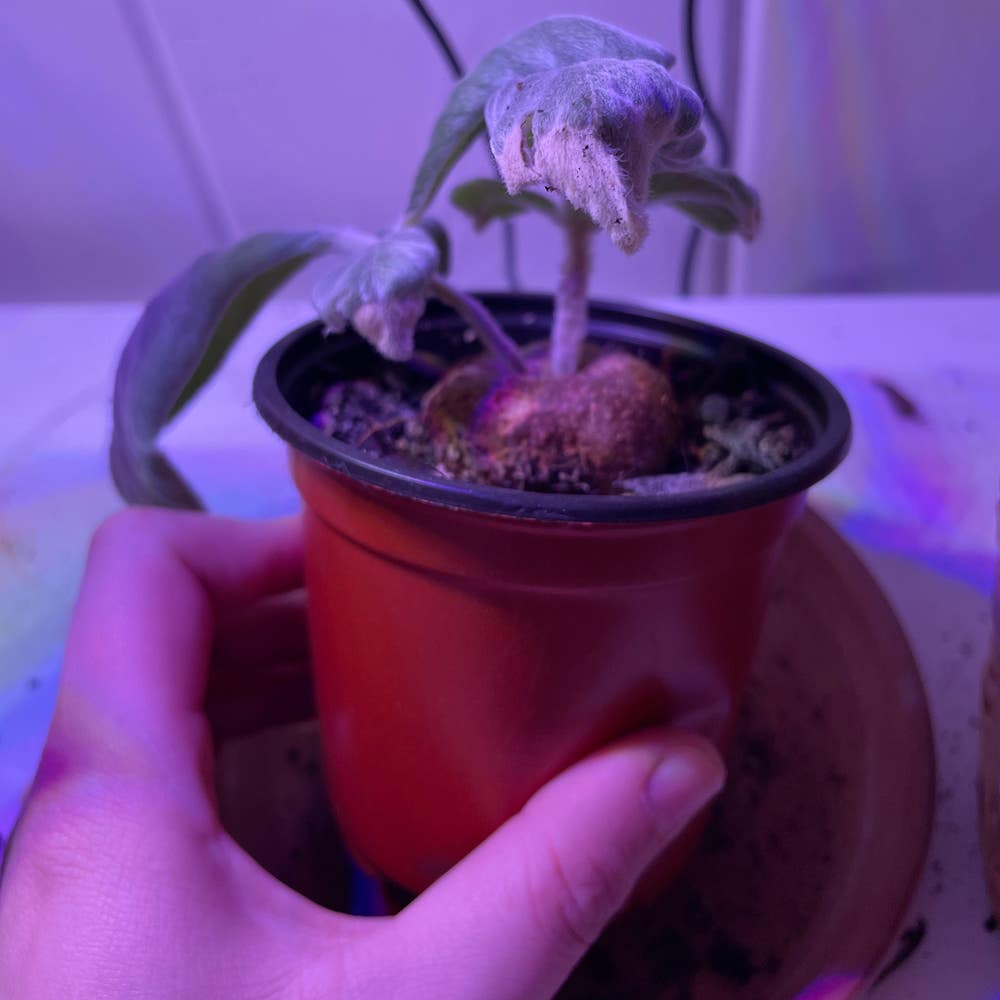
Why Is My Gloxinia Dropping Leaves?
Sinningia speciosa
By the Greg Editorial Team
Jun 18, 2024•4 min read
This article was created with the help of AI so we can cover more plants for you. May contain errors. See one? Report it here.
Stop Gloxinia leaf-drop 🍂 and cultivate a flourishing plant with these essential care tips.
- 🌤️ Bright, indirect light is key for Gloxinia, avoid direct sun.
- 💧 Evenly moist soil—not too wet or dry—supports healthy roots.
- 🌡️ Stable climate and care routine prevent leaf drop and promote recovery.
When Leaves Say Goodbye: Pinpointing the Culprits
🌞 Too Much Sun or Not Enough?
Gloxinia thrives in bright, indirect light. Direct sunlight is a no-go—it's like a vampire at a beach party, just too much. On the flip side, insufficient light turns your plant into a slacker with leggy growth and sparse blooms. Aim for that cozy reading nook vibe for your plant's spot.
🚰 The Thirst Quench: Watering Woes
Overwatering is like giving your plant a bath when it just needs a sip—roots can't breathe. Under-watering, however, is like sending it on a desert trek without a water bottle. The goal is to keep the soil evenly moist, like a wrung-out sponge, not a swamp or a dust bowl.
🌡 Feeling the Heat: Temperature and Drafts
Gloxinia dislikes drama, especially in temperature. Think of it as preferring a steady climate—not too hot, not too cold. Drafts are the silent assassins of the plant world, causing leaves to drop like flies. Keep your Gloxinia away from open windows, doors, and air conditioners to avoid sudden temperature changes.

Feeding Time: Are Nutrients the Issue?
🌱 Spotting the Signs of Starvation
Weak stems and yellowing leaves often shout nutrient deficiency. If your Gloxinia looks more like a limp noodle than a vibrant plant, it's time for a nutritional intervention. Scorched leaves? That's a red flag waving high. Slow growth and brown leaves also join the chorus, signaling a cry for help.
🍽️ The Menu for a Healthy Gloxinia
Balance is the name of the game when it comes to fertilizing your Gloxinia. Too much nitrogen and you'll have a green giant with no flowers; too little and you'll witness a sad display of yellowing despair. Phosphorus and potassium are just as crucial – think of them as the plant's gym buddies, supporting strong stems and perky leaves. Remember, overfeeding is the botanical equivalent of a sugar rush – it's fun until the crash. Stick to a routine that's just right, and your Gloxinia will thank you with lush, healthy growth.

Unwanted Guests: Dealing with Pests and Diseases
🕵️♂️ Catching the Culprits Red-Handed
Gloxinia's leaf drop can often be traced back to pests and diseases. Aphids, mealybugs, whiteflies, and scale are the usual suspects. These critters are like the worst kind of gatecrashers, sneaking in and wreaking havoc.
💊 Clean Bill of Health: Treatment and Prevention
To kick pests to the curb, bring out the neem oil or insecticidal soap. These are your plant's personal security detail—effective yet gentle. For diseases, think of prevention as your first line of defense. Good air circulation and dry leaves are your best bets against fungal foes. If you're dealing with an outbreak, it's time for targeted treatments—like calling in the specialists. Remember, cleanliness is your Gloxinia's best friend, so keep those leaves spotless to prevent pests from settling in.

Turning Over a New Leaf: Recovery and Prevention
🌿 Environmental Harmony
In the quest to revive your Gloxinia, consider the ambiance. It's not just about keeping the plant alive; it's about crafting a space where it can flourish. Bright, indirect light is your friend here, but direct sun is the nemesis. Think north or east-facing windows to hit the sweet spot.
Keep the soil's moisture consistent—aim for that Goldilocks zone of not too wet, not too dry. If your Gloxinia's leaves could talk, they'd beg for a moist, well-draining, slightly acidic haven. And remember, when the leaves drop, it's not a final curtain call—it's an intermission. Use this time to refresh the soil and pot, setting the stage for a triumphant return.
🔄 Consistent Care Routine
Routine is the backbone of recovery. Establish a care schedule that's as regular as your morning coffee. Watering should be as predictable as a metronome—steady and reliable. Fertilize with the precision of a chef, half-strength monthly, and then take a break as the blooms bid adieu.
Keep an eye out for the subtle cues your Gloxinia gives, like a seasoned gardener reading the leaves like tea leaves. Wilted? Ease up on the aqua. Shriveled? Time for a drink. And if the leaves start to look like they're throwing in the towel, consider a soil reset—fresh, well-draining soil might just be the comeback kid your plant needs.
Rotate your Gloxinia occasionally for even growth; it's like giving it a gentle dance around the sun. And as the seasons change, so should your approach—be the plant DJ, mixing the right balance of care. Keep these rhythms, and your Gloxinia will not just survive, it'll throw a leafy fiesta.
⚠️ Safety First
This content is for general information and may contain errors, omissions, or outdated details. It is not medical, veterinary advice, or an endorsement of therapeutic claims.
Always consult a qualified healthcare professional before using any plant as food, medicine, or supplement.
Never eat any plant (or feed one to pets) without confirming its identity with at least two trusted sources.
If you suspect poisoning, call Poison Control (800) 222-1222, the Pet Poison Helpline (800) 213-6680, or your local emergency service immediately.
Spotted an error? Please report it here.
Nurture your Gloxinia to peak health 🌿 with Greg's personalized care reminders, helping you adapt to its needs through every season.