🌸 Ultimate Guide to Gloxinia Varieties
Sinningia speciosa
By the Greg Editorial Team
Nov 23, 2024•6 min read
This article was created with the help of AI so we can cover more plants for you. May contain errors. See one? Report it here.
Unlock the beauty of Gloxinia cultivars 🌼 and transform your garden with stunning blooms and unique varieties!
- 🌸 Gloxinia varieties like 'Blue Velvet' and 'Black Velvet' offer stunning color diversity.
- 🌱 Hybrid Gloxinia require specific care, enhancing their unique traits and blooming seasons.
- 💰 Rare Gloxinia cultivars are valuable collectibles, appealing to both gardeners and investors.
Popular Gloxinia Cultivars
🌼 Description of Top Cultivars
Gloxinia 'Blue Velvet' is a standout with its deep blue flowers that boast a velvety texture. These medium to large blooms create a stunning visual impact, making them a favorite among collectors.
Gloxinia 'Red Star' captures attention with its bright red flowers adorned with star-shaped markings. The large, prominent blooms not only brighten up any space but also serve as a conversation starter.
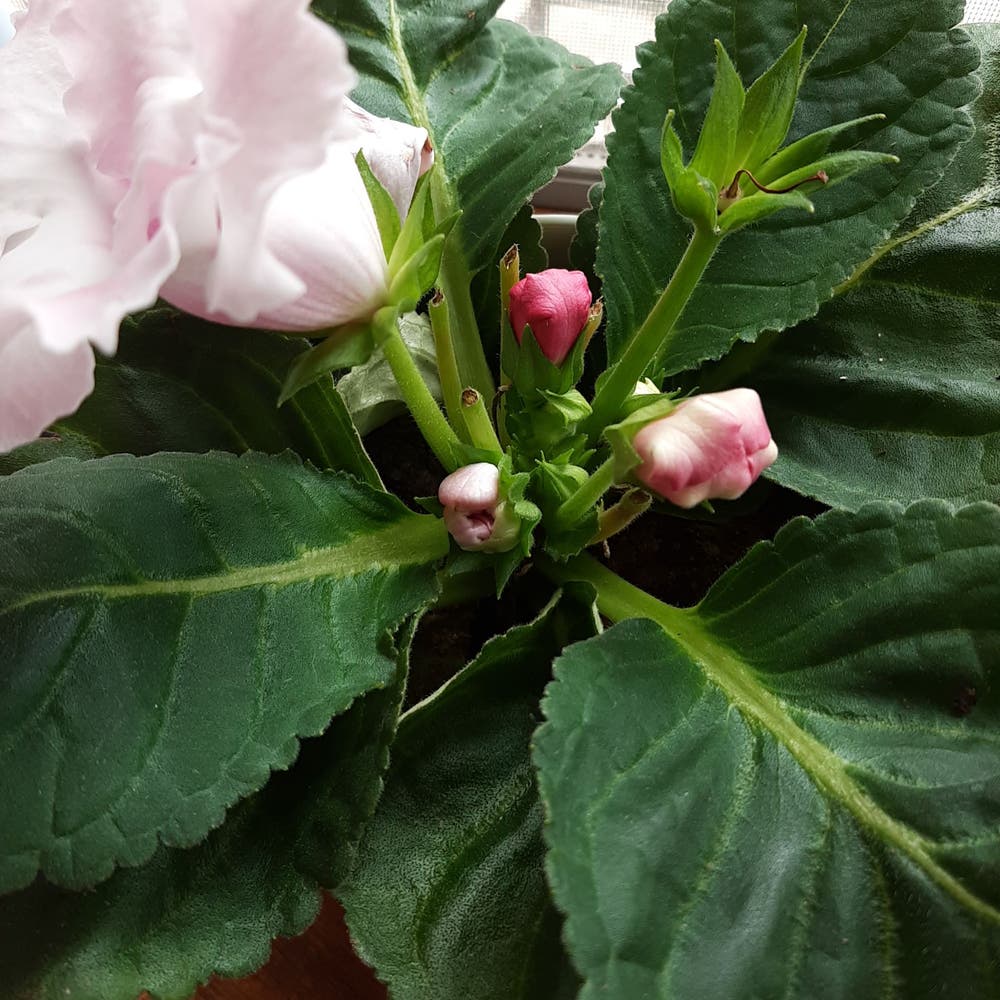
Gloxinia 'Pink Lady' offers a softer touch with its delicate soft pink flowers featuring white edges. This cultivar has a medium size and a compact growth habit, perfect for smaller spaces or as part of a mixed display.
🎨 Color Variations Among Popular Cultivars
Gloxinia cultivars come in a vibrant palette of colors, including red, purple, blue, pink, and white. Each color variation adds a unique charm, with some cultivars showcasing variegated and spotted patterns that enhance their appeal.
The color of a Gloxinia can significantly influence its popularity and selection among gardeners. Bright, bold colors often attract attention, while softer hues may appeal to those seeking a more subtle aesthetic.
In summary, the diversity in color and form among Gloxinia cultivars not only enriches gardens but also reflects personal tastes and styles. As we explore further, we'll delve into the fascinating world of hybrid Gloxinia varieties and their unique characteristics.
Hybrid Gloxinia Varieties
🌱 Definition and Examples of Hybrid Varieties
Hybrid Gloxinia varieties are the result of cross-breeding different cultivars to create unique plants with desirable traits. This process allows growers to combine the best characteristics of each parent, resulting in hybrids that often boast stunning flower shapes and extended blooming seasons.
One notable example is Gloxinia 'Galaxy'. This hybrid is celebrated for its distinctive flower shapes and vibrant colors, making it a favorite among collectors and enthusiasts alike.
🔍 Differences Between Hybrids and Traditional Cultivars
When comparing hybrids to traditional cultivars, several key differences emerge. Hybrids often feature unique flower shapes and sizes, with some blooms lasting longer than those of their traditional counterparts.
Moreover, growth habits can vary significantly. While traditional cultivars may have established care requirements, hybrids often demand specific attention to thrive.
🛠️ Special Care Requirements for Hybrids
Caring for hybrid Gloxinia varieties involves some unique considerations. Adjustments in light, water, and fertilization are crucial to ensure these plants flourish.
Additionally, monitoring for pests and diseases is essential. Hybrids can be more susceptible to certain issues, so vigilance is key to maintaining their health and beauty.
As you explore the world of Gloxinia, understanding these hybrid varieties will deepen your appreciation for their diversity and charm. Next, we’ll delve into the rare Gloxinia varieties that capture the hearts of collectors.
Rare Gloxinia Varieties
🌟 Characteristics That Make Them Unique
Rare Gloxinia varieties are defined by their scarcity and distinctive features that make them highly sought after by collectors. These plants often exhibit unique colors, forms, and textures that set them apart from more common cultivars.
🌼 Notable Examples
One standout example is Gloxinia 'Black Velvet'. This cultivar boasts dark, almost black flowers with a velvety texture, creating a striking visual impact that captivates enthusiasts.
🎨 Unusual Colors and Forms
In addition to 'Black Velvet', rare Gloxinia varieties can showcase unusual colors and forms, such as variegated leaves or unique petal shapes. Their rarity in the plant market often drives up demand and interest among collectors.
💰 Collector Interest and Value
The allure of rare Gloxinia cultivars lies not only in their beauty but also in their potential value. Collectors are often willing to pay a premium for these unique plants, making them a worthwhile investment for avid gardeners.
As we explore the world of Gloxinia, understanding the nuances of these rare varieties enriches our appreciation for this captivating genus. Next, we will delve into the size differences in Gloxinia, examining how these variations impact care and display.
Size Differences in Gloxinia
Comparison of Small vs. Large Gloxinia Cultivars 🌱
Gloxinia cultivars come in a variety of sizes, each offering unique benefits for different gardening spaces.
Small cultivars are perfect for compact growth, making them ideal for small spaces like windowsills or desks.
In contrast, large cultivars boast expansive growth, making them suitable for larger displays and garden arrangements.
Impact of Size on Care and Display 📏
The size of your Gloxinia affects its care requirements significantly.
Small cultivars typically need less water and can thrive in smaller pots, while large cultivars require more frequent watering and larger containers to accommodate their growth.
When it comes to display options, small Gloxinia can be showcased in decorative pots or grouped together for a charming effect.
On the other hand, large Gloxinia can serve as stunning focal points in garden beds or as statement pieces in larger containers.
Understanding these size differences helps you choose the right Gloxinia for your space and ensures they flourish beautifully.
As you explore the world of Gloxinia, consider how their size can enhance your gardening experience and aesthetic.
Cultural Significance and Awards
🏆 Notable Awards for Gloxinia Cultivars
Gloxinia cultivars have garnered recognition for their stunning beauty and unique characteristics. Notable awards highlight outstanding varieties that have captured the hearts of plant enthusiasts.
- Gloxinia 'Blue Velvet': This cultivar is celebrated for its deep blue, velvety flowers, earning accolades for its striking appearance.
- Gloxinia 'Red Star': With its bright red blooms and star-shaped markings, this cultivar has also received awards for its vibrant color and impressive size.
These awards not only celebrate the aesthetic appeal of Gloxinia but also encourage breeders to innovate and create even more captivating varieties.
📜 Historical Significance of Gloxinia in Horticulture
Gloxinia has played a pivotal role in the history of horticulture. Originally discovered in the 19th century, these plants quickly became favorites among gardeners due to their exotic appearance and ease of care.
Their influence extends beyond mere aesthetics; Gloxinia has contributed significantly to plant breeding practices. The hybridization of Gloxinia cultivars has led to a diverse array of colors and forms, enriching the gardening landscape.
Today, Gloxinia continues to inspire modern gardening trends. Collectors and hobbyists alike appreciate their unique beauty, ensuring that these plants remain a cherished part of plant collections worldwide.
As we explore the fascinating world of Gloxinia, it's clear that their cultural significance and award-winning status are just the beginning of their story. Next, we will delve into the intriguing realm of hybrid Gloxinia varieties, where innovation meets tradition.
⚠️ Safety First
This content is for general information and may contain errors, omissions, or outdated details. It is not medical, veterinary advice, or an endorsement of therapeutic claims.
Always consult a qualified healthcare professional before using any plant as food, medicine, or supplement.
Never eat any plant (or feed one to pets) without confirming its identity with at least two trusted sources.
If you suspect poisoning, call Poison Control (800) 222-1222, the Pet Poison Helpline (800) 213-6680, or your local emergency service immediately.
Spotted an error? Please report it here.
Discover the stunning diversity of Gloxinia 🌺 and let Greg provide personalized care reminders to help your plants flourish and bloom beautifully!