Why Are My Gloxinia Leaves Falling Over?
Sinningia speciosa
By the Greg Editorial Team
Jun 18, 2024•4 min read
This article was created with the help of AI so we can cover more plants for you. May contain errors. See one? Report it here.
Prevent Gloxinia despair 🍂 with the right care tips to keep your blooms standing tall and proud!
- 💧 Overwatering and underwatering both lead to droopy Gloxinia leaves.
- 🌞 Bright, indirect light and stable temperatures are crucial for healthy leaves.
- 🐞 Prevent pests and diseases with good airflow and proper watering.
When Water Woes Make Leaves Limp
🌊 Too Much H2O: Overwatering Havoc
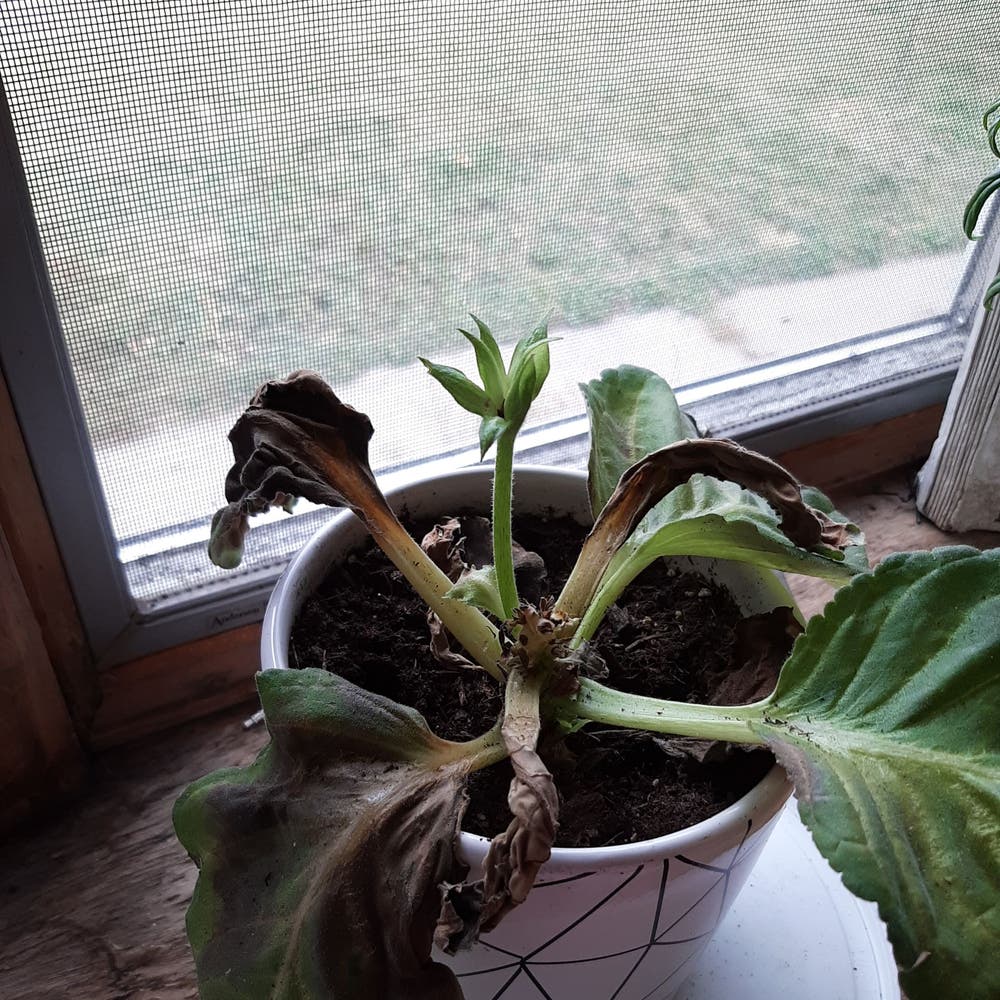
Overwatering can turn your Gloxinia's home into a swampy nightmare. Yellow leaves and a musty smell are distress flares signaling root rot. To avoid drowning your plant in love, check for proper drainage and adjust your watering schedule. If the damage is done, it's time for root rehab—trim the rotten parts and repot with fresh, well-draining soil.
🏜️ Thirsty Roots: The Underwatering Plight
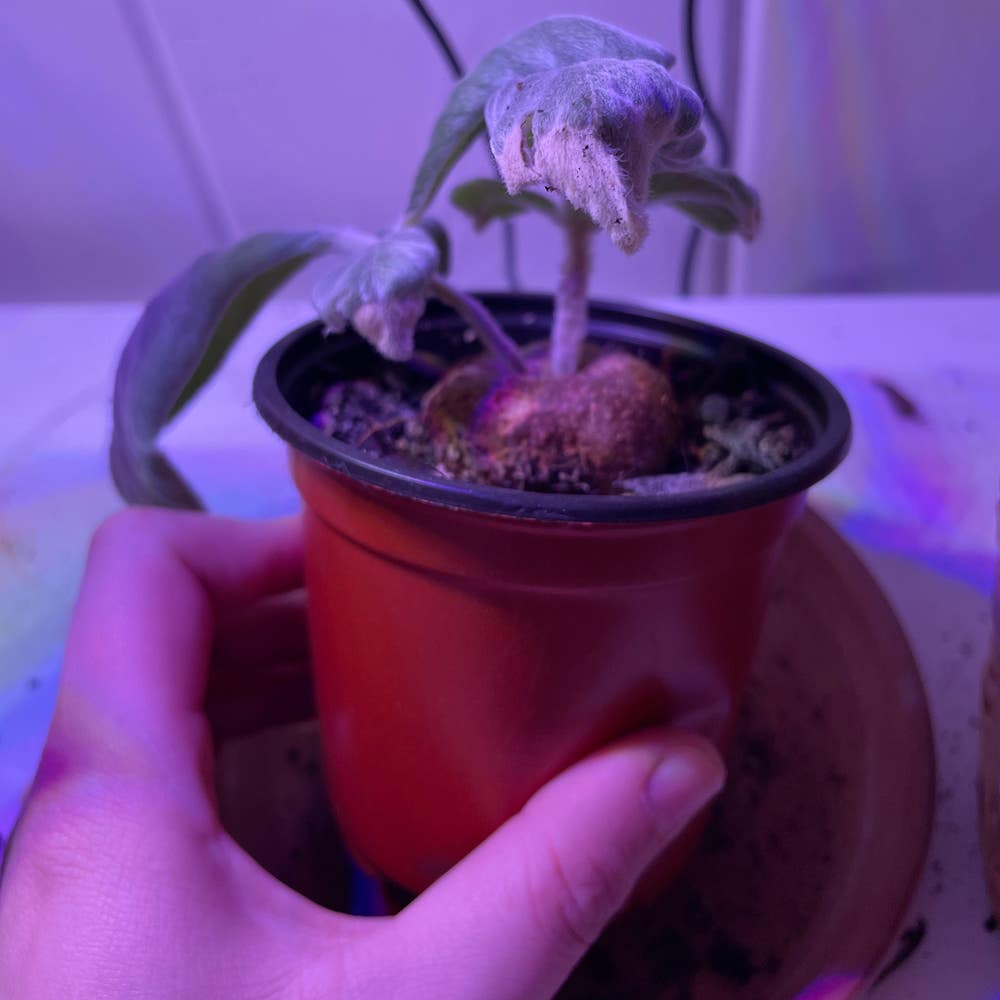
On the flip side, underwatering leaves Gloxinia gasping for moisture. Wilting leaves and dry soil are the plant's version of a parched throat. To rehydrate, aim for soil that's moist like a wrung-out sponge—damp, not wet. Monitor the topsoil; if it's as dry as a desert, it's time to water, but if it's damp, give it a break. Remember, finding the hydration sweet spot is key to keeping those leaves standing tall.

Light and Temperature: The Balancing Act
🌞 Seeking the Sun: Light Levels for Lively Leaves
Gloxinia's got a Goldilocks problem with light. Too much, and leaves go crispy; too little, and they stretch out like they're reaching for the last cookie on the shelf. Bright, indirect light is their jam.
🕵️♂️ Identifying Light Deprivation Symptoms
If your Gloxinia is looking pale or dull, it's probably starved for sunlight. Leggy growth and a general lack of vibrancy are your plant's way of saying, "I could use a little more sunshine in my life."
🌅 Let There be Light: Optimizing Gloxinia's Sunbathing Schedule
Aim for 2,000 to 3,000 footcandles of light. As seasons change, so should your plant's spot. Rotate it regularly to ensure even exposure, and consider shading in intense summer months to prevent leaf scorch.
Keeping Cool (or Warm): Temperature Troubles
Gloxinia is a bit of a diva when it comes to temperature. Too hot, and it's drama; too cold, and it's a no-go. They thrive in stable temperatures that mimic their natural habitat.
🌡️ Detecting Temperature Distress in Gloxinia
Watch for leaves curling up tighter than a burrito or going yellow like a caution sign. These are your plant's way of saying, "I'm not comfortable with this temperature."
🌡️ Setting the Thermostat: Ideal Temperature Ranges for Robust Leaves
Keep the thermostat steady. Gloxinia likes it between 60-75°F (15-24°C). If your plant could talk, it would probably ask for a consistent, cozy environment without any wild swings.

Feeding for Strength: Nutrient Know-How
💪 The Starvation Struggle: Spotting Nutrient Deficiencies
Weak, floppy stems and yellowing leaves often signal a nutrient deficiency. Nitrogen shortages turn leaves yellow, while potassium scarcity leaves edges yellow and stems weak.
Conduct a soil test to assess nutrient levels accurately. Overfeeding can cause nutrient burn, so stick to recommended fertilizer doses.
🍽️ A Buffet of Nutrients: Fertilizing for Firm Foliage
Fertilizing isn't a free-for-all; it's about precision and balance. Use a high-quality fertilizer and follow package instructions to avoid overindulgence.
Nitrogen, phosphorus, and potassium are the big three. Keep these in check to avoid weak growth and ensure robust leaves. Organic options like blood meal or bone meal can replenish these nutrients sustainably.
Remember, overfeeding can be as detrimental as starvation. Monitor your Gloxinia's response and adjust accordingly.

Bug Battles and Disease Defenses
🐜 Pests: The Tiny Terrors
Gloxinia's lush foliage can be a magnet for pests. Aphids, mealybugs, and mites top the list of usual suspects. They're the uninvited guests at the plant party, and spotting them early is crucial. Look for sticky residue or a battalion of tiny bugs on the underside of leaves.
Natural predators like ladybugs are your garden's bouncers, keeping aphids in check. Introducing them can be an effective biological control. For a more direct approach, insecticidal soaps and horticultural oils are the equivalent of showing pests the door. Apply with vigilance, and watch your Gloxinia breathe easy.
🦠 Diseases: Fungal Foes and More
Fungal infections are the silent saboteurs of the plant world. Brown spots or a powdery mildew coating are tell-tale signs. Gloxinia's disdain for wet leaves and stagnant air makes them prone to these issues.
Prevention is your best defense. Ensure good airflow and avoid overhead watering to keep leaves dry. If fungal foes have already gatecrashed, consider fungicides as your cleanup crew. Remember to isolate infected plants to prevent a garden-wide epidemic. Keep it clean, and your Gloxinia will thank you.
⚠️ Safety First
This content is for general information and may contain errors, omissions, or outdated details. It is not medical, veterinary advice, or an endorsement of therapeutic claims.
Always consult a qualified healthcare professional before using any plant as food, medicine, or supplement.
Never eat any plant (or feed one to pets) without confirming its identity with at least two trusted sources.
If you suspect poisoning, call Poison Control (800) 222-1222, the Pet Poison Helpline (800) 213-6680, or your local emergency service immediately.
Spotted an error? Please report it here.
Keep your Gloxinia flourishing 🌿 with Greg's personalized care reminders, ensuring perfect watering, light, and temperature to prevent those leaves from falling over.