5 Key Winter Strategies for Gloxinia ❄️
Sinningia speciosa
By the Greg Editorial Team
Nov 23, 2024•5 min read
This article was created with the help of AI so we can cover more plants for you. May contain errors. See one? Report it here.
Master winter care for your Gloxinia 🌨️ to ensure a stunning spring revival and vibrant blooms ahead!
- ❄️ Protect Gloxinia from frost by bringing them indoors before the first frost.
- 💧 Reduce watering frequency to every 2-3 weeks to prevent root rot in winter.
- 🌱 Avoid fertilizing during dormancy; resume feeding in early spring for optimal growth.
Winter Care Strategies for Gloxinia
❄️ Frost Protection Techniques
When winter approaches, protecting your Gloxinia from frost is crucial. If your plants are outdoors, bring them inside before the first frost hits.
For those that remain outside, consider using protective coverings like frost cloths. These can shield your plants from harsh temperatures and help maintain warmth.
Creating a Microclimate
Another effective strategy is to create a microclimate. Grouping your Gloxinia plants together can help retain warmth, as they share heat.
Additionally, applying mulch around outdoor Gloxinia acts as insulation for the roots. This simple step can make a significant difference in their winter survival.
💧 Adjusting Watering Schedules During Winter
Watering is a key aspect of winter care for Gloxinia. During this season, it's essential to reduce your watering frequency to prevent root rot.
Aim to let the top inch of soil dry out between waterings. Typically, a winter watering schedule of every 2-3 weeks works well, but adjust based on humidity levels in your home.
Signs of Overwatering
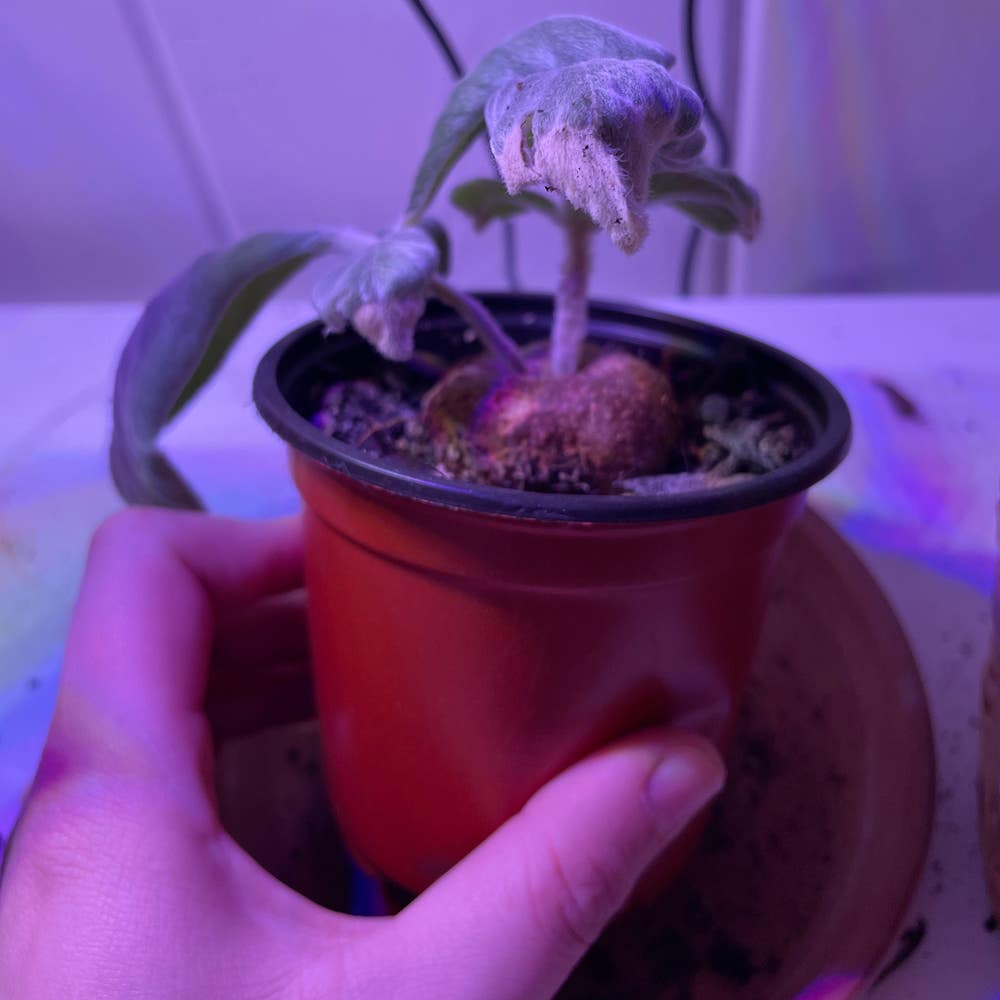
Be vigilant for signs of overwatering, as they can be detrimental. Yellowing leaves and mushy stems are clear indicators that your plant is receiving too much moisture.
If you notice these symptoms, it’s time to reassess your watering routine.
🌱 Fertilizing Gloxinia in Winter Months
Fertilization during winter requires careful consideration. It's best to avoid fertilizing while your Gloxinia is dormant; instead, wait until early spring to resume feeding.
When growth begins again, use a balanced, water-soluble fertilizer. This approach ensures your plants receive the nutrients they need without risking harm during dormancy.
Importance of Nutrient Management
Proper nutrient management is vital for the health of your Gloxinia. By preventing nutrient buildup in dormant plants, you protect their root health and promote robust growth when spring arrives.
With these winter care strategies in mind, your Gloxinia will be well-prepared to thrive. Next, let’s explore how to create optimal indoor conditions for your plants during the colder months.
Indoor Care for Gloxinia
Optimal Indoor Conditions for Winter 🌡️
To keep your Gloxinia thriving indoors during winter, temperature is key. Aim to maintain indoor temperatures between 60°F to 75°F (15°C to 24°C) for optimal growth.
Humidity is another critical factor. Gloxinia prefers a humidity level of 50-70%. If your home is dry, consider using a humidifier or placing a pebble tray filled with water beneath the plant to boost moisture levels.
Light Requirements for Indoor Gloxinia 💡
Providing the right light is essential for your Gloxinia's health. Position your plant near east or north-facing windows to ensure it receives bright, indirect light without the risk of sunburn.
Don't forget to rotate your Gloxinia regularly. This simple practice ensures even light distribution, helping all sides of the plant grow uniformly and beautifully.
As you care for your Gloxinia indoors, remember that maintaining optimal conditions will set the stage for a vibrant spring. Next, let’s explore how to prepare your Gloxinia for the upcoming season.
Spring Preparation for Gloxinia
Signs of Recovery from Winter Dormancy 🌱
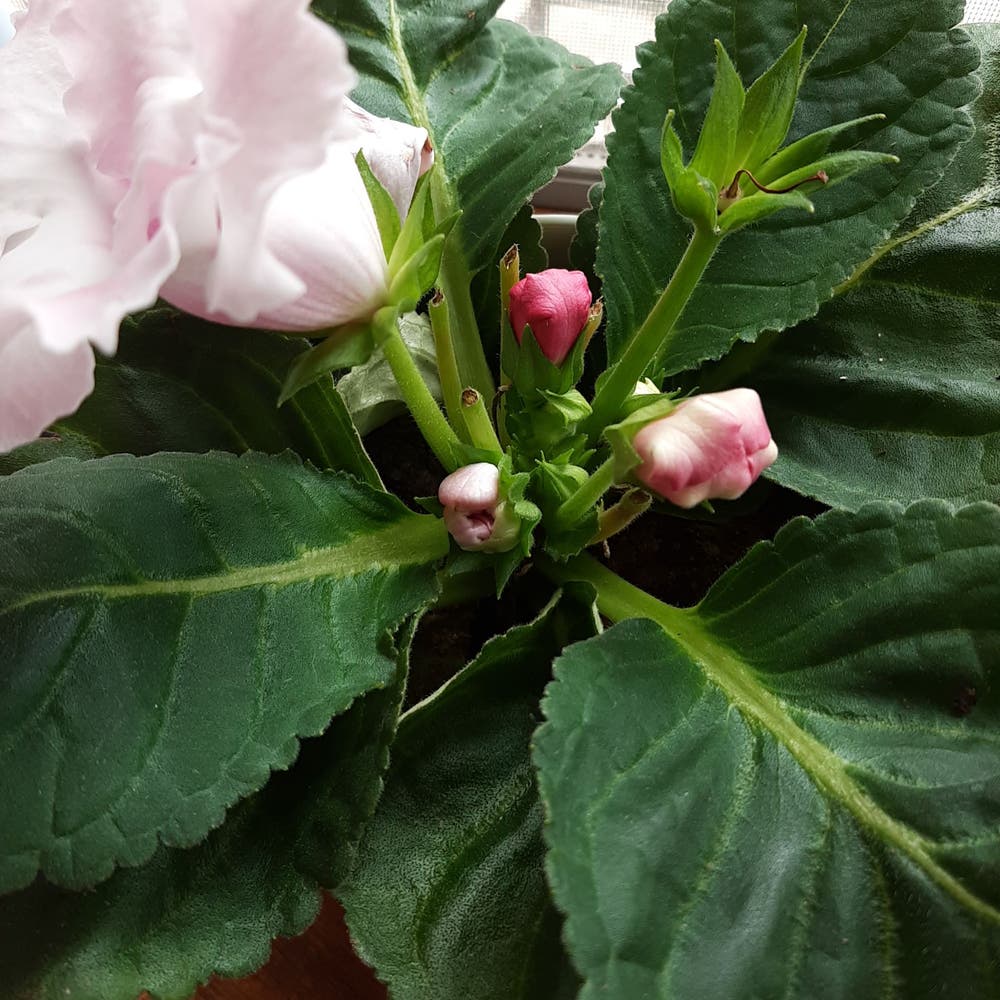
As winter fades, your Gloxinia will start to show signs of life. Look for new leaf growth and the emergence of flower buds; these are clear indicators that your plant is waking up from dormancy.
While observing these changes, keep an eye out for any pests or diseases. Early detection is key to ensuring a healthy growing season.
Preparing Gloxinia for Spring Growth 🌞
To prepare your Gloxinia for the warmer months, it's essential to reintroduce it to outdoor conditions gradually. Harden off your plants by exposing them to outdoor temperatures for 1-2 weeks, starting with just a few hours each day.
As your Gloxinia adjusts, resume regular care practices. Increase watering and fertilization to support its active growth phase, ensuring it has the nutrients needed to thrive.
With these steps, your Gloxinia will be well on its way to a vibrant spring. Next, we’ll explore how to deal with any winter damage that may have occurred.
Dealing with Winter Damage
🌨️ Identifying Signs of Winter Damage
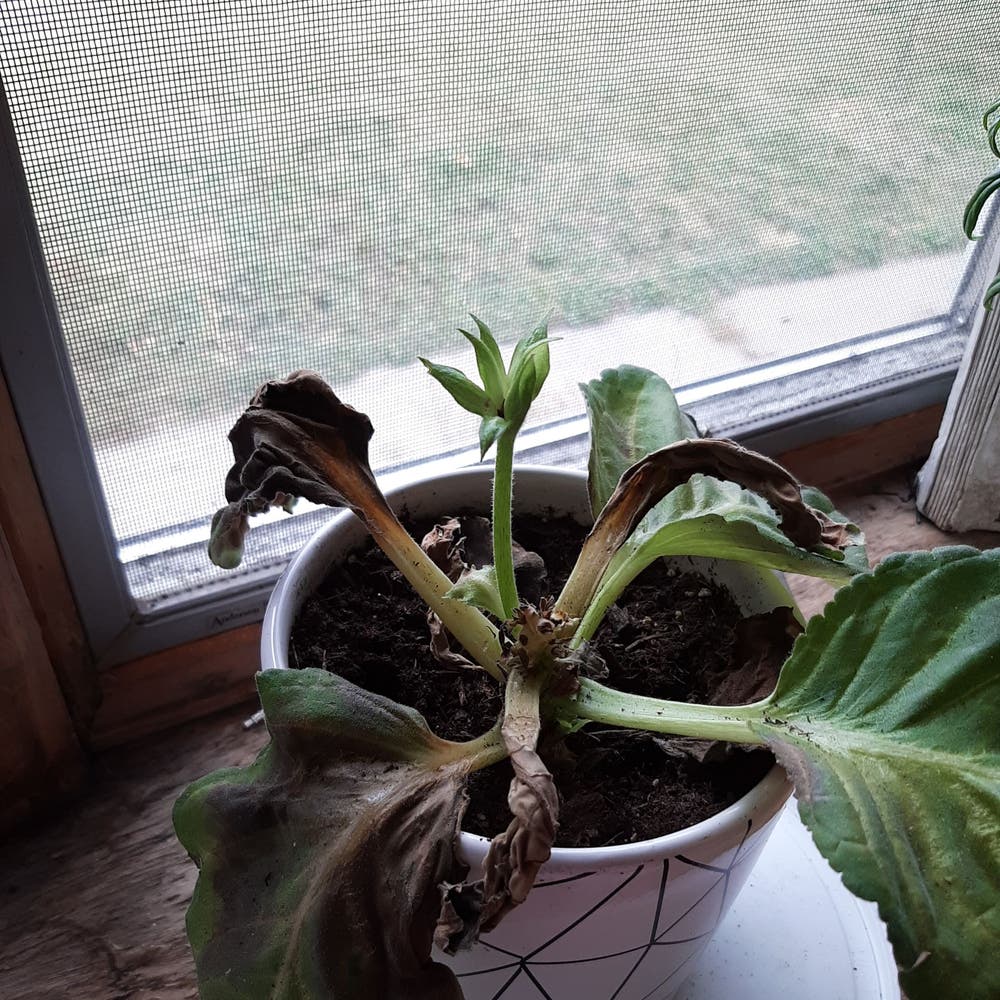
Winter can be tough on Gloxinia, and recognizing the signs of damage is crucial for recovery. Look out for wilting, yellowing leaves, and stunted growth, which often indicate frost damage.
Assessing plant health is equally important. Check for root rot or other issues that may have developed during dormancy, as these can hinder your plant's recovery.
🚀 Recovery Techniques for Damaged Gloxinia
Once you've identified damage, it's time to take action. Start by pruning any dead or damaged leaves; this encourages new growth and helps the plant focus its energy on healthier parts.
Adjusting care practices is essential for recovery. Increase humidity levels and modify your watering schedule to support your Gloxinia as it bounces back from winter stress.
Lastly, keep an eye out for pests. Weakened plants can attract unwanted visitors, so regular inspections will help you catch any infestations early.
With these strategies, your Gloxinia can thrive again as spring approaches. Transitioning into the next season will be smoother with proper care and attention.
⚠️ Safety First
This content is for general information and may contain errors, omissions, or outdated details. It is not medical, veterinary advice, or an endorsement of therapeutic claims.
Always consult a qualified healthcare professional before using any plant as food, medicine, or supplement.
Never eat any plant (or feed one to pets) without confirming its identity with at least two trusted sources.
If you suspect poisoning, call Poison Control (800) 222-1222, the Pet Poison Helpline (800) 213-6680, or your local emergency service immediately.
Spotted an error? Please report it here.
Keep your Gloxinia thriving this winter ❄️ with Greg's tailored care reminders that ensure your plants stay healthy and ready to bloom come spring!