Why Are There Brown Spots on My Gloxinia?
Sinningia speciosa
By the Greg Editorial Team
Jun 18, 2024•4 min read
This article was created with the help of AI so we can cover more plants for you. May contain errors. See one? Report it here.
Banish brown spots on your Gloxinia 🌿 and keep it thriving with our essential care guide.
- Fungal diseases like Botrytis cause brown spots; fungicides can treat them.
- 🌊 Over/underwatering affects leaf health; adjust watering routines accordingly.
- ☀️ Indirect sunlight is best to prevent brown spots and leaf scorch.
Spotting the Culprit: Diagnosing Brown Spots
🕵️♂️ Visual Inspection: What to Look For
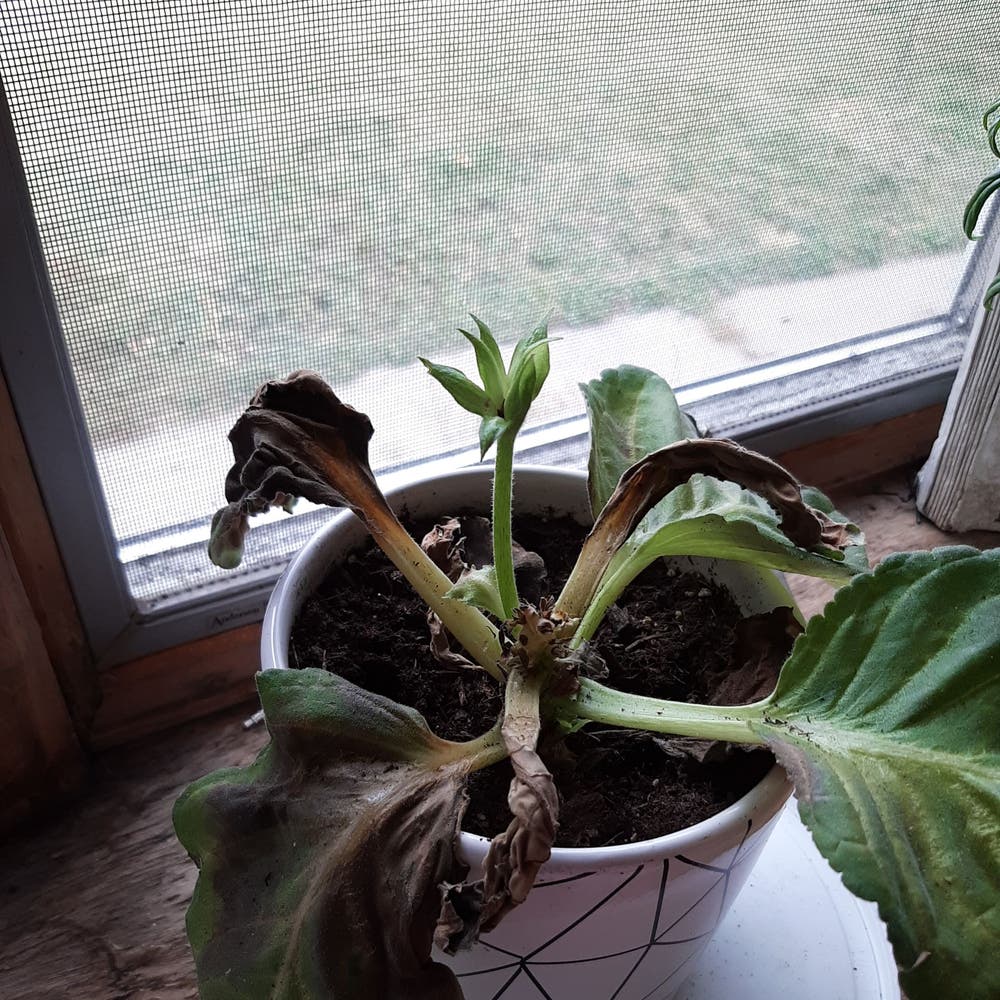
Shape, size, and pattern of brown spots can be telltale signs of the underlying issue. Circular spots often scream fungal involvement, while irregular shapes might hint at pest damage. Spots with a yellow halo or concentric rings are like red flags, indicating a more serious condition that warrants immediate attention.
Beyond the Surface: Other Symptoms to Consider
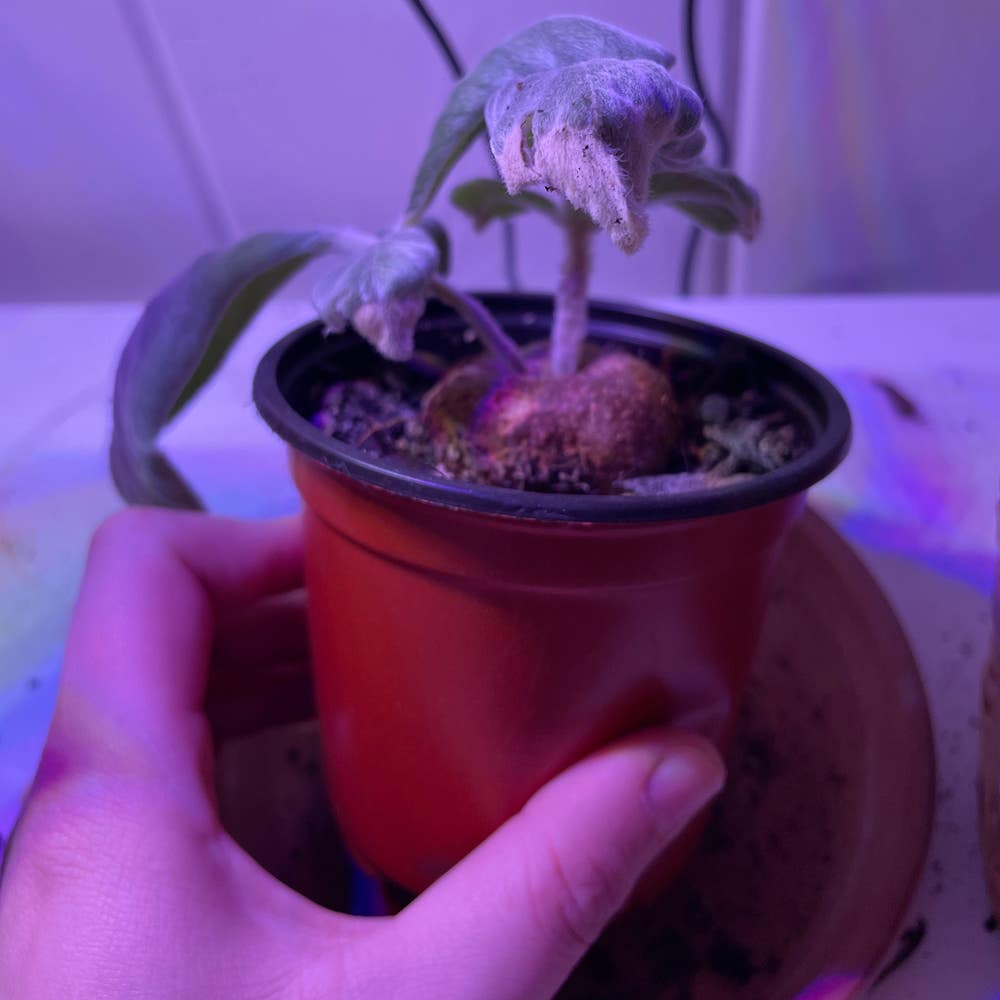
Don't stop at the spots. Yellowing leaves, wilting, or a general look of despair in your Gloxinia could be the plant's cry for help. Symptoms often start on the lower leaves and work their way up, like a slow and treacherous climb. Keep an eye out for leaf drop—it's not just autumn in your living room; it's a symptom that shouldn't be ignored.

Fungal Foes: Tackling Gloxinia Diseases
🍄 Common Fungal Culprits
Gloxinia's lush foliage makes it a prime target for fungal diseases. Botrytis blight and powdery mildew are the usual suspects when it comes to those unsightly brown spots. Botrytis blight, also known as gray mold, thrives in cool, damp conditions and can swiftly turn your plant's leaves into a spotty mess. Powdery mildew, on the other hand, prefers the warmth of the day and the cool of the night, leaving a telltale dusty coating on the leaves.
🌿 Fungicide to the Rescue
When the fungal party gets out of hand, it's time to break out the fungicides. But don't just spray and pray—timing and application are key. Start with a clean slate by removing affected leaves. Then, apply fungicides like iprodione or thiophanate-methyl, ensuring thorough coverage. Remember, fungicides are more of a preventative measure, so regular application during high-risk periods can keep your Gloxinia in the clear. And always, always read the label—those instructions are not just fine print, they're the rulebook for plant survival.

Water Woes: Finding the Balance
💧 The Over/Under of Watering
Brown spots on your Gloxinia can be a red flag for watering issues. Overwatering often leads to a soggy, unhappy plant with yellowing leaves or a rotten smell from the soil, signaling potential root rot. On the flip side, underwatering might leave your Gloxinia's leaves brown and crispy, as if it's been through a desert trek.
💦 Perfecting Your Pour
Adjusting your watering routine is like tuning a guitar; it needs to be just right for the perfect harmony. Aim for soil that feels like a wrung-out sponge—damp, not dripping. Ditch the rigid schedule; instead, water based on your plant's cues and environmental changes. If your Gloxinia's leaves droop or soil feels dry an inch down, it's time to water. But if the soil is damp, give it a break. Remember, overwatering is a tougher fix than underwatering, so when in doubt, wait it out.

Shielding from the Sun: Preventing Leaf Scorch
🌞 The Right Light
Gloxinia thrives in indirect sunlight. Direct sunbeams? Not so much—they can lead to the dreaded brown spots. Your Gloxinia is like that friend who prefers the shade of a tree at a picnic—bright but not direct. Aim for light levels around 2,000 to 3,000 footcandles. Too much sun, and you'll see leaves turning into crispy critters with gray-brown spots.
⛅️ Making Moves
Time to play musical chairs with your Gloxinia. If it's catching too many rays, scoot it back to a spot with filtered light. Think of it as giving your plant a pair of sunglasses. No need to go overboard—a sheer curtain can work wonders. And remember, rotating the pot regularly prevents your Gloxinia from getting a sunburn on just one side. In the winter, you might need to move it closer to the light, but keep it cozy, not toasted.
⚠️ Safety First
This content is for general information and may contain errors, omissions, or outdated details. It is not medical, veterinary advice, or an endorsement of therapeutic claims.
Always consult a qualified healthcare professional before using any plant as food, medicine, or supplement.
Never eat any plant (or feed one to pets) without confirming its identity with at least two trusted sources.
If you suspect poisoning, call Poison Control (800) 222-1222, the Pet Poison Helpline (800) 213-6680, or your local emergency service immediately.
Spotted an error? Please report it here.
Banish those pesky brown spots 🌿 on your Gloxinia by letting Greg tailor your plant's care to perfection with spot-on watering and lighting reminders!