What Temperature Should My Gloxinia Be Kept At?
Sinningia speciosa
By the Greg Editorial Team
Jun 18, 2024•3 min read
This article was created with the help of AI so we can cover more plants for you. May contain errors. See one? Report it here.
Discover the secret to vibrant Gloxinia blooms 🌺 by keeping them in their ideal 65°F-75°F comfort zone!
- 65°F to 75°F is ideal for Gloxinia; avoid extremes.
- 🌡️ Watch for wilting or discoloration as signs of temperature stress.
- Drafts, sunlight, and appliances can disrupt Gloxinia's cozy climate.
Keeping Gloxinia Cozy: The Sweet Spot Temperature Range
♨️ The Goldilocks Zone for Gloxinia
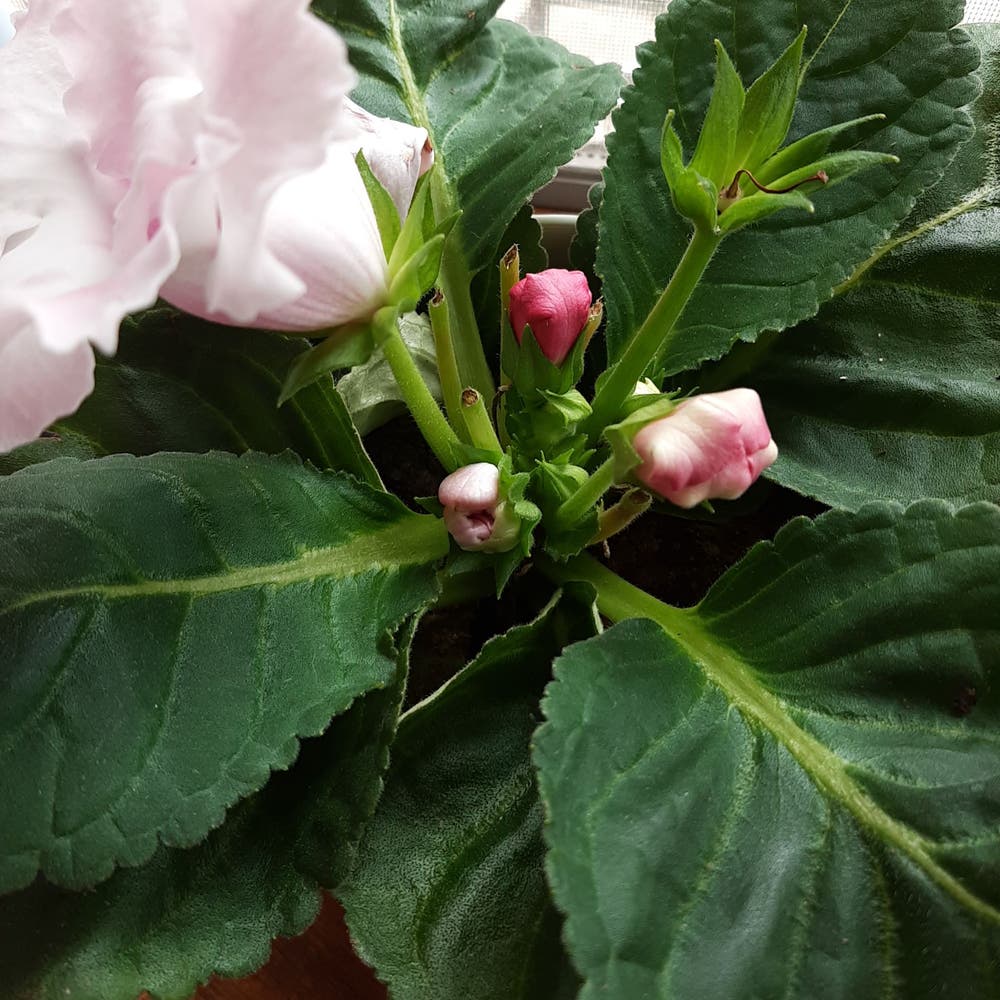
Gloxinia thrives in a temperature range of 65°F to 75°F. This zone mirrors the plant's natural habitat, providing the ideal balance for growth and flowering.
When It's Too Hot or Too Cold
Above 80°F, Gloxinia may enter a state of stress, leading to wilting or leaf burn. Conversely, below 60°F, the plant risks leaf discoloration and reduced blooming, potentially stunting its overall vitality.

Spotting a Chilly or Overheated Gloxinia: Signs of Temperature Stress
🌡️ Visual SOS: Wilting and Discoloration
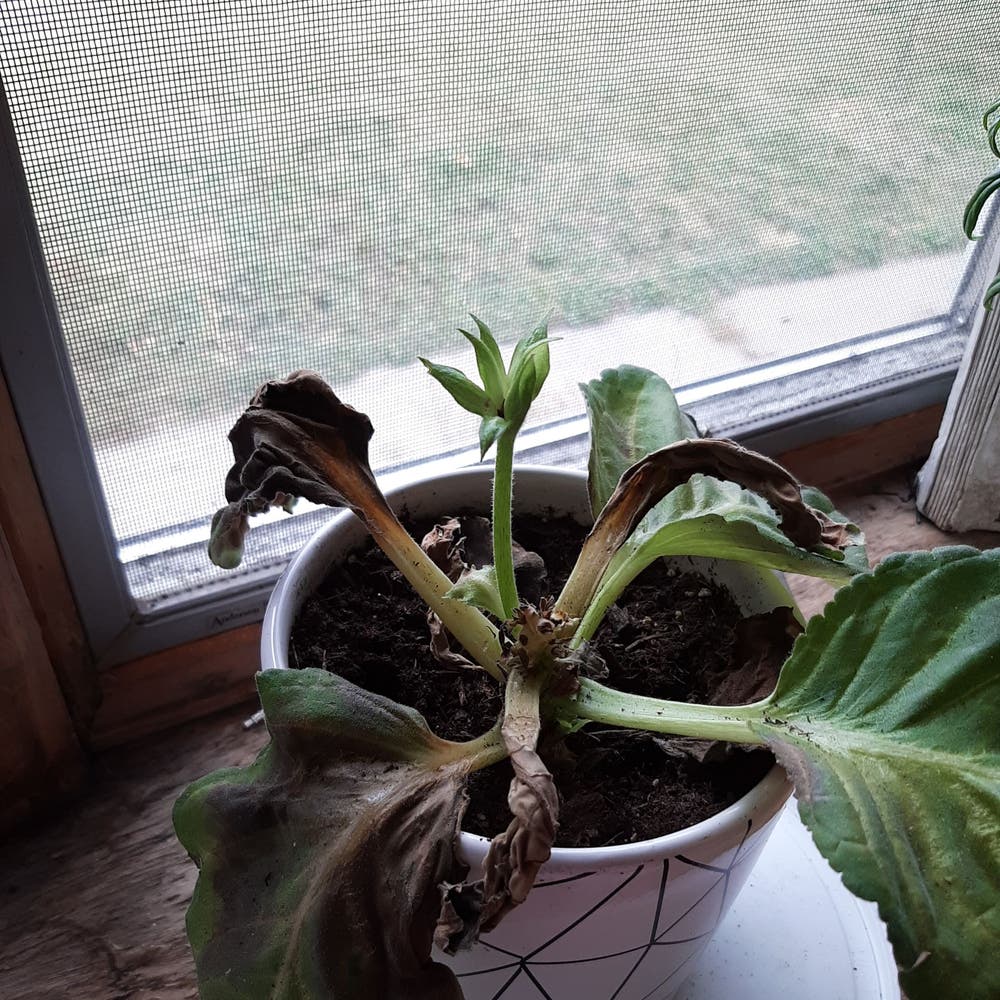
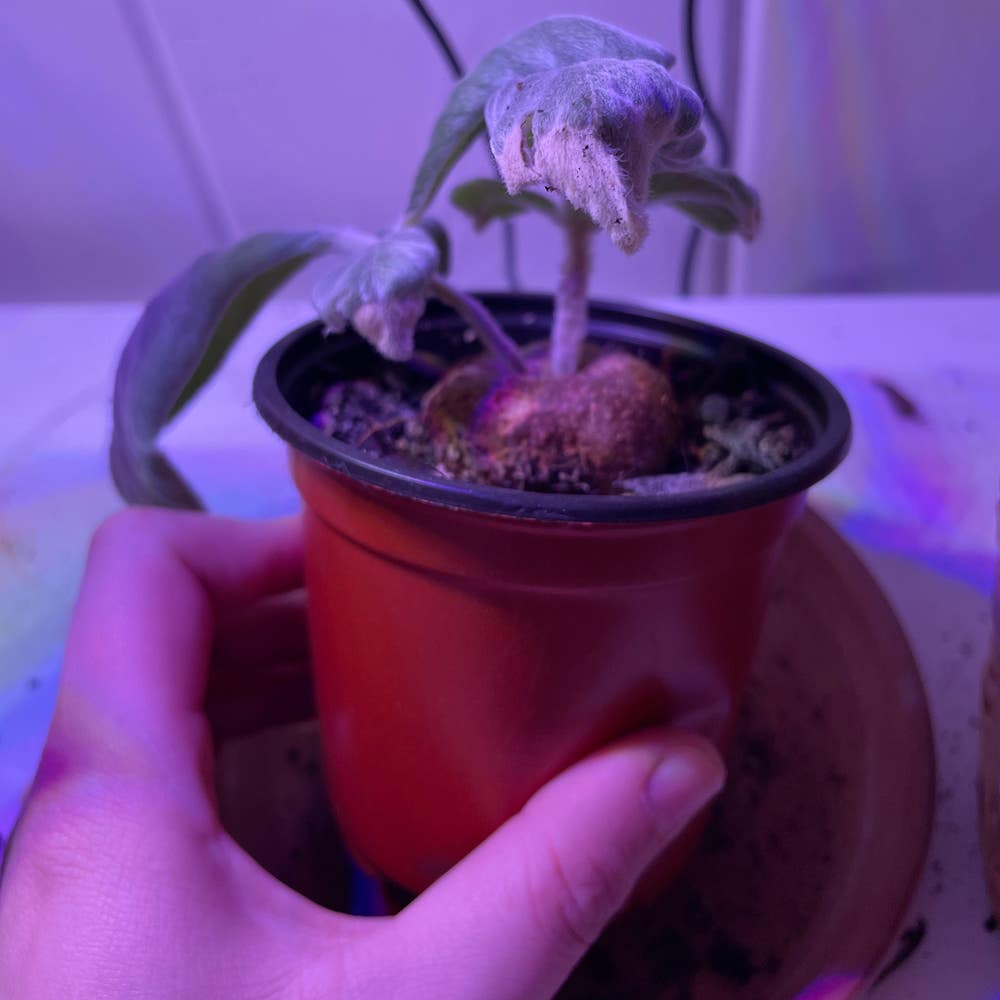
Gloxinia sends a visual SOS when it's too hot or too cold. Wilting leaves are a sign of protest against extreme temperatures. Discoloration, such as brown or black tips, is your cue that the plant's comfort zone has been breached.
Growth and Blooms on Pause
Temperature swings can slam the brakes on Gloxinia's growth and flowering. If your plant's performance seems to have stalled, it might be time to check the thermostat. Remember, Gloxinia's drama is in the details; keep a vigilant eye for subtle signs of stress.

Keeping the Temperature Just Right: Avoiding Temperature Stress
🌬️ Drafts and Direct Sunlight: Hidden Hazards
Drafts are the ninjas of the temperature world, sneaking up on your Gloxinia when you least expect it. Windows and doors that are frequently opened can ambush your plant with a cold gust or a hot wave. To protect your Gloxinia, position it away from these potential threats.
Bright, indirect sunlight is the sweet spot for these beauties. Direct sunlight, especially during the harsh midday, can be as welcome as a sunburn on a beach day. If natural light is too intense, consider using grow lights, but keep them at a respectful distance to avoid scorching your plant.
🔥 Proximity Perils: Heating and Cooling Sources
Your Gloxinia isn't a fan of temperature roller coasters. Heating sources like radiators can turn up the heat too much, while air conditioning units can bring an unwelcome chill. Keep your plant at a safe distance from these devices to maintain a stable temperature.
Regularly monitor your Gloxinia's environment. If you catch your plant throwing shade with some wilting or brown spots, it might be time to reassess its position. Remember, it's not just about fixing a temperature mishap; it's about preventing it from happening in the first place.

A Quick Note on Humidity: Gloxinia's Sidekick
Humidity is Gloxinia's silent partner in crime, often overshadowed by the temperature talk. But get this: humidity matters. A lot.
💧 Humidity: The Unseen Essential
Gloxinia digs a bit of moisture in the air. Not too muggy, not too dry. Think of it like the plant's personal spa environment.
🚫 The Perils of Overdoing It
Too much humidity? You're basically throwing a fungus party. And trust me, fungus is the last guest you want.
⚖️ Keeping It Balanced
Aim for that sweet spot around 50% humidity. A hygrometer can be your secret weapon here, letting you keep tabs on moisture levels like a hawk.
🌿 Practical Tips for Humidity Control
If you're cranking up the heat, don't forget to up the humidity game too. A pebble tray or a humidifier can work wonders. Just keep it balanced—think tropical vibes, not swamp conditions.
💨 The Airflow Factor
Keep the air moving with a gentle fan. Stagnant air is the enemy, inviting all sorts of unwelcome drama for your Gloxinia.
Remember, it's about creating a comfortable, consistent environment. No one likes a humidity rollercoaster, especially not your Gloxinia.
⚠️ Safety First
This content is for general information and may contain errors, omissions, or outdated details. It is not medical, veterinary advice, or an endorsement of therapeutic claims.
Always consult a qualified healthcare professional before using any plant as food, medicine, or supplement.
Never eat any plant (or feed one to pets) without confirming its identity with at least two trusted sources.
If you suspect poisoning, call Poison Control (800) 222-1222, the Pet Poison Helpline (800) 213-6680, or your local emergency service immediately.
Spotted an error? Please report it here.
Ensure your Gloxinia thrives in the ideal climate 🌡️ by using Greg to effortlessly track and adjust your home's conditions for vibrant, healthy blooms.