How Should Gloxinia Be Cut Back?
Sinningia speciosa
By the Greg Editorial Team
Jun 18, 2024•3 min read
This article was created with the help of AI so we can cover more plants for you. May contain errors. See one? Report it here.
Achieve vibrant Gloxinia growth and propagation with timely, precise pruning techniques. 🌺🌿
- Post-bloom pruning preps Gloxinia for dormancy and encourages health.
- Precision cuts above leaf nodes shape and maintain plant form.
- Propagate with pruned stems; root cuttings in water or soil.
Best Timing for Your Snips
🌸 Recognizing the Right Time to Prune
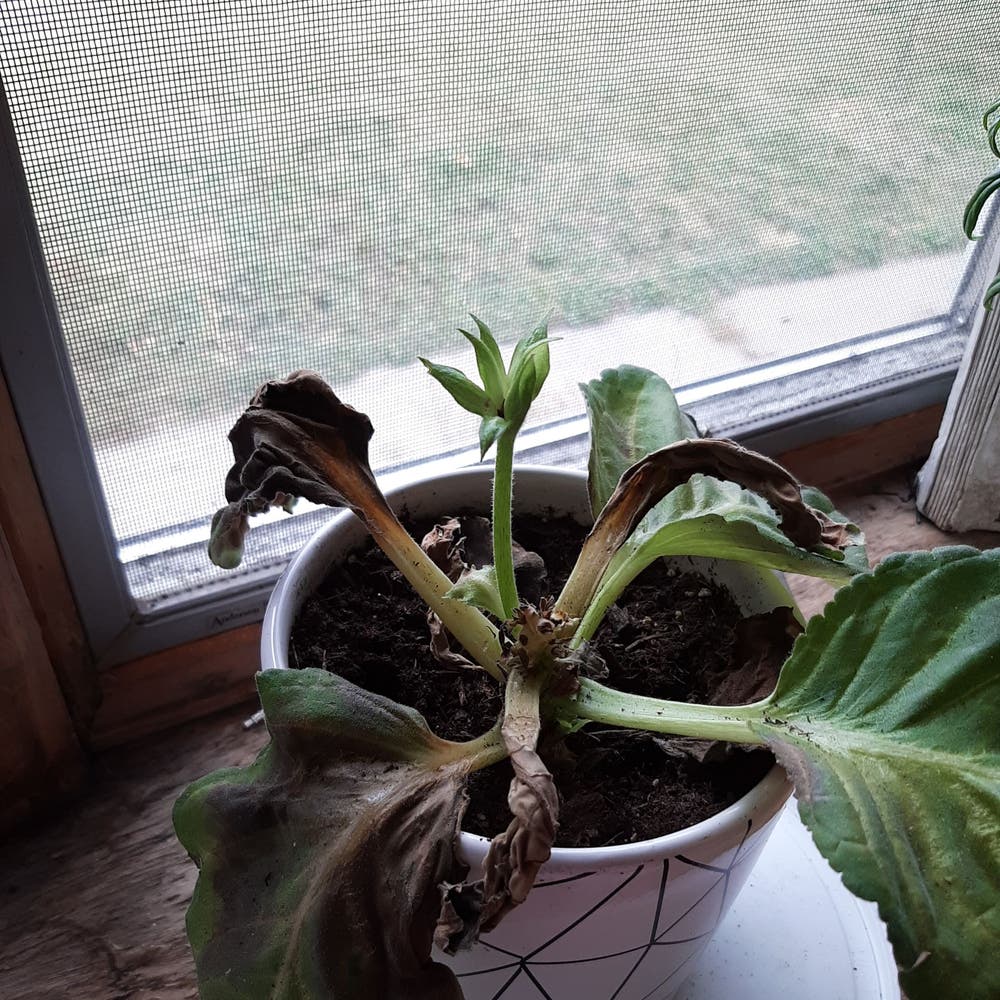
Pruning Gloxinia isn't about following a strict calendar; it's about observing your plant. Look for the telltale signs: spent flowers drooping like party guests after midnight, and leaves more tired than a Monday morning. Seasonally, the best time to wield your shears is post-bloom, before the plant enters its dormancy phase. This timing encourages the plant to conserve energy and prepare for the next flowering cycle.
🌼 After Bloom Care
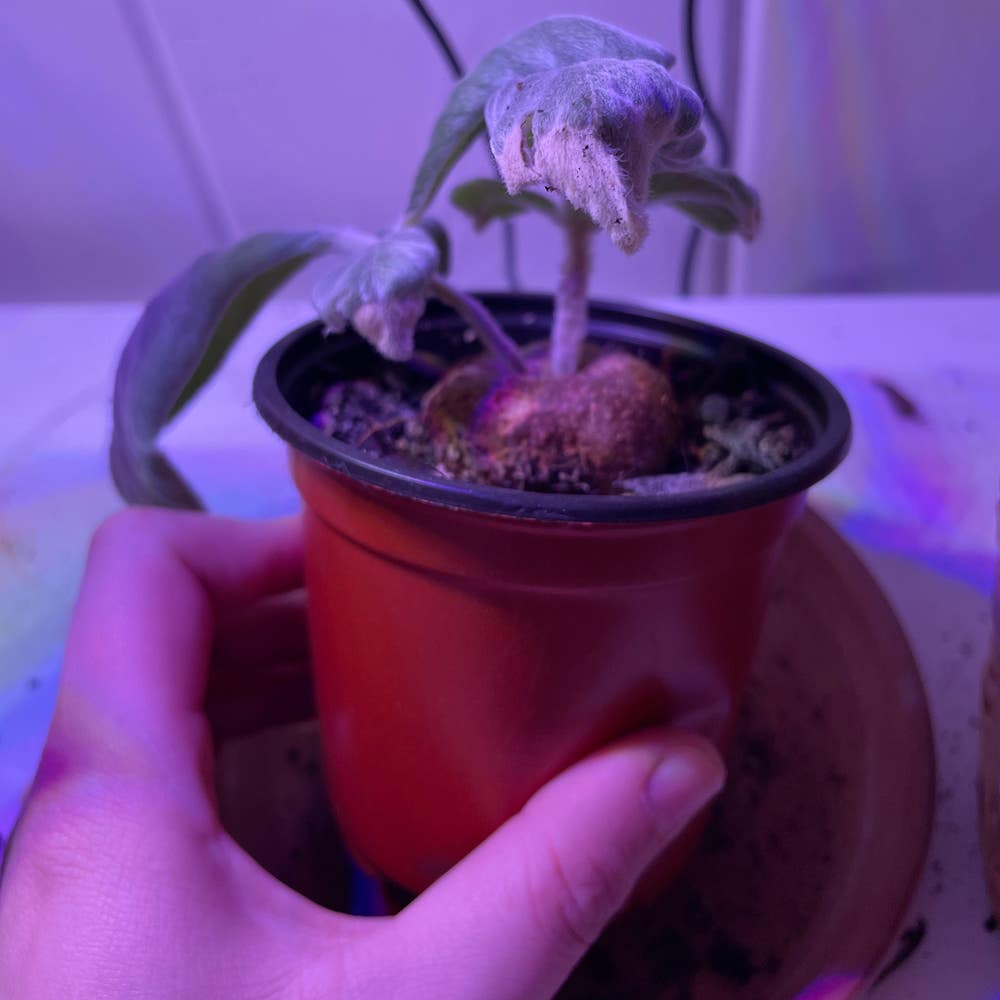
Once the last flower has taken its final bow, it's time for aftercare. Trimming back the spent foliage is like helping your plant slip into something more comfortable for its rest period. But remember, it's a trim, not a buzz cut. Remove only what's necessary to keep the plant healthy—think of it as a plant detox. After pruning, treat your Gloxinia to a light fertilizer spa to replenish its energy, setting the stage for a comeback stronger than a 90s boy band.

Pruning Techniques for Gloxinia Perfection
✂️ The Right Cut
Pruning Gloxinia isn't just about hacking back the foliage; it's a finesse game. Start by sterilizing your pruning shears—no one wants a plant infection on their hands. Now, get in there and make your cuts right above a leaf node. That's the sweet spot where new growth will pop. Remember, it's like giving your plant a new lease on life, not sending it into shock.
🌿 Shape It Up
When shaping Gloxinia, think of yourself as a sculptor, but instead of marble, you're working with something that can grow back. Trim back any overzealous growth to maintain the plant's form. It's about subtle nudges, not creating a botanical bonsai. Step back occasionally to check your work from different angles—balance is key.
💐 Deadheading and Leaf Management
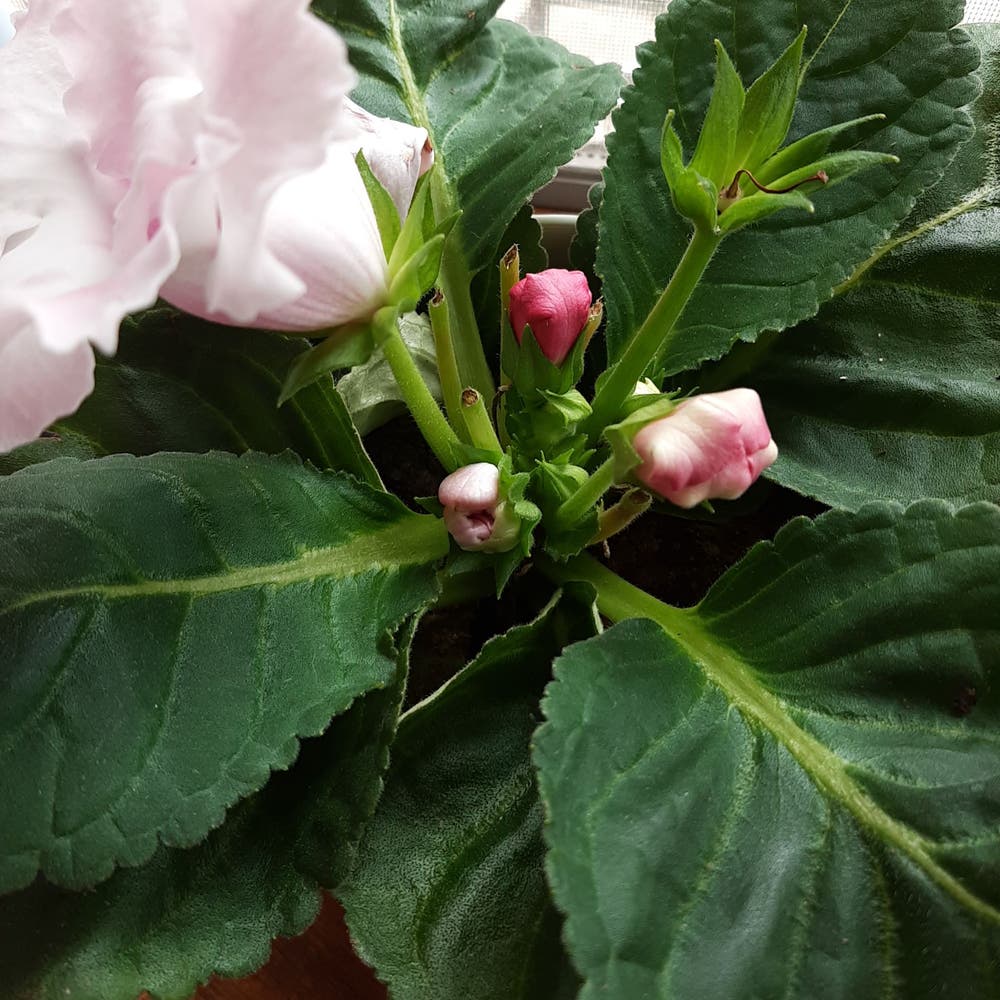
Deadheading is the secret sauce for a repeat bloom performance. Gently remove spent flowers to encourage the plant to focus on popping out new ones. And while you're at it, pinch off any yellowing or dead leaves. It's like removing the dead weight so the plant can soar. Keep it clean, keep it healthy, and watch it thrive.

Propagation Through Pruning
✂️ Snip to Multiply
Pruning isn't just a trim-and-tidy affair; it's your ticket to Gloxinia multiplication. To propagate, snip a healthy stem, ensuring it includes at least one node—the launch pad for new growth.
🌱 Caring for Cuttings
After the cut, it's time for TLC. Rooting can be a water spectacle or a soil saga. If you go aquatic, submerge the node; if you're team terra firma, plant in moist soil. Either way, patience is your new best friend—cuttings can be slow starters, but they're worth the wait. Keep the environment stable, and soon you'll have new Gloxinias joining the family.

⚠️ Safety First
This content is for general information and may contain errors, omissions, or outdated details. It is not medical, veterinary advice, or an endorsement of therapeutic claims.
Always consult a qualified healthcare professional before using any plant as food, medicine, or supplement.
Never eat any plant (or feed one to pets) without confirming its identity with at least two trusted sources.
If you suspect poisoning, call Poison Control (800) 222-1222, the Pet Poison Helpline (800) 213-6680, or your local emergency service immediately.
Spotted an error? Please report it here.
Ensure your Gloxinia thrives with spot-on snips ✂️ by letting Greg remind you when it's prime pruning time, for beauty and propagation alike!