Why Are My Gloxinia Leaves Mushy?
Sinningia speciosa
By the Greg Editorial Team
Jun 18, 2024•4 min read
This article was created with the help of AI so we can cover more plants for you. May contain errors. See one? Report it here.
Revive your Gloxinia by tackling mushy leaves with proven fixes for lush growth. 🌿
[[Thoughts]]: The revised statement is more concise and directly addresses the reader's desire to improve their plant's health. It implies the article will provide solutions and the benefit of lush growth, which is both practical and aspirational. The plant emoji adds a touch of nature to the statement.
- Overwatering? Let soil dry, repot with well-draining soil.
- Root rot woes? Remove mushy roots, ensure proper drainage.
- Prune for health: Trim mushy leaves, use sharp scissors.
When Too Much Water Loves Your Gloxinia Too Much
🚱 Spotting Overwatering Signs
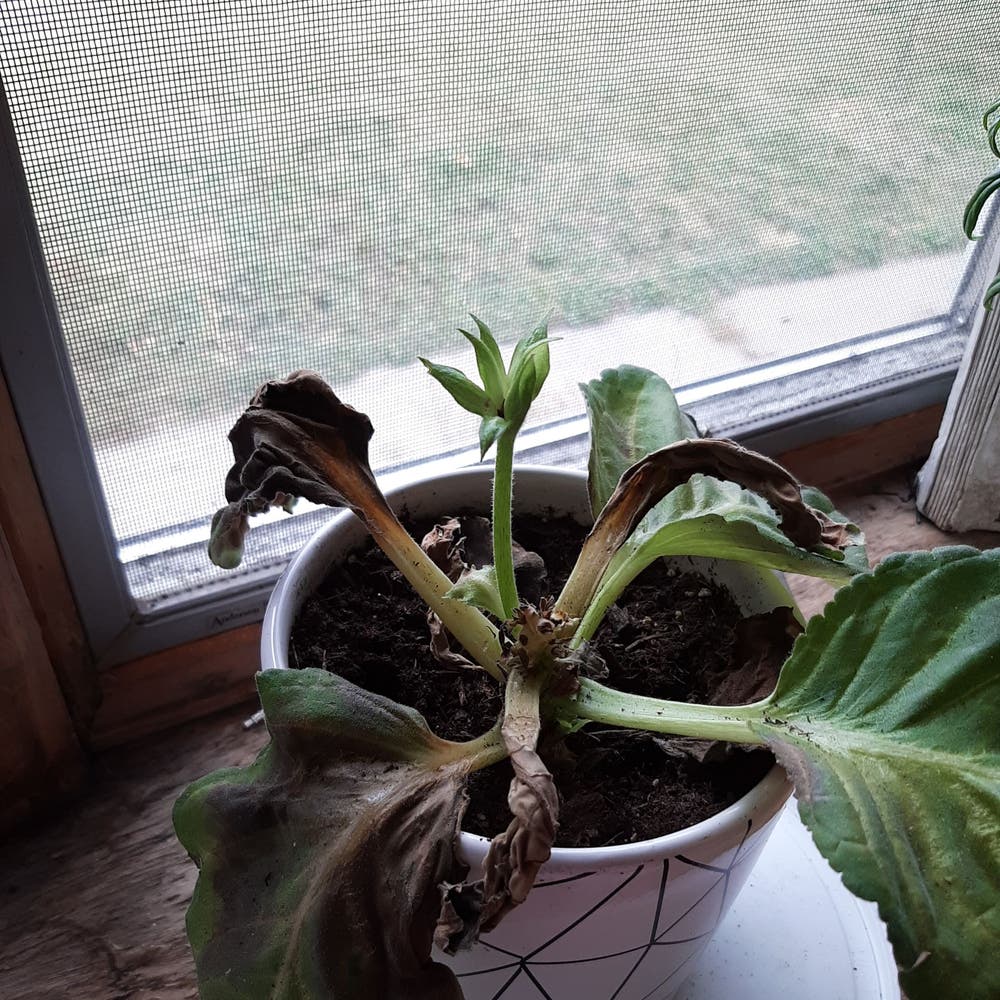
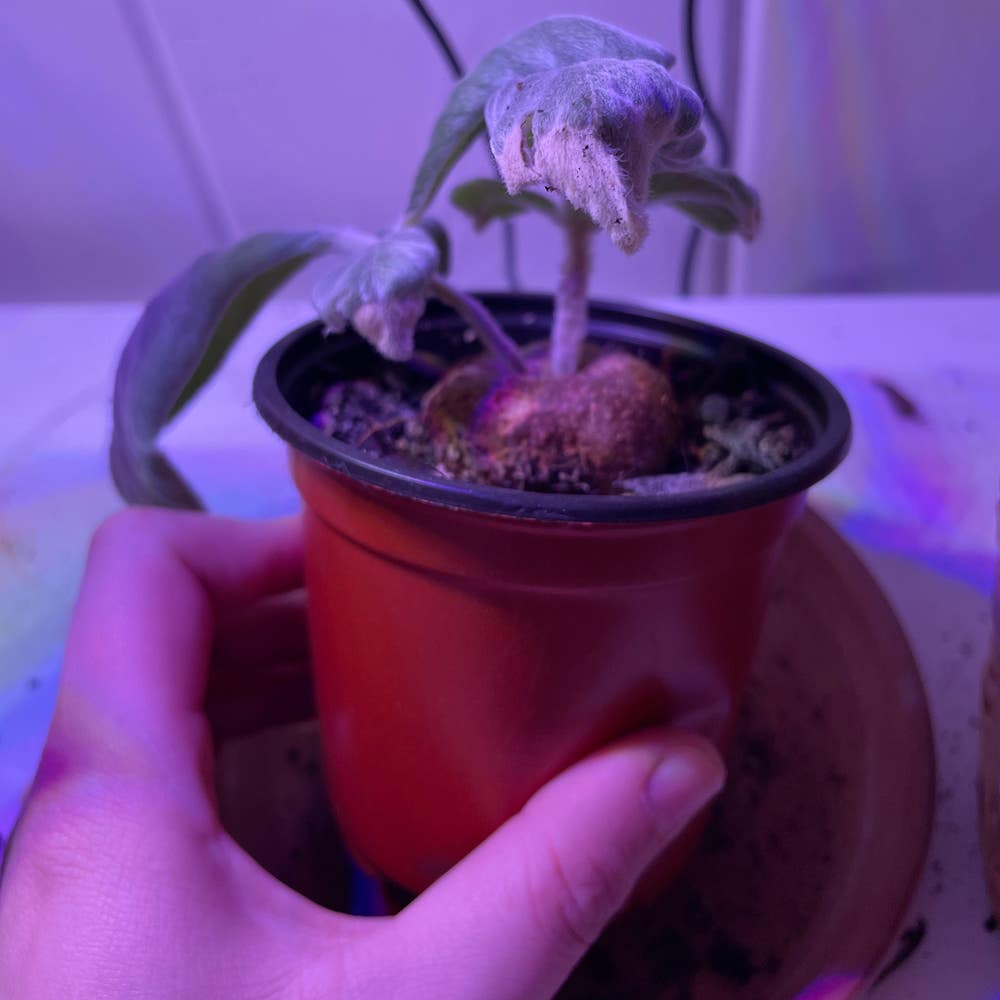
Your Gloxinia is screaming for help if its leaves are as limp as overcooked spaghetti. Brown spots with yellow halos are a distress signal, and a musty soil scent is the plant's version of a white flag.
🌊 Fixing the Flood
Cease all watering to let the soil dry. If the pot feels like you're lifting weights, it's drenched. Inspect the roots; if they're soft and brown, snip the rotten parts. A repot might be in order, armed with fresh, well-draining soil. Remember, only water when the top inch of soil feels like a dry summer day.
💧 Keeping the Waterworks in Check
Consistency is key—water your Gloxinia when the soil's top layer is dry, not on a whim. Monitor your plant's environment; too much humidity or the wrong temperature can mess with its hydration needs. If you've switched to a new sprayer, make sure it's not a firehose in disguise. Keep the waterworks in check, and your Gloxinia will thank you by not turning into a mushy mess.

The Dreaded Root Rot Rumble
🌱 Unearthing the Root of the Problem
Root rot in Gloxinia is like a bad relationship—it's unhealthy, and it's not always obvious until things have gone south. Yellow leaves or a plant that's wilting faster than your enthusiasm at a bad party can be signs. If the roots smell worse than forgotten laundry, it's time to take action.
🏥 Root Rot Rehab
First, evict your plant from its pot with the tenderness of a bomb squad. Inspect the roots. Healthy ones are the bodybuilders of the plant world—firm and white. Mushy, brown roots? Not so much. Snip the bad ones with sterilized scissors like you're performing surgery. After the amputation, let the soil dry out like a sunbather at the beach.
🚰 Keeping Roots Happy and Healthy
Prevention is the name of the game. Ensure proper drainage in your pots to avoid root rot's unwelcome return. Think of water like a good gin—enough is marvelous, too much and you'll have regrets. Monitor your watering habits and keep the air flowing around your Gloxinia like it's gossip, and you'll keep those roots in check.

Soil Matters: Setting the Stage for Healthy Leaves
Assessing Your Soil Situation
🕵️♂️ Your Gloxinia's soil is the silent informant of leaf health. If leaves go mushy, it's time to play detective with your dirt. Check moisture levels; Gloxinia thrives in moist, but not soggy, conditions. A soil that's too wet screams overwatering, while bone-dry soil hints at underwatering.
The Great Repotting
🚑 Repotting isn't just about upgrading your plant's living space; it's a lifesaver for mushy leaves. Do it every couple of years or when the soil feels more like a swamp than a nurturing ground. The best time? Spring, when Gloxinia kicks into growth gear.
Choosing the Right Soil and Pot
🛏️ Selecting soil and pots is like picking a mattress; you want support with the right amount of give. Use a well-draining mix and pots with drainage holes to avoid waterlogged roots. Remember, Gloxinia's fine roots despise wet feet, so aim for the Goldilocks zone of moisture.

Pruning: A Cut Above for Gloxinia Care
✂️ Trimming the Trouble
Pruning isn't just about aesthetics; it's a vital part of Gloxinia care. When leaves turn mushy, it's a clear SOS signal. Snip off these soggy offenders at the base to prevent the spread of decay. This also redirects the plant's energy to healthier growth. Remember, each cut is a fresh start for your Gloxinia.
🌱 Pruning Best Practices
Timing is everything. Prune your Gloxinia when it's actively growing, typically in the spring or summer. Use sharp, clean scissors to avoid inflicting more stress on the plant. Cut just above a leaf node, where new growth will spring forth. Post-trim, keep an eye on your plant like a hawk; it's the only way to ensure your surgical strike against mushiness was a success.
⚠️ Safety First
This content is for general information and may contain errors, omissions, or outdated details. It is not medical, veterinary advice, or an endorsement of therapeutic claims.
Always consult a qualified healthcare professional before using any plant as food, medicine, or supplement.
Never eat any plant (or feed one to pets) without confirming its identity with at least two trusted sources.
If you suspect poisoning, call Poison Control (800) 222-1222, the Pet Poison Helpline (800) 213-6680, or your local emergency service immediately.
Spotted an error? Please report it here.
Avoid the mushy-leaf blues in your Gloxinia by letting Greg's custom reminders 🌺 keep your watering just right for healthy, vibrant blooms.