Gloxinia Is a Perennial 🌸
Sinningia speciosa
By the Greg Editorial Team
Nov 23, 2024•6 min read
This article was created with the help of AI so we can cover more plants for you. May contain errors. See one? Report it here.
Cultivate stunning Gloxinia perennials 🌸 with simple care tips for vibrant blooms year after year!
- 🌱 Gloxinia is a perennial, thriving in cycles of growth, flowering, and dormancy.
- ☀️ Bright, indirect light and well-draining soil are essential for healthy Gloxinia growth.
- 🌍 Gloxinia adapts to various climates, making it versatile for diverse gardening environments.
Characteristics of Gloxinia as a Perennial
🌱 Multi-Year Lifecycle
Gloxinia exhibits a fascinating multi-year lifecycle that includes four distinct stages: emergence, growth, flowering, and dormancy. Each phase plays a crucial role in the plant's overall health and vitality.
Emergence: This stage marks the beginning of the growth cycle, typically occurring in early spring. The tubers awaken from dormancy, sending out new shoots.
Growth: Following emergence, Gloxinia enters a vigorous growth phase that lasts several months. During this time, the plant develops lush foliage and prepares for blooming.
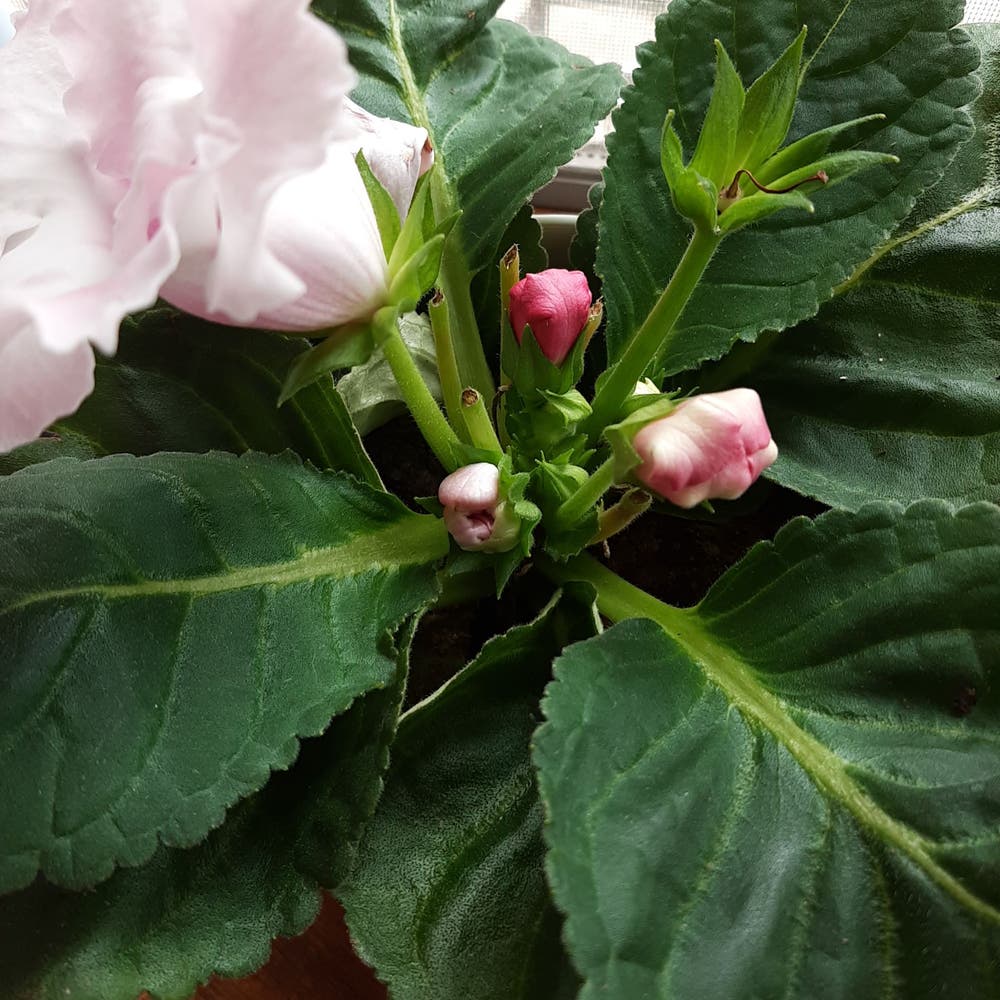
Flowering: Gloxinia usually flowers in late spring to early summer, showcasing vibrant blooms that can last for weeks. This phase is critical for reproduction and attracting pollinators.
Dormancy: As summer wanes, Gloxinia enters dormancy, a rest phase where growth significantly slows or halts. This period usually lasts from late summer to early spring, allowing the plant to conserve energy.
🌿 Growth Patterns and Regrowth
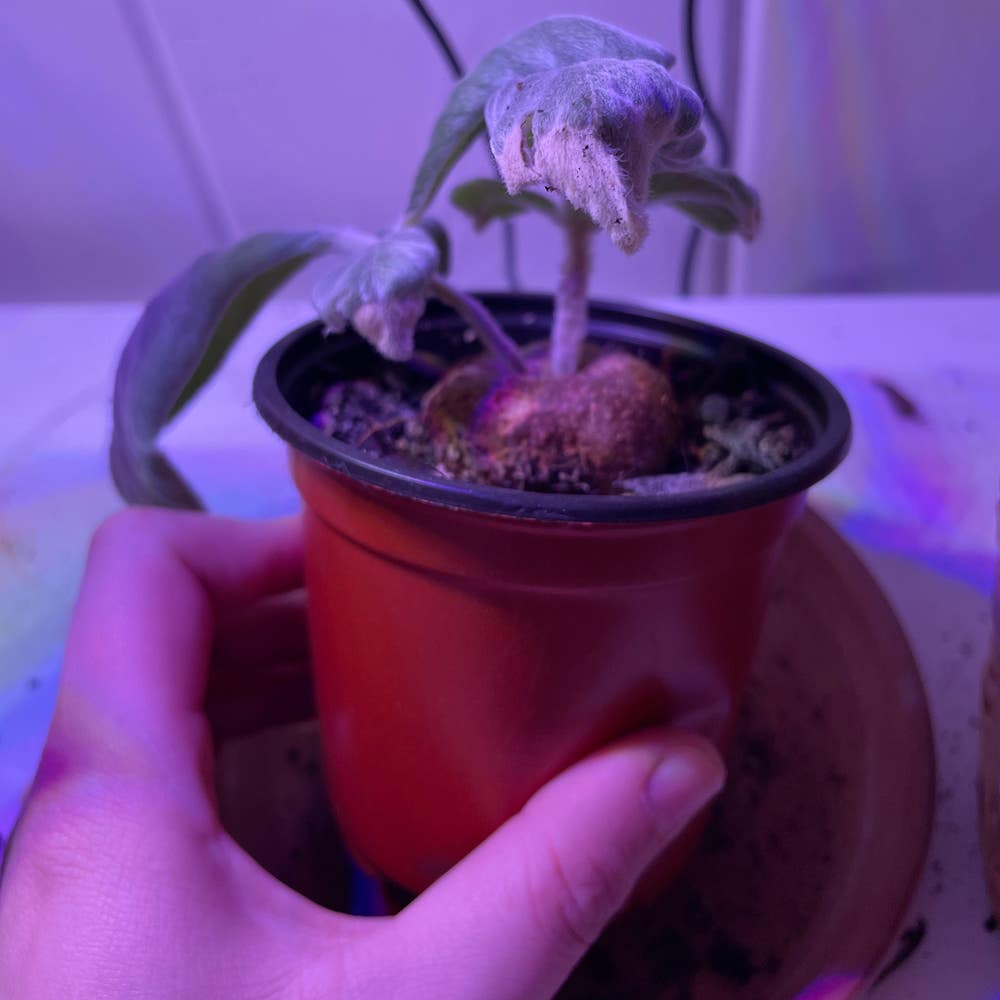
Gloxinia's ability to regrow each year is largely due to its robust root system. The tubers store nutrients and energy, enabling the plant to bounce back after dormancy.
Light: Adequate sunlight is essential for healthy growth. Gloxinia thrives in bright, indirect light, which promotes lush foliage and vibrant flowers.
Temperature: This plant prefers moderate temperatures, ideally between 65°F to 75°F (18°C to 24°C). Extreme temperatures can hinder growth and flowering.
Soil Conditions: Well-draining soil is crucial for Gloxinia's health. A mix of potting soil and perlite or sand can enhance drainage and prevent root rot.
Understanding these growth patterns and the factors that influence them can help you cultivate a thriving Gloxinia in your garden. As we explore the next section, we'll delve into the dormancy periods and seasonal changes that affect this perennial's lifecycle.
Dormancy and Seasonal Changes
Dormancy Periods 🌙
Dormancy is a crucial phase for perennials like Gloxinia, marking a period when growth significantly slows or halts. This rest phase allows the plant to conserve energy and resources, preparing for the next growth cycle.
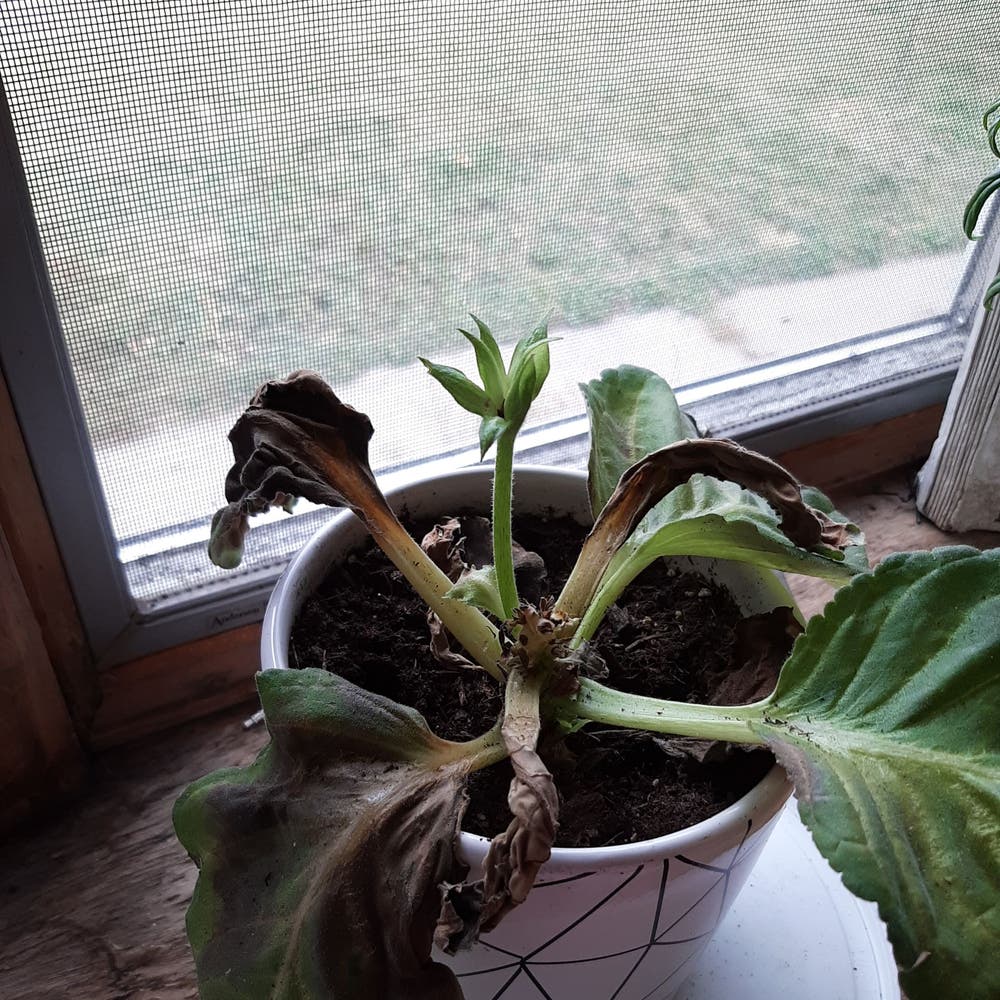
For Gloxinia, dormancy typically occurs in late fall and lasts through winter. During this time, you might notice the leaves wilting and dying back, signaling that the plant is entering its restful state.
Seasonal Changes 🌼
Gloxinia's growth cycles are closely tied to seasonal changes, responding dynamically to shifts in temperature and light. As spring approaches, the plant awakens from dormancy, initiating a vibrant growth phase characterized by lush foliage and budding flowers.
Temperature and light play pivotal roles in Gloxinia's flowering cycles. Warmer temperatures and increased daylight stimulate blooming, while cooler conditions can delay or inhibit flower production. Understanding these seasonal dynamics helps gardeners optimize their care for a flourishing Gloxinia.
As we explore the impact of Gloxinia's perennial nature on its growth and lifespan, it's essential to consider how these dormancy and seasonal changes influence its overall health and flowering patterns.
Impact of Perennial Nature on Growth and Lifespan
🌸 Effects on Flowering and Lifespan
Gloxinia's classification as a perennial significantly influences its flowering patterns. This plant exhibits cyclical blooming, meaning it flowers repeatedly throughout its life, rather than just once.
Typically, Gloxinia can live for several years, with a lifespan ranging from 3 to 5 years under optimal conditions. Factors such as care practices, environmental stressors, and disease can either extend or shorten this lifespan.
⏳ Factors Influencing Longevity
Environmental factors play a crucial role in the longevity of Gloxinia. Soil quality, for instance, affects nutrient availability, while proper watering practices ensure the plant remains hydrated without becoming waterlogged.
Light exposure is another critical element. Gloxinia thrives in bright, indirect sunlight, and inadequate light can lead to stunted growth and reduced flowering.
Care practices are equally important. Regular maintenance, including deadheading spent blooms and monitoring for pests, can enhance the plant's health and longevity.
By understanding these factors, you can create an environment that supports Gloxinia's vibrant growth and extends its life. This knowledge not only enriches your gardening experience but also fosters a deeper connection with these beautiful perennials.
As we explore the next section, we'll delve into how Gloxinia adapts to various climate zones, further enhancing its resilience and beauty.
Variations Across Climate Zones
🌍 Adaptations to Climate
Gloxinia is a remarkable perennial that showcases its adaptability across various climate zones. Whether in temperate or tropical regions, this plant has unique strategies to thrive.
In temperate climates, Gloxinia often experiences a distinct seasonal cycle. It takes advantage of the cooler temperatures and varying light conditions to enter dormancy during the winter months. This rest phase is crucial for conserving energy and preparing for the vibrant growth that follows in spring.
Conversely, in tropical climates, Gloxinia tends to maintain a more consistent growth pattern throughout the year. The warm temperatures and abundant sunlight allow it to flourish continuously, although it may still exhibit some dormancy during the driest months. This flexibility helps Gloxinia to adapt its growth and flowering cycles to the environmental conditions it faces.
🌱 Specific Adaptations
Gloxinia modifies its growth and dormancy based on climate factors. In cooler regions, it develops a robust root system to store nutrients and moisture, ensuring survival during harsh winters. This adaptation is vital for its long-term health and flowering potential.
In warmer climates, Gloxinia may produce more foliage and flowers, capitalizing on the extended growing season. However, it also requires careful attention to watering and humidity levels to prevent stress. Understanding these adaptations can help gardeners optimize their care strategies, ensuring that Gloxinia thrives regardless of the climate.
As we explore how to maximize Gloxinia's perennial benefits, it's essential to consider these climate adaptations. They play a significant role in the plant's overall health and longevity, setting the stage for successful cultivation.
Maximizing Gloxinia's Perennial Benefits
🌱 Garden Planning Tips
Strategic placement of Gloxinia in your garden can significantly enhance its growth and flowering. Consider areas that receive bright, indirect sunlight, as too much direct sun can scorch the leaves.
Space is also crucial; ensure that Gloxinia has enough room to spread without overcrowding. This not only promotes healthy growth but also allows for better air circulation, reducing the risk of disease.
Companion planting can further benefit your Gloxinia. Pairing it with other perennials can create a vibrant garden ecosystem, attracting beneficial insects and providing natural pest control.
🌿 Long-Term Cultivation Strategies
Maintaining healthy root systems is vital for Gloxinia's longevity. Regularly check the tubers for signs of rot or disease, and ensure they are planted in well-draining soil to prevent waterlogging.
Adjust your care practices based on the plant's growth and dormancy phases. During the active growing season, increase watering and fertilization, while reducing both during dormancy to mimic natural conditions.
Propagation is another key strategy for maintaining garden diversity. You can easily propagate Gloxinia by dividing tubers or taking leaf cuttings, ensuring a continuous supply of these beautiful plants in your garden.
By implementing these garden planning tips and long-term cultivation strategies, you can maximize the benefits of Gloxinia's perennial nature, ensuring a thriving and colorful garden year after year.
⚠️ Safety First
This content is for general information and may contain errors, omissions, or outdated details. It is not medical, veterinary advice, or an endorsement of therapeutic claims.
Always consult a qualified healthcare professional before using any plant as food, medicine, or supplement.
Never eat any plant (or feed one to pets) without confirming its identity with at least two trusted sources.
If you suspect poisoning, call Poison Control (800) 222-1222, the Pet Poison Helpline (800) 213-6680, or your local emergency service immediately.
Spotted an error? Please report it here.
Help your Gloxinia thrive 🌼 through its vibrant lifecycle with Greg's personalized care reminders and tailored watering plans that keep your plant flourishing year after year!