🌸 Gloxinia Is Not an Annual
Sinningia speciosa
By the Greg Editorial Team
Nov 23, 2024•6 min read
This article was created with the help of AI so we can cover more plants for you. May contain errors. See one? Report it here.
Unlock the secret to thriving Gloxinia 🌱, a perennial beauty that blooms year after year with proper care!
- 🌼 Gloxinia is a perennial, thriving for years unlike short-lived annuals.
- 🌱 Tuber storage allows regrowth after dormancy, ensuring vibrant blooms each season.
- 🌞 Proper care and environment enhance Gloxinia's health and blooming potential.
Gloxinia's Perennial Nature
🌱 Genetic Characteristics
Gloxinia belongs to the Gesneriaceae family, a group known for its stunning flowering plants. Its genetic makeup is specifically adapted for perennial growth, allowing it to thrive year after year.
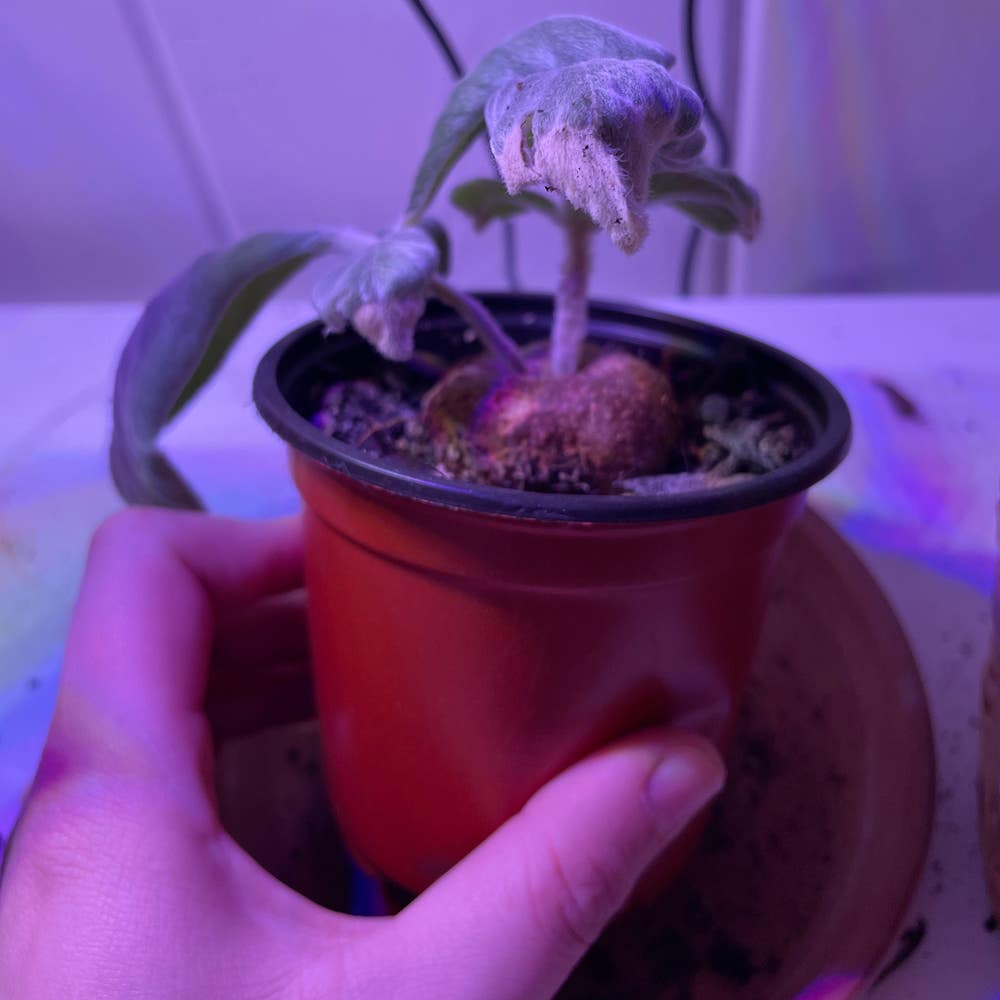
The tuberous structure of Gloxinia plays a crucial role in its survival. These tubers store essential nutrients, providing the plant with the resources needed for regrowth after dormancy.
🌿 Physiological Traits Supporting Perennial Growth
The leaf structure of Gloxinia is designed for optimal photosynthesis during the growing seasons. This adaptation ensures that the plant can harness sunlight effectively, promoting vigorous growth.
Additionally, Gloxinia develops a robust root system that supports its tubers. This system not only stores nutrients but also anchors the plant, allowing it to withstand various environmental conditions.
⏳ Long-Term Lifecycle
Gloxinia undergoes a fascinating lifecycle that includes germination, vegetative growth, dormancy, and regrowth. With proper care, these plants can live for several years, rewarding gardeners with their beauty.
Seasonally, Gloxinia exhibits distinct behavior. It enters dormancy during the winter months, conserving energy, and springs back to life with vibrant growth as temperatures rise in spring and summer.
This perennial nature makes Gloxinia a unique addition to any garden, offering both beauty and longevity. As we explore its growth and reproductive strategies, you'll see how these traits further distinguish it from annual plants.
Growth and Reproductive Strategies
🌱 Growth Patterns Compared to Annuals
Gloxinia exhibits an extended growth period that spans multiple seasons, unlike annuals that complete their lifecycle in just one. This perennial plant has a unique ability to enter dormancy, allowing it to survive unfavorable conditions and re-emerge when the environment is more suitable.
🌸 Flowering Cycles
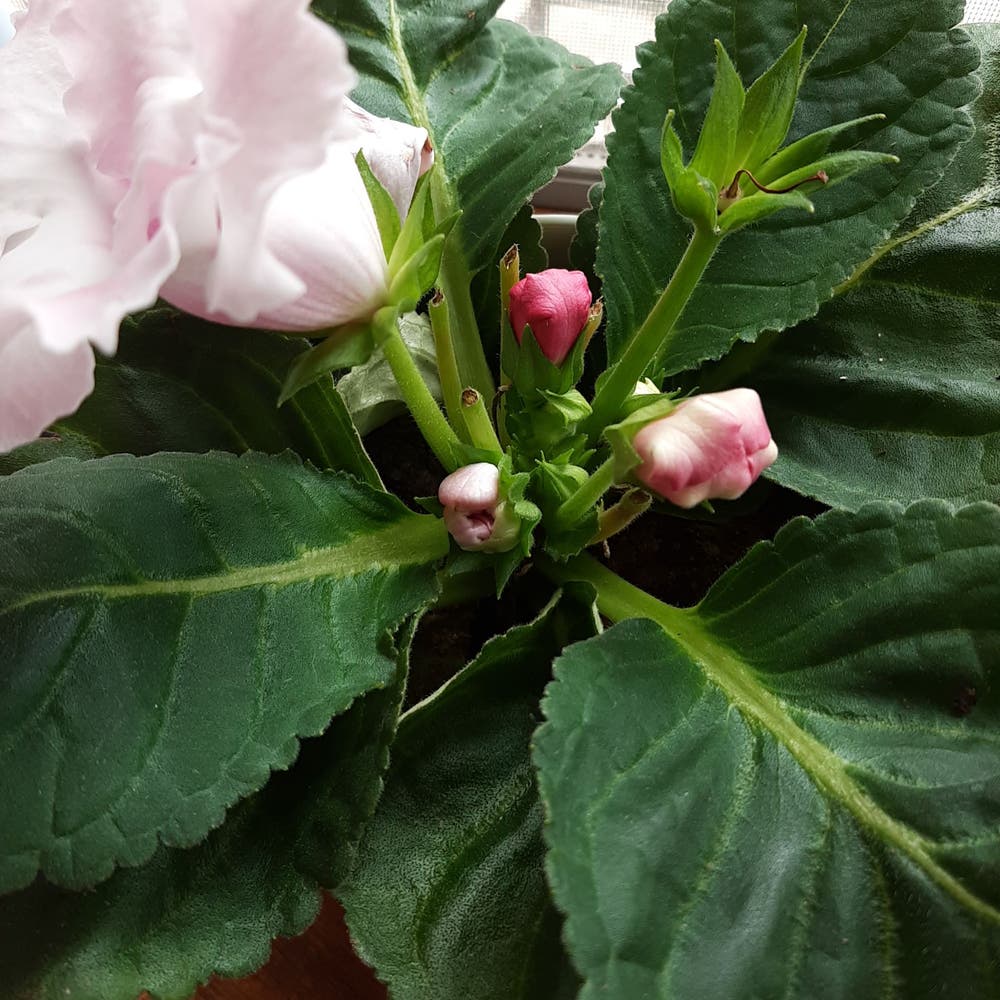
One of the most captivating aspects of Gloxinia is its blooming period. This plant can produce multiple blooms within a single season, creating a vibrant display that lasts longer than many annuals. Factors such as light, temperature, and water availability play crucial roles in influencing flowering, making care essential for optimal growth.
🌼 Seed Production vs. Annuals
While Gloxinia does produce seeds, this is not its primary method of propagation. Instead, tuber propagation is the main reproductive strategy, allowing the plant to thrive and spread effectively. In contrast to annuals, which rely heavily on seed production to complete their lifecycle, Gloxinia's tuber-based approach highlights its resilience and adaptability.
As we explore the misconceptions surrounding Gloxinia, it’s important to understand how these growth and reproductive strategies contribute to its classification as a perennial. This knowledge will help you appreciate the plant's unique characteristics and care requirements.
Misconceptions and Exceptions
🌱 Situations Treated as Annual
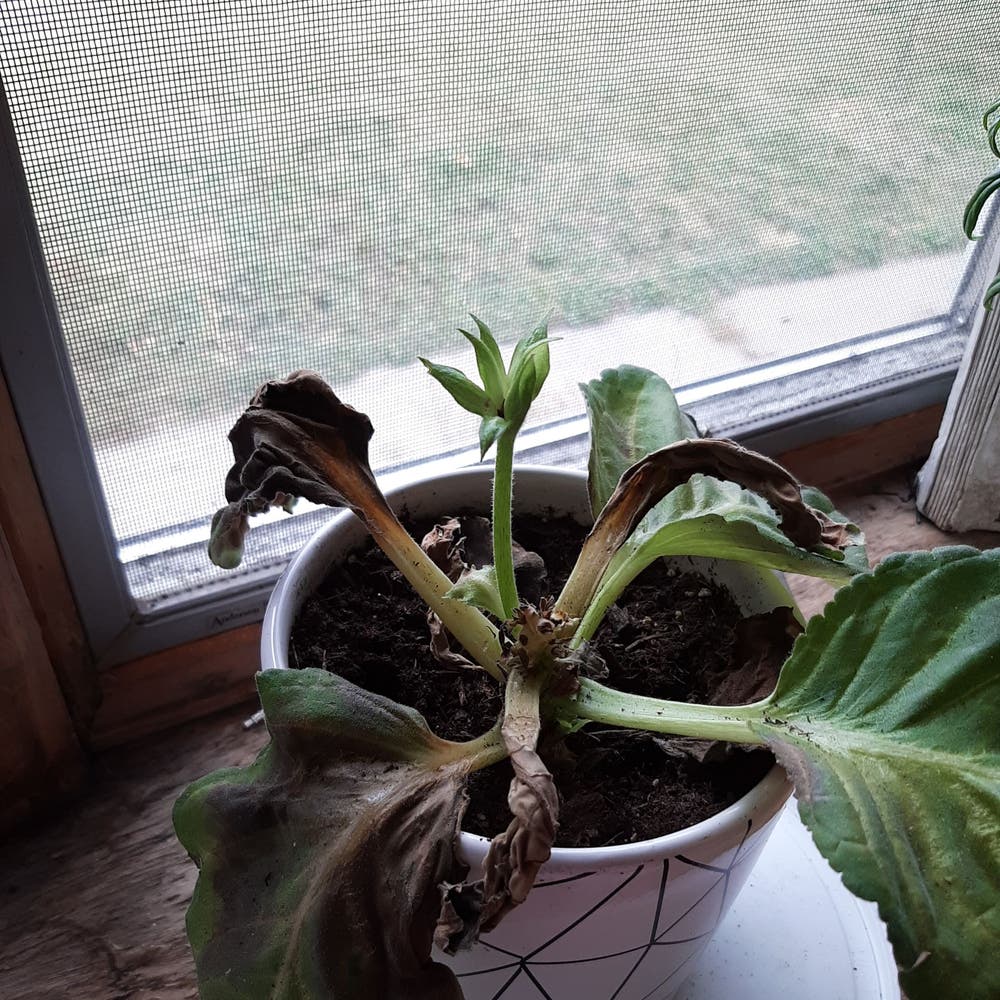
Many gardeners mistakenly treat Gloxinia as an annual plant. This misconception often arises from its seasonal dormancy, which can lead to confusion about its true perennial nature.
Retail practices further complicate this issue, as Gloxinia is frequently sold as an annual in nurseries. This mislabeling can mislead buyers into thinking they need to replace it every year, rather than nurturing it as a long-term investment.
In cooler regions, Gloxinia may behave like an annual due to environmental stressors. The plant's ability to survive harsh winters can be compromised, leading to a perception that it does not thrive year after year.
🌍 Regional Variations Affecting Classification
Climate plays a significant role in how Gloxinia grows and behaves. In warmer climates, it can flourish as a perennial, while in cooler areas, it may struggle and exhibit annual characteristics.
Adaptation to local conditions is crucial for understanding Gloxinia's lifecycle. Variability in growth patterns can be observed based on the specific environment, influencing how gardeners approach care and maintenance.
For example, tropical regions often see Gloxinia thriving with vibrant blooms year-round. In contrast, temperate climates may force the plant into dormancy, altering its expected behavior and leading to further misconceptions about its classification.
Understanding these nuances can help gardeners appreciate Gloxinia's true potential and care for it appropriately. As we delve deeper into garden design and planting strategies, you'll discover how to maximize the beauty and longevity of this remarkable perennial.
Garden Design and Planting Strategies
🌟 Advantages in Garden Design
Incorporating Gloxinia into your garden design is a smart, long-term investment. These perennials require fewer replacements, saving you both time and money.
Their extended blooming periods add vibrant seasonal interest, ensuring your garden remains visually appealing throughout the growing season. Plus, Gloxinia contributes to biodiversity, enriching your garden with unique textures and colors.
🏡 Planning for Perennial Gardens
When planning your perennial garden, consider the placement and spacing of Gloxinia. They thrive best when given enough room to grow, so plan your beds accordingly.
Companion planting is another effective strategy. Pair Gloxinia with plants that share similar light and water needs to create a harmonious garden environment.
Timing is crucial for planting and care. Ensure you understand the seasonal requirements for Gloxinia to maximize their growth and flowering potential.
By thoughtfully integrating Gloxinia into your garden, you can create a stunning, low-maintenance landscape that flourishes year after year. This approach not only enhances your outdoor space but also fosters a deeper connection with nature.
As you embark on your gardening journey, remember that the right strategies can lead to a thriving, perennial paradise.
Maximizing Longevity and Care
🌱 Tips for Managing as a Perennial
To ensure your Gloxinia thrives as a perennial, consistent moisture is key during the growing season. Watering should be regular but not excessive, allowing the soil to dry slightly between waterings.
Fertilization is another crucial aspect of care. Use a balanced fertilizer every few weeks to meet the plant's nutrient needs throughout its lifecycle, especially during active growth.
Pest management is essential for maintaining plant health. Keep an eye out for common pests like aphids and spider mites, and consider organic solutions such as neem oil to address any infestations.
🕰️ Best Practices for Longevity
Caring for Gloxinia during dormancy is vital for its longevity. Store tubers in a cool, dry place, ensuring they remain dormant until the next growing season.
Seasonal maintenance, including pruning and deadheading, promotes overall plant health. Regularly remove spent flowers and any dead leaves to encourage new growth and prevent disease.
Monitoring growth is crucial for early detection of distress or disease. Regular checks will help you catch any issues before they escalate, ensuring your Gloxinia remains vibrant and healthy.
With these tips and practices, you can enjoy the beauty of Gloxinia for years to come. Next, let’s explore how to design your garden to incorporate these stunning perennials effectively.
⚠️ Safety First
This content is for general information and may contain errors, omissions, or outdated details. It is not medical, veterinary advice, or an endorsement of therapeutic claims.
Always consult a qualified healthcare professional before using any plant as food, medicine, or supplement.
Never eat any plant (or feed one to pets) without confirming its identity with at least two trusted sources.
If you suspect poisoning, call Poison Control (800) 222-1222, the Pet Poison Helpline (800) 213-6680, or your local emergency service immediately.
Spotted an error? Please report it here.
Embrace the beauty of Gloxinia as a perennial powerhouse 🌼 by using Greg's tailored care reminders to keep your blooms vibrant and thriving season after season!