Black Spots on My Gloxinia Leaves
Sinningia speciosa
By the Greg Editorial Team
Jun 18, 2024•4 min read
This article was created with the help of AI so we can cover more plants for you. May contain errors. See one? Report it here.
Banish black spots 🕵️♂️ and keep your Gloxinia gorgeous with our expert care guide.
- Texture and color vary for black spots; check undersides of leaves.
- Fungi and bacteria are main causes; use correct fungicides and bactericides.
- Prevent with proper watering, airflow, and cleanliness.
Spotting the Trouble: Recognizing Black Spots on Gloxinia
Identifying black spots on Gloxinia leaves is crucial for timely intervention.
🕵️♂️ What Black Spots Look Like
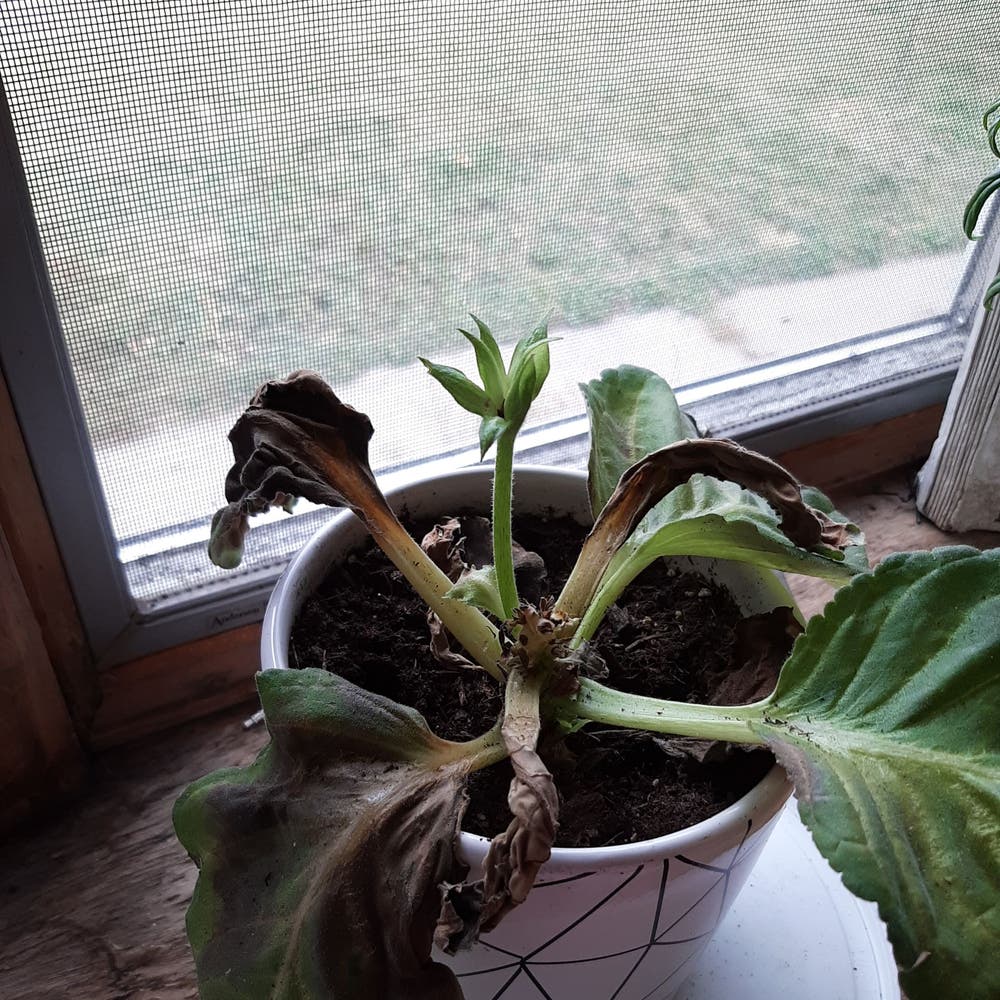
Texture and color are your first clues. Black spots may feel raised, sunken, or have a slimy texture. Their color ranges from jet black to brownish, sometimes encircled by a lighter halo.
🎯 Common Areas for Black Spots
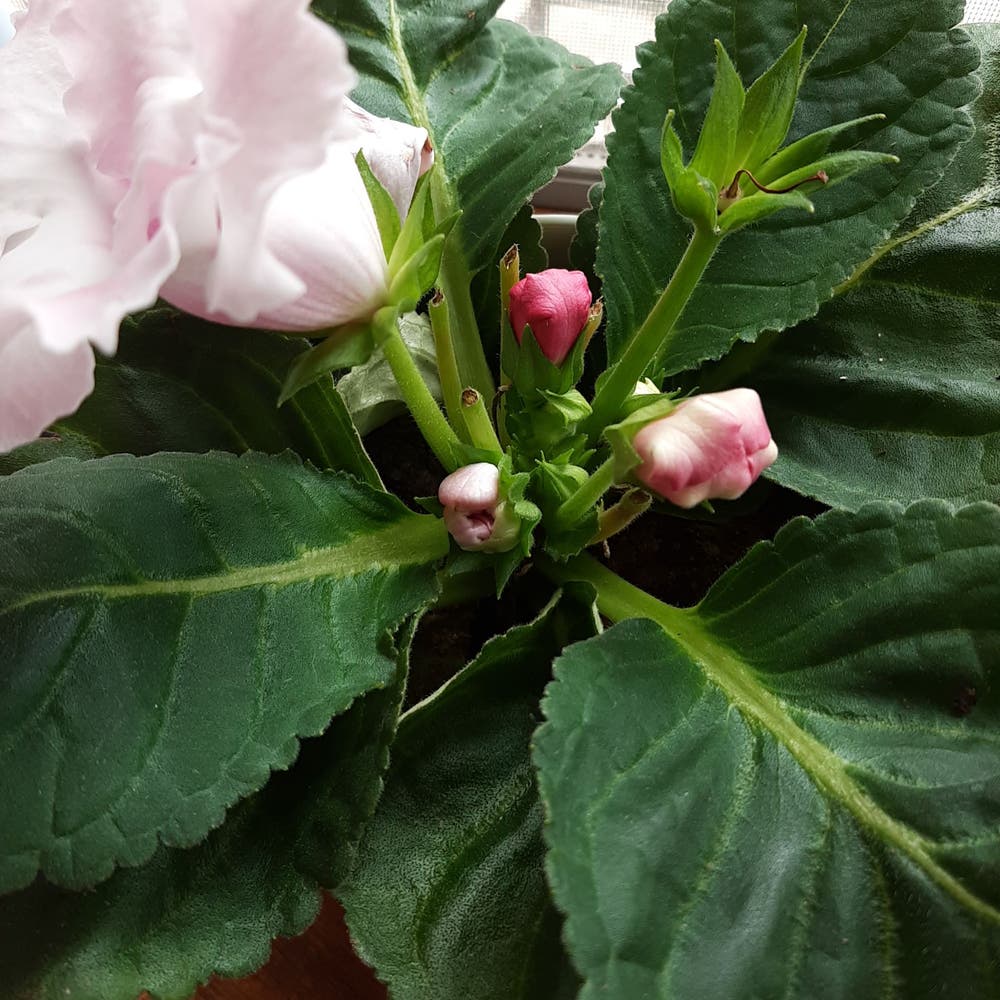
Look closely at new growth and mature leaves. Spots often begin on the undersides of leaves, so flip them over. Don't ignore spots with distinctive halos; they signal the onset of trouble.
🕵️♂️ Direct Examination
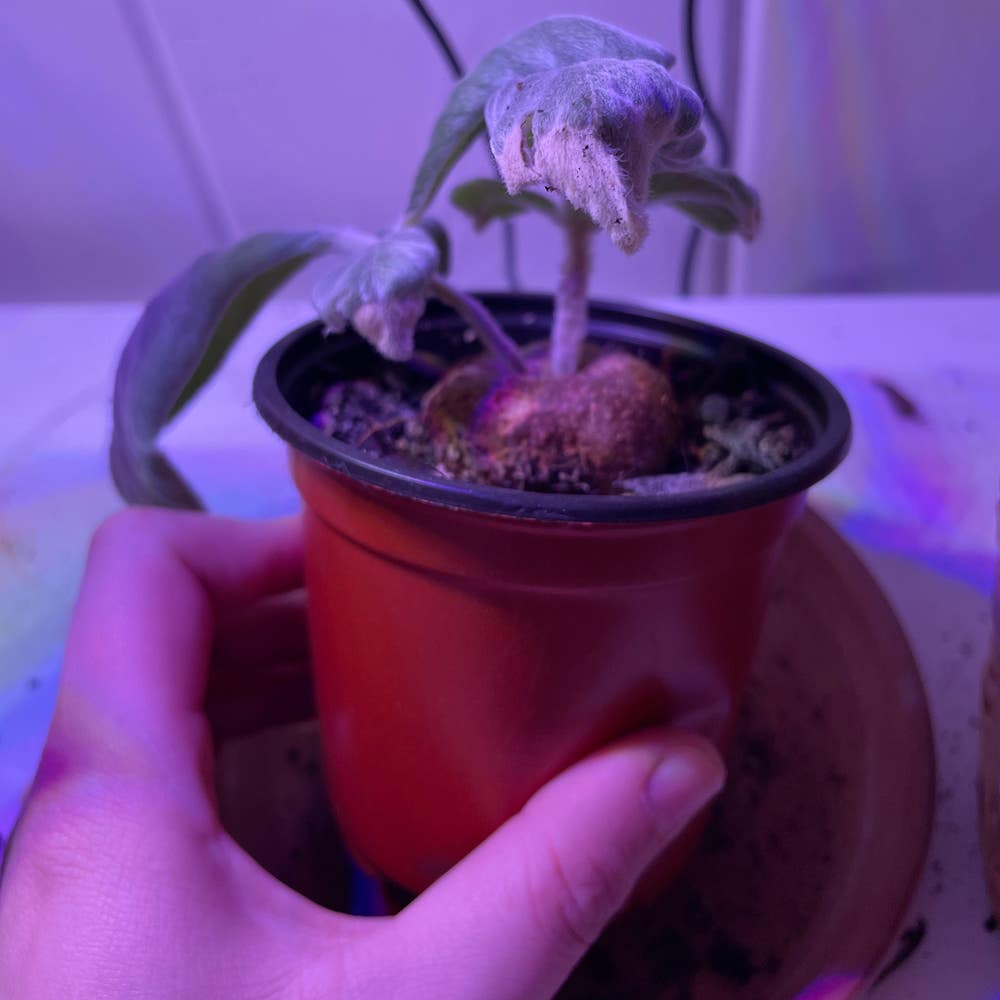
Be a leaf-turning sleuth. Check for spots that are crusty (indicative of fungal issues) or soggy (suggestive of bacterial problems). Remember, even beautiful blooms can hide blemishes below.
🌿 Environmental Checks
Consider the environment. Black spots can result from sunburn, overwatering, or poor drainage. Variegated leaves are extra sensitive, so give them the attention they deserve.
🚨 Immediate Actions
Upon discovery, isolate the affected plant. This prevents the spread and gives you time to assess and address the issue without risking your other Gloxinia plants.

Nailing Down the Culprits: Direct Causes of Black Spots
🍄 Fungal Foes: Identifying fungi that cause black spots
Fungi are the sneaky invaders of the plant world, thriving in the damp and creating those dreaded black spots on Gloxinia leaves. Cercospora is one common culprit, turning your plant's leaves into a canvas for its spotty artwork. It's not just about the presence of water, but how long the leaves stay wet.
🦠 Bacterial Bullies: Recognizing bacterial infections behind the spots
Bacteria, like the infamous Pseudomonas leaf spot, are no less destructive. They exploit any opportunity, slipping through tiny wounds or basking in the prolonged moisture on leaves. If you notice a slimy texture, that's the bacteria's calling card, a clear sign they've made themselves at home.
💧 Water Woes: How improper watering contributes to the problem
Overwatering is the bad habit that leads to a cascade of issues, including black spots. Your Gloxinia doesn't need a swamp at its roots; excess moisture is an open invitation for fungi and bacteria alike. Ensure your pot has drainage holes and use a well-draining soil mix to prevent water from overstaying its welcome.

Battling Black Spots: Treatment Strategies
🍄 Fungicide to the Rescue: Choosing and Applying the Right Fungicide
Timing is critical when it comes to fungicides. Apply them at the first sign of trouble, preferably before the fungus sets up shop. Tebuconazole and triticonazole are your heavy hitters for fungal foes. Remember, slathering on more than necessary is a rookie mistake—follow the label like it's your plant's life manual.
💊 Bacteria Busters: When and How to Use Antibacterial Treatments
When bacteria play villain, reach for copper compounds or targeted bactericides. Streptomycin may sound like overkill, but it's the special ops of plant care. Use it sparingly, though; you don't want to create a superbug saga in your garden. And always, always clean your tools post-battle—hygiene is your silent ally.
💧 Adjusting Watering Tactics: Fine-tuning Your Watering Routine
Watering Gloxinia is less about routine and more about finesse. Early morning is the sweet spot, letting leaves dry out under the sun's watchful eye. Keep the soil moist, not soggy—think of it as a moist towelette, not a wet sponge. And if you're watering from above, stop. Wet leaves are fungus's playground.

Keeping Black Spots at Bay: Prevention Tips
💨 Airflow and Humidity: Creating an Ideal Environment for Gloxinia
Air circulation is like the plant's personal space—necessary and non-negotiable. To prevent black spots, ensure your Gloxinia isn't suffocating in stagnant air. A gentle fan or an open window can work wonders. As for humidity, think comfortable, not tropical. Aim for a Goldilocks zone—not too dry, not too damp. Use a hygrometer to keep tabs on humidity levels, adjusting as needed to create a cozy microclimate.
🧼 Cleanliness is Key: Sanitation Practices to Prevent Spore Spread
Cleanliness isn't just a virtue; it's a defense strategy. Keep your plant's area tidy and free from fallen debris to discourage fungal freeloaders. Regularly disinfect your tools to prevent an undercover spore operation. And remember, handling Gloxinia with wet hands is a big no-no—dryness is next to godliness here.
💧 Watering Wisdom: Perfecting the Art of Watering Gloxinia
Watering is a fine art, and Gloxinia is your temperamental canvas. Early morning watering is your best bet, allowing leaves to dry out under the day's sun. Ensure the soil is moist, but not a swamp—overwatering invites trouble. And when you water, treat the leaves like they're off-limits. Water at the base to avoid unsightly blemishes. Remember, a well-watered Gloxinia is a happy Gloxinia, but a soaked one is on a fast track to fungal city.
⚠️ Safety First
This content is for general information and may contain errors, omissions, or outdated details. It is not medical, veterinary advice, or an endorsement of therapeutic claims.
Always consult a qualified healthcare professional before using any plant as food, medicine, or supplement.
Never eat any plant (or feed one to pets) without confirming its identity with at least two trusted sources.
If you suspect poisoning, call Poison Control (800) 222-1222, the Pet Poison Helpline (800) 213-6680, or your local emergency service immediately.
Spotted an error? Please report it here.
Keep your Gloxinia's foliage spot-free 🍃 by leveraging Greg's tailored watering reminders to prevent black spots and maintain plant health.