🌸 How Big Your Gloxinia Will Get
Sinningia speciosa
By the Greg Editorial Team
Nov 23, 2024•4 min read
This article was created with the help of AI so we can cover more plants for you. May contain errors. See one? Report it here.
Master gloxinia care 🌱 to cultivate stunning plants with optimal size and growth in your indoor garden!
- 🌱 Gloxinia typically grows 6-12 inches tall; choose varieties based on your space.
- 💡 Bright, indirect light is crucial for optimal growth; avoid stunted plants.
- 🌿 Proper care and conditions ensure stunning blooms and healthy foliage.
Mature Height and Spread
Typical Dimensions 🌱
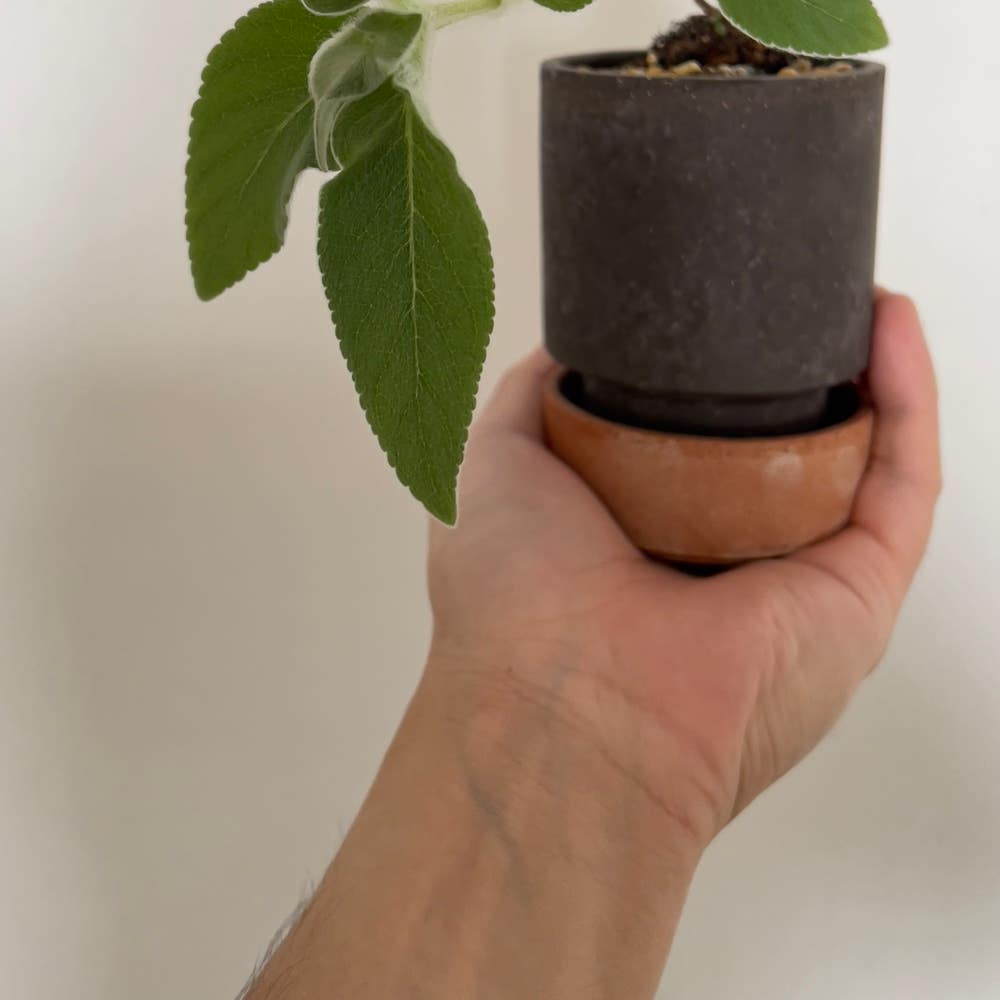
Gloxinia plants typically reach a mature height of 6 to 12 inches, making them a delightful addition to any indoor garden. Their spread usually ranges from 8 to 12 inches, allowing them to fill out nicely without taking over your space.
Size Variability 📏
One of the fascinating aspects of gloxinia is the size variability among different varieties. Dwarf varieties can be as small as 4 inches, perfect for compact arrangements, while giant varieties can exceed 18 inches, making a bold statement in your collection.
Several factors contribute to this size variability, including genetics and growing conditions. Understanding these differences can help you choose the right gloxinia for your space and preferences.
With this knowledge of mature height and spread, you can better plan your gloxinia's placement and care. Next, let’s explore the growth rate of these beautiful plants and what you can expect as they develop.
Growth Rate
Average Growth Rate 🌱
Gloxinia plants typically exhibit a moderate growth rate. When provided with optimal conditions, such as adequate light and proper care, they can grow even faster.
Time to Reach Full Size ⏳
These vibrant beauties usually take about 6 to 12 months to reach their mature dimensions. Factors like light exposure, soil quality, and care practices significantly influence how quickly they grow.
Understanding these growth dynamics can help you nurture your Gloxinia effectively, ensuring it thrives and flourishes in your home. With the right conditions, you’ll be rewarded with a stunning display of blooms and lush foliage.
Factors Affecting Size
🌞 Impact of Light Conditions
To thrive, gloxinia plants need bright, indirect light. Insufficient light can lead to stunted growth and smaller dimensions, so finding the right balance is crucial.
🪴 Influence of Soil Type and Pot Size
Using well-draining, fertile soil is essential for healthy gloxinia growth. Additionally, larger pots can promote larger plants, allowing roots to spread and absorb nutrients more effectively.
💧 Effects of Watering and Humidity
Gloxinia requires consistent moisture, but be careful to avoid waterlogging. Higher humidity levels can enhance growth, making it vital to maintain a humid environment for optimal results.
🌡️ Temperature's Role
The ideal temperature range for gloxinia is between 65°F to 75°F (18°C to 24°C). Fluctuations outside this range can negatively impact growth rate and overall size, so keeping a stable environment is key.
Understanding these factors will help you create the perfect conditions for your gloxinia, ensuring they reach their full potential. Next, we'll explore how to control the size of your gloxinia through various techniques.
Controlling Size
🌿 Pruning Techniques
To keep your gloxinia looking its best, consider pinching back growth. This method encourages bushiness and fuller plants, making them more visually appealing.
Timing is key for effective pruning. Aim to do this after flowering or during the plant's dormancy period for optimal results.
🪴 Managing Growth Through Pot Size
Choosing the right pot size is crucial for controlling your gloxinia's growth. Larger pots allow for bigger plants, while smaller pots are ideal for dwarf varieties.
Repotting is also essential. Plan to repot every 1-2 years to maintain size and overall plant health.
🌱 Fertilization Methods
A balanced fertilizer during the growing season can significantly impact your gloxinia's growth. This ensures your plant receives the nutrients it needs to thrive.
Pay attention to nutrient specifics. Nitrogen promotes lush foliage, while phosphorus supports vibrant blooms, giving your gloxinia the boost it needs.
Controlling size through these methods not only enhances the plant's appearance but also contributes to its health and vitality. Next, let’s explore the fascinating growth habits of gloxinia and how they influence overall size and flowering.
Growth Habits
🌱 Description of Natural Growth Habits
Gloxinia is an herbaceous perennial known for its stunning rosette form. This unique growth pattern not only adds visual appeal but also influences the overall size of the plant, as the arrangement of leaves plays a crucial role in how the plant develops.
🌸 Seasonal Growth Patterns
Gloxinia experiences distinct growth phases throughout the year. During spring and summer, the plant thrives, showcasing vibrant foliage and flowers, while it enters a period of dormancy in fall and winter, which can temporarily affect its dimensions.
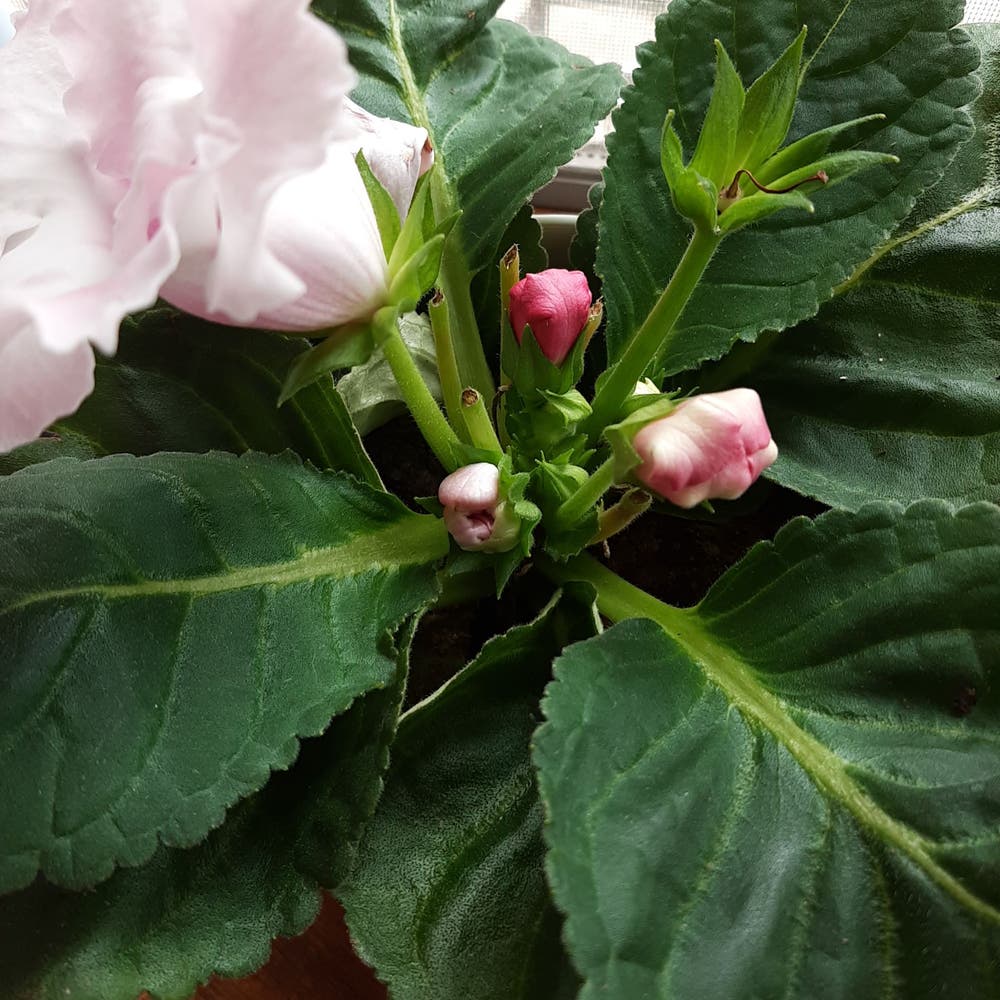
🌼 Flowering Effects on Dimensions
When Gloxinia blooms, it allocates energy to flower production, leading to a temporary reduction in size. However, once the flowering period concludes, the plant typically rebounds, resuming its growth and restoring its dimensions.
Understanding these growth habits is essential for nurturing your Gloxinia effectively. By recognizing how seasonal changes and flowering cycles impact size, you can better manage your plant's health and aesthetics. Next, we will explore the various factors that affect the size of your Gloxinia, ensuring you have all the tools to cultivate a thriving specimen.
⚠️ Safety First
This content is for general information and may contain errors, omissions, or outdated details. It is not medical, veterinary advice, or an endorsement of therapeutic claims.
Always consult a qualified healthcare professional before using any plant as food, medicine, or supplement.
Never eat any plant (or feed one to pets) without confirming its identity with at least two trusted sources.
If you suspect poisoning, call Poison Control (800) 222-1222, the Pet Poison Helpline (800) 213-6680, or your local emergency service immediately.
Spotted an error? Please report it here.
Unlock the full beauty of your gloxinia 🌺 with Greg's personalized care tips and watering reminders, ensuring your plant thrives and dazzles in your space!