Optimal Hardiness Zones for Gloxinia: 10a-11b ☀️
Sinningia speciosa
By the Greg Editorial Team
Nov 23, 2024•5 min read
This article was created with the help of AI so we can cover more plants for you. May contain errors. See one? Report it here.
Unlock vibrant Gloxinia blooms 🌸 by mastering its temperature needs for optimal growth and health!
- 🌡️ Gloxinia thrives in USDA zones 10a-11b, ideal for warm, humid conditions.
- ❄️ Protect Gloxinia from frost; it prefers temperatures above 50°F (10°C) for optimal growth.
- 🌱 Well-drained, organic-rich soil is essential for healthy Gloxinia root development.
Gloxinia Temperature Tolerance
❄️ Cold Tolerance
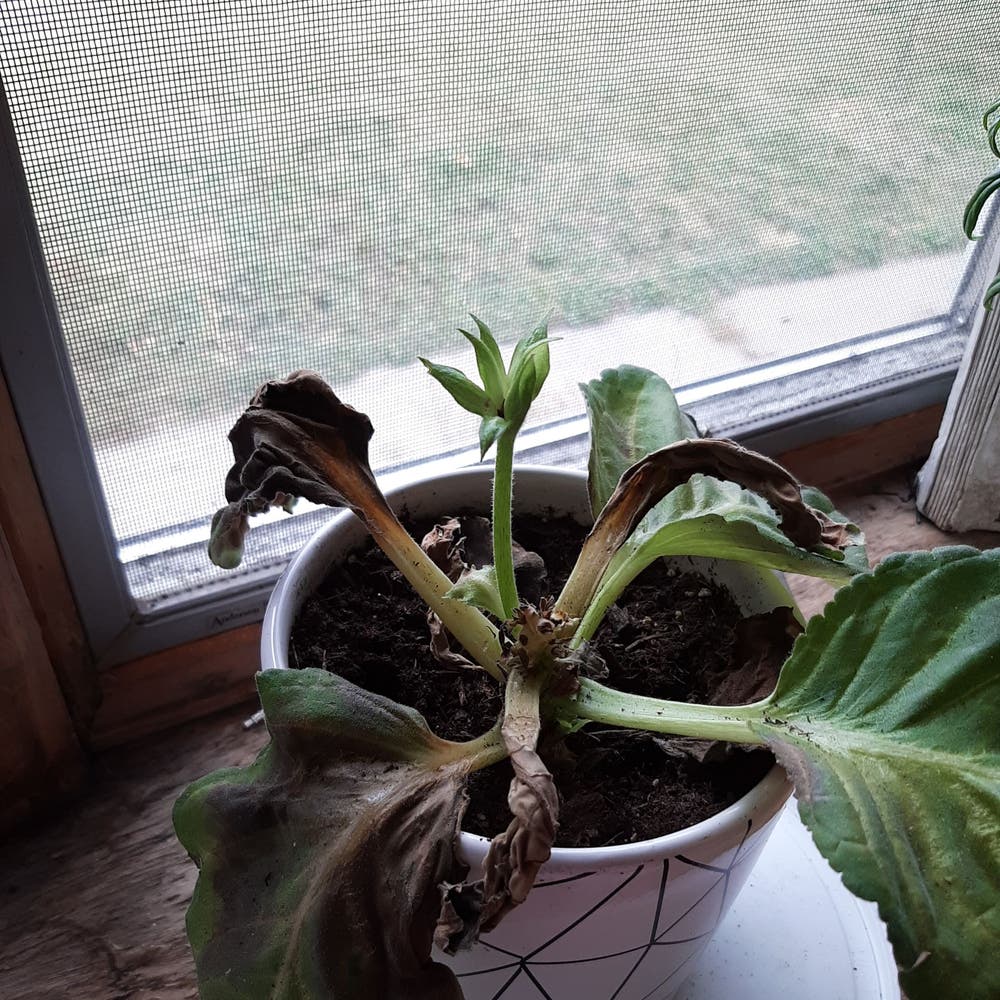
Gloxinia thrives best when temperatures stay above 50°F (10°C). Below this threshold, the plant becomes sensitive to frost, necessitating protection from cold snaps.
Understanding the timing of first and last frost dates is crucial for Gloxinia cultivation. These dates can vary significantly by region, impacting when you can safely plant or relocate your Gloxinia.
🔥 Heat Tolerance
For optimal growth, Gloxinia prefers temperatures between 60°F and 80°F (15°C to 27°C). However, excessive heat can stress the plant, leading to poor health and reduced blooming.
Monitoring temperature extremes is essential to maintain Gloxinia's vitality. Prolonged exposure to high temperatures can hinder its growth cycle and flowering potential.
🌡️ Specific Temperature Ranges for Optimal Growth
Ideal conditions for Gloxinia involve stable temperatures that promote both flowering and foliage development. Fluctuations outside the preferred range can disrupt its growth cycle, affecting overall plant health.
Creating a consistent environment is key to nurturing Gloxinia. By ensuring temperatures remain within the optimal range, you can enjoy vibrant blooms and lush foliage throughout the growing season.
Understanding these temperature tolerances will help you cultivate Gloxinia successfully, setting the stage for exploring the ideal regions for its growth.
Ideal Regions for Growing Gloxinia
🌞 Examples of US States in Zones 10a-11b
Gloxinia thrives in the warm embrace of hardiness zones 10a to 11b. States like California, Florida, and Texas are prime locations for cultivating these vibrant flowers.
California's diverse climate offers coastal breezes and sunny valleys, perfect for Gloxinia's growth. Florida's humid subtropical environment provides the warmth and moisture these plants crave, while Texas boasts a range of microclimates that can support Gloxinia in various regions.
🌧️ Factors Contributing to Ideal Growing Conditions
Several climate characteristics make these states ideal for Gloxinia. Humidity, consistent rainfall, and temperature stability are crucial for healthy growth.
Soil conditions also play a significant role. Gloxinia prefers well-drained soil that is rich in organic matter, ensuring the roots can breathe and absorb nutrients effectively.
🌍 Comparison of Different Regions Within the Suitable Zones
Even within these states, microclimates can vary significantly. For instance, coastal areas may have milder temperatures compared to inland regions, affecting Gloxinia's growth.
Urban environments often present unique challenges, such as heat islands, which can alter local temperatures. In contrast, rural areas may offer more stable conditions, making them more suitable for Gloxinia cultivation. Understanding these variations helps gardeners choose the best spots for their plants.
As we explore the fascinating world of microclimates, we'll see how they can further enhance Gloxinia's growth potential.
Microclimates and Gloxinia
🌤️ Definition of Microclimates
Microclimates are localized climate conditions that differ from the surrounding area. They can be influenced by factors like topography, vegetation, and human-made structures, creating unique environments for plant growth.
Understanding microclimates is crucial for gardeners. They can significantly impact plant health and productivity, allowing for more tailored care and cultivation strategies.
🌱 How Microclimates Can Affect Gloxinia Growth
Localized conditions such as shade, wind protection, and heat retention can greatly benefit Gloxinia. For instance, a shaded area can prevent overheating during hot spells, while windbreaks can protect delicate leaves from damage.
These microclimates can extend the growing range for Gloxinia. By identifying and utilizing these unique conditions, gardeners can create optimal environments for their plants.
🏡 Examples of Microclimates That May Support Gloxinia Outside Typical Zones
Gloxinia can thrive in various scenarios outside the typical zones 10a-11b. For example, sheltered patios can provide warmth and protection from harsh weather, while greenhouses offer controlled environments ideal for growth.
Gardeners should consider factors like sunlight exposure and temperature regulation when utilizing microclimates. By strategically placing Gloxinia in these favorable conditions, they can enjoy vibrant blooms even in less-than-ideal climates.
As we explore the state-level suitability for Gloxinia, understanding these microclimates will help you make informed decisions about where to plant and how to care for your Gloxinia.
State-Level Suitability for Gloxinia
🌞 List of US States Suitable for Gloxinia (Zones 10a-11b)
Gloxinia thrives in USDA hardiness zones 10a to 11b, making several states ideal for its growth. Here’s a comprehensive list of states where you can successfully cultivate Gloxinia:
- California: Particularly in coastal regions and southern areas, Gloxinia flourishes due to mild temperatures and ample sunlight.
- Florida: The warm, humid climate is perfect for Gloxinia, especially in the southern parts of the state.
- Texas: Regions like South Texas provide the warmth and humidity that Gloxinia loves.
- Louisiana: The subtropical climate supports lush growth and vibrant blooms.
- Arizona: In the southern areas, Gloxinia can thrive with proper care and watering.
These states offer the right combination of warmth and humidity, essential for Gloxinia's health and blooming.
🚫 List of US States Unsuitable for Gloxinia and Reasons Why
While Gloxinia loves warmth, many northern states fall outside the suitable zones. Here are some states where Gloxinia struggles to survive:
- Maine: The cold winters and short growing season make it difficult for Gloxinia to thrive.
- North Dakota: Extreme temperature drops and frost risks hinder Gloxinia's growth.
- Montana: The harsh winters and fluctuating temperatures are not conducive to Gloxinia's needs.
- Minnesota: Similar to Montana, the cold climate poses a significant challenge.
These states experience temperature extremes and prolonged frost, which can damage or kill Gloxinia plants.
❄️ Discussion of Frost Dates and Their Impact on Gloxinia Growth
Understanding frost dates is crucial for successful Gloxinia cultivation. The first and last frost dates vary by region and can significantly impact plant health.
- First Frost Date: This is the date when frost is likely to occur for the first time in the fall. Gloxinia should be protected or brought indoors before this date.
- Last Frost Date: This date marks when the risk of frost has passed in the spring. Gloxinia can be safely planted outdoors after this date.
For gardeners in borderline regions, consider protective measures such as using row covers or bringing pots indoors during cold snaps. This proactive approach can help ensure your Gloxinia thrives despite fluctuating temperatures.
As we explore the nuances of microclimates, you'll discover how localized conditions can further enhance Gloxinia's growth potential.
⚠️ Safety First
This content is for general information and may contain errors, omissions, or outdated details. It is not medical, veterinary advice, or an endorsement of therapeutic claims.
Always consult a qualified healthcare professional before using any plant as food, medicine, or supplement.
Never eat any plant (or feed one to pets) without confirming its identity with at least two trusted sources.
If you suspect poisoning, call Poison Control (800) 222-1222, the Pet Poison Helpline (800) 213-6680, or your local emergency service immediately.
Spotted an error? Please report it here.
Keep your Gloxinia thriving 🌱 by using Greg's tailored care reminders to navigate frost protection and local climate conditions for optimal growth!