Your Gloxinia's Sunlight Needs
Sinningia speciosa
By the Greg Editorial Team
Jun 18, 2024•5 min read
This article was created with the help of AI so we can cover more plants for you. May contain errors. See one? Report it here.
Nurture flourishing Gloxinias with the perfect light balance—indoors and out. 🌿⚖️
- 🌞 Bright, indirect light indoors; east-facing windowsills are best.
- 💡 Use full-spectrum LED grow lights when sunlight is insufficient.
- 🌱 Adjust light for seasons to encourage Gloxinia blooms.
Best Practices for Indoor Gloxinia Light Care
🌞 Finding the Sweet Spot Indoors
Gloxinia's love for bright, indirect light is like a morning coffee ritual—essential and rejuvenating. To pinpoint the prime real estate for your Gloxinia, embark on a sunlight safari through your abode. Morning light is a winner, so east-facing windowsills are the jackpot. But beware the harsh afternoon sun; it's the nemesis of Gloxinia's delicate leaves.
🛡️ Understanding the Nuances of Indirect Light Versus Direct Sunlight
Direct sunlight is the plant equivalent of a midday desert—harsh and unforgiving. Indirect light, on the other hand, is like a shaded oasis. It's all about the art of deflection; use sheer curtains or a strategic placement just out of the sun's reach to achieve this sweet spot. Remember, your Gloxinia isn't auditioning for a sunbathing competition.
💡 Supplementing with Grow Lights
When the sun plays hard to get, grow lights step in like understudies in a Broadway show. They're not the star, but they'll keep the performance going strong. Full-spectrum LED lights are your go-to, mimicking the sun's spectrum without the drama of sunburn. Set them on a timer for a consistent light cycle—think of it as setting an alarm clock for your Gloxinia's personal light workout.
💡 Types of Grow Lights Suitable for Gloxinia and Setting Them Up
LEDs are the new kids on the block, energy-efficient and long-lasting. Fluorescent tubes, the old faithfuls, still do the trick. Whichever you choose, position them about 12 inches above your Gloxinia to avoid a heat-trap scenario. It's a light buffet, and you want your Gloxinia to leave satisfied, not scorched.

Navigating Outdoor Light for Gloxinia
⛅️ Picking the Perfect Outdoor Spot
Gloxinias bask in filtered morning sun, much like a coffee lover enjoys the first sip of the day. To find the ideal outdoor spot, assess the light conditions—bright but not direct. East-facing gardens are prime real estate, offering gentle rays without the harsh midday glare.
🌳 Balancing Sunlight and Shade
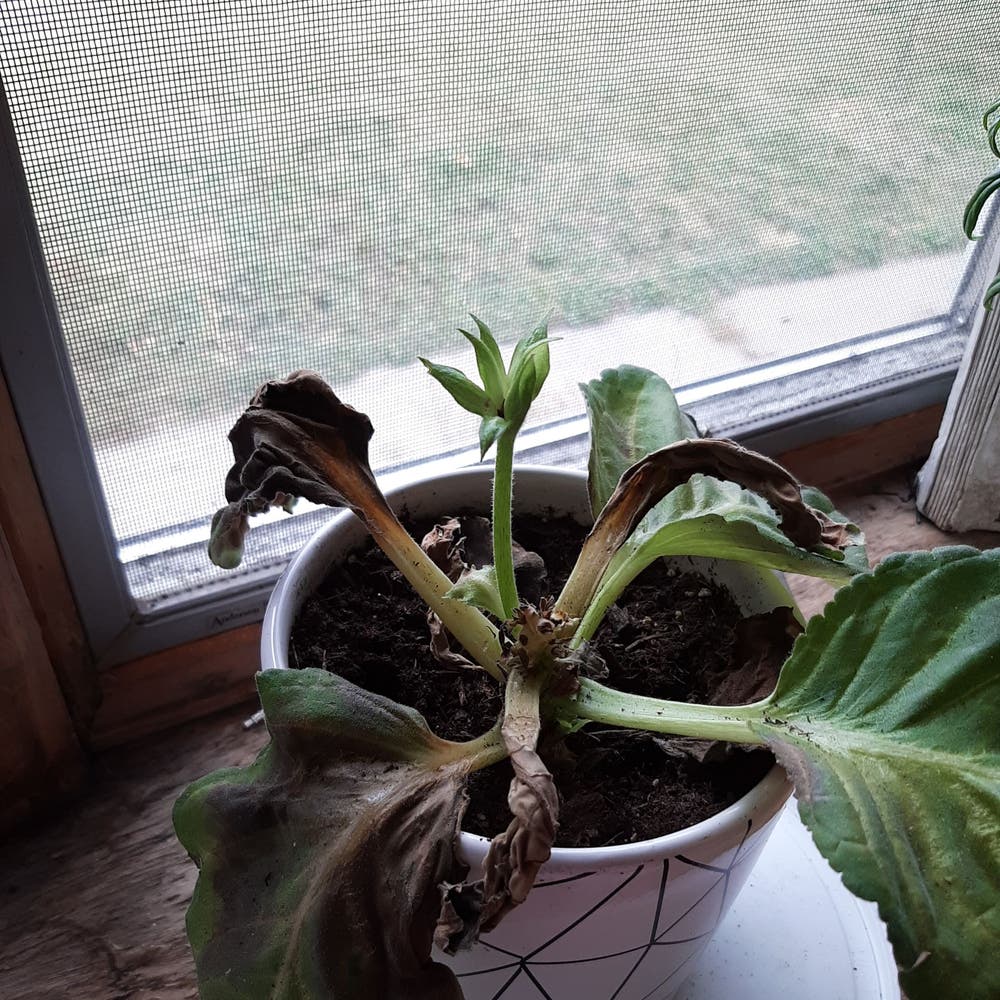
Too much sun is a no-go; it's like turning up the heat when you're already sweating. Aim for a location that provides dappled shade, especially during peak sunlight hours. This balance prevents the dreaded leaf scorch, keeping your Gloxinia's complexion as cool as a cucumber.
🌦️ Weather and Seasonal Considerations
As the seasons shift, so should your Gloxinia's spot in the garden. Winter's weak sunlight might call for a sunnier position, while the summer's blaze demands more shade. It's a dance with the elements, and your Gloxinia is the star performer.
🌱 Tips for Transitioning Gloxinia from Indoors to Outdoors
When moving your Gloxinia outside, think of it as acclimating to a new culture—it takes time and patience. Start with short outdoor visits, gradually increasing the time over several days. This gentle introduction helps avoid shock, ensuring your Gloxinia doesn't throw a fit like a toddler at naptime.

Let There Be Light: Ensuring Flowering Success
🌸 Timing and Intensity for Blooms
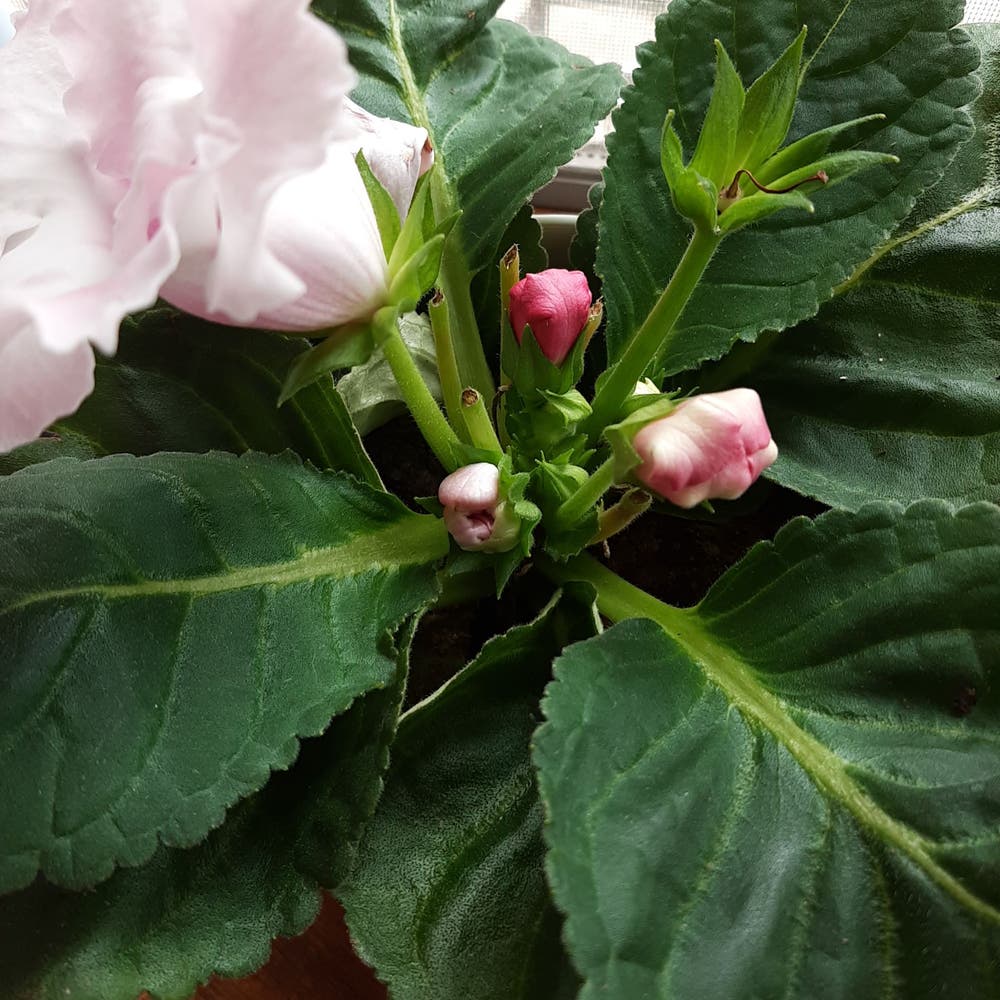
Gloxinia's flowering is a light-sensitive spectacle. The right duration and intensity of light can make or break its blooming success.
💡 Light Duration: The Photoperiod's Role
Long-day plants like Gloxinia need extended light periods to trigger flowering. If your indoor lighting falls short, consider a timer to supplement daylight.
⛅️ Light Intensity: Finding the Sweet Spot
Too much light intensity can lead to foliage issues and poor blooming, while too little results in a sparse floral display. Aim for bright, indirect light that avoids the extremes.
🔄 Adjusting for Optimal Blooms
To encourage Gloxinia blooms, monitor and adjust the light conditions. Reduce intensity with shading if necessary, and extend daylight with artificial lights when daylight is insufficient.
Remember, Gloxinia's blooming is a balancing act – it craves light, but not too much. Keep an eye on the light, and your Gloxinia will reward you with its stunning flowers.

Grow Lights: A Gloxinia's Best Friend?
💡 Deciding If Your Gloxinia Needs a Boost
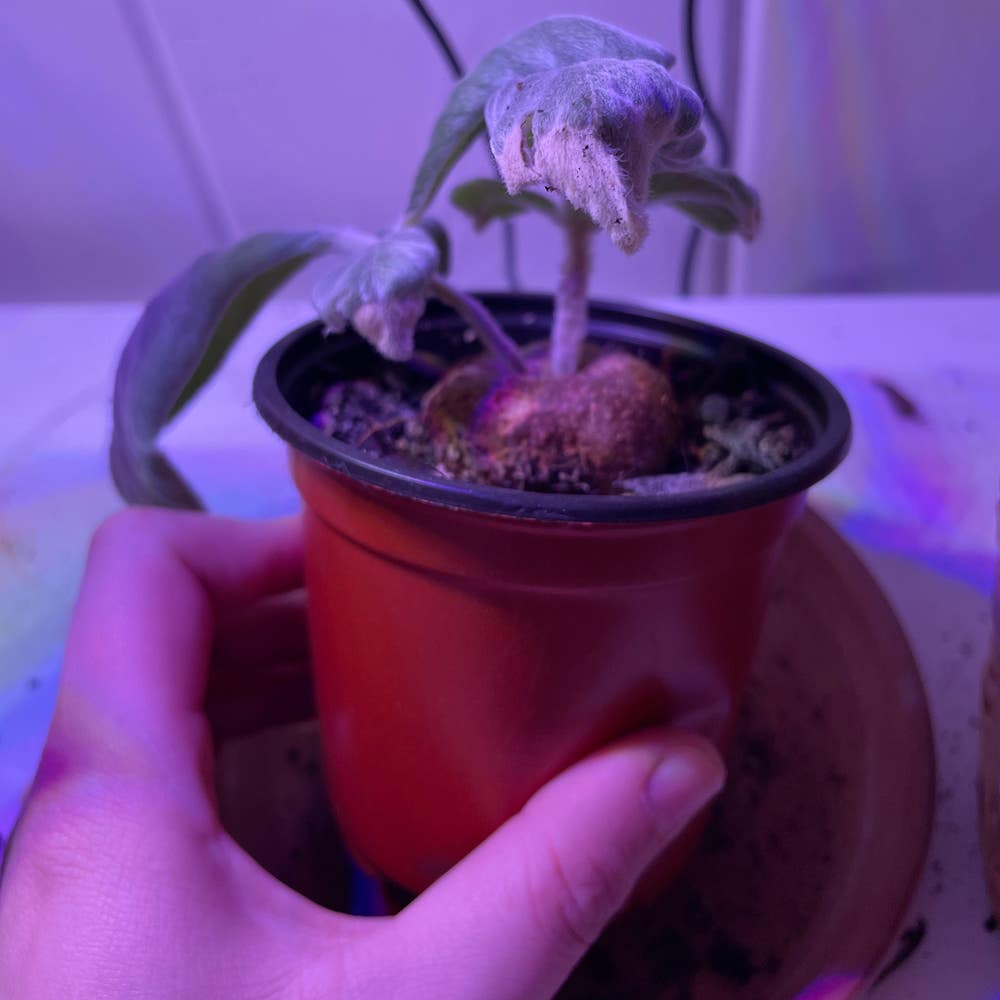
Gloxinia, with its velvet-leafed charm, can be a bit of a diva when it comes to light. Signs that your Gloxinia is craving more lumens include leggy growth, lackluster leaves, or a blooming strike. If your plant's drama includes any of these symptoms, it's time to consider an artificial spotlight.
Grow lights are the backstage crew that ensures your Gloxinia stays in the limelight, especially when the sun's performance is lackluster. LEDs are the stars of the show—energy-efficient, low-heat, and capable of providing a full spectrum of light. Think of them as your plant's personal sun when the real one is playing hard to get.
Fluorescent bulbs are the understudies—less flashy but still effective, especially if you're watching your budget. They're like comfort food for your Gloxinia; not quite a gourmet meal but good enough to keep it satisfied.
When comparing grow lights to natural sunlight, remember that the sun is the ultimate headliner. However, for those living in the equivalent of a photographic darkroom or where the sun is a rare guest, grow lights can be a game-changer. They're like a reliable friend who steps in when the sun's on vacation.
Remember to monitor your Gloxinia's response to its artificial sun. If it starts looking sunburnt, dial down the intensity. Conversely, if it's still slouching, crank up the lumens. It's all about finding that sweet spot where your Gloxinia feels like it's basking in eternal spring.
⚠️ Safety First
This content is for general information and may contain errors, omissions, or outdated details. It is not medical, veterinary advice, or an endorsement of therapeutic claims.
Always consult a qualified healthcare professional before using any plant as food, medicine, or supplement.
Never eat any plant (or feed one to pets) without confirming its identity with at least two trusted sources.
If you suspect poisoning, call Poison Control (800) 222-1222, the Pet Poison Helpline (800) 213-6680, or your local emergency service immediately.
Spotted an error? Please report it here.
Discover the sweet spot for your Gloxinias to thrive and bloom with Greg's tailored reminders 🌱, guiding you to the ideal light without the guesswork!