💧 How Often Do I Need to Water My Gloxinia?
Sinningia speciosa
By the Greg Editorial Team
Jun 18, 2024•3 min read
This article was created with the help of AI so we can cover more plants for you. May contain errors. See one? Report it here.
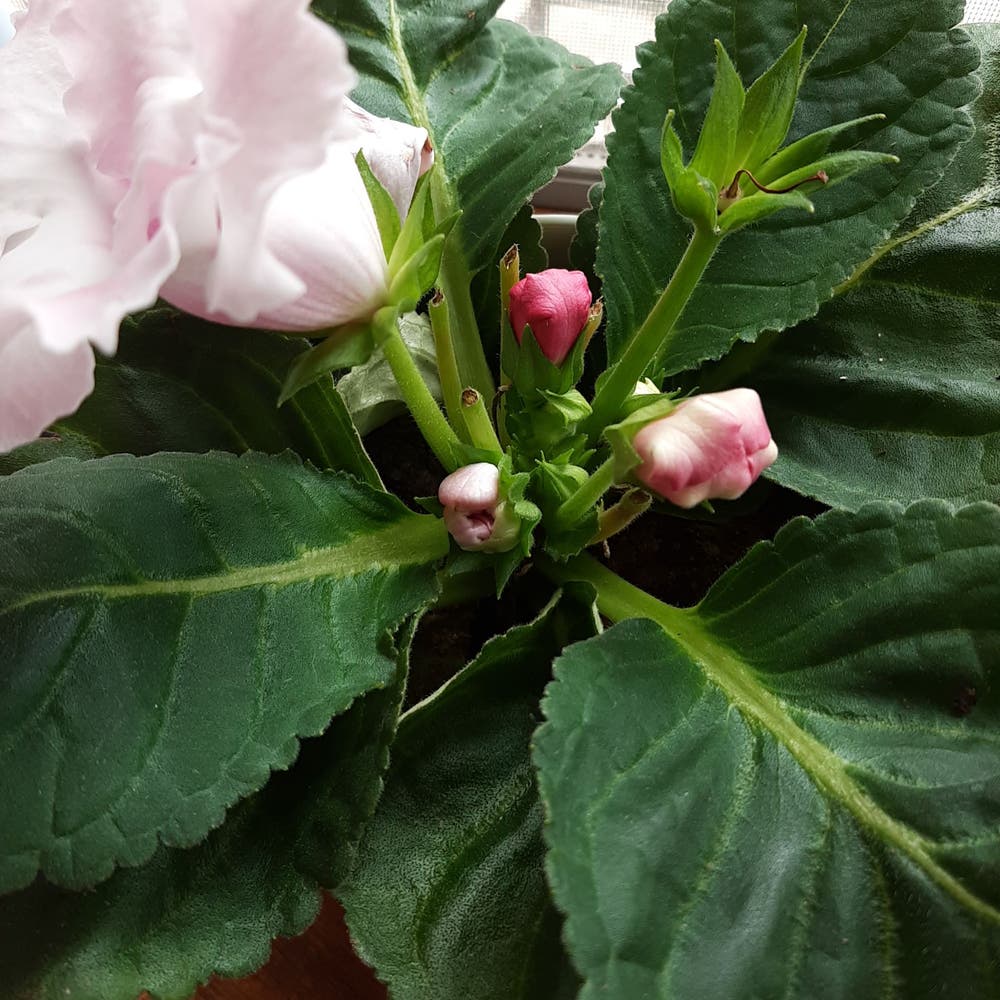
Thirsty Gloxinia? 🌺 Learn the secrets to perfect watering and keep your blooms vibrant and healthy!
- Wilting or dry soil? Time to water your Gloxinia.
- 🍂 Yellow leaves mean Gloxinia is thirsty; adjust watering.
- Seasons change, so does watering - adapt to growth phases and environment.
When Thirst Strikes: Recognizing Gloxinia's Water Needs
💧 Spotting the Telltale Signs
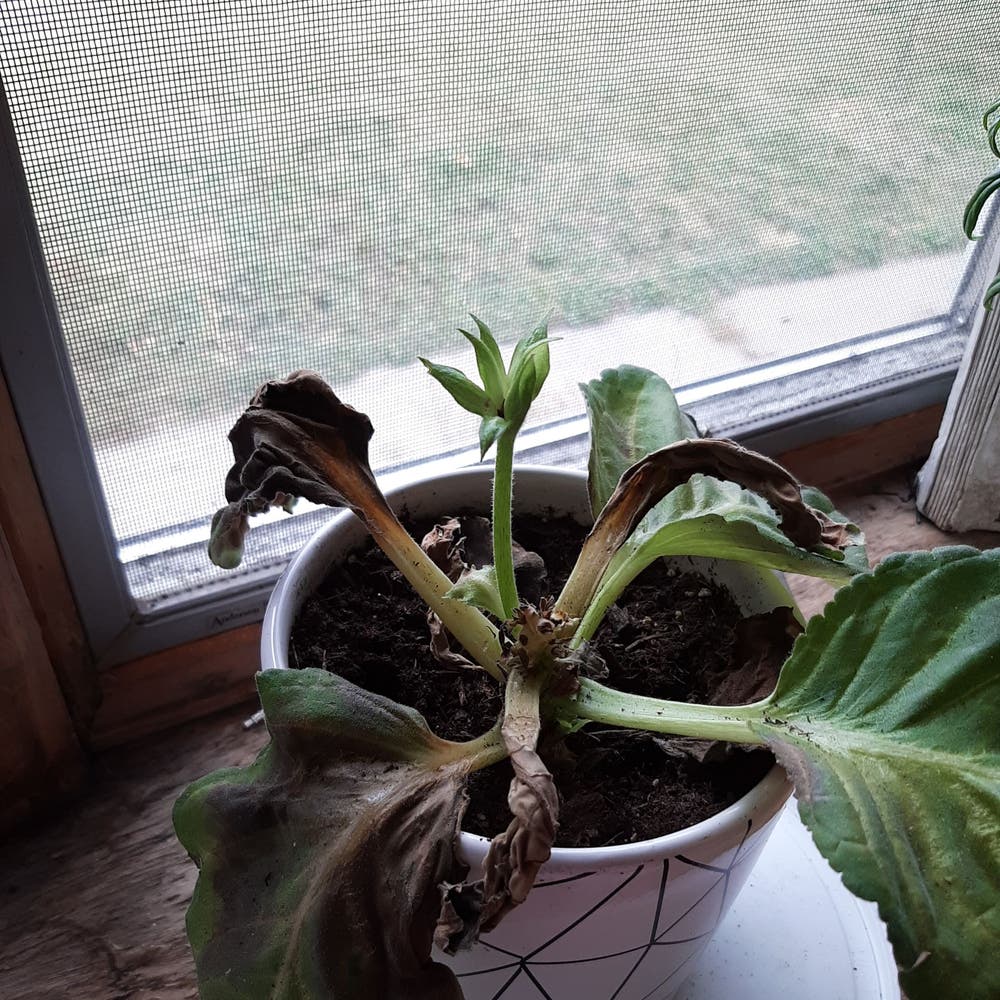
Wilting and dry soil are your Gloxinia's way of waving a white flag. If the leaves start to look more yellow than a lemon peel, it's a distress signal for hydration.
💛 Reading the Leaves
Yellow leaves might as well be flashing neon signs for help. They're not just changing color for fall—they're screaming for water.
🚰 The Balancing Act
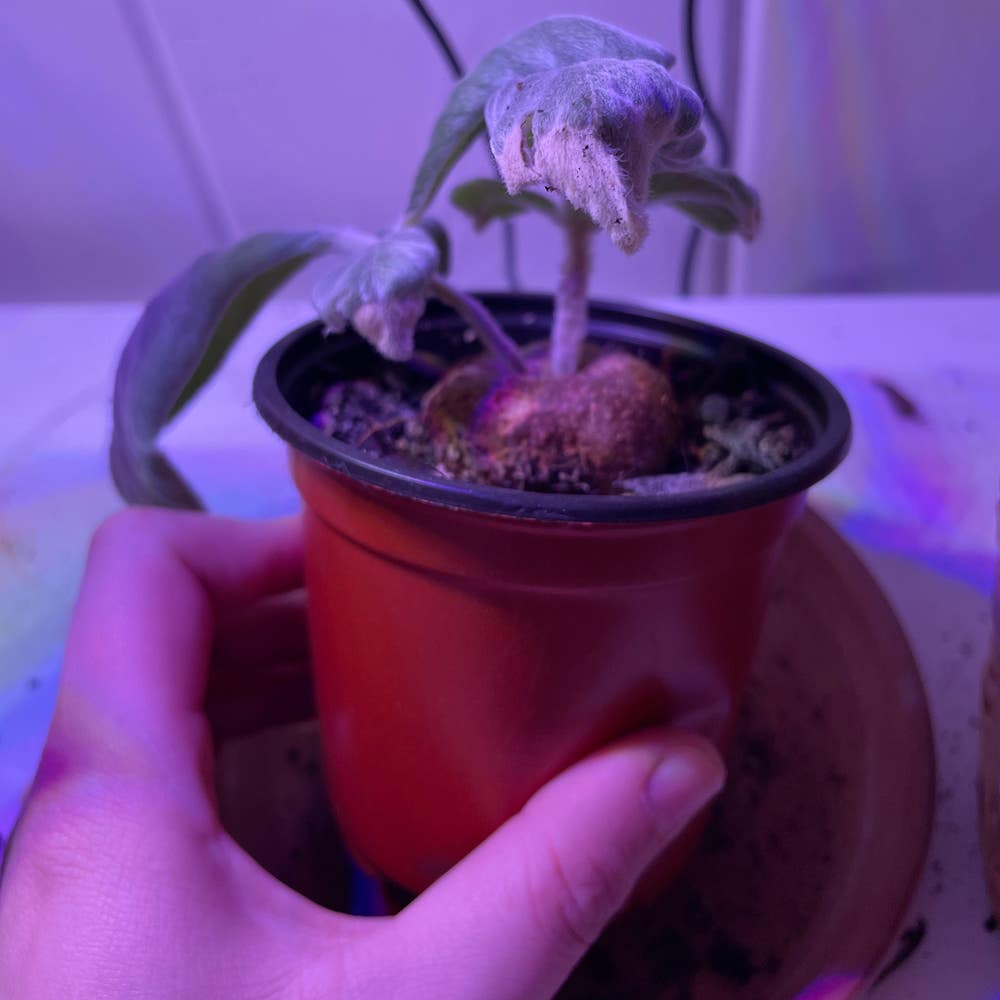
Underwatering turns your Gloxinia into a sad, droopy mess, while overwatering invites a whole host of fungal party crashers. Touch the soil; if it's drier than a stand-up comedian's wit, it's time to water.
🚱 Avoiding Extremes
If the leaves are as limp as overcooked spaghetti, you've gone too far. Conversely, if the soil's pulling away from the pot like it's trying to escape, you've not gone far enough.

Nailing the Watering Technique
💧 The Right Way to Water Gloxinia
Gloxinia's roots crave evenly moist soil, but they're not fans of a swampy environment. To hit that sweet spot, water at the root zone to quench the plant's thirst without drowning it. Use room-temperature water, because shock is for horror films, not your plant's roots.
💦 Keeping Leaves Dry and Happy
Keep Gloxinia's leaves as dry as the humor in a British sitcom to prevent fungal gatecrashers. Watering from below is like sending an invite to just the roots, ensuring the leaves don't get caught in a downpour. Remember, wet leaves at night are like a rave for fungi, and you're not the DJ.

Seasonal Shifts: Adapting Your Watering Routine
🌞 Summer Sips and Winter Wanes
Gloxinia's thirst varies with the seasons. During the summer growth spurt, they crave more water, basking in the extended daylight. Come winter, they enter a dormant phase, signaling you to ease up on the hydration.
💨 Responding to Environmental Cues
Temperature and humidity aren't just small talk; they're critical to your Gloxinia's watering schedule. A hot, dry room? Your plant's going to need a drink more often. A cool, misty corner? Dial back the watering. Always check the soil's moisture before making it rain.

The Perfect Home: Potting and Drainage Essentials
🌱 Choosing the Right Potting Mix
Well-draining soil isn't just a preference for Gloxinia; it's a non-negotiable. Imagine your plant's roots in soggy jeans—uncomfortable, right? That's why a mix that holds moisture yet drains excess water is key. Peat moss, perlite, and vermiculite are like the holy trinity in this divine concoction, providing both moisture retention and aeration.
🚰 The Importance of Drainage
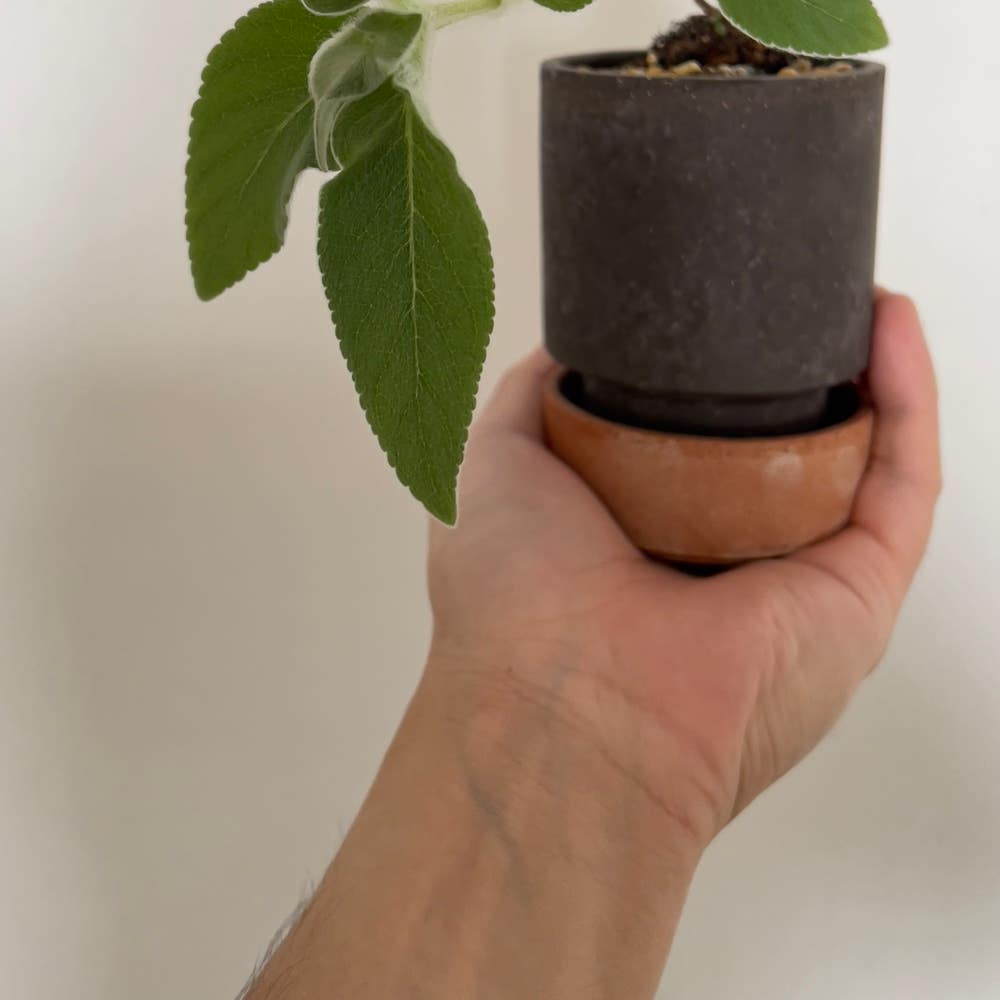
No one likes wet feet, and neither do Gloxinias. Drainage holes are the escape routes for excess water, preventing the dreaded root rot. Terra cotta pots are the unsung heroes here, wicking away moisture like a pro. But if you're going for a different vibe, any pot with drainage holes will do—just make sure it's not a size too small or your Gloxinia might get claustrophobic.
⚠️ Safety First
This content is for general information and may contain errors, omissions, or outdated details. It is not medical, veterinary advice, or an endorsement of therapeutic claims.
Always consult a qualified healthcare professional before using any plant as food, medicine, or supplement.
Never eat any plant (or feed one to pets) without confirming its identity with at least two trusted sources.
If you suspect poisoning, call Poison Control (800) 222-1222, the Pet Poison Helpline (800) 213-6680, or your local emergency service immediately.
Spotted an error? Please report it here.
Ensure your Gloxinia thrives 🌸 with Greg's personalized watering reminders, tailored to your home's environment and your plant's needs.