Soil Recommendations for Gloxinia
Sinningia speciosa
By the Greg Editorial Team
Jun 18, 2024•4 min read
This article was created with the help of AI so we can cover more plants for you. May contain errors. See one? Report it here.
Nurture vibrant Gloxinia blooms 🌺 with the ultimate soil mix guide for peak plant health!
- 🌱 Mold and mildew mean overwatering; address with less water, better air flow.
- African Violet mix + perlite + peat moss for the perfect Gloxinia soil.
- Change soil when leaves curl, post-bloom, using gentle, nutrient-rich mix.
Spotting and Fixing Unhealthy Soil
🚨 Recognizing Trouble Signs
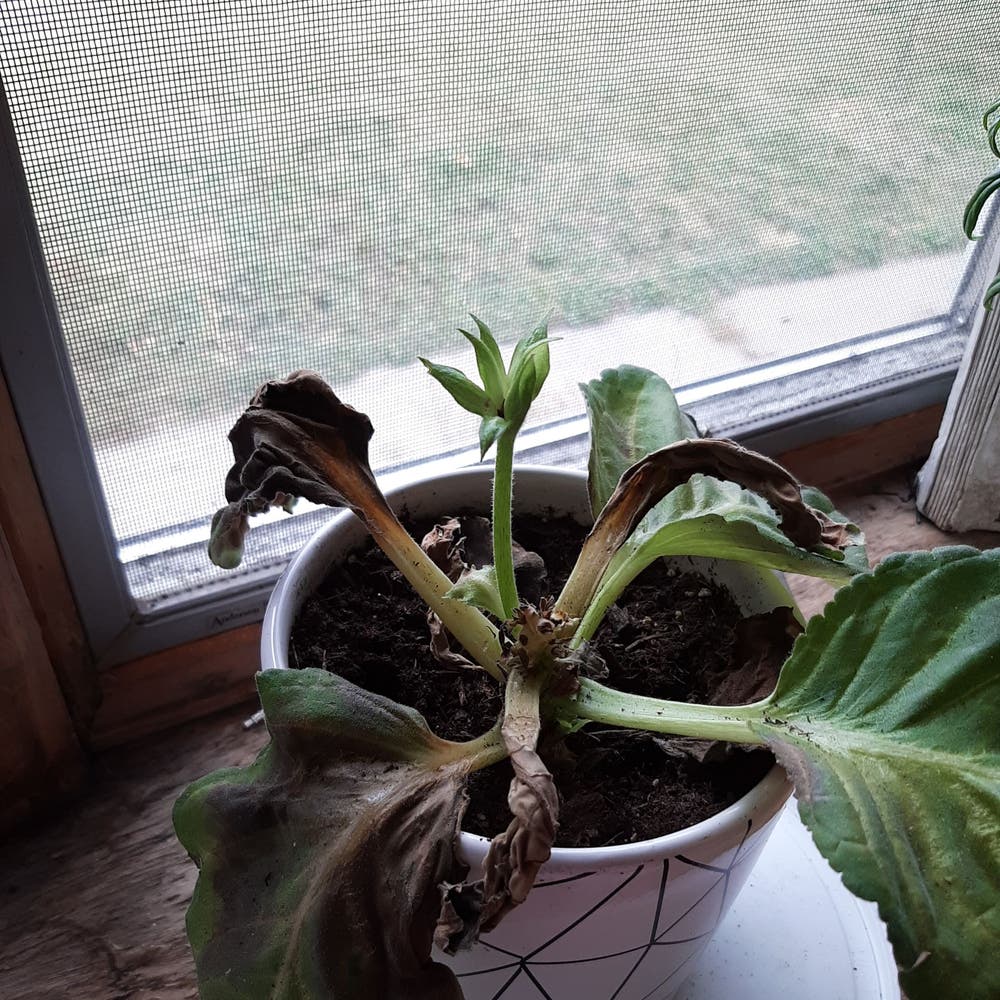
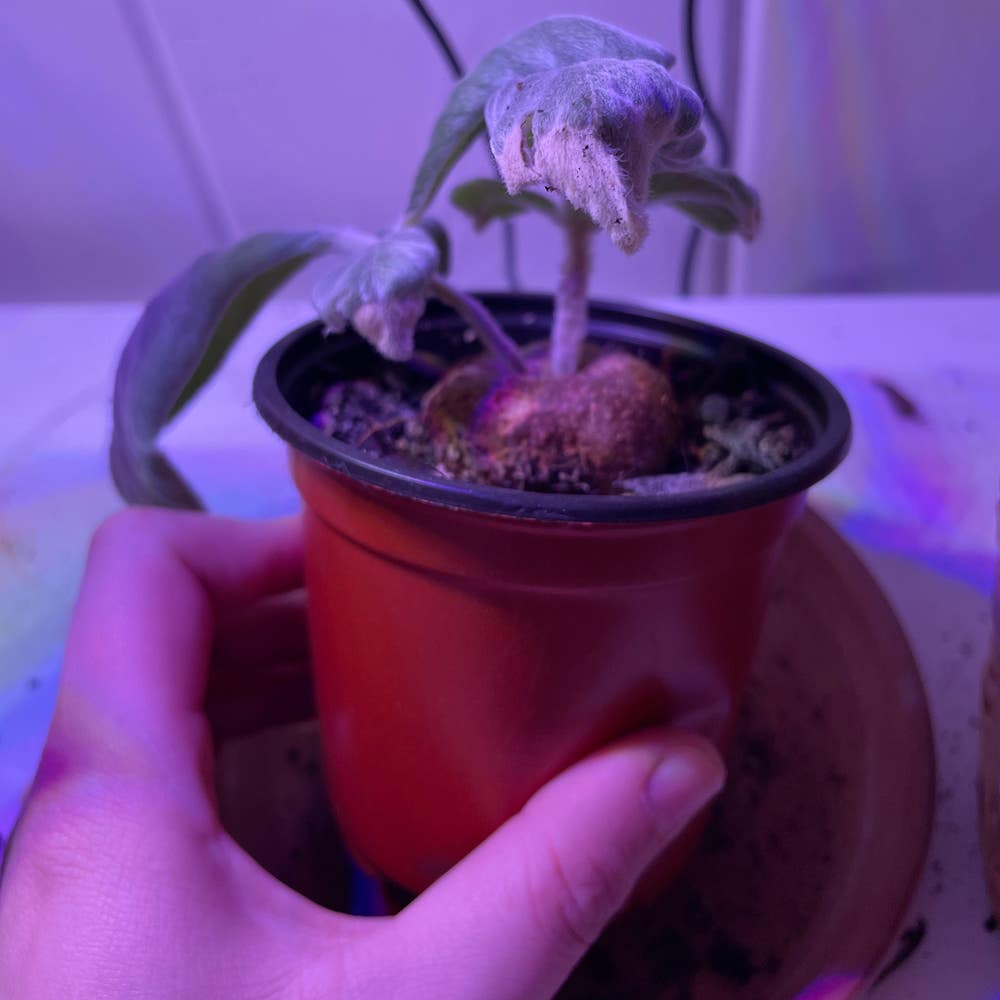
Mold and mildew in your Gloxinia's soil aren't just unsightly; they're alarms sounding off. Overwatering often leads to these issues, manifesting as white fuzz or a musty stench. Yellowing leaves or brown, limp stems? Your plant is likely staging a protest against soggy living conditions.
🦸♂️ Reviving Your Gloxinia's Soil
Time to don your superhero cape and rescue your Gloxinia's soil. Start by cutting back on the H2O and boosting air circulation. If the soil's as wet as a drowned rat, it's repotting time. Shake off the old soil, trim any rotten roots, and introduce your plant to a fresh, well-draining mix. Consider mixing in some perlite or coarse sand to improve aeration. And remember, consistency in watering will keep those moldy menaces at bay.

The Perfect Soil Mix for Gloxinia
🌱 Key Ingredients for Success
Creating the ideal soil mix for Gloxinia is like crafting a gourmet meal for a discerning palate—it's all about balance and precision. Key ingredients include a somewhat acidic potting mix that retains moisture without becoming waterlogged. African Violet soil mix is a stellar starting point, thanks to its well-draining and loose properties.
To keep your Gloxinia's roots as happy as a clam at high tide, ensure the mix is evenly moist, especially during flowering. This is non-negotiable; think of it as the secret sauce for vibrant blooms.
🌿 Mixing It Right
Let's dive into the nitty-gritty of concocting your own Gloxinia soil mix. Roll up your sleeves—it's time to get dirty.
- Start with a base: Grab 2 parts African Violet potting soil, which is already formulated to be slightly acidic and loose.
- Enhance drainage: Mix in 1 part perlite to prevent your Gloxinia from throwing a fit over wet feet.
- Retain moisture: Add 1 part sphagnum peat moss, which also helps with pH balance.
- Optional flair: For extra aeration, consider a sprinkle of pine bark fines.
Remember, this is more art than science. If your Gloxinia starts acting up, don't be afraid to tweak the ratios. It's all about creating a cozy, breathable, and moist environment for those delicate roots.

Top Commercial Soil Picks for Gloxinia
🌱 What to Look For
In the quest for commercial soil that will make your Gloxinia sing, think well-draining and slightly acidic. Organic matter should be your guiding star; it's the secret sauce for vibrant growth. Look for a mix that boasts a pH level between 5.5 and 6.5, and don't settle for anything less than a well-aerated party for your plant's roots.
🏷️ Brand Breakdown
When it comes to brand specifics, imagine your Gloxinia as a discerning guest at a soil banquet. African Violet mixes are like a tailored suit, fitting just right with their optimal drainage and acidity. Premium mixes often include charcoal or biochar, detoxifying like a spa day for your plant's roots. Orchid bark blends bring the chunkiness, and with a sprinkle of extra peat or compost, even a cactus mix can be a quick fix. Just remember to sidestep any mix that's too rich or dense, and always check for added fertilizers to avoid root burn.

When and How to Change Gloxinia Soil
⏰ Timing Is Everything
Knowing when it's time for a soil refresh is crucial for maintaining the health of your Gloxinia.
- Look for signs: If the leaves start to curl or the plant seems less vibrant, it might be signaling for new soil.
- Seasonal cues: Consider repotting before the growing season kicks in, much like you'd swap out your wardrobe to stay ahead of the weather.
- Post-bloom: After Gloxinia's showy display, when it enters dormancy, that's your cue for a soil change.
🌱 Changing Soil Like a Pro
Changing soil without causing your Gloxinia a meltdown requires some finesse.
- Gentle extraction: Coax your plant out of its pot like you're defusing a bomb—carefully.
- Root TLC: Tease out the roots. If they're tangled, it's like giving your plant a much-needed stretch.
- Fresh mix: Introduce your Gloxinia to its new soil home, which should be well-draining and nutrient-rich.
- Water wisdom: Water sparingly post-transplant. Think of it as serving a light appetizer instead of a heavy meal.
- Steady environment: Keep the plant in a stable, warm setting to avoid shocking it more than the move already has.
⚠️ Safety First
This content is for general information and may contain errors, omissions, or outdated details. It is not medical, veterinary advice, or an endorsement of therapeutic claims.
Always consult a qualified healthcare professional before using any plant as food, medicine, or supplement.
Never eat any plant (or feed one to pets) without confirming its identity with at least two trusted sources.
If you suspect poisoning, call Poison Control (800) 222-1222, the Pet Poison Helpline (800) 213-6680, or your local emergency service immediately.
Spotted an error? Please report it here.
Revitalize your Gloxinia's growth with an ideal soil mix and never overwater again 💧 thanks to Greg's personalized reminders for perfect moisture levels!