What Do Gloxinia Flowers Mean?
Sinningia speciosa
By the Greg Editorial Team
Jun 18, 2024•5 min read
This article was created with the help of AI so we can cover more plants for you. May contain errors. See one? Report it here.
Unearth Gloxinia's secret language of love 💕 and master their care for year-round blooms. 🌺
- Gloxinia symbolizes love, perfect for expressing affection in relationships.
- 🌸 Cultural significance: Victorian talisman of love, modern 'Proud and Noble Spirit.'
- Pruning and care essential for continuous, vibrant Gloxinia blooms.
Unveiling the Language of Gloxinia Blooms
🌺 Gloxinia's Whispers of Love and Appreciation
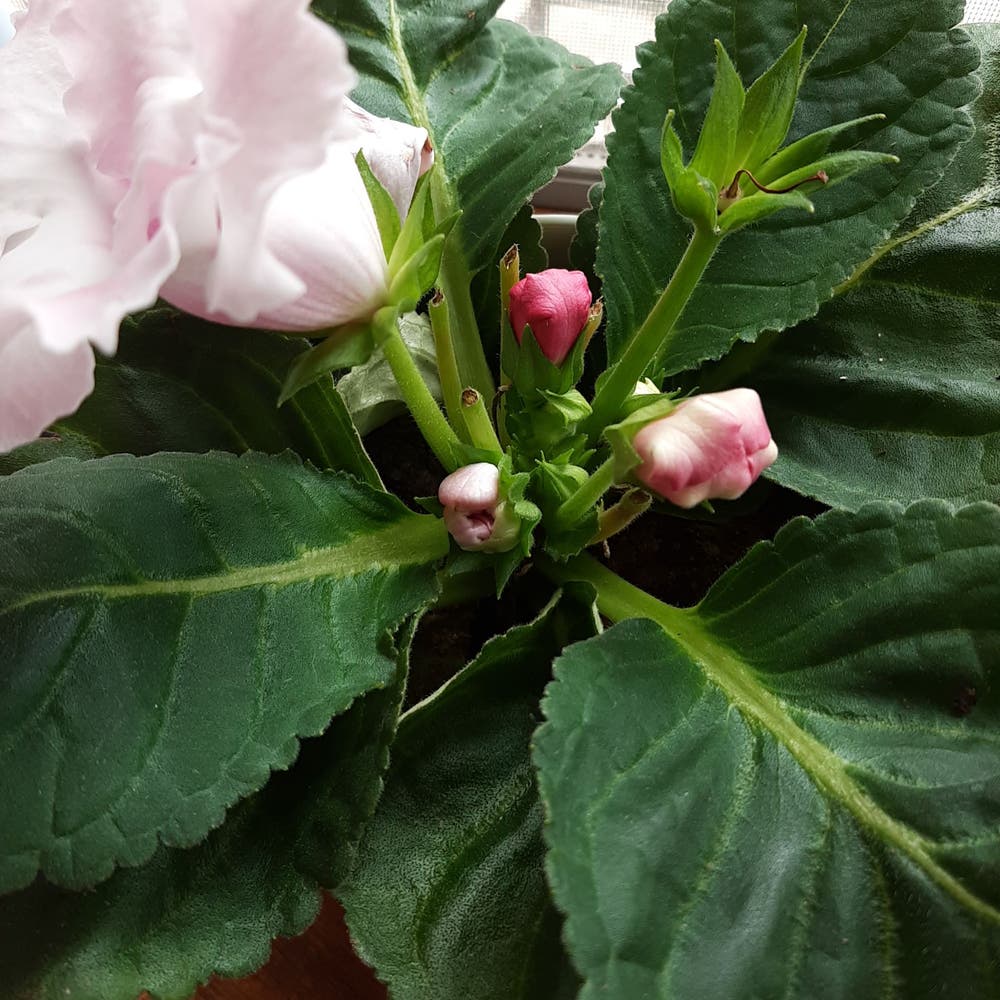
Gloxinia blooms are not just a feast for the eyes; they're messengers of the heart. Symbolizing love at first sight, these flowers are perfect for expressing affection and admiration in relationships. Whether it's a spontaneous gift to a significant other or a thoughtful present to a dear friend, Gloxinias convey a spectrum of sentiments from friendship to deep love.
📜 A Nod to History: Cultural Significance
Historically, Gloxinia's vibrant blossoms have been steeped in meaning. Victorian times saw them as talismans of love, believed to enchant and attract suitors. Fast forward to modern days, their symbolism extends to embodying a 'Proud and Noble Spirit,' making them ideal for gifting to those we respect and admire.
♋ Zodiac Connections
Astrologically, Gloxinias resonate with the nurturing and devoted nature of Cancer signs. Their blooming presence in a home can reflect the loyalty and strong familial bonds characteristic of this zodiac.
🎨 Colorful Communications
Each hue of Gloxinia carries its own story. Pink whispers motherly love, blue speaks of trust, red shouts passion, and white signifies purity. The regal purple Gloxinias, rich in color, are perfect for expressing respect and admiration, aligning with their royal symbolism.
🌱 Etymological Roots
The name 'Gloxinia' tips its hat to Benjamin P. Gloxin, an 18th-century German botanist. His legacy lives on in these flowers, connecting the past to the present in every bloom.
🎁 Suitable Gifting Occasions
Gloxinias are versatile in their gifting potential. They fit seamlessly into a variety of occasions, from Mother’s Day to housewarmings, symbolizing a range of emotions from affection to admiration. Their perennial nature ensures they're a gift that keeps on giving, year after year.

The Secrets to a Flourishing Gloxinia
💡 The Perfect Environment for a Blooming Fiesta
Gloxinia thrives in the spotlight of partial shade. Too much sun scorches its ego, while too little leaves it craving attention. Temperature is its dance partner; aim for a cozy range of 65-75°F (18-24°C) to keep the blooms coming.
Well-draining soil is non-negotiable; think of it as the comfy bed where Gloxinia lays its roots. A pH of 5.5-6.5 is the sweet spot, acidic enough to tickle its fancy. Keep the soil consistently moist but not waterlogged—Gloxinia hates wet feet.
🌱 Nurturing Your Gloxinia to Bloom
Fertilization is the secret sauce for a flower show that'll make the neighbors jealous. Use a balanced, low-nitrogen fertilizer to avoid leafy overgrowth at the expense of blooms. Half-strength is the golden rule here; too much and you'll have all leaves, no show.
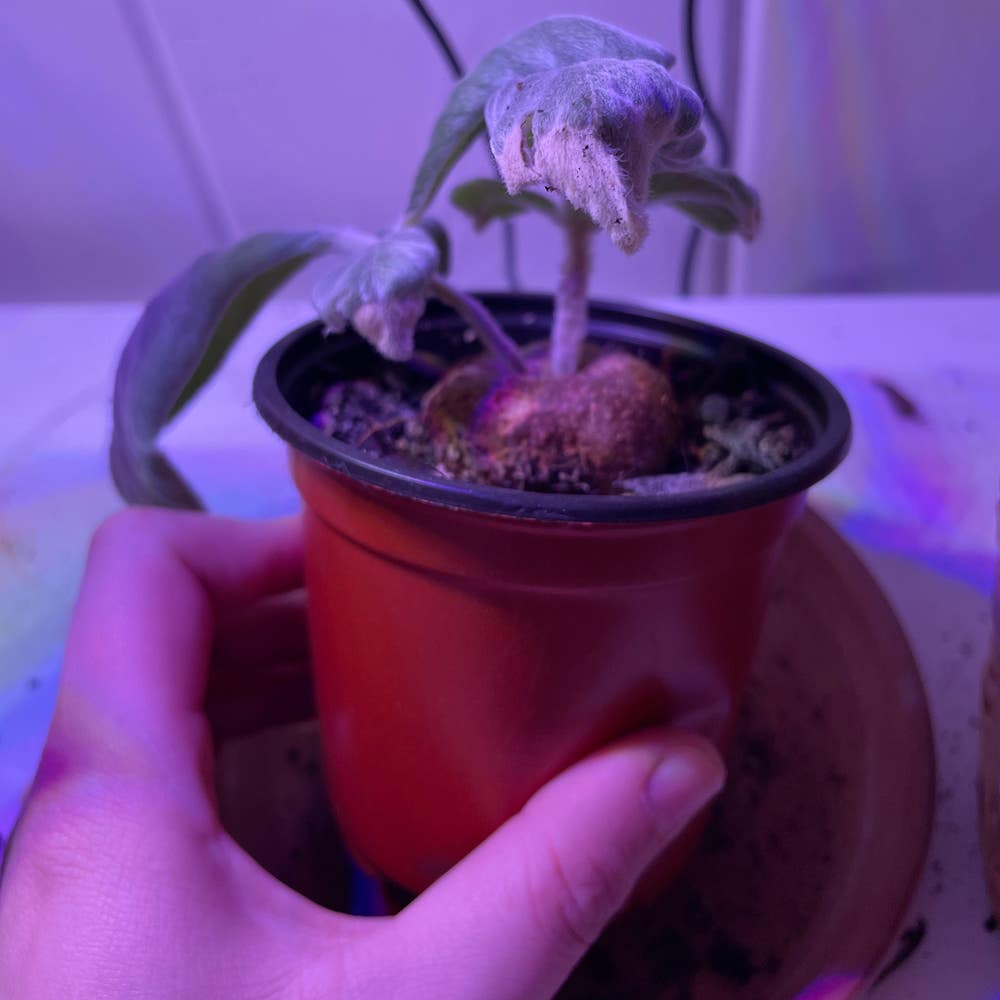
Dormancy is Gloxinia's beauty sleep. After the curtain falls on the bloom period, let it rest. Reduce watering and keep it in a cool place. Think of it as recharging the batteries for an encore performance. When new growth appears, it's showtime again—bring on the light, warmth, and water.

Pruning: The Art of Shaping Gloxinia's Blooming Potential
🌱 Strategic Snips for Spectacular Blooms
Pruning your Gloxinia isn't just a trim; it's a strategic shaping. Snip off spent flowers right at the base to encourage new blooms. Careful, though—those leaves are delicate.
Avoid turning your Gloxinia into a plant version of a bad haircut. Over-pruning can stress it out, leading to fewer flowers. Aim for moderation; think of it as a plant pep talk rather than a lecture.
🕰 Timing your trims: When to prune for optimal blooming
The best time to prune? Post-bloom. This is when your Gloxinia is ready to redirect energy into setting up the next show. It's like catching your plant at the right moment and whispering, "Hey, let's get ready for the encore."
Remember, timing is everything. Prune after flowering to avoid cutting off future blooms. It's not about being ruthless; it's about being mindful of the plant's cycle.

Encouraging a Repeat Performance: Tips for Continuous Blooms
🌸 Keeping the Show Going
After the curtain falls on your Gloxinia's first bloom, don't just take a bow and exit stage left. Post-bloom care is your encore chant for more spectacular shows.
- Trim back the spent flowers and any yellowing leaves to channel energy back to the plant.
- Reduce watering slightly, but don't let the soil turn into a desert; keep it lightly moist.
- Maintain a warm environment, ideally above 70 degrees Fahrenheit, to set the stage for a comeback.
🎭 Adjusting Care After the First Bloom
Once the applause dies down, it's time to tweak the script for your Gloxinia's care routine to ensure a repeat performance.
- Ease up on fertilizers during dormancy; too much can lead to a foliage fiasco.
- Repot during the dormant phase if necessary, to give your plant a fresh foundation.
- Monitor moisture levels diligently; overwatering is like a bad review for your plant's health.
- Restart fertilization with an organic touch once the dormancy curtain lifts and growth resumes.
Remember, Gloxinia's blooming sequel isn't a given; it demands attention to detail and a passion for the craft. Keep your green thumbs nimble and your care routine dynamic, and you just might get that standing ovation of continuous blooms.
⚠️ Safety First
This content is for general information and may contain errors, omissions, or outdated details. It is not medical, veterinary advice, or an endorsement of therapeutic claims.
Always consult a qualified healthcare professional before using any plant as food, medicine, or supplement.
Never eat any plant (or feed one to pets) without confirming its identity with at least two trusted sources.
If you suspect poisoning, call Poison Control (800) 222-1222, the Pet Poison Helpline (800) 213-6680, or your local emergency service immediately.
Spotted an error? Please report it here.
Let your Gloxinia blooms speak volumes 🌺 with Greg's personalized care reminders, ensuring your flowers always convey the right message.