Common Gloxinia Problems
Sinningia speciosa
By the Greg Editorial Team
Jun 18, 2024•4 min read
This article was created with the help of AI so we can cover more plants for you. May contain errors. See one? Report it here.
Safeguard your Gloxinia's splendor 🌺 by sidestepping these typical troubles with our expert care guide.
- 💧 Over/under-watering affects leaves: Yellow, wilted, or drooping signs.
- 🌞🌡️ Bright, indirect light and 18-24ºC keep Gloxinias happy.
- 🐛 Pests and fungus: Watch for aphids, mealybugs, and mold.
Water Woes: Too Much or Too Little
🚱 Spotting the Signs
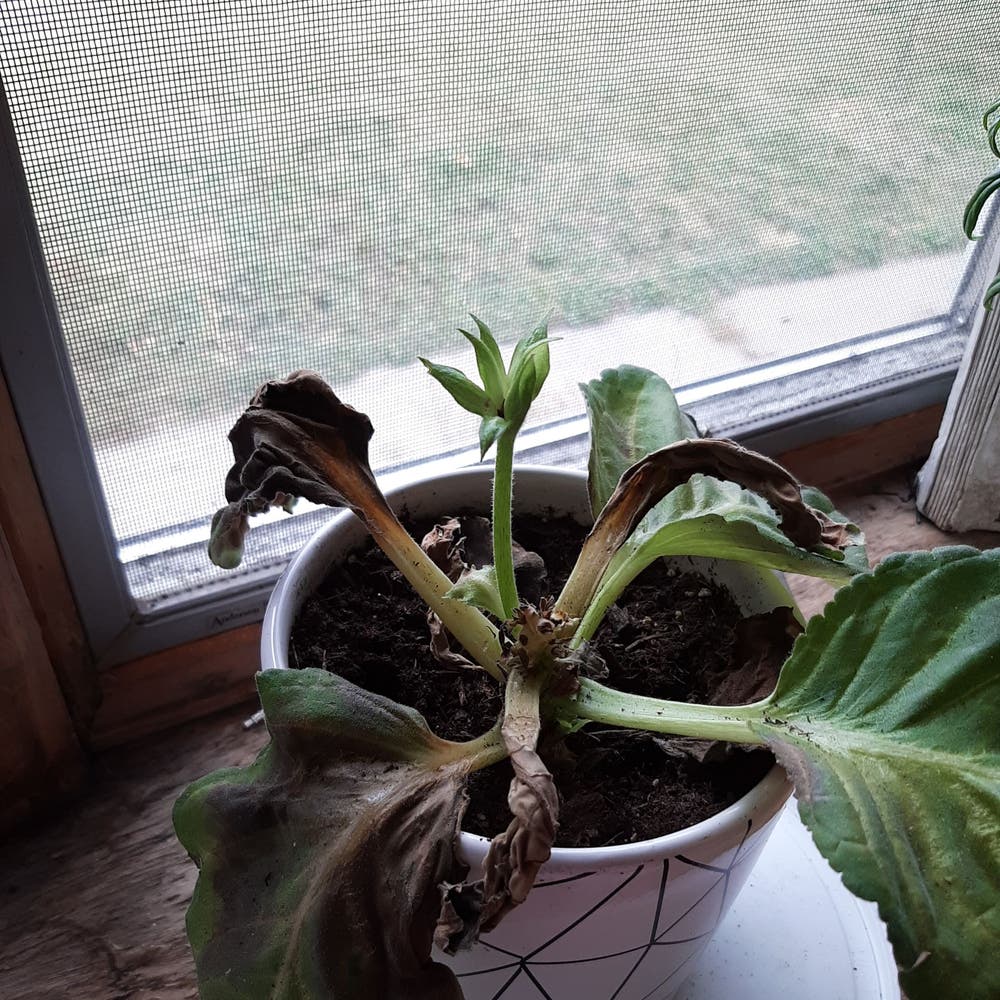
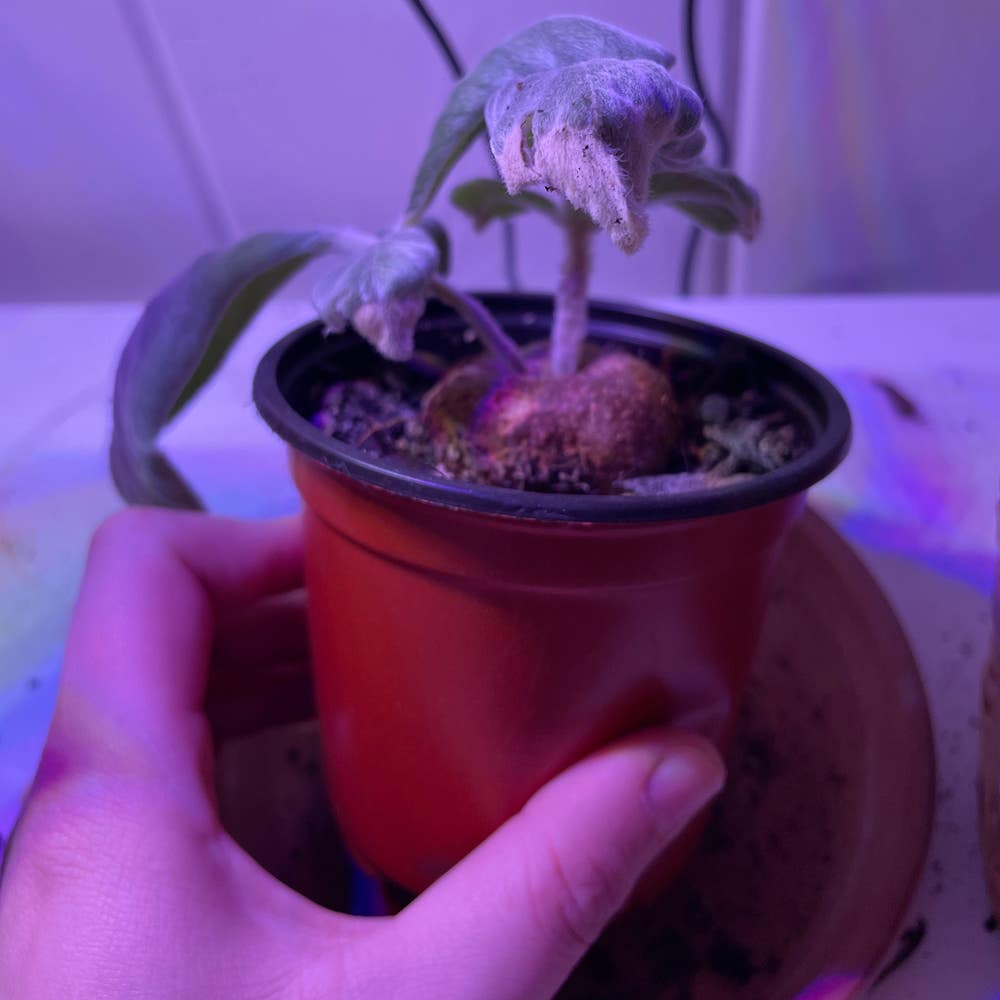
Gloxinias can be drama queens when their watering isn't on point. Over-watering typically leads to leaves that look more like a sad salad than a vibrant plant—think yellow, wilted, or with brown spots. If the soil feels like a swamp, you've gone overboard. Under-watering, on the flip side, leaves your Gloxinia looking parched, with leaves drooping like they've just run a marathon in the desert. The soil will be as dry as stale bread—definitely not what your plant's roots are craving.
Finding the Balance
To avoid turning your Gloxinia into a botanical cautionary tale, check the soil before you water. If it sticks to your finger, it's not yet time for a drink. A pot that feels heavier than your last Amazon delivery might mean it's still waterlogged, while a light one is your plant's way of whispering for water. After watering, if your plant perks up like it's just had a shot of espresso, you've hit the mark. If it remains droopy, it might be time to ease up on the aqua. Remember, drainage is crucial; your pot should have holes at the bottom to avoid creating a mini-lake for your Gloxinia's roots.

Light and Temperature: The Balancing Act
🌞 Light Issues Uncovered
Gloxinias are drama queens when it comes to light. Too much, and their leaves throw a fit, turning crispy and brown. Not enough, and they stretch out, reaching for any ray they can get, resulting in leggy, weak plants. The sweet spot? Bright, indirect light. Think of it as the plant's preferred spa setting—enough light to bask in without the burn.
🌡️ Temperature Troubles
Temperature is the silent player in this balancing act. Consistency is the name of the game. Gloxinias enjoy a stable environment, typically between 18-24ºC (64-75ºF). Anything outside this range and the plant starts to sulk. Keep them away from drafty windows and overzealous heaters. If your Gloxinia could talk, it'd probably ask for a stable relationship with its environment—no sudden changes, please.

The Unseen Enemy: Root Rot and Fungal Foes
🕵️♂️ Root Rot Recognition
Identifying root rot is like being a plant detective. Look for leaves turning yellow and a canopy that's thinning out. If the roots are soft and brown instead of firm and white, you've hit the jackpot of bad news. A foul smell from the soil? That's the scent of defeat. It's time to take action.
🍄 Fungal Infestations
When leaves sport unsightly discolorations or powdery spots, it's a red flag waving in your face. The culprit? Often, it's too much moisture. Time to channel your inner Sherlock and eliminate the source of dampness. Remember, mold and fungus are the party crashers of the plant world, thriving in wet conditions. Your mission: shut down the fiesta before it ruins your Gloxinia's good vibes.

Pests and Leaf Problems: The Visible Villains
🐜 Pests on Patrol
Aphids, mealybugs, and spider mites are the usual suspects when Gloxinia is under attack. These pests are like uninvited guests that refuse to leave, sucking the life out of your plants. Aphids crowd the new growth, mealybugs look like tiny cotton clumps, and spider mites leave leaves with a stippled appearance. To evict these pests, insecticidal soap or horticultural oil can be your weapons of choice. For a more nuclear option, imidacloprid as a soil drench offers a season-long systemic solution. Always check the label for dosages and safety.
Leaf Scorch and Discoloration
Leaf scorch is like a sunburn for your Gloxinia, with dry, crispy edges as the telltale sign. It's the plant's SOS for too much light. On the flip side, insufficient light can lead to a gloomy Gloxinia with lackluster leaves. Keep your Gloxinia in a bright spot without direct sunlight to prevent scorching. If your leaves are turning a sickly yellow, it's not just an aesthetic issue; it's a cry for help. It could be a sign of pests, but it might also be a watering faux pas or a fungal fiesta. Keep a vigilant eye on your plant's leaf color and structure to stay ahead of these issues.
⚠️ Safety First
This content is for general information and may contain errors, omissions, or outdated details. It is not medical, veterinary advice, or an endorsement of therapeutic claims.
Always consult a qualified healthcare professional before using any plant as food, medicine, or supplement.
Never eat any plant (or feed one to pets) without confirming its identity with at least two trusted sources.
If you suspect poisoning, call Poison Control (800) 222-1222, the Pet Poison Helpline (800) 213-6680, or your local emergency service immediately.
Spotted an error? Please report it here.
Ensure your Gloxinias are thriving 🌺, not just surviving, by leveraging Greg's custom watering plans to dodge those pesky over and under-watering issues highlighted in the article.