10 Indoor Gloxinia Care Dos and Don'ts 🌸
Sinningia speciosa
By the Greg Editorial Team
Nov 23, 2024•6 min read
This article was created with the help of AI so we can cover more plants for you. May contain errors. See one? Report it here.
Unlock stunning gloxinia blooms 🌺 by mastering their light, water, and care needs for a thriving indoor garden!
- 💡 Gloxinia thrives in bright, indirect light for 12-14 hours daily.
- 💧 Water every 5-7 days, allowing soil to dry slightly to prevent rot.
- 🌡️ Maintain humidity between 50-70% and ideal temperatures of 18°C to 24°C.
Light Requirements
Ideal Indoor Light Levels 🌟
For your indoor gloxinia to thrive, it needs bright, indirect light. Aim for 12-14 hours of light daily to ensure optimal growth and vibrant blooms.
Role of Grow Lights 💡
During the darker months, like winter, natural light may not be enough. This is when grow lights come into play, providing essential light to keep your gloxinia healthy and flourishing.
Choosing the Best Grow Light 🛍️
When selecting grow lights, you have options like LED and fluorescent. LEDs are energy-efficient and long-lasting, while fluorescents are often more affordable; choose based on your budget and needs.
For wattage, a range of 20-40 watts is typically sufficient for most indoor setups. Ensure the light spectrum is suitable for plant growth, ideally with a mix of cool and warm light.
Placement is crucial; position your grow light 12-18 inches above the plant. This distance helps prevent leaf burn while ensuring your gloxinia receives adequate light.
With the right lighting conditions, your gloxinia will not only survive but thrive, setting the stage for the next section on watering needs.
Watering Needs
Frequency and Method 🌊
Gloxinia thrives on a consistent watering schedule. Aim to water your plant every 5-7 days, allowing the soil to dry out slightly between waterings to prevent soggy roots.
For the best results, consider bottom watering. This method helps avoid leaf rot by allowing the plant to absorb moisture from the bottom up, keeping the leaves dry and healthy.
Signs of Overwatering and Underwatering 🚨
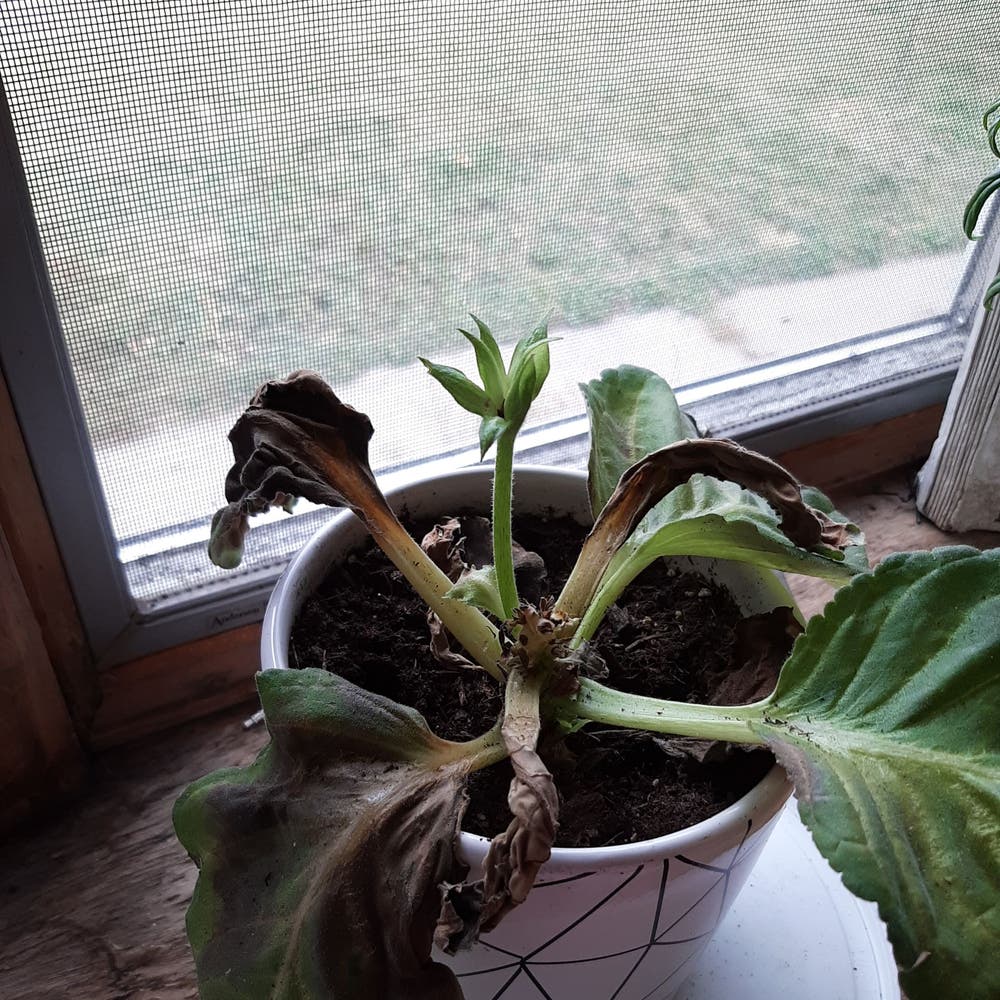
Recognizing the signs of overwatering is crucial for your Gloxinia's health. Look for yellowing leaves, mushy stems, and root rot, which indicate too much moisture.
On the flip side, underwatering can also stress your plant. Watch for wilting leaves, dry soil, and drooping flowers, as these are clear signals that your Gloxinia needs a drink.
By mastering the watering needs of your Gloxinia, you set the stage for vibrant blooms and lush foliage. Next, let’s explore the optimal humidity and temperature conditions to keep your plant thriving.
Humidity and Temperature
Optimal Humidity Levels 🌧️
Maintaining the right humidity is crucial for your gloxinia's health. Aim for a humidity level between 50-70% to encourage vibrant blooms and lush foliage.
Humidity plays a significant role in the overall well-being of your plant. It helps prevent leaf curling and promotes healthy flowering, making it essential for indoor gloxinia care.
Temperature Preferences and Seasonal Adjustments 🌡️
Gloxinia thrives in temperatures ranging from 18°C to 24°C (65°F to 75°F). Keeping your plant within this range ensures it remains happy and healthy.
As seasons change, be mindful of drafts and sudden temperature shifts. Protect your gloxinia from cold air and heat sources to maintain a stable environment.
Humidity Control Methods 💧
To boost humidity, consider using pebble trays filled with water, placing humidifiers nearby, or grouping your plants together. These methods create a microclimate that benefits your gloxinia.
Monitoring humidity levels is just as important. Use a hygrometer to get accurate readings, ensuring your plant stays within its preferred humidity range.
With the right humidity and temperature, your gloxinia will flourish, setting the stage for vibrant blooms and lush growth. Next, let's explore the best soil and fertilization practices to keep your plant thriving.
Soil and Fertilization
🌱 Best Soil Type
For your indoor gloxinia, a well-draining, lightweight potting mix is essential. This type of soil promotes healthy root growth and prevents water retention, which can lead to root rot.
Soil pH is another critical factor. Aim for a slightly acidic to neutral pH range of 6.0 to 7.0 to ensure your gloxinia thrives. This balance helps the plant absorb nutrients effectively.
📅 Fertilization Schedule and Types
Fertilizing your gloxinia is vital for robust growth. During the growing season, plan to fertilize every 4-6 weeks to provide the necessary nutrients.
When it comes to fertilizers, a balanced liquid fertilizer diluted to half strength works wonders. This approach prevents over-fertilization while still delivering essential nutrients for vibrant blooms.
With the right soil and fertilization practices, your gloxinia will flourish beautifully. Next, let’s explore common issues and solutions to keep your plant healthy and thriving.
Common Issues and Solutions
🐞 Common Pests and Prevention Strategies
Indoor gloxinia can attract pests like aphids, spider mites, and mealybugs. Regular inspections are crucial; check the undersides of leaves and around stems for any signs of infestation.
To prevent these pests, maintain cleanliness around your plants. Using insecticidal soap can effectively manage outbreaks, but keeping your plants clean is the first line of defense.
🔧 Troubleshooting Problems
Wilting leaves can signal various issues, often related to watering practices. If your gloxinia is wilting, consider adjusting your watering schedule to ensure the soil is neither too dry nor overly saturated.
Leaf drop can indicate stress factors such as temperature fluctuations. Monitor your plant's environment and make necessary adjustments to keep it stable.
✂️ Tips for Maintaining Appearance and Health
Regular pruning is essential for a healthy gloxinia. Remove any dead or yellowing leaves to encourage new growth and maintain a tidy appearance.
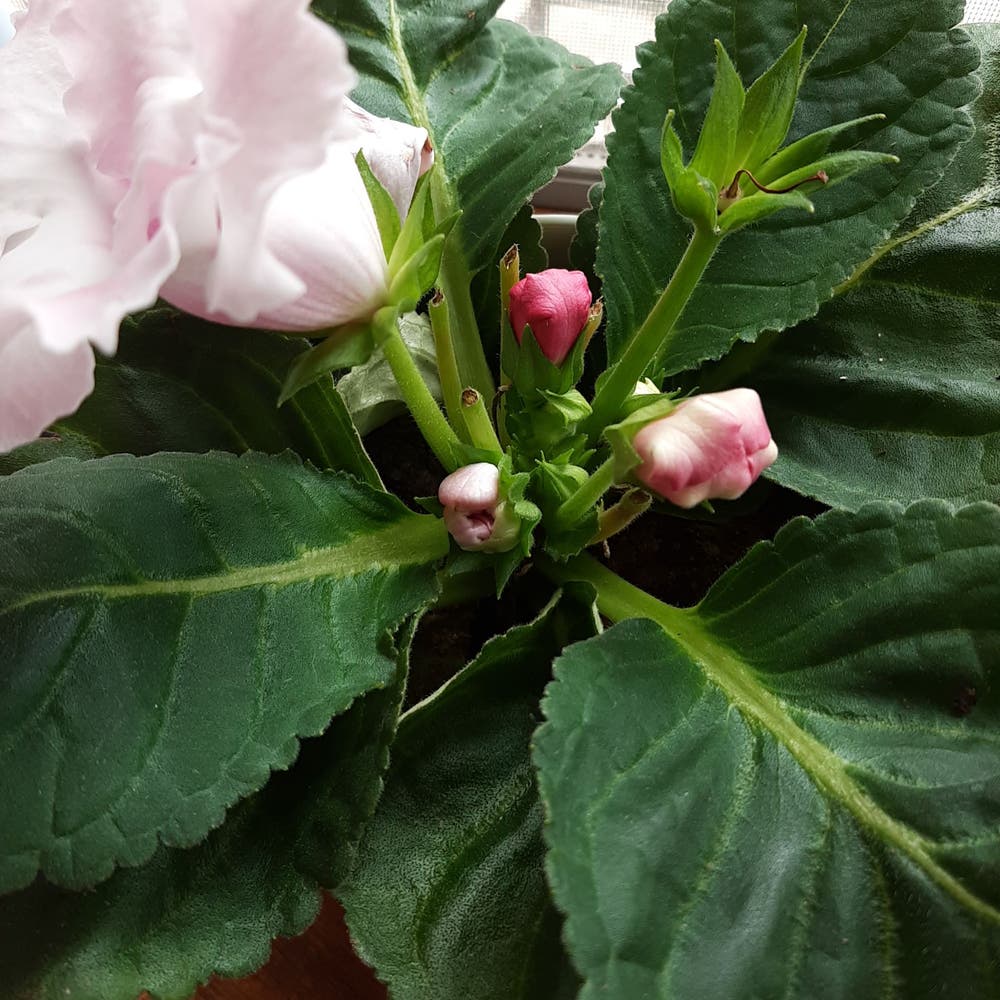
To promote blooming, practice deadheading by removing spent flowers. This simple act can stimulate your plant to produce more blooms, enhancing its overall beauty.
With these strategies, your gloxinia can thrive, showcasing its vibrant flowers and lush foliage. Next, let’s explore the best placement and maintenance tips to ensure your plant continues to flourish.
Placement and Maintenance Tips
Best Placement Within the Home 🌅
Finding the right spot for your gloxinia is crucial for its health. Aim for east or west-facing windows where it can bask in bright, indirect light.
Avoid placing your gloxinia near heating vents or drafty windows. These conditions can lead to stress and hinder its growth.
Seasonal Care Adjustments 🍂
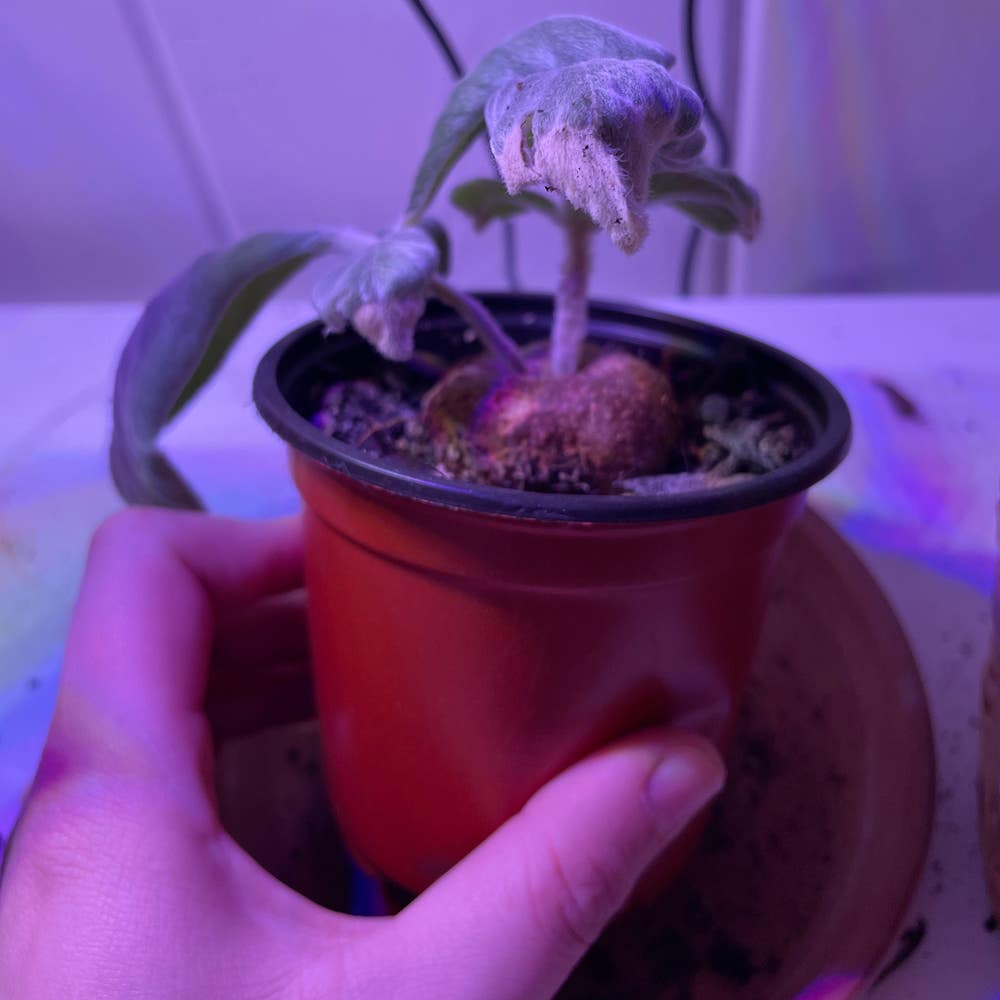
As seasons change, so should your care routine. During dormancy, reduce watering and fertilization to give your plant a well-deserved rest.
When preparing for the blooming season, ensure your gloxinia receives adequate light and humidity. This will set the stage for vibrant flowers and lush foliage.
With these placement and maintenance tips, your gloxinia will thrive beautifully, ready to brighten your indoor space. Next, let’s explore the essential soil and fertilization practices to keep your plant healthy.
⚠️ Safety First
This content is for general information and may contain errors, omissions, or outdated details. It is not medical, veterinary advice, or an endorsement of therapeutic claims.
Always consult a qualified healthcare professional before using any plant as food, medicine, or supplement.
Never eat any plant (or feed one to pets) without confirming its identity with at least two trusted sources.
If you suspect poisoning, call Poison Control (800) 222-1222, the Pet Poison Helpline (800) 213-6680, or your local emergency service immediately.
Spotted an error? Please report it here.
Nurture your indoor gloxinia to bloom beautifully 🌸 by using Greg's tailored watering reminders and light tips to keep your plant thriving all year round!