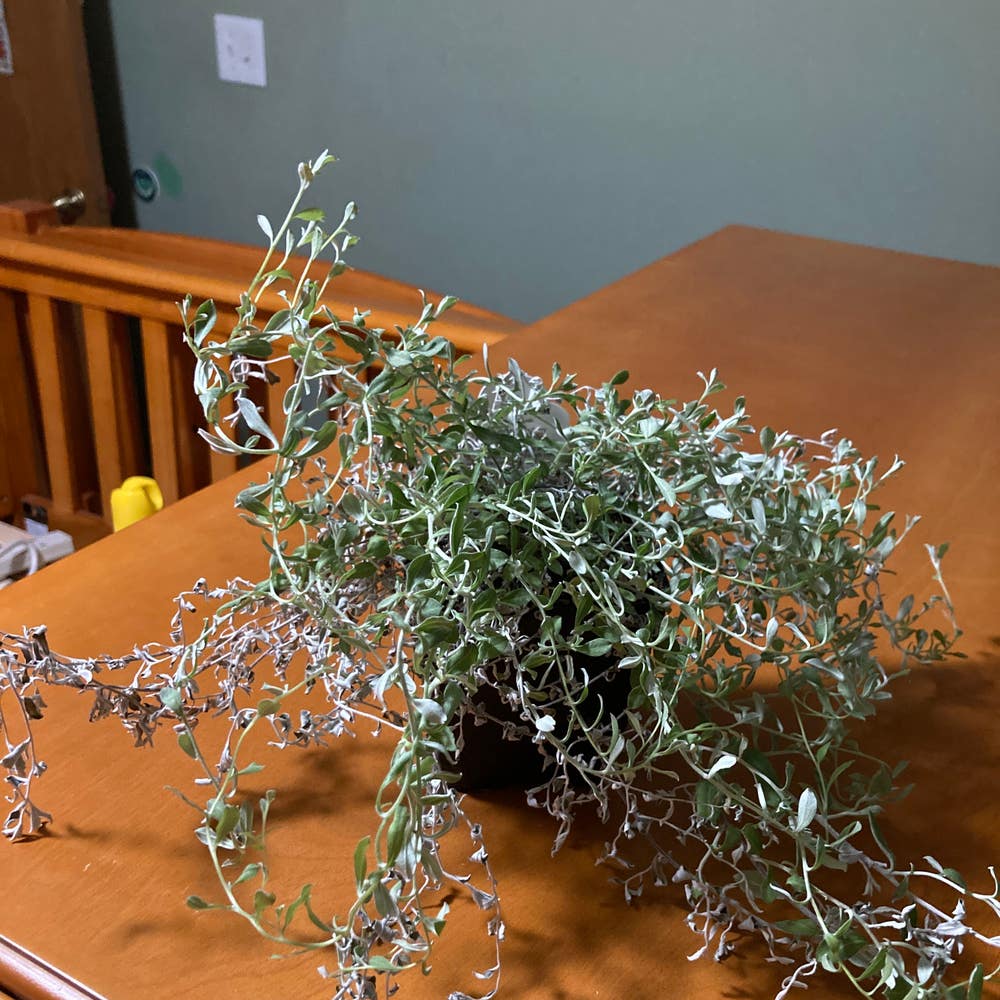
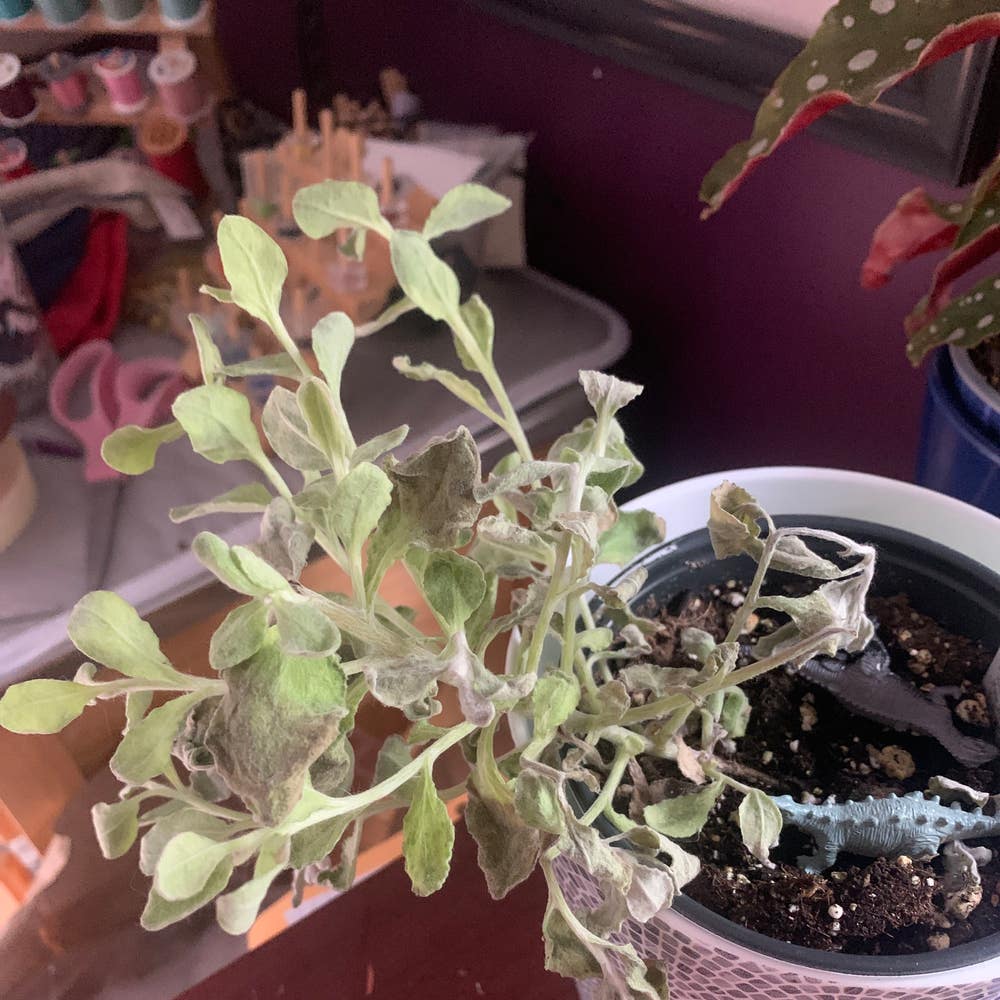
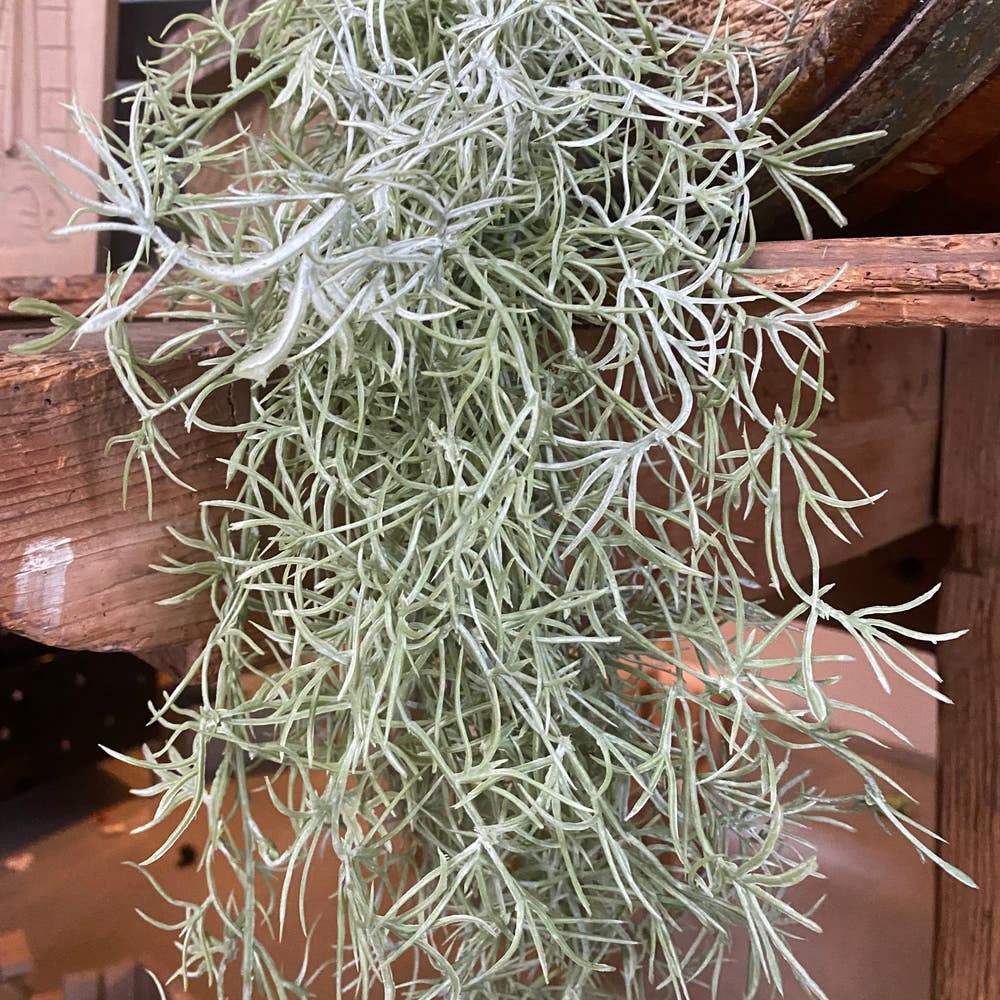
🍬 Why Are My Licorice Plant Leaves Falling Over?
Helichrysum petiolare
By the Greg Editorial Team
Jun 18, 2024•4 min read
This article was created with the help of AI so we can cover more plants for you. May contain errors. See one? Report it here.
Revive your Licorice Plant's droop with expert tips for ideal watering, light, and nutrition! 🌿💧
[[Thoughts]]: The revised statement is more concise and directly addresses the reader's problem, offering a solution that combines practical advice with the promise of expert tips. It also includes emojis to add a touch of personality and visual interest.
- Overwatering causes droop: let soil dry out before watering again.
- Light and temperature balance: adjust for bright, indirect light and 65°F-80°F.
- Nutrient-rich fertilizer: use balanced feed and monitor with tools.
When Watering Goes Wrong: Finding the Balance
💦 Overwatering Overload
Soggy soil and a plant that looks like it's had one too many are classic signs of overwatering. If your Licorice Plant's leaves are more limp than a forgotten salad, it's time to intervene.
Cut back on the water and let the soil dry out like a desert landscape. If the roots are blacker than your morning coffee, it's surgery time—trim the rot and repot with fresh, well-draining soil. Remember, your plant is not a fish; it doesn't need to swim.
🌵 The Thirsty Plant Predicament
When leaves drop like they're too tired to stand up, it could be a cry for hydration. If the pot feels lighter than your conscience after skipping the gym, it's a clear sign—water is needed, stat.
Find the watering sweet spot by waiting until the top inch of soil feels like a dry handshake before giving your plant a drink. Consistency is your new best friend; mark your calendar, set a reminder, do whatever it takes to avoid the underwatering blues.

Light and Temperature: The Balancing Act
🌞 Too Much Sun or Not Enough?
Leaf scorching is your Licorice Plant's SOS signal for too much sun. Brown tips or patches that feel crispy mean it's time to dial back the rays. Relocate your plant to a spot with bright, indirect light, away from the punishing midday sun.
Conversely, a plant stretching out with sparse foliage is craving more light. It's reaching for the sun, literally. Adjust its position to ensure it gets enough light without going overboard.
❄️ Keeping the Chill at Bay
Licorice Plants don't appreciate the cold shoulder. Wilting or discolored leaves can signal it's too chilly. Maintain a consistent temperature between 65°F and 80°F to keep your plant's leaves perky.
If you notice your plant's leaves dropping like it's hot – it's probably because it is. Shield your plant from excessive heat, especially in scorching climates, to prevent a droopy demeanor.

Feeding Your Plant: A Nutrient Buffet
🌱 Spotting a Starving Plant
Yellow leaves? Stunted growth? Your Licorice Plant might be screaming for nutrients. These are tell-tale signs of a diet that's lacking. Nitrogen deficiency often turns leaves pale, while a lack of potassium could leave stems weak. If blooms are scarce, phosphorus is probably playing hard to get.
💊 The best vitamins for your plant's diet
Think of micronutrients as your plant's daily multivitamin. A balanced fertilizer, rich in nitrogen, phosphorus, and potassium, is essential. Don't forget the micronutrients like magnesium and calcium; they're crucial, even in tiny doses.
☕ Fertilizer Finesse
Choosing the right fertilizer is like picking the perfect coffee blend—specific to your plant's palate. Overdo it, and you risk nutrient burn; underdo it, and growth could stunt. Follow the fertilizer package's script to the letter for peak plant performance.
🕒 Timing your fertilization for optimal plant health
Timing is everything. Regular feeding with a balanced fertilizer keeps your Licorice Plant robust. But remember, less is more. Over-fertilization is just as bad as under-fertilization. Stick to the recommended schedule to avoid overwhelming your green buddy.

Proactive Plant Parenting: Preventing the Droop
🌱 Consistency is Key
Creating a routine is like setting an alarm for plant prosperity—it's essential. Watering should be as regular as your morning coffee, and light exposure as consistent as your favorite weekly TV show. Rotate your Licorice Plant to ensure all sides receive their share of sun kisses.
🛠 Tools and Techniques for Monitoring Plant Health
Invest in a moisture meter to take the guesswork out of watering. A thermometer can help you keep tabs on the temperature, ensuring your plant isn't shivering or sweating. For the tech-savvy, consider a plant monitoring app to track your Licorice Plant's vitals.
🕵️ Early Detection, Early Resolution
Be on the lookout for early signs of droop, like a detective on a stakeout. If you spot leaves that hang lower than a teenager's jeans, it's time to act. Adjust your care routine with the precision of a barista crafting the perfect latte.
⚡ Quick Interventions to Stop the Droop in its Tracks
If you catch the droop early, consider it a minor hiccup rather than a full-blown crisis. Prune any sad-looking leaves to refocus your plant's energy. Adjust watering and lighting like you're fine-tuning a vintage radio—until the signal is clear and the music (or in this case, the leaves) is vibrant.
⚠️ Safety First
This content is for general information and may contain errors, omissions, or outdated details. It is not medical, veterinary advice, or an endorsement of therapeutic claims.
Always consult a qualified healthcare professional before using any plant as food, medicine, or supplement.
Never eat any plant (or feed one to pets) without confirming its identity with at least two trusted sources.
If you suspect poisoning, call Poison Control (800) 222-1222, the Pet Poison Helpline (800) 213-6680, or your local emergency service immediately.
Spotted an error? Please report it here.
Ensure your licorice plant leaves stay upright and lush 🌿 with Greg's tailored care reminders, ensuring you water, fertilize, and position your plant perfectly from the advice in this article.