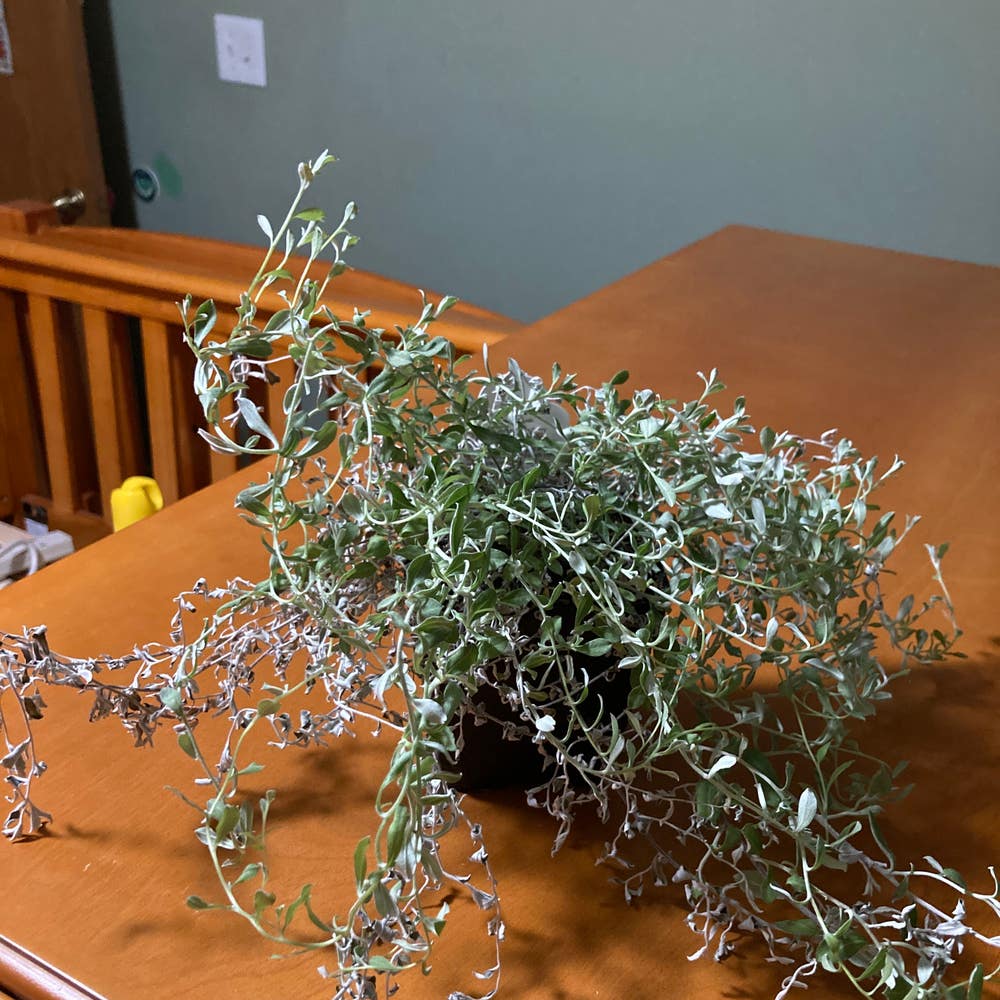
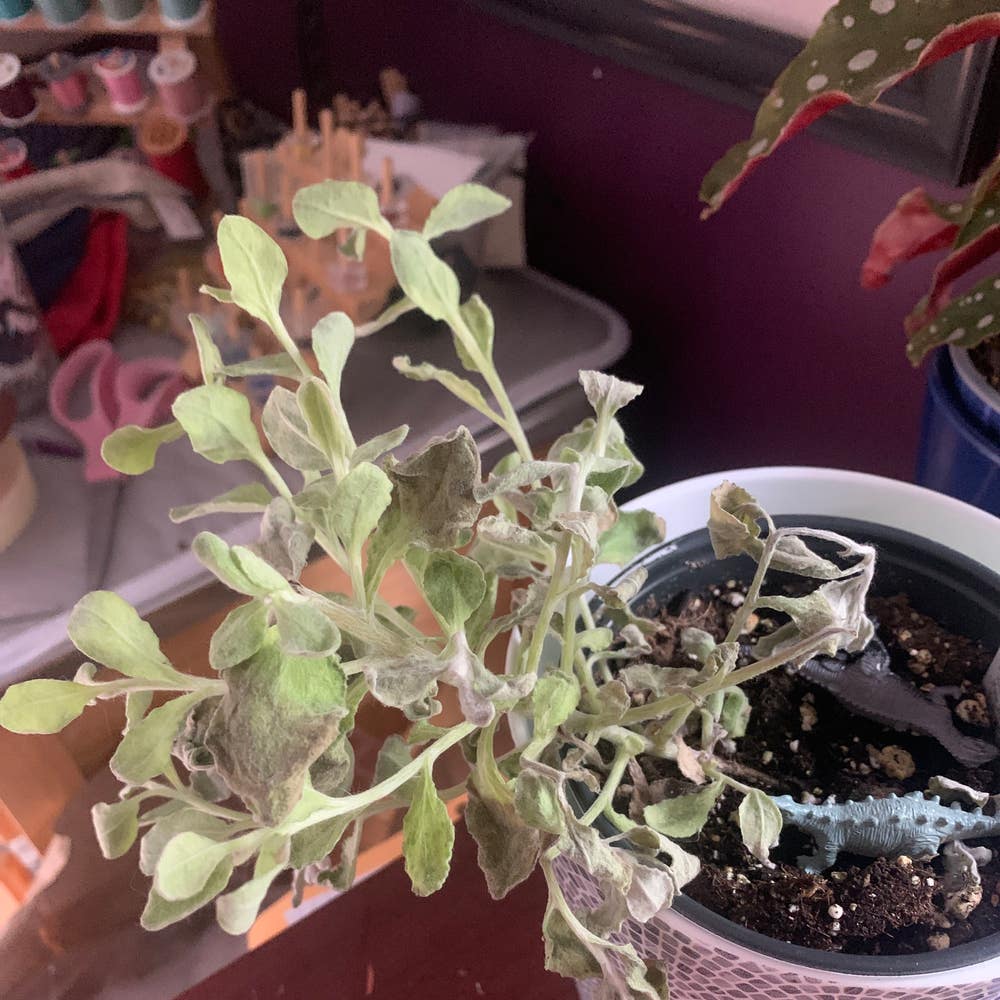
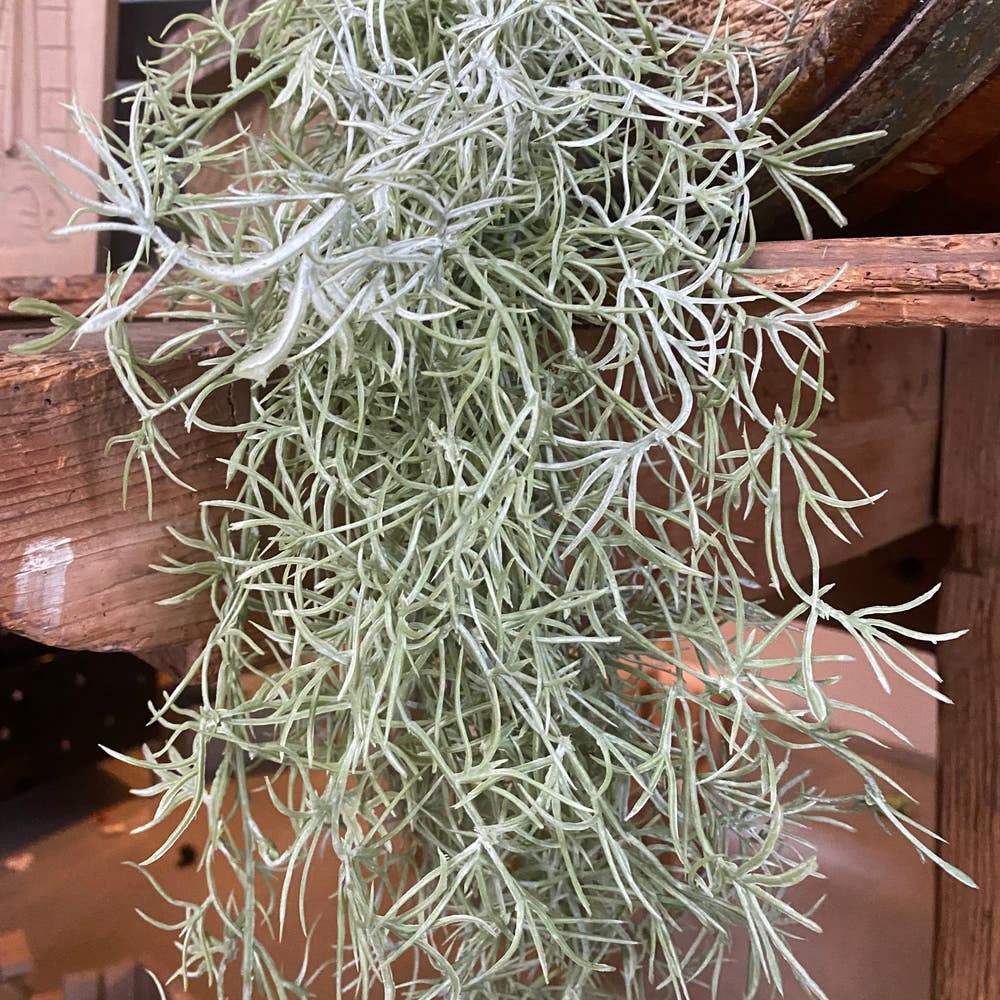
Why Are My Licorice Plant Leaves Droopy?
Helichrysum petiolare
By the Greg Editorial Team
Jun 18, 2024•4 min read
This article was created with the help of AI so we can cover more plants for you. May contain errors. See one? Report it here.
Say goodbye to droopy Licorice Plant leaves 🍂 and hello to vibrant foliage with these foolproof care tips! 🌿
- Overwatering and underwatering both lead to droopiness; balance is crucial.
- Bright, indirect sunlight and stable temperatures keep leaves perky.
- Consistent care with regular checks and adjustments prevents future droops.
Spotting the Signs of Droopiness
💧 When Too Much Water is a Bad Thing
Overwatering is like giving your Licorice Plant an unwanted bath. Leaves that are soft and dark aren't going for a goth look—they're waterlogged. To cut back, ensure good drainage and let the soil dry out a bit before the next watering.
🏜️ The Thirsty Plant Predicament
Underwatering turns your plant into a crispy critter. Leaves curling and drying out are begging for a drink. Rehydrate your plant without turning it into a pool party—soak the soil, then let it drain.
🌞 Light: Finding the Sweet Spot
Your Licorice Plant isn't trying to get a tan with droopy leaves; it's probably getting too much sun. Adjust the light exposure to a bright but indirect spot where it won't wither.
🌡️ Weather Woes: Too Hot or Too Cold
Temperature swings can make your plant act like it's in a bad mood. Too hot or too cold, and the leaves droop like they're under the weather. Keep your plant comfortable by steering clear of extreme temperatures and drafts.

First Aid for Your Droopy Licorice Plant
💧 Balancing the Watering Equation
Reviving your Licorice Plant starts with watering discipline. Check the soil's top inch; if it's dry, it's time for a drink. Water until moisture appears at the drainage holes, then halt. It's about moderation—too much, and you risk root rot; too little, and the leaves will tell the tale of neglect.
☀️ Let There Be (The Right Amount of) Light
Light is a plant's best friend, but the wrong type can be its undoing. Move your Licorice Plant to a location where it gets bright, indirect sunlight. If the sun's too harsh, especially in scorching summers, a bit of shade won't hurt. It's all about finding that sweet spot where the leaves can bask without baking.
🌡️ Keeping the Temperature Just Right
Your plant doesn't need a sauna or an ice bath; it craves "just right". Protect it from drafts and direct AC blasts. If it's too cold, consider a warmer spot, but avoid placing it near heat sources that can dry it out. It's a bit like Goldilocks and her porridge—aim for that perfect, cozy middle ground.

Turning Things Around: Long-Term Care Strategies
💧 Water Wisdom: Preventing Future Flops
Consistency is your Licorice Plant's best friend when it comes to hydration. Establish a watering routine that strikes the perfect balance—soil that's moist, but not a swamp. Check the top layer of soil; if it's dry, it's time for a drink. Room temperature water is your go-to to avoid shocking the roots. And hey, if your memory is a sieve, set a reminder. No shame in that game.
🌞 Consistent Comfort: Light and Temperature Checks
Your Licorice Plant doesn't need a tan or a snowsuit; it craves stable temperatures. Keep it in that comfy sweater weather zone. Monitor the light like you're guarding the crown jewels—too much and you've got a leafy rebellion, too little and you're in droop city. And remember, the air around your green buddy should never feel like a stale, forgotten closet. A gentle breeze, from a fan or otherwise, can prevent the atmosphere from getting too stuffy.
Rotate your plant occasionally to ensure even growth and prevent the dreaded one-sided leaf droop. It's like giving your plant a well-rounded workout routine. And as the seasons change, tweak your care strategy—less water in the winter, a bit more in the summer. It's like updating your wardrobe, but for your plant. Keep an eye out for any changes in leaf texture or color; they're your cues to adjust your care routine.
Remember, a little attention to detail goes a long way in preventing future flops.

⚠️ Safety First
This content is for general information and may contain errors, omissions, or outdated details. It is not medical, veterinary advice, or an endorsement of therapeutic claims.
Always consult a qualified healthcare professional before using any plant as food, medicine, or supplement.
Never eat any plant (or feed one to pets) without confirming its identity with at least two trusted sources.
If you suspect poisoning, call Poison Control (800) 222-1222, the Pet Poison Helpline (800) 213-6680, or your local emergency service immediately.
Spotted an error? Please report it here.
Bring your licorice plant back to perky perfection 🌿 with Greg's tailored reminders for watering, light, and temperature adjustments, ensuring it thrives in every season.