Why Are My Licorice Plant Leaves Curling?
Helichrysum petiolare
By the Greg Editorial Team
Jun 18, 2024•5 min read
This article was created with the help of AI so we can cover more plants for you. May contain errors. See one? Report it here.
Unravel the mystery behind your Licorice Plant's leaf curl 🌀 and learn to reclaim its vibrant health!
- Environmental stress and watering are key factors in Licorice Plant leaf curling.
- 🕵️♂️ Inspect for pests and diseases regularly; use neem oil for treatment.
- Balanced fertilizer and light help prevent curling; monitor plant feedback.
Spotting the Signs: When Your Licorice Plant is in Distress
🚩 Telltale Symptoms of Leaf Curling
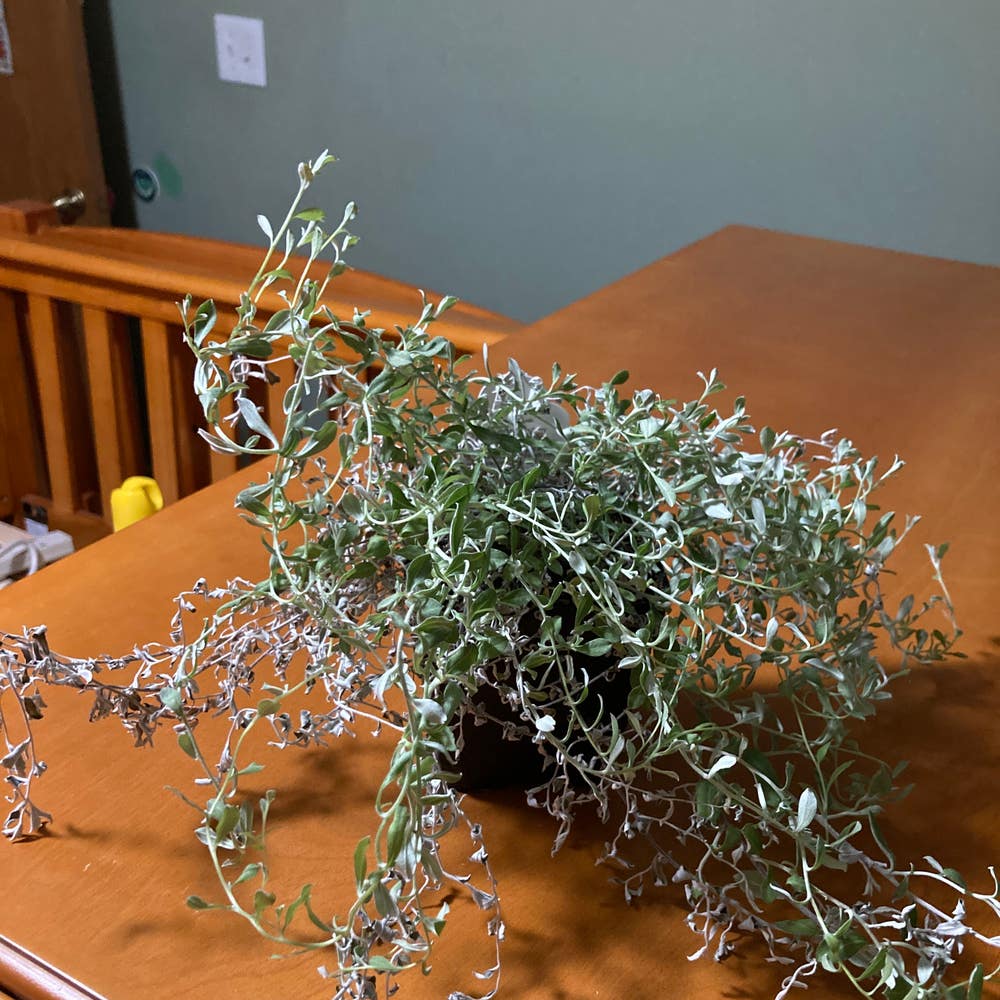
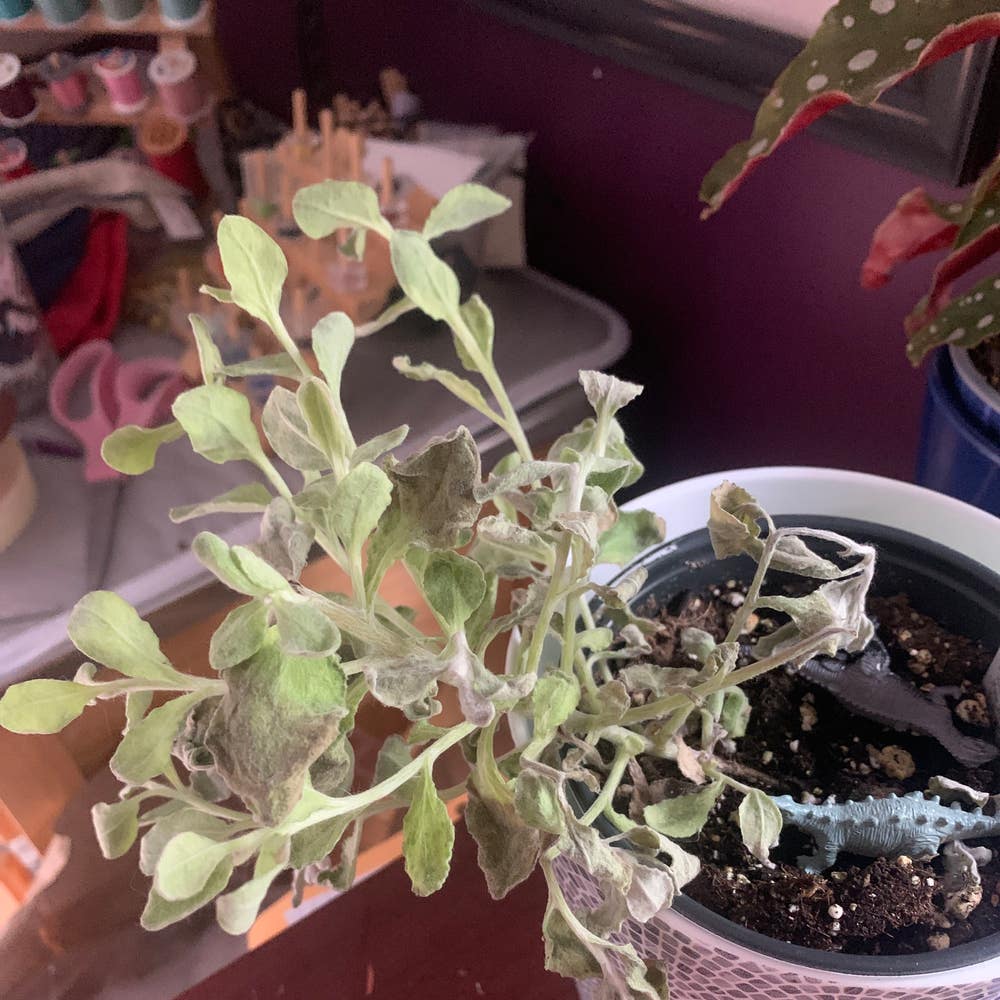
Curling leaves on your Licorice Plant are like red flags at a bullfight—impossible to ignore. Discoloration and a brittle texture accompany the curl, hinting at a deeper issue. Brown tips or edges shout for attention, often indicating too much sun or fertilizer burn.
🚨 Triggers of Trouble
Environmental stress is a major player in the leaf-curling game. Watering woes swing from too much to too little, each leaving a distinct mark on your plant. Pests and diseases sneak in silently, with symptoms ranging from yellow spots to twisted foliage. It's a real whodunit, with roots, light, and humidity as potential culprits.

The Watering Balancing Act
💧 Too Much vs. Too Little
Watering your Licorice Plant is like hitting the bullseye in darts—it requires precision. Underwatering leaves your plant gasping for moisture, evident by droopy, curled leaves. On the flip side, overwatering can suffocate roots, leading to yellowing leaves and a general look of despair.
To check if you're on point, feel the soil. If it's dry a couple of inches down, it's time for a drink. If it's damp, hold off on the watering can. Remember, the weight of the pot is a giveaway; a light pot signals thirst, a heavy one suggests excess moisture.
💦 Quality Counts
The water you use can be a silent saboteur. Tap water often contains minerals that can build up and harm your plant. If your leaves are browning and you've ruled out other causes, your water might be the culprit.
Switch to filtered or rainwater to avoid mineral buildup. If you're stuck with tap water, let it sit overnight to let some of the chemicals evaporate. Keep an eye on your plant's reaction as you tweak your watering habits—its health will guide you to the perfect hydration harmony.

The Unseen Enemies: Pests and Diseases
🦠 Common Culprits
Pests and diseases are the sneaky saboteurs of the plant world, often causing licorice plant leaves to curl in distress. Aphids are notorious for their insatiable appetite, draining the vitality of your plant. Spider mites, meanwhile, spin their fine webs and wreak havoc in secret. Fungal diseases, like powdery mildew, can also lead to leaf curling, thriving in the damp crevices of your plant's foliage.
🛡️ Fight Back Strategies
To combat these invaders, vigilance is key. Regularly inspect the undersides of leaves and tight spaces where pests love to lurk. If you spot trouble, isolate the affected plant to prevent a full-blown infestation. Insecticidal soaps and neem oil are your go-to defenders, tackling pests without harsh chemicals. For fungal foes, keep leaves dry and improve air circulation; a strategic application of fungicide can nip diseases in the bud. Remember, cleanliness is your plant's best friend—sanitize your tools and remove any plant debris promptly.

Feeding Your Licorice Plant Right
🌿 Spotting Nutrient Shortfalls
Discoloration and unusual patterns on your Licorice Plant's leaves can signal a cry for help. Nutrient deficiencies often manifest as leaf curling, a visual SOS from your green buddy.
🌱 The Fertilizer Fix
Choosing the right fertilizer is like picking the perfect outfit for your plant—it's got to fit. A balanced, water-soluble fertilizer is your best bet, but don't go overboard. Moderation is key to avoid the dreaded nutrient hangover.
🕰 When to Fertilize
Keep an eye out for new growth or an uptick in leaf size. These are your plant's way of saying, "Feed me!" It's the green light to administer a nutrient boost.
🌾 Choosing the Right Fertilizer
A slow-release fertilizer is like a well-rounded diet for your plant. But remember, more isn't always better. Overdoing it can lead to root burn, the plant equivalent of a bad hangover.
💦 Application Tips
Apply liquid fertilizer via foliar feeding for a quick fix, but always follow the label directions. Avoid fertilizing before rain or when temperatures are extreme. If you've overdone it, flush the soil with water to help your plant detox.
📈 Monitoring and Adjusting
Like any good relationship, watch for your plant's feedback and adjust your fertilizing routine accordingly. Too much love can be just as harmful as neglect. Keep it balanced, and your Licorice Plant will thank you with lush, uncurled leaves.
Turning Over a New Leaf: Prevention and Care
🌿 Creating the Ideal Environment
To avoid the drama of leaf curling, think of your Licorice Plant's environment as the VIP section of a club—it needs the right mix of light, temperature, and humidity. Bright, indirect light is your plant's best friend, mimicking a soft summer's day. Keep the temperature consistent, like your favorite cozy sweater, and maintain humidity that doesn't turn your plant's home into a rainforest or a desert.
🦸 The Proactive Approach
Regular checks are the bread and butter of plant care. Inspect your Licorice Plant often, looking for early signs of distress. Keep the area around your plant clean—debris is a no-go. It's about being a vigilant plant parent, ready to tweak living conditions at the first sign of trouble. Remember, consistency is key in preventing leaf curl, so establish a routine that includes balanced light exposure and stable environmental conditions.
⚠️ Safety First
This content is for general information and may contain errors, omissions, or outdated details. It is not medical, veterinary advice, or an endorsement of therapeutic claims.
Always consult a qualified healthcare professional before using any plant as food, medicine, or supplement.
Never eat any plant (or feed one to pets) without confirming its identity with at least two trusted sources.
If you suspect poisoning, call Poison Control (800) 222-1222, the Pet Poison Helpline (800) 213-6680, or your local emergency service immediately.
Spotted an error? Please report it here.
Combat your Licorice Plant's leaf curling by monitoring its needs 🌿 with Greg's tailored watering and care alerts, ensuring a thriving, stress-free green companion.