Understanding Why Licorice Plant May Not Flower 🍬
Helichrysum petiolare
By the Greg Editorial Team
Sep 30, 2024•5 min read
This article was created with the help of AI so we can cover more plants for you. May contain errors. See one? Report it here.
Transform your Licorice Plant into a blooming beauty 🌼 by mastering light, water, and nutrition essentials!
- 🌞 Licorice Plants need full sun to partial shade for optimal blooming.
- 💧 Overwatering and poor drainage hinder flowering; maintain consistent watering practices.
- 🌱 Nutritional imbalances and pests can affect flower development; monitor regularly.
Common Reasons for Failure to Bloom
☀️ Insufficient Light Exposure
The Licorice Plant thrives best in full sun to partial shade. When it doesn't receive enough light, you may notice stunted growth and a disappointing lack of blooms.
🌧️ Environmental Stress Factors
Overwatering can severely impact root health, leading to poor flowering. Additionally, poor drainage can create unfavorable soil conditions, further diminishing the plant's vitality.
🌱 Genetic Factors
Not all Licorice Plants are created equal; some varieties naturally bloom more than others. Age also plays a role—younger plants often take longer to flower, so patience is key.
Understanding these common reasons can help you troubleshoot and encourage your Licorice Plant to bloom beautifully. Next, we'll explore factors that can lead to premature flower drop, ensuring your plant stays vibrant throughout its growing season.
Factors Leading to Premature Flower Drop
💧 Inconsistent Watering Practices
Maintaining consistent moisture levels is crucial for the Licorice Plant. The soil should be kept moist but not soggy; too much or too little water can lead to stress.
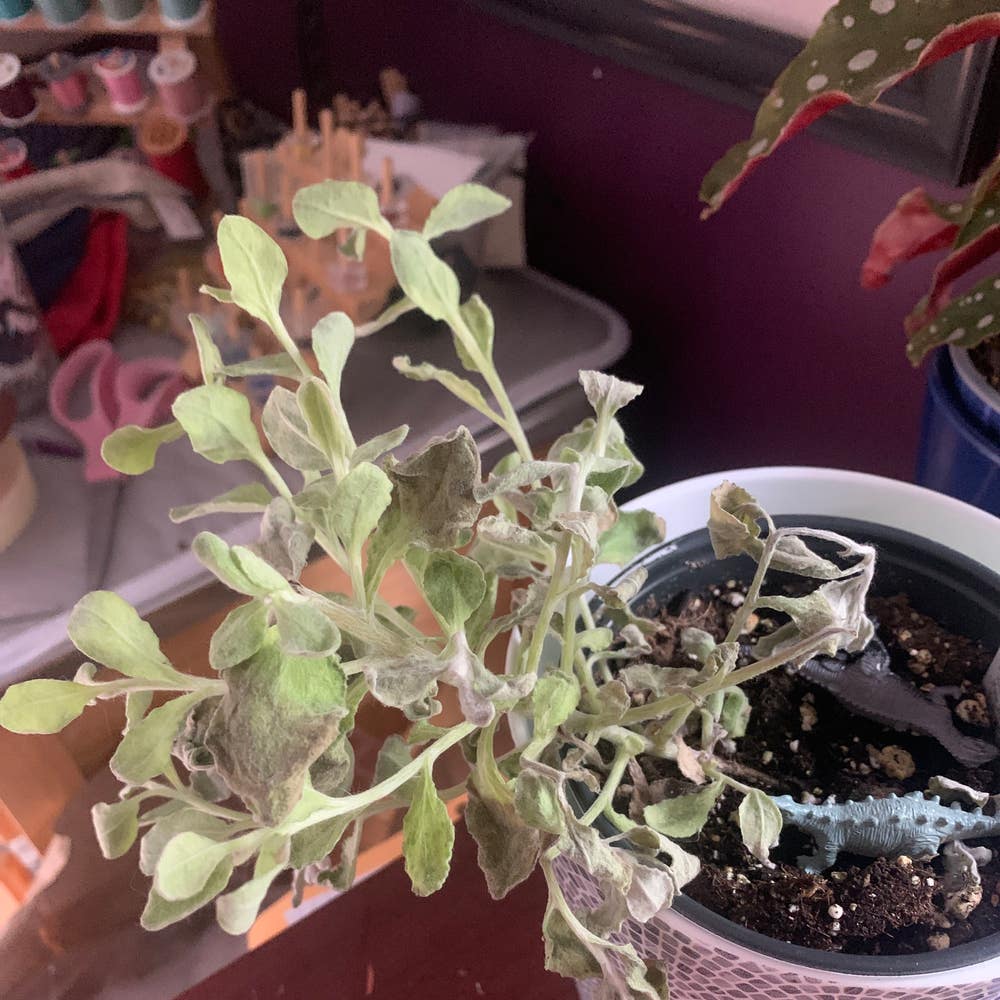
Signs of stress often manifest as dropping buds and wilting leaves. If you notice these symptoms, it’s time to reassess your watering routine.
🌡️ Temperature Fluctuations
The ideal temperature range for the Licorice Plant is between 60°F to 75°F (15°C to 24°C). Extreme temperatures, whether too hot or too cold, can stress the plant and lead to bud drop.
Monitoring temperature changes can help you maintain a stable environment for your plant. This attention to detail can make a significant difference in flower retention.
🥦 Nutritional Imbalances
Essential nutrients play a vital role in flower retention. A deficiency in key nutrients can lead to poor flower development and premature drop.
Common signs of nutritional deficiency include yellowing leaves and dropping buds. If you observe these symptoms, consider adjusting your fertilization practices to restore balance.
Understanding these factors can help you create a thriving environment for your Licorice Plant. Next, we’ll explore the nutritional needs essential for optimal flowering.
Causes of Abnormal Flower Development
🌼 Pollination Issues
Pollination is crucial for the development of flowers on the Licorice Plant. A lack of pollinators can severely impact flower set, leading to fewer blooms and diminished quality.
Self-pollination can occur, but it often results in less vigorous flowers compared to those produced through cross-pollination. Understanding these differences can help you optimize your plant's flowering potential.
🐛 Pest Infestations
Pests like aphids and spider mites can wreak havoc on your Licorice Plant's flowers. These common culprits not only affect flower quality but can also lead to stunted growth.
Symptoms of pest infestations include distorted flowers and reduced plant vigor. Regular monitoring and prompt action can help mitigate these issues.
🦠 Disease Presence
Fungal infections are another significant threat to flower health. They can compromise flower structure, leading to unsightly blooms and overall plant decline.
Bacterial diseases also pose risks, often manifesting as wilting or discoloration. Recognizing these symptoms early can make a difference in preserving your plant's flowering capabilities.
Understanding these causes of abnormal flower development can empower you to take proactive measures. With the right care, your Licorice Plant can thrive and produce beautiful blooms.
Nutritional Needs for Optimal Flowering
🌱 Essential Nutrients for Flowering
The Licorice Plant thrives on a balanced diet of key nutrients. Nitrogen, phosphorus, and potassium are essential for robust growth and vibrant blooms.
Calcium and magnesium also play crucial roles, supporting overall plant health and flower development. These micronutrients help strengthen cell walls and enhance nutrient uptake.
🚨 Signs of Nutritional Deficiencies
Identifying nutrient deficiencies is vital for maintaining a healthy Licorice Plant. Yellowing leaves and poor flower development are common indicators that something is off.
To correct these issues, adjust your fertilization practices based on what you observe. A little attention can go a long way in reviving your plant's vigor.
🌼 Recommended Fertilization Practices
Timing and frequency are key when it comes to fertilization. A consistent schedule during the growing season will ensure your Licorice Plant gets the nutrients it needs.
Consider using balanced NPK fertilizers or organic options to provide a well-rounded nutrient profile. This approach will support healthy growth and encourage those beautiful blooms.
With the right nutritional support, your Licorice Plant can flourish and produce stunning flowers. Next, let’s explore effective pruning techniques that can further enhance flowering potential.
Pruning Techniques and Their Effects
🌿 Best Practices for Pruning
When it comes to pruning your Licorice Plant, using clean, sharp pruning shears is essential. This ensures clean cuts that promote healing and reduce the risk of disease.
Timing is also crucial for optimal flowering. The best time to prune is in early spring, just before new growth begins. This allows the plant to focus its energy on producing blooms.
🌸 How Pruning Affects Flower Production
Pruning can significantly impact plant vigor. By encouraging bushier growth, you create more potential flowering sites, leading to a more vibrant display.
However, be cautious of over-pruning. Excessive cutting can reduce overall flower production, leaving you with fewer blooms than anticipated.
Understanding these techniques can help you cultivate a thriving Licorice Plant, setting the stage for a beautiful flowering season. Next, let’s explore the nutritional needs that support optimal flowering.
⚠️ Safety First
This content is for general information and may contain errors, omissions, or outdated details. It is not medical, veterinary advice, or an endorsement of therapeutic claims.
Always consult a qualified healthcare professional before using any plant as food, medicine, or supplement.
Never eat any plant (or feed one to pets) without confirming its identity with at least two trusted sources.
If you suspect poisoning, call Poison Control (800) 222-1222, the Pet Poison Helpline (800) 213-6680, or your local emergency service immediately.
Spotted an error? Please report it here.
Unlock your Licorice Plant's blooming potential 🌸 with Greg's tailored care reminders and expert tips that ensure optimal sunlight, consistent watering, and proper nutrition for vibrant flowers!