Does My Licorice Plant Need Direct Sunlight?
Helichrysum petiolare
By the Greg Editorial Team
Jun 18, 2024•4 min read
This article was created with the help of AI so we can cover more plants for you. May contain errors. See one? Report it here.
Learn the secret to protecting your Licorice Plant from harsh sun while ensuring lush growth! 🌞➡️🌿
- 🌞 Licorice Plant loves sunlight, but not during midday heat.
- East/West windows ideal; adjust with sheer curtains if needed.
- Watch for wilting or scorched leaves to gauge sun exposure.
Sunlight Preferences for a Happy Licorice Plant
🌞 What Does the Licorice Plant Say About Sunlight?
The Licorice Plant is a sun worshipper with a caveat; it loves basking but appreciates a break during the scorching midday heat. Its natural habitat offers clues: full sun to partial shade keeps it thriving. Partial shade becomes its best friend in areas where the sun's intensity could turn love into loathing.
Signs Your Licorice Plant is Sun-Kissed or Sun-Scorched
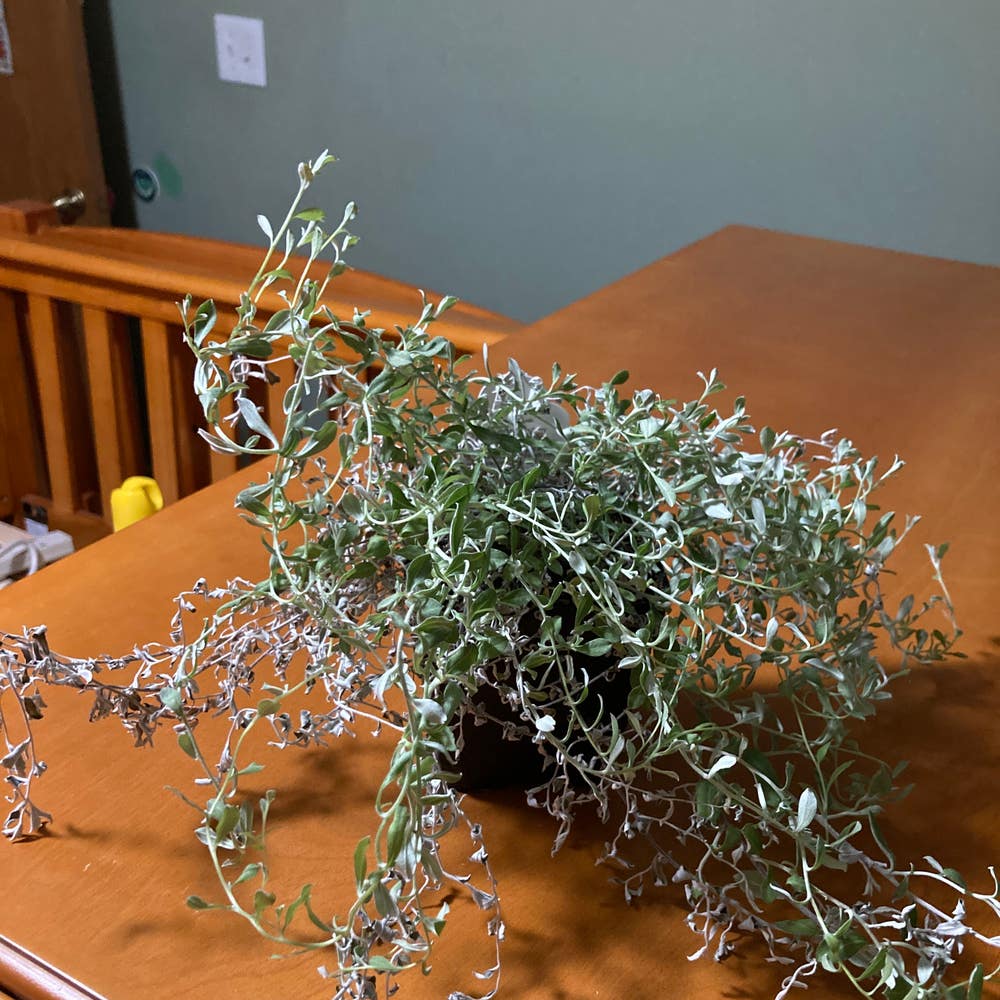
A happy Licorice Plant sports lush, vibrant leaves. If it's soaking up just the right amount of sunshine, you'll notice steady growth and a healthy complexion. On the flip side, leaves that look bleached or bear scorched spots are crying out for respite. It's a delicate dance between sun-kissed and sun-struck, and your plant's appearance is your best cue to strike the right balance.

The Window Dilemma: Where to Place Your Licorice Plant
🌞 Understanding the Sun's Path and Your Windows
Navigating the sunlight needs of your Licorice Plant is like playing real estate; location is everything.
🌅 East or West-Facing Windows
East or west-facing windows are the goldilocks zones for your Licorice Plant. They provide a balanced diet of morning or afternoon sun without the harsh midday heat.
🌞 South-Facing Windows
South-facing windows are the sun's VIP lounge. They offer intense light that can be too much for your plant. A sheer curtain can be the bouncer, letting in just the right amount of light.
🌿 North-Facing Windows
North-facing windows are the chill-out areas. They provide consistent, indirect light that won't overwhelm your Licorice Plant. It's like a steady stream of sun, minus the burn.
Hemisphere Hacks: Adjusting for Your Location
Your hemisphere plays a role in your Licorice Plant's sunbathing habits.
🌍 Northern Hemisphere
In the Northern Hemisphere, south-facing windows are the main stage for sunlight. But don't let your plant get sun-drunk; adjust its position to avoid overexposure.
🌏 Southern Hemisphere
Flip it and reverse it for the Southern Hemisphere. Here, north-facing windows are where the party's at. Keep your plant in the sweet spot, not too close, not too far, just right.
Remember, the sun's path isn't static; it's a seasonal moving target. Keep an eye on the light and move your Licorice Plant accordingly. It's not needy; it just likes a change of scenery now and then.

Protecting Your Licorice Plant from Too Much Sun
🎨 Creative Shading Techniques
Household items can be your first line of defense against sunburn for your Licorice Plant. A sheer curtain, for instance, diffuses harsh sunlight, bathing your plant in a gentle glow.
For those with a knack for DIY, crafting a shade cloth from old linens can be both a fun project and a lifesaver during peak sun hours. Just remember, airflow is crucial; don't suffocate your plant in its quest for shade.
🌅 When to Let Your Plant Soak Up the Sun
Timing is everything. The morning sun is like a soft serenade, gentle enough for your Licorice Plant to enjoy without the risk of sunburn.
As the day progresses, the sun's intensity increases. During these peak hours, usually from late morning to mid-afternoon, employ your shading techniques to protect your plant. Once the sun begins to mellow out later in the day, you can let your plant catch the last few rays. This balance ensures your Licorice Plant gets enough light without the crispy consequences.

Recognizing and Reacting to Sunlight Stress
🚨 Spotting Trouble: Early Signs of Sunlight Stress
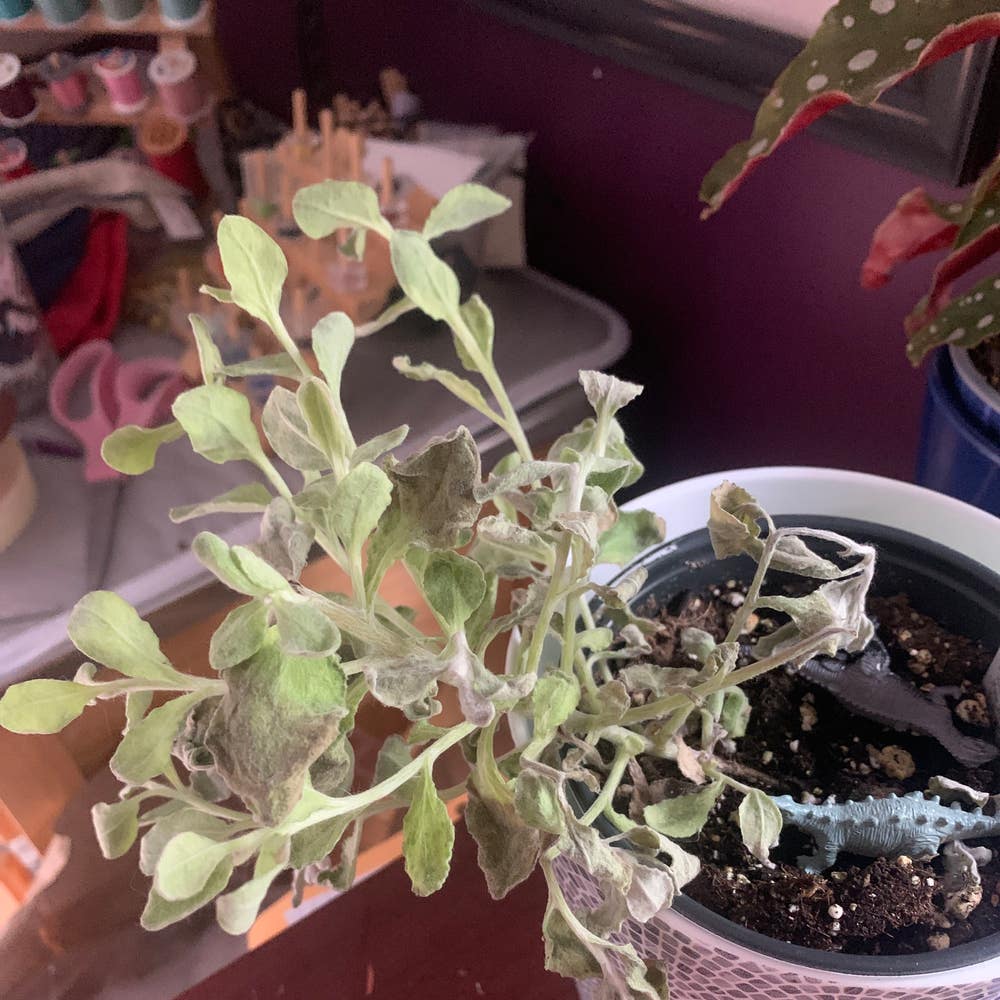
Wilting leaves or brown spots on your Licorice Plant are the equivalent of waving a red flag. They're telling you, in no uncertain terms, that your green buddy is getting too much sun. On the flip side, if your plant starts to resemble a lanky teenager during a growth spurt, it's begging for more light. Leggy stems and sparse foliage are your cues to up the sunshine ante. React swiftly—reposition your plant to a less intense spot or introduce it to more light, depending on the distress signals it's sending.
🌞 Long-Term Sun Care: Keeping Your Licorice Plant Healthy
Maintaining the perfect sun exposure for your Licorice Plant is a bit like walking a tightrope. It's all about balance. Rotate your plant regularly to ensure even sun distribution and prevent one-sided growth. As the seasons shift, so should your plant's position to accommodate the changing angle of the sun. If you're a tech enthusiast, consider using a timer to automate light exposure—think of it as a personal assistant for your plant's sunlight schedule. And don't forget, sheer curtains can be a game-changer; they diffuse harsh rays, acting like a pair of stylish sunglasses for your Licorice Plant. Keep vigilant, and your plant will thank you with robust health and vibrant foliage.
⚠️ Safety First
This content is for general information and may contain errors, omissions, or outdated details. It is not medical, veterinary advice, or an endorsement of therapeutic claims.
Always consult a qualified healthcare professional before using any plant as food, medicine, or supplement.
Never eat any plant (or feed one to pets) without confirming its identity with at least two trusted sources.
If you suspect poisoning, call Poison Control (800) 222-1222, the Pet Poison Helpline (800) 213-6680, or your local emergency service immediately.
Spotted an error? Please report it here.
Watch your Licorice Plant flourish with vibrant leaves 🌞 by letting Greg's tailored reminders help you find its ideal spot and shield it from too much sun.