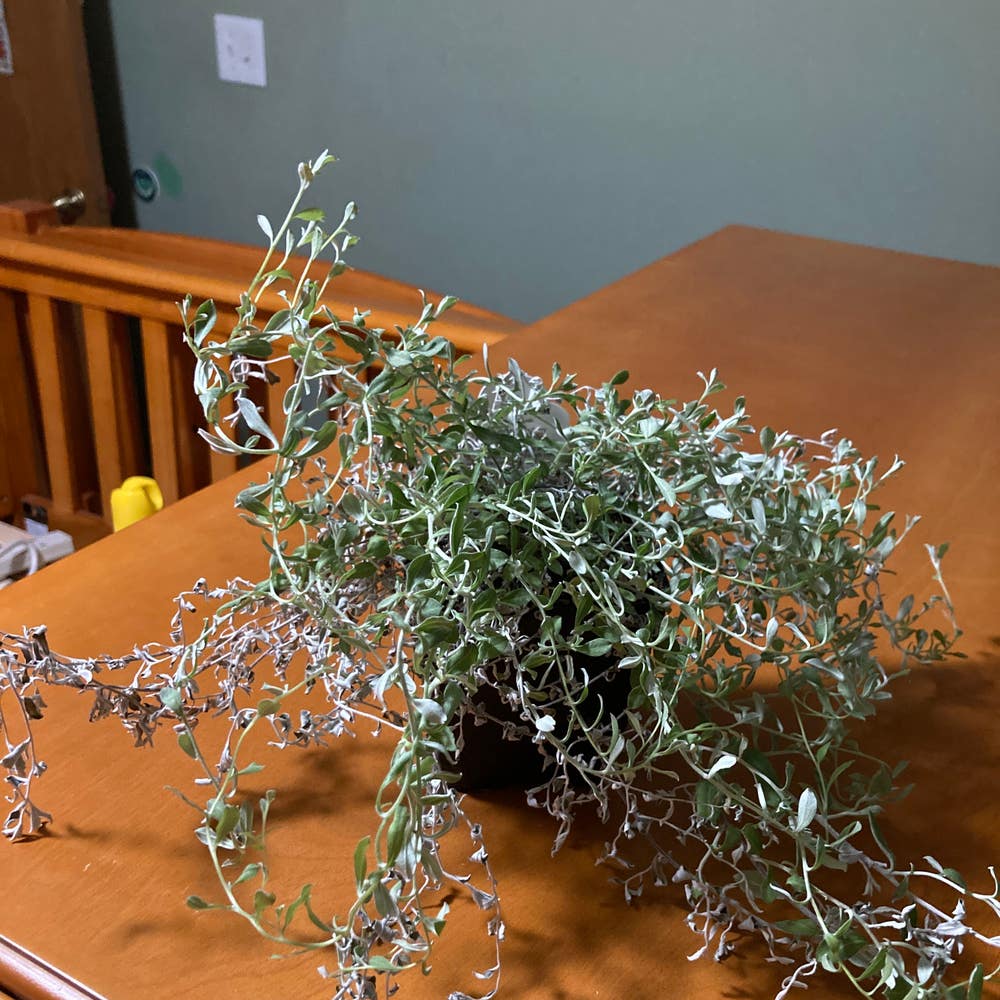
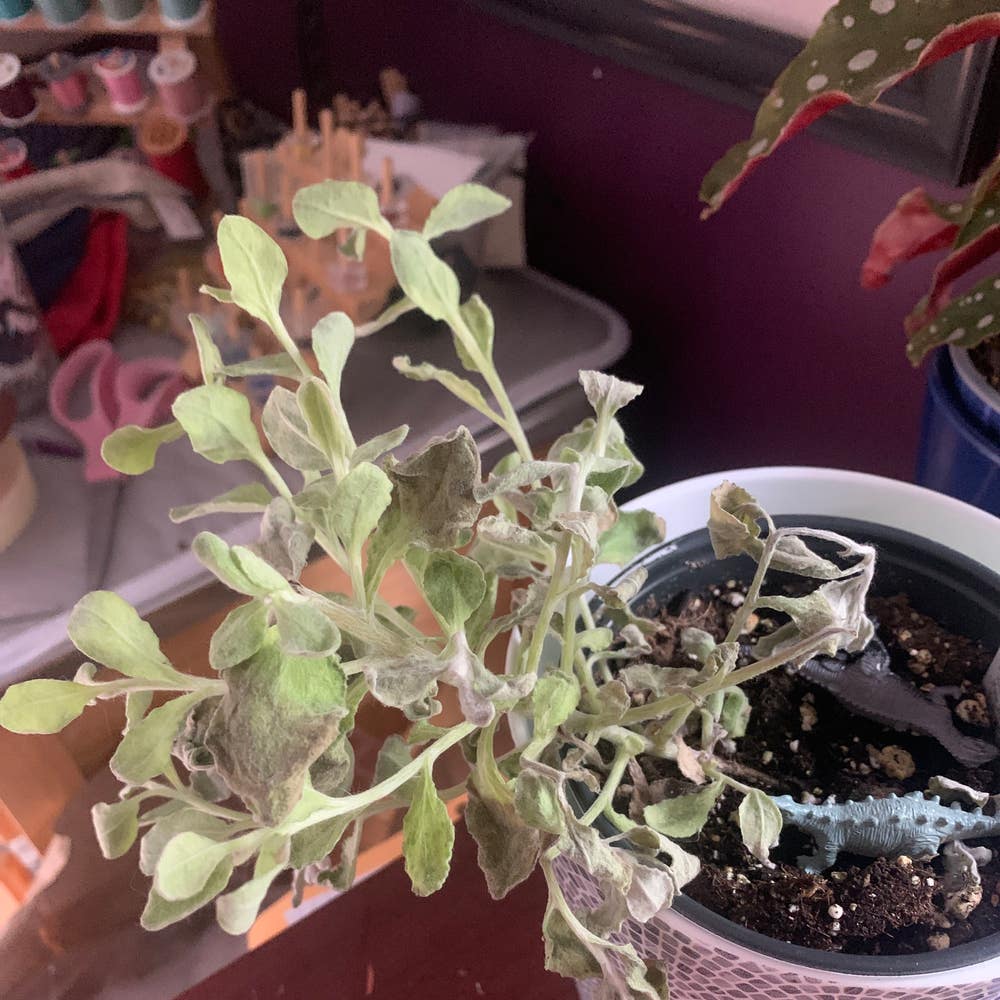
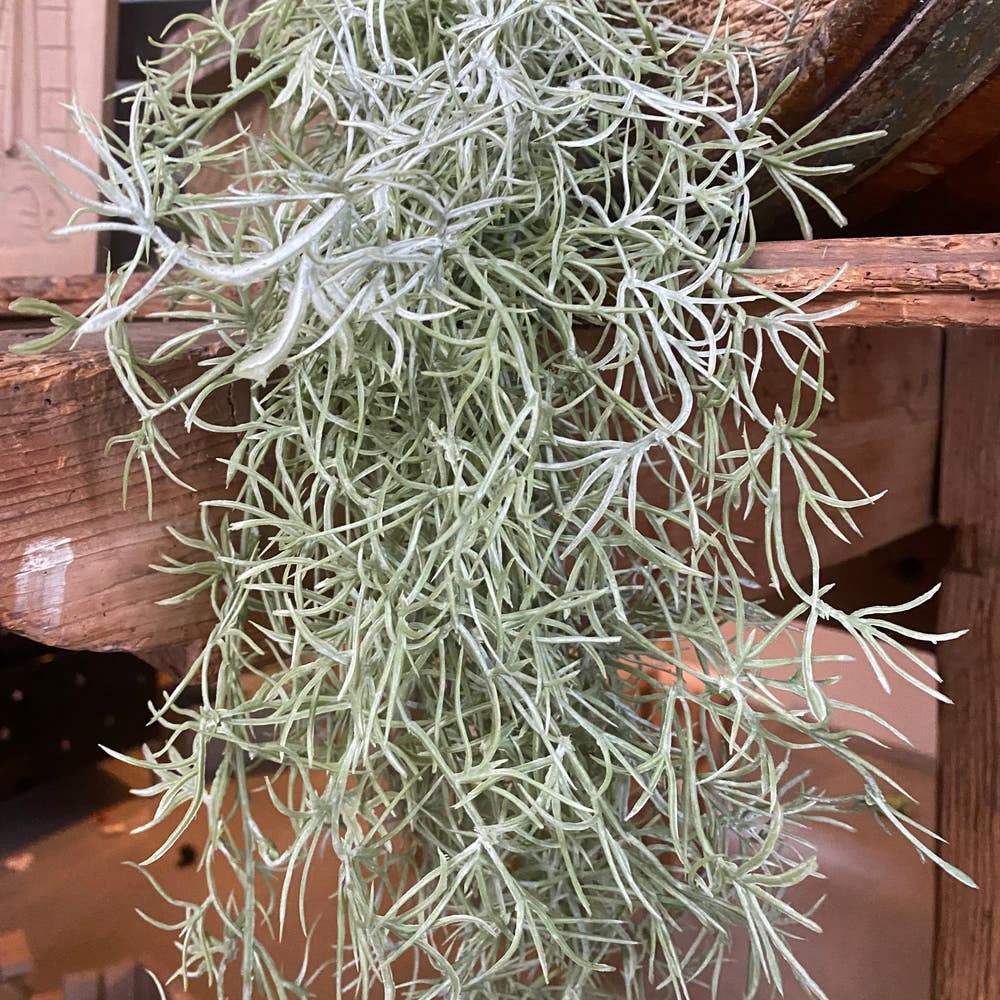
🌟 Silver Helichrysum: A Perennial Plant
Helichrysum petiolare
By the Greg Editorial Team
Oct 12, 2024•6 min read
This article was created with the help of AI so we can cover more plants for you. May contain errors. See one? Report it here.
Transform your garden with resilient Silver Helichrysum 🌱—a stunning, low-maintenance perennial that thrives year after year!
- 🌼 Silver Helichrysum thrives for years, making it a sustainable garden choice.
- 🐝 Attracts pollinators like bees and butterflies, enhancing garden biodiversity.
- 🌱 Low-maintenance and resilient, it adapts well to various climates and soil types.
Characteristics of Silver Helichrysum as a Perennial
🌱 Multi-Year Lifecycle
Silver Helichrysum is a remarkable perennial that thrives for multiple years, continuously regrowing from its established roots. This multi-year lifecycle sets it apart from annual and biennial plants, emphasizing its longevity and sustainability in any garden.
🌿 Growth Patterns and Regrowth from Roots
The robust root system of Silver Helichrysum is key to its longevity and resilience. These roots allow the plant to regrow each season, ensuring it remains a vibrant part of your garden year after year.
Expanding Growth Habits
As Silver Helichrysum matures, it expands and fills garden spaces, creating a lush, inviting atmosphere. This growth habit not only enhances aesthetics but also contributes to the overall health of the garden ecosystem.
Seasonal Growth Patterns
In spring and summer, Silver Helichrysum bursts into life, showcasing its vibrant foliage and blooms. As fall approaches, the plant conserves energy, preparing for dormancy in the colder months, which is a natural part of its lifecycle.
This unique growth cycle makes Silver Helichrysum an excellent choice for gardeners seeking a low-maintenance yet stunning perennial. With its ability to thrive through various seasons, it seamlessly transitions into the next topic: the flowering and lifespan of this resilient plant.
Flowering and Lifespan of Silver Helichrysum
🌼 Flowering Cycles
Silver Helichrysum typically bursts into bloom from late spring to summer. These long-lasting, vibrant flowers not only beautify your garden but also attract essential pollinators like bees and butterflies.
The flowering phase is crucial for the plant's lifecycle. It aids in reproduction and ensures the continuation of this resilient perennial.
⏳ Expected Lifespan and Longevity Factors
On average, Silver Helichrysum enjoys a lifespan of 3 to 5 years. Under optimal conditions, it can thrive even longer, making it a worthwhile addition to any garden.
Several factors influence its longevity. Soil quality, watering practices, and climate conditions all play significant roles in how well this plant endures through the years.
Established root systems are vital for extending the lifespan of Silver Helichrysum. A robust root network not only supports the plant but also enhances its resilience against environmental stresses.
In summary, understanding the flowering cycles and lifespan of Silver Helichrysum can help you appreciate its beauty and longevity. This knowledge sets the stage for effective care and maintenance, ensuring your garden flourishes for years to come.
Next, we’ll explore the dormancy and seasonal changes that affect Silver Helichrysum, providing insights into its lifecycle throughout the year.
Dormancy and Seasonal Changes in Silver Helichrysum
🌙 Dormancy Periods
Dormancy in Silver Helichrysum occurs during the colder months, allowing the plant to conserve energy. This natural process is essential for its survival and prepares it for the next growing season.
Signs of dormancy are easy to spot. You might notice yellowing leaves, reduced growth, and a lack of flowering during this time.
🌼 Seasonal Changes and Their Effects on Growth
As spring arrives, Silver Helichrysum emerges from dormancy, showcasing new growth and vibrant flowers. This rejuvenation is a thrilling sight, signaling the start of a new lifecycle.
Summer marks the peak growth and flowering period. During these months, the plant thrives, requiring ample sunlight and moisture to support its lush development.
As fall approaches, Silver Helichrysum begins to prepare for dormancy. This transition involves nutrient storage in the roots, ensuring the plant is ready to withstand the winter months ahead.
Understanding these seasonal changes can help you appreciate the resilience of Silver Helichrysum. By recognizing its dormancy and growth patterns, you can better care for this remarkable perennial.
Next, we’ll explore the advantages of Silver Helichrysum's perennial nature and how it can benefit your garden.
Advantages of Silver Helichrysum's Perennial Nature
🌱 Benefits for Gardeners
One of the standout benefits of Silver Helichrysum is its ability to reduce replanting efforts. Once established, this perennial thrives year after year without the need for annual replanting.
Additionally, its robust root systems play a crucial role in enhancing soil health. These roots not only stabilize the soil but also help reduce erosion, making it a fantastic choice for sustainable gardening.
🌼 Long-Term Cultivation Strategies
When planning a perennial garden, incorporating Silver Helichrysum can add year-round interest. Its vibrant blooms and unique foliage ensure that your garden remains visually appealing through various seasons.
Maintenance is a breeze once the plant is established. Focus on seasonal adjustments, such as pruning in the fall and ensuring adequate sunlight, to keep your Silver Helichrysum thriving for years to come.
By embracing these strategies, you can enjoy the long-lasting beauty and benefits of Silver Helichrysum in your garden. This plant not only enriches your landscape but also simplifies your gardening routine.
As you consider the advantages of this perennial, think about how it can fit into your overall gardening goals. Transitioning to a more sustainable approach with Silver Helichrysum can lead to a flourishing garden that requires less effort over time.
Variations Across Climate Zones
🌍 Perennial Behavior in Different Climates
Silver Helichrysum is remarkably adaptable, thriving in a variety of soil types and climates. This resilience makes it a favorite for gardeners in drought-prone regions, where its ability to withstand dry conditions shines.
In different climates, growth patterns can vary significantly. For instance, in warmer, wetter areas, Silver Helichrysum may flourish with abundant blooms, while in arid climates, it conserves energy, focusing on root development and survival.
🌱 Factors Influencing Growth in Varying Conditions
Soil quality and drainage are crucial for the health of Silver Helichrysum. Well-draining soil prevents root rot and promotes robust growth, ensuring the plant can thrive season after season.
Climate considerations also play a vital role. Extreme temperatures and unpredictable weather patterns can impact the plant's lifecycle and dormancy. Understanding these factors helps gardeners create optimal conditions for their Silver Helichrysum, ensuring it remains a vibrant part of their landscape.
As we explore the advantages of Silver Helichrysum's perennial nature, consider how these variations can enhance your gardening experience.
Tips for Maximizing the Benefits of Silver Helichrysum's Perennial Nature
🌱 Garden Planning
Integrating Silver Helichrysum into your landscape can transform your garden into a vibrant, low-maintenance haven. Consider planting it in clusters for a striking visual impact, or mix it with other perennials to create a diverse ecosystem.
🛠️ Long-Term Care Practices
Once established, Silver Helichrysum requires minimal care, but a few practices can enhance its health. Regularly check for pests and diseases, and ensure it receives adequate sunlight and moisture to thrive.
🍂 Seasonal Adjustments
Preparing for dormancy is crucial for the longevity of Silver Helichrysum. As fall approaches, reduce watering and allow the plant to store nutrients in its roots, setting the stage for robust regrowth in spring.
By following these tips, you can maximize the benefits of Silver Helichrysum, ensuring it remains a stunning and resilient part of your garden for years to come. Next, let's explore how variations across climate zones affect the growth and behavior of this remarkable perennial.
⚠️ Safety First
This content is for general information and may contain errors, omissions, or outdated details. It is not medical, veterinary advice, or an endorsement of therapeutic claims.
Always consult a qualified healthcare professional before using any plant as food, medicine, or supplement.
Never eat any plant (or feed one to pets) without confirming its identity with at least two trusted sources.
If you suspect poisoning, call Poison Control (800) 222-1222, the Pet Poison Helpline (800) 213-6680, or your local emergency service immediately.
Spotted an error? Please report it here.
Cultivate the stunning resilience of Silver Helichrysum in your garden, and let Greg's custom care tips 🌱 guide you to thriving blooms year after year!