🌼 Top 5 Signs Your Silver Helichrysum Has Flower Problems
Helichrysum petiolare
By the Greg Editorial Team
Oct 12, 2024•6 min read
This article was created with the help of AI so we can cover more plants for you. May contain errors. See one? Report it here.
Unlock vibrant blooms 🌼 by learning to identify and solve common silver helichrysum flower problems today!
- 🌼 Lack of blooms signals flower problems; monitor during the flowering season.
- 🌱 Premature flower drop indicates stress; check for pests and environmental issues.
- 💡 Insufficient or excessive light affects blooming; aim for 6 hours of direct sunlight.
Signs of Flower Problems
🕵️ Identifying Issues
If your silver helichrysum isn’t blooming as expected, it’s time to investigate. Here are the key signs to look for:
🌼 Lack of Blooms
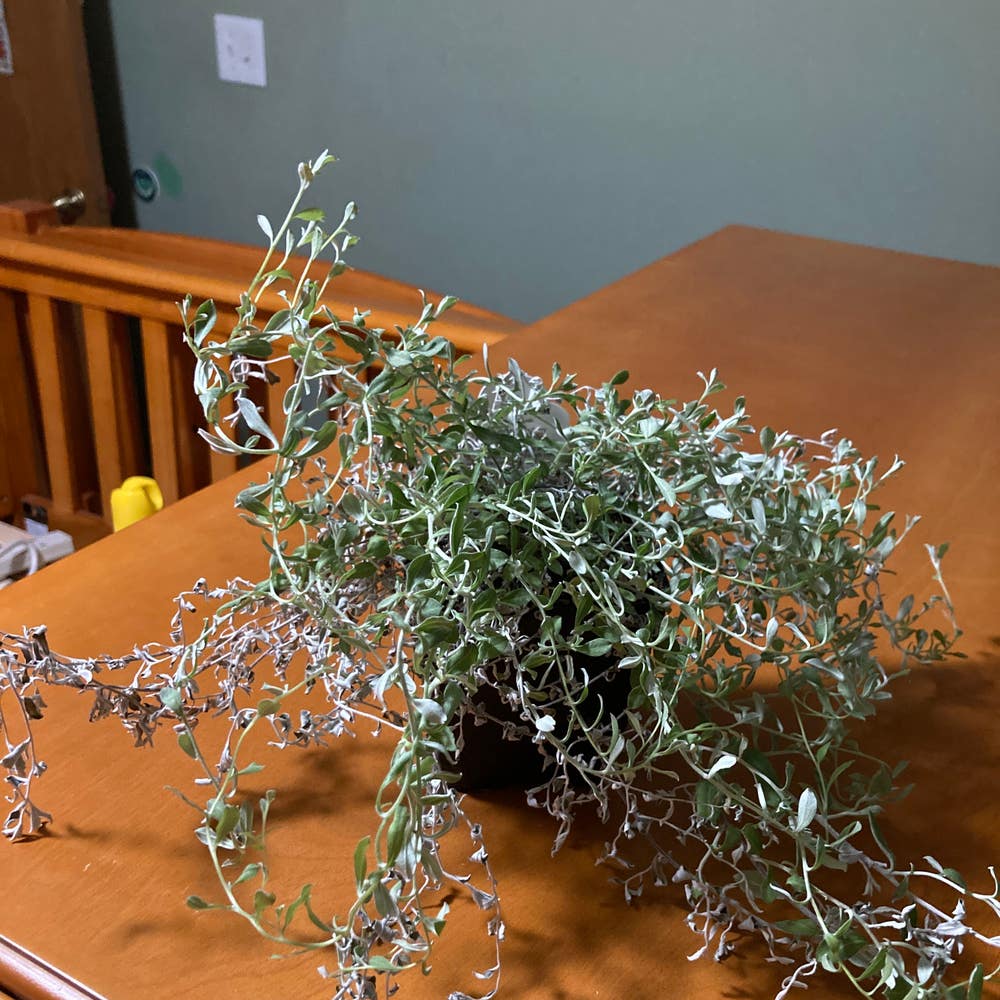
One of the most obvious indicators of flower problems is the absence of blooms during the expected flowering season. If your plant is green but barren, it’s a clear signal that something is off.
🌧️ Premature Flower Drop
Another concerning sign is when flowers drop before reaching full maturity. This not only affects the aesthetic appeal but also indicates underlying stress in the plant.
🌈 Abnormal Flower Development
Keep an eye out for any changes in the flowers themselves. Unusual colors, sizes, or shapes can suggest that your plant is struggling with health issues.
🚫 Stunted Growth
Lastly, reduced overall plant vigor can severely impact flowering potential. If your silver helichrysum appears weak or lacks growth, it’s a red flag that should not be ignored.
Recognizing these signs early can help you take action before the problems escalate. Next, let’s explore the potential causes behind these flower issues.
Failure to Bloom
🌞 Potential Causes
Light Requirements
One of the primary reasons your silver helichrysum might not be blooming is inadequate light. If your plant receives less than 6 hours of direct sunlight daily, it can struggle to produce flowers.
On the flip side, too much light can also be detrimental. Intense afternoon sun can stress the plant, leading to poor flowering.
Nutritional Deficiencies
Nutritional imbalances can hinder blooming as well. A lack of essential nutrients like nitrogen, phosphorus, and potassium can significantly affect flower production.
Soil Conditions
Soil conditions play a crucial role in your plant's health. Poor drainage, whether from overly compacted soil or waterlogged conditions, can damage roots and stifle growth.
🛠️ Solutions and Remedies
Adjust light exposure: Ensure your silver helichrysum gets 6-8 hours of direct sunlight each day.
Fertilize appropriately: Use a balanced fertilizer during the growing season to provide the necessary nutrients.
Improve soil drainage: Amend your soil with organic matter and ensure proper potting techniques to enhance drainage.
By addressing these factors, you can help your silver helichrysum thrive and encourage those beautiful blooms to emerge. Next, let’s explore the issue of premature flower drop and how to tackle it effectively.
Premature Flower Drop
🌼 Identifying Symptoms
Premature flower drop is a frustrating issue for any gardener. You may notice flowers falling off before they reach full bloom, leaving you with bare stems.
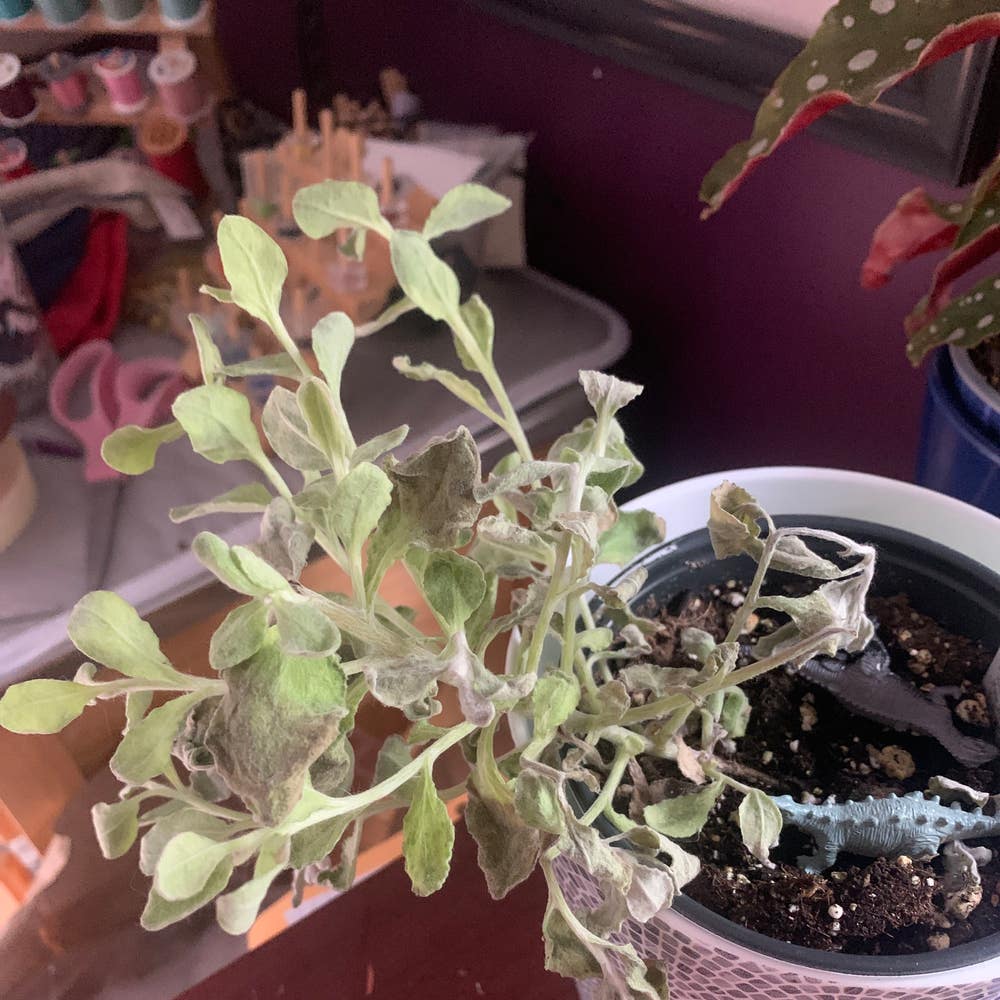
Additionally, keep an eye on the leaves. Signs of stress, such as yellowing or wilting, can indicate that your plant is struggling.
🌪️ Causes
Environmental Stress
Temperature fluctuations can wreak havoc on your silver helichrysum. Sudden changes in temperature may destabilize the plant, leading to premature flower drop.
Low humidity levels can also contribute to stress. When the air is too dry, your plant may not thrive, resulting in flowers dropping before they bloom.
Pest Issues
Pests can be another culprit. Infestations from aphids or spider mites can damage flowers, causing them to fall off prematurely.
🛠️ Solutions and Preventative Measures
Monitor environmental conditions: Keep temperatures stable and maintain adequate humidity levels to support your plant's health.
Implement pest control: If you spot pests, use insecticidal soap or neem oil to manage infestations effectively.
Regularly inspect plants: Early detection of stress signs can help you address issues before they escalate.
By staying vigilant and proactive, you can help your silver helichrysum flourish and enjoy its beautiful blooms. Next, let’s explore the impact of light on flowering.
Abnormal Flower Development
🌈 Types of Abnormalities
Color Changes
Fading or unusual colors in your silver helichrysum can signal stress or nutrient deficiencies. Keep an eye out for these changes, as they often indicate that your plant needs immediate attention.
Size Variations
If you notice smaller-than-normal flowers, it’s a sign of poor health. This can stem from various issues, including nutritional imbalances or environmental stressors.
🔍 Causes
Nutritional Imbalance
Over-fertilization or under-fertilization can lead to poor flower quality. Striking the right balance is crucial for vibrant blooms.
Pruning Errors
Incorrect pruning techniques can disrupt flower formation. Timing and method matter significantly in ensuring your plant thrives.
🛠️ Solutions and Adjustments
- Adjust Fertilization Practices: Follow recommended guidelines for nutrient application to avoid imbalances.
- Review Pruning Techniques: Prune at the right time to encourage healthy growth and flowering.
By addressing these factors, you can help your silver helichrysum flourish. Understanding the nuances of flower development will set you on the path to a thriving garden.
Next, let’s explore how light conditions impact flowering.
Impact of Light on Flowering
🌞 Optimal Light Conditions
For your silver helichrysum to thrive, it needs full sun exposure. Aim for 6-8 hours of direct sunlight each day to ensure those vibrant blooms flourish.
Morning sun is particularly beneficial. It helps prevent heat stress, allowing your plant to soak up the rays without the harsh afternoon glare.
💡 Effects of Insufficient or Excessive Light
When your plant doesn’t get enough light, it struggles. This can lead to weak growth and ultimately, a failure to bloom.
On the flip side, too much light can be just as damaging. Excessive sunlight can cause leaf scorch and lead to premature flower drop, leaving your plant looking less than its best.
Understanding the balance of light is crucial for healthy flowering. By optimizing light conditions, you set the stage for a thriving silver helichrysum.
Next, let’s explore how nutritional needs play a vital role in your plant's blooming success.
Nutritional Needs for Flowering
🌼 Essential Nutrients for Blooming
To achieve vibrant blooms, your Silver Helichrysum requires three key nutrients.
- Nitrogen is vital for promoting lush foliage growth, ensuring your plant looks healthy and robust.
- Phosphorus plays a critical role in flower development, directly influencing the quality and quantity of blooms.
- Potassium enhances overall plant health and resilience, helping your Helichrysum withstand environmental stressors.
🚨 Signs of Nutritional Deficiencies
Recognizing nutritional deficiencies early can save your plant from further decline.
- Yellowing leaves often indicate a nitrogen deficiency, signaling that your plant isn't getting enough of this essential nutrient.
- Poor flower formation can suggest issues with phosphorus or potassium, leading to disappointing blooms.
🌱 Recommended Fertilization Practices
To keep your Silver Helichrysum thriving, follow these fertilization practices:
- Use a balanced fertilizer: Apply it every 4-6 weeks during the growing season to ensure consistent nutrient availability.
- Conduct soil tests: Regularly check nutrient levels to tailor your fertilization approach, ensuring your plant gets exactly what it needs.
By paying attention to these nutritional needs, you can foster a flourishing Silver Helichrysum that dazzles with its blooms.
As we move forward, let’s explore how light conditions can further impact flowering success.
⚠️ Safety First
This content is for general information and may contain errors, omissions, or outdated details. It is not medical, veterinary advice, or an endorsement of therapeutic claims.
Always consult a qualified healthcare professional before using any plant as food, medicine, or supplement.
Never eat any plant (or feed one to pets) without confirming its identity with at least two trusted sources.
If you suspect poisoning, call Poison Control (800) 222-1222, the Pet Poison Helpline (800) 213-6680, or your local emergency service immediately.
Spotted an error? Please report it here.
Spotting stress signs early is key to a thriving silver helichrysum 🌱, and with Greg's tailored care reminders, you can ensure your plant gets the love it needs to bloom beautifully!