Why Are My Licorice Plant Leaves Mushy?
Helichrysum petiolare
By the Greg Editorial Team
Jun 18, 2024•3 min read
This article was created with the help of AI so we can cover more plants for you. May contain errors. See one? Report it here.
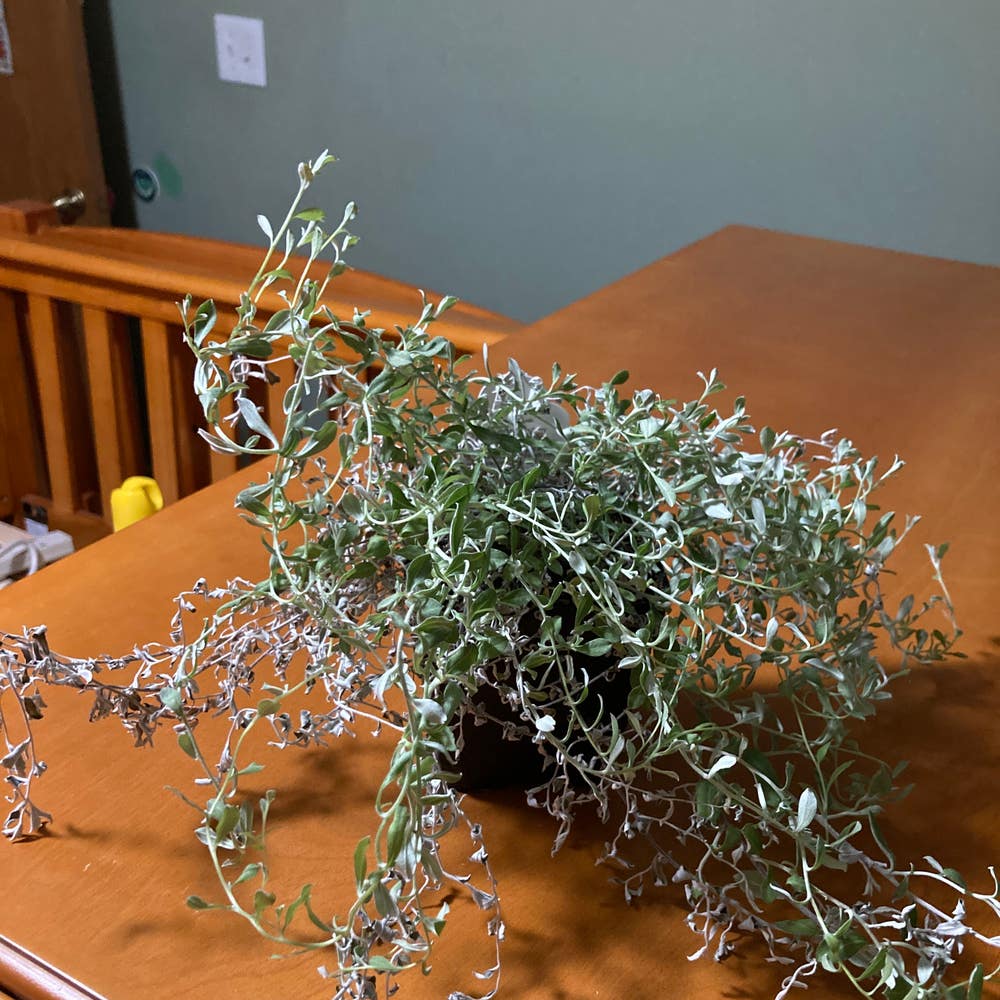
Prevent mushy leaves and save your Licorice Plant with these crucial care tips 🌿💦!
- 🚿 Overwatering leads to mushy leaves, indicating root rot.
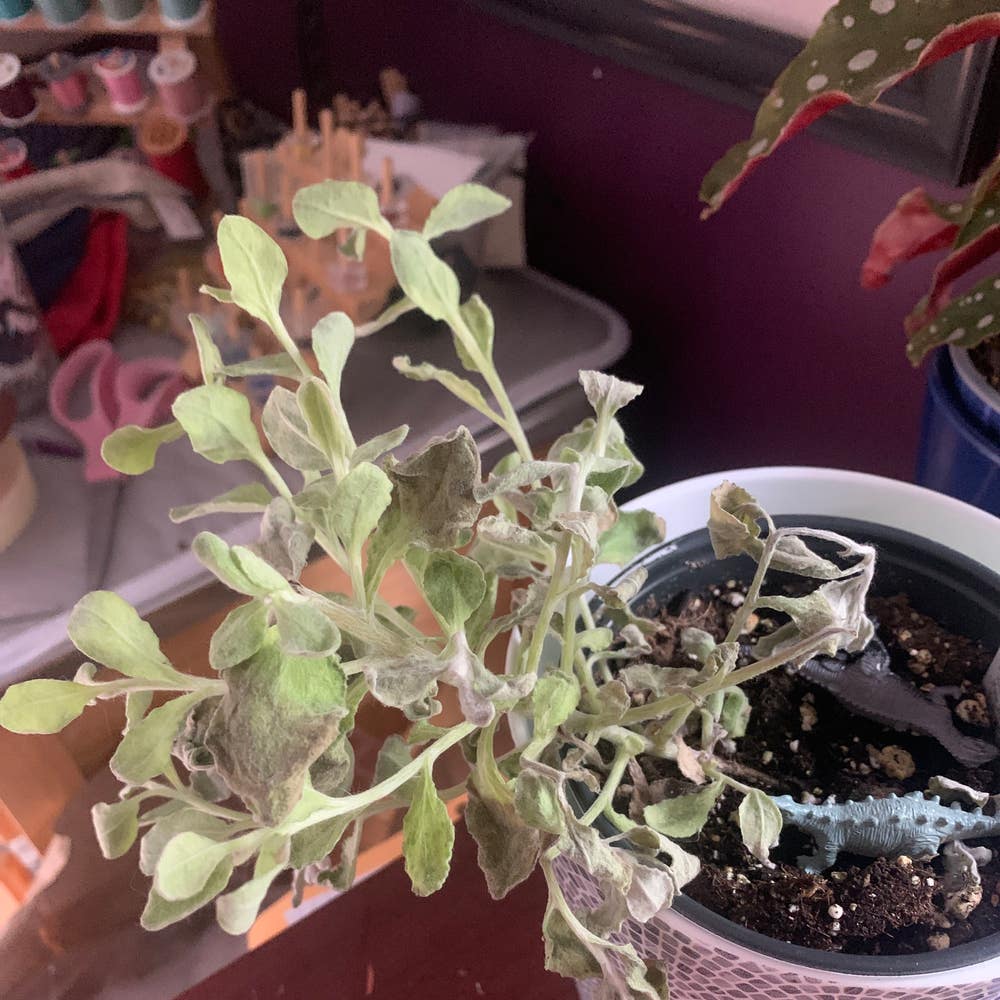
- 🍄 Fungal diseases cause white coatings; prune affected leaves promptly.
- 💧🌱 Proper watering and drainage are key to Licorice Plant health.
Spotting the Trouble: Signs Your Licorice Plant is Too Wet
💦 Overwatering Symptoms
Waterlogged soil is the archenemy of Licorice Plants. If the soil clings to your fingers with a desperation reminiscent of wet clay, it's a sign you've been overzealous with the watering can. Yellowing leaves are not just a fashion statement; they're a distress signal indicating that your plant is drowning in excess moisture.
🚱 Root Rot Red Flags
Beneath the surface, root rot waits like an unwelcome guest. If the roots of your Licorice Plant have the texture of overcooked pasta, it's time for an intervention. The connection between mushy leaves and compromised roots is undeniable—think of it as the plant's cry for help.

Fungal Foes: Recognizing Diseases in Your Licorice Plant
🍄 Telltale Signs of Fungal Invasions
Licorice plants are tough, but fungal diseases can still sneak up on them. Powdery mildew is the usual suspect, showing up as a white, dusty coating on leaves. It's like the plant's own personal snowfall in the worst possible way. This fungal party crasher loves humidity and can turn your plant's leaves into a mushy mess.
🍃 Understanding the Impact of Fungal Diseases on Leaf Texture
When your licorice plant's leaves feel like they've been through a paper shredder, it's time to suspect a fungal invasion. Rust and leaf spot diseases can also join the fray, causing leaves to spot, yellow, and curl. They're not just cosmetic issues; they can weaken your plant, making it look like it's waving a white flag of surrender. Keep an eye out for these unwelcome guests—your plant's health depends on it.

First Aid for Mushy Leaves
✂️ Cutting Back: Pruning and Plant Care
Pruning is not just about aesthetics; it's a crucial intervention for your Licorice Plant's survival. Begin by removing mushy leaves with shears that have been sterilized to surgical standards. This isn't just a trim; it's an amputation of the infected to save the healthy. After each snip, clean your tools with alcohol or bleach—think of it as a reset button to prevent disease spread.
🌱 Root Rescue: Tackling Root Rot
When root rot is the culprit behind your plant's mushy leaves, it's time for some serious root rehabilitation. Carefully remove the plant from its pot and inspect the roots like a detective examining clues. Trim away any roots that resemble overcooked noodles, ensuring your scissors are as clean as a whistle. After the excision, give your plant a fresh start in a new pot with well-draining soil, akin to a patient recovering in a room with fresh air. Remember, repotting is not just a change of scenery; it's a lifeline.

Keeping Your Licorice Plant Happy and Healthy
💧 Water Wisdom: Balancing Moisture
Establishing a watering schedule for your Licorice Plant is less about strict adherence to a calendar and more about tuning in to the plant's needs. Let the soil dry out between waterings to prevent root rot. Stick your finger into the soil; if it's dry an inch down, it's time for a drink.
🌱 Potting Perfection: Soil and Container Choices
Selecting the right potting mix is crucial; aim for one that offers excellent drainage yet retains enough moisture to keep the roots from drying out. When it comes to containers, optimal drainage is non-negotiable. Ensure your pot has adequate drainage holes to avoid waterlogging. Pot size also matters; too large, and you risk moisture-related issues, too small, and you'll be watering more than you'd like.
⚠️ Safety First
This content is for general information and may contain errors, omissions, or outdated details. It is not medical, veterinary advice, or an endorsement of therapeutic claims.
Always consult a qualified healthcare professional before using any plant as food, medicine, or supplement.
Never eat any plant (or feed one to pets) without confirming its identity with at least two trusted sources.
If you suspect poisoning, call Poison Control (800) 222-1222, the Pet Poison Helpline (800) 213-6680, or your local emergency service immediately.
Spotted an error? Please report it here.
Revive your Licorice Plant from mushy despair by letting Greg schedule 📅 your waterings for optimal plant health and recovery!