How to Cure Root Rot in Your Silver Helichrysum 🩹
Helichrysum petiolare
By the Greg Editorial Team
Oct 12, 2024•4 min read
This article was created with the help of AI so we can cover more plants for you. May contain errors. See one? Report it here.
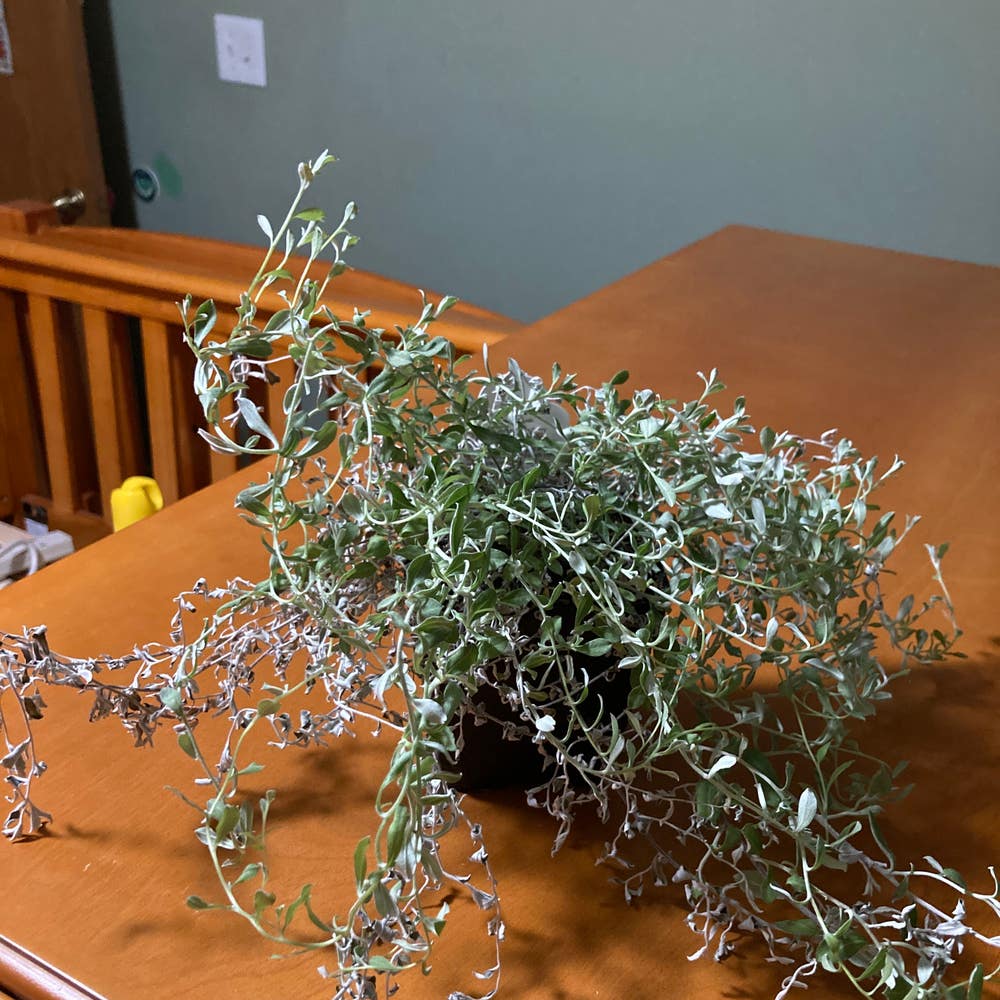
Rescue your Silver Helichrysum from root rot 🌱 and ensure it thrives with these essential care tips!
- 🌱 Inspect roots regularly to differentiate between healthy and rotting roots.
- ✂️ Trim dark, mushy roots with sterilized scissors to stop root rot spread.
- 💧 Use well-draining soil and pots with drainage holes to prevent root rot.
Curing Root Rot
Step-by-Step Treatment Process
Remove the plant from its pot: Start by gently taking your Silver Helichrysum out of its pot. Be cautious to avoid damaging the roots during this process.
Inspect the roots: Examine the roots closely to differentiate between healthy and rotting ones. Healthy roots will be firm and white, while rotting roots appear dark and mushy.
Trim affected roots: Using sterilized scissors, carefully cut away any dark, mushy roots. This step is crucial to prevent the spread of rot.
Clean the pot: Disinfect the pot with a bleach solution, mixing one part bleach with nine parts water. This will eliminate any lingering pathogens.
Prepare fresh potting mix: Opt for a well-draining mix suitable for Helichrysum. A blend of potting soil, perlite, and sand works wonders.
Repot the plant: Place your Silver Helichrysum in the new mix, ensuring it sits at the correct depth. This helps the plant establish itself in its new environment.
🛠️ Recommended Products for Treatment
Fungicides: Look for products specifically targeting root rot pathogens, such as Trichoderma-based solutions. These can help combat the issue effectively.
Rooting hormone: Applying rooting hormone encourages healthy root growth after treatment. It’s a simple yet effective way to boost recovery.
Soil amendments: Incorporate perlite or sand into your potting mix to enhance drainage. This will help prevent future occurrences of root rot.
🌱 How to Repot a Silver Helichrysum with Root Rot
Gather materials: Collect a new pot, fresh potting mix, and your tools. Having everything ready makes the process smoother.
Remove old soil: Gently shake off the old soil from the roots. This helps you assess the root health better.
Place in new pot: Position the plant in the center of the new pot. This ensures even growth and stability.
Fill with potting mix: Cover the roots with potting mix, but avoid burying them too deep. Proper coverage is key to healthy growth.
Water lightly: Moisten the soil without saturating it. This helps the plant adjust without overwhelming it.
By following these steps, you can effectively cure root rot in your Silver Helichrysum. With the right care, your plant will bounce back and thrive. Next, let’s explore how to prevent root rot from occurring in the first place.
Preventing Root Rot
💧 Best Practices for Watering Silver Helichrysum
To keep your Silver Helichrysum thriving, focus on your watering routine. Allow the top inch of soil to dry out before watering again to prevent soggy roots.
Watering at the base is crucial. This method avoids wetting the leaves, which can lead to fungal issues. Adjust your watering frequency seasonally; during dormant periods, reduce watering to keep your plant healthy.
🕳️ Importance of Soil Drainage
Soil drainage is a game-changer in preventing root rot. Always choose pots with drainage holes to prevent water accumulation, which can suffocate roots.
Consider using raised beds or containers. These options enhance drainage capabilities, allowing excess water to escape easily. Regularly monitor your soil texture to ensure it allows for proper drainage.
🌱 Choosing the Right Potting Mix
Selecting the right potting mix is essential for your Silver Helichrysum's health. A recommended blend includes potting soil, perlite, and sand for optimal drainage.
Aim for a slightly acidic to neutral pH, ideally between 6.0 and 7.0. Avoid heavy soils that retain too much moisture, as they can lead to root rot.
By following these best practices, you can significantly reduce the risk of root rot and keep your Silver Helichrysum flourishing. Next, let’s explore how to monitor your plant’s health effectively.
Monitoring Plant Health
🌱 Regular Checks for Root Health
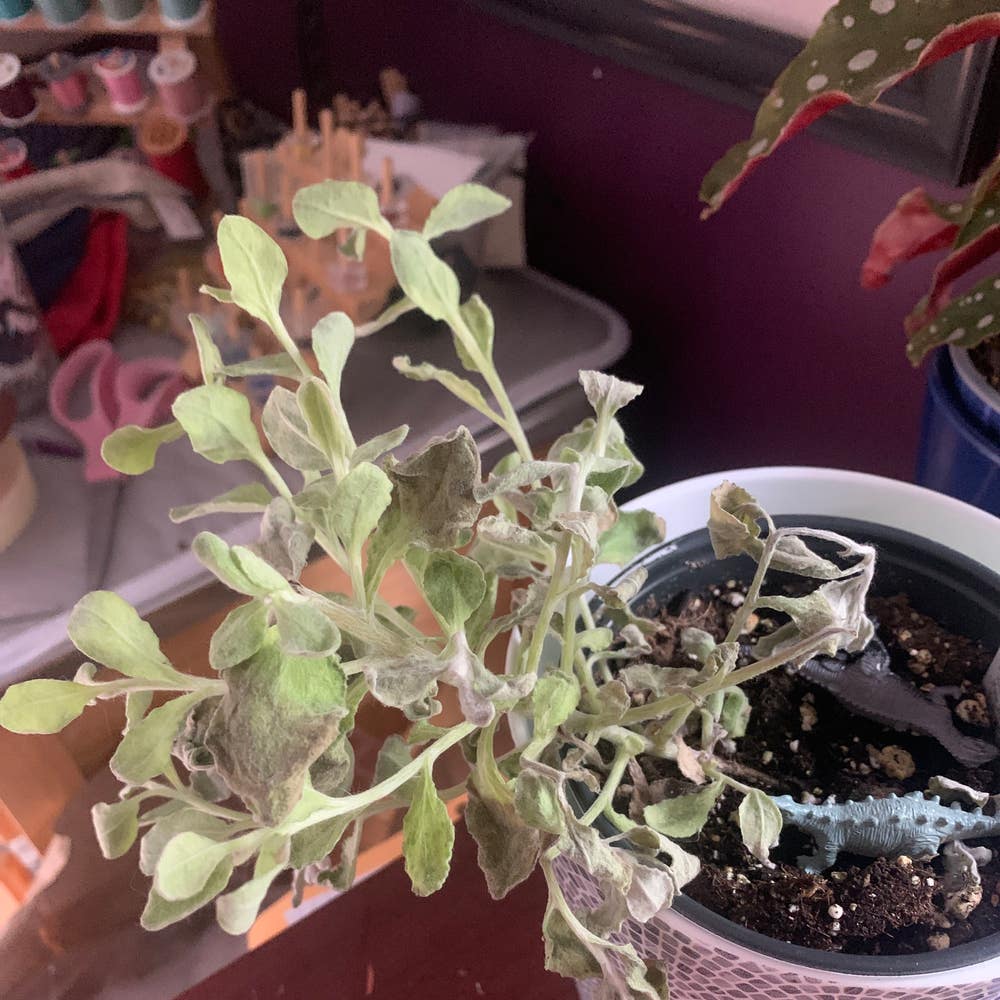
To keep your Silver Helichrysum thriving, inspect the roots every 4-6 weeks during the growing season. Early signs of distress include yellowing leaves or wilting, which can indicate underlying issues.
🌿 Signs of Recovery from Root Rot
After treatment, look for signs that your plant is bouncing back. New growth, such as fresh leaves or stems, is a positive indicator, along with improved leaf color transitioning from yellow to vibrant green.
🧪 Root Health Indicators
Healthy roots should be firm and white, signaling recovery. Monitoring these changes will help you gauge the effectiveness of your treatment.
🆘 When to Seek Professional Help
If symptoms persist despite your best efforts, it may be time to consult a professional. Extensive root damage, where a significant portion of the root system is affected, can require expert intervention.
❓ Uncertainty in Diagnosis
If you're unsure about the diagnosis, don't hesitate to reach out to a plant specialist. Getting an accurate assessment can save your plant and provide peace of mind.
By staying vigilant and proactive, you can ensure your Silver Helichrysum remains healthy and vibrant. Next, let’s explore best practices for preventing root rot in the first place.
⚠️ Safety First
This content is for general information and may contain errors, omissions, or outdated details. It is not medical, veterinary advice, or an endorsement of therapeutic claims.
Always consult a qualified healthcare professional before using any plant as food, medicine, or supplement.
Never eat any plant (or feed one to pets) without confirming its identity with at least two trusted sources.
If you suspect poisoning, call Poison Control (800) 222-1222, the Pet Poison Helpline (800) 213-6680, or your local emergency service immediately.
Spotted an error? Please report it here.
Revive your Silver Helichrysum from root rot with Greg's tailored care tips and watering reminders, ensuring your plant bounces back to life! 🌿