🍂 Managing Leaf Drop on Your Silver Helichrysum
Helichrysum petiolare
By the Greg Editorial Team
Oct 12, 2024•5 min read
This article was created with the help of AI so we can cover more plants for you. May contain errors. See one? Report it here.
Master essential care tips to keep your Silver Helichrysum thriving 🌱 and prevent frustrating leaf drop!
- 💧 Overwatering and underwatering both cause leaf drop; maintain a consistent watering schedule.
- 🌞 Silver Helichrysum needs 6-8 hours of sunlight daily for optimal growth and health.
- 🐛 Regular pest inspections can prevent leaf drop; treat infestations promptly for recovery.
Common Causes of Leaf Drop
💧 Overwatering: Signs and Solutions
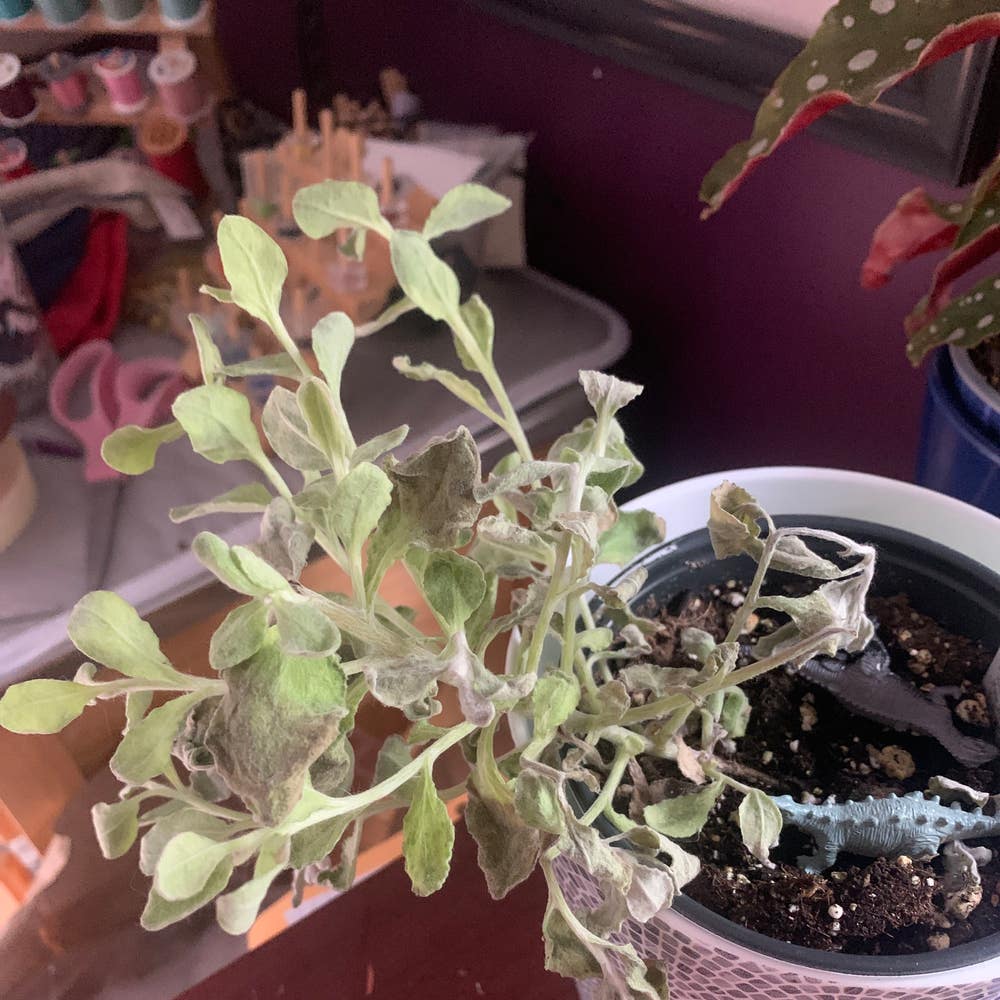
Overwatering is a common issue for Silver Helichrysum, and it can lead to significant leaf drop. Look for signs like yellowing leaves, wilting despite wet soil, and dark, mushy roots indicating root rot.
To remedy overwatering, allow the soil to dry out between waterings. Repotting in well-draining soil can also improve drainage and help your plant recover.
🌵 Underwatering: Signs and Solutions
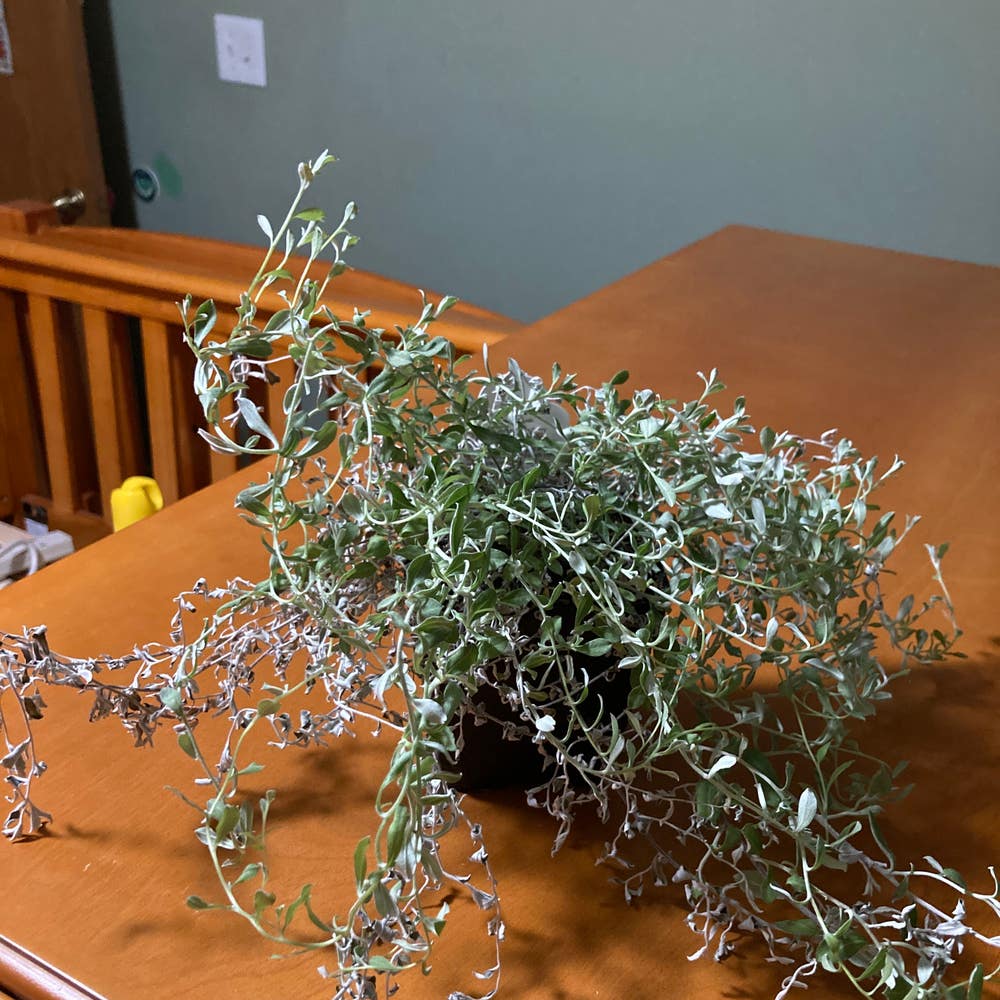
Underwatering can be just as detrimental, causing crispy, dry leaves and leaf drop from the bottom up. If you notice these signs, it’s time to reassess your watering routine.
Establishing a consistent watering schedule is crucial. Consider using moisture meters to monitor soil moisture levels effectively.
🐛 Pest Infestations: Identifying and Treating
Pests can wreak havoc on your Silver Helichrysum, leading to leaf drop. Common culprits include aphids, which are small green insects, and spider mites, identifiable by fine webbing and stippled leaves.
To combat these pests, use insecticidal soap or neem oil for control. Regular inspections will help catch infestations early, preventing further damage.
🍄 Fungal Infections: Prevention and Treatment
Fungal infections can also cause leaf drop, with root rot and leaf spot being the most common issues. Root rot often results from overwatering and poor drainage, while leaf spot appears as dark spots on leaves.
To prevent these problems, ensure proper soil drainage and avoid overhead watering. If infections occur, remove affected leaves, improve air circulation, and apply fungicides as needed.
Understanding these common causes of leaf drop is essential for maintaining a healthy Silver Helichrysum. With the right care and attention, you can keep your plant thriving and vibrant. Next, let’s explore preventative measures to ensure your plant stays healthy and robust.
Preventative Measures
Best Watering Practices for Silver Helichrysum 🌊
Watering your Silver Helichrysum correctly is crucial for its health. Allow the soil to dry out between waterings to prevent root rot.
Water deeply but infrequently to encourage robust root growth. This method helps your plant develop a strong foundation, making it more resilient.
Soil Selection and Drainage Tips 🏺
Choosing the right soil is essential for your plant's vitality. Opt for a well-draining potting mix or sandy loam to ensure proper moisture levels.
To enhance drainage, consider adding perlite or sand to your soil mix. Also, make sure your pots have drainage holes to prevent water accumulation.
Ideal Light Conditions for Healthy Growth ☀️
Silver Helichrysum thrives in full sun, requiring 6-8 hours of light daily. If you're growing it indoors, be prepared to use grow lights if natural light is insufficient.
Proper lighting not only supports growth but also enhances the plant's vibrant colors. Keeping your plant in the right light conditions will significantly reduce the risk of leaf drop.
Transitioning to the next section, let's explore step-by-step solutions for assessing and improving soil drainage.
Step-by-Step Solutions
🌧️ How to Assess and Improve Soil Drainage
Check drainage holes: Start by inspecting the bottom of your pot. Ensure that the holes are clear and not blocked, allowing excess water to escape.
Test soil moisture: Use a moisture meter or simply stick your finger into the soil. This will help you determine if the soil is too wet or dry.
Repot if necessary: If drainage is poor, consider repotting your Silver Helichrysum. Use a soil mix designed for drainage, such as one with perlite or sand.
📅 Adjusting Watering Schedules Based on Season
Monitor temperature changes: As seasons shift, so should your watering frequency. Warmer temperatures may require more frequent watering, while cooler months may need less.
Keep a watering log: Track how often you water and how your plant responds. This will help you identify patterns and adjust your schedule accordingly.
Use the Greg plant care app for reminders: Technology can be your ally. Set reminders to help you stay on top of your watering routine.
🐛 Treating Pests and Diseases Effectively
Identify the pest or disease: Regularly inspect your plant for any signs of trouble. Use visual cues and research to determine what you’re dealing with.
Apply treatments: Choose the right solution, whether organic or chemical. Make sure to follow the instructions for effective treatment.
Monitor recovery: After treatment, keep an eye on your plant. Look for signs of improvement, such as new growth or healthier leaves.
By following these step-by-step solutions, you can effectively manage your Silver Helichrysum's health. Next, let’s explore how to monitor and maintain your plant for long-term success.
Monitoring and Maintenance
Regular Checks for Leaf Health 🌿
To keep your Silver Helichrysum thriving, conduct weekly inspections. Look for signs of stress or pests, as early detection can save your plant.
Document your findings in a journal. This practice helps track leaf health and any changes over time, making it easier to spot trends or issues.
Signs of Recovery After Treatment 🌱
After addressing any problems, watch for new growth. Fresh leaves sprouting is a clear indicator that your plant is on the mend.
Additionally, monitor the leaf color. A return to vibrant green shades signifies that your Silver Helichrysum is regaining its health.
Long-Term Care Strategies to Prevent Leaf Drop 🛡️
Establish a consistent care routine. A reliable watering and feeding schedule is crucial for maintaining your plant's health.
Make necessary environmental adjustments. Keeping ideal humidity and light conditions will further support your Silver Helichrysum's growth.
Stay informed about care tips and updates. Continuous education will empower you to provide the best care possible for your plant.
By implementing these monitoring and maintenance strategies, you'll foster a thriving Silver Helichrysum that brings joy to your space. Next, let’s explore how to assess and improve soil drainage for optimal growth.
⚠️ Safety First
This content is for general information and may contain errors, omissions, or outdated details. It is not medical, veterinary advice, or an endorsement of therapeutic claims.
Always consult a qualified healthcare professional before using any plant as food, medicine, or supplement.
Never eat any plant (or feed one to pets) without confirming its identity with at least two trusted sources.
If you suspect poisoning, call Poison Control (800) 222-1222, the Pet Poison Helpline (800) 213-6680, or your local emergency service immediately.
Spotted an error? Please report it here.
Keep your Silver Helichrysum thriving 🌿 by using Greg's personalized watering reminders and pest alerts to prevent leaf drop and promote vibrant growth!