🍬 Step-by-Step Guide to Licorice Plant Growth
Helichrysum petiolare
By the Greg Editorial Team
Sep 30, 2024•3 min read
This article was created with the help of AI so we can cover more plants for you. May contain errors. See one? Report it here.
Elevate your garden with stunning licorice plants 🌱 by mastering their growth and size management tips!
- 🌱 Licorice plants thrive in well-drained soil and need 6-8 hours of sunlight daily.
- ✂️ Prune in late winter to manage height and promote bushier growth effectively.
- 💧 Consistent moisture is key; avoid overwatering to prevent root rot and stunted growth.
Mature Height and Spread
Typical Dimensions 🌱
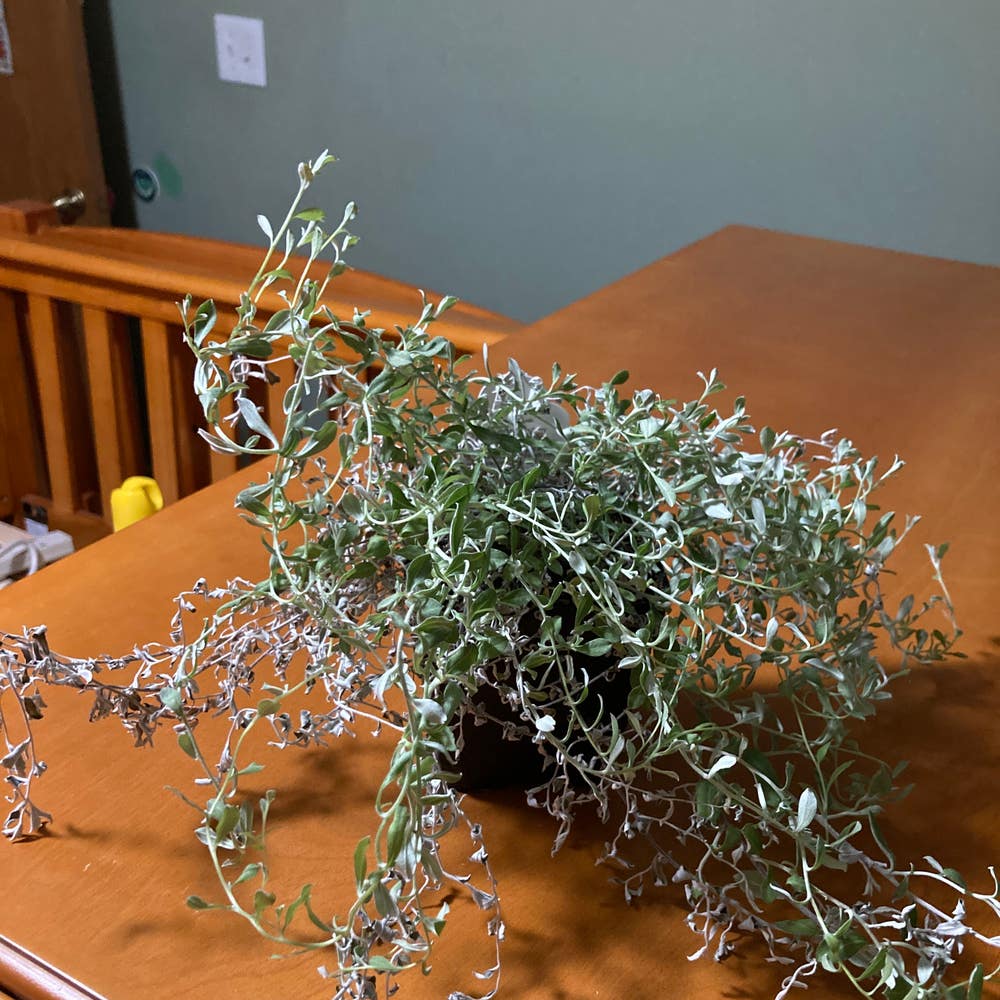
Licorice plants can reach a mature height of up to 4 feet (1.2 meters) and spread approximately 3 feet (0.9 meters). This size makes them a striking addition to any garden.
Dwarf and Giant Varieties 🌳
If you're looking for something smaller, dwarf varieties typically grow to about 2 feet (0.6 meters). On the other hand, giant varieties can exceed 6 feet (1.8 meters) when given optimal conditions, making them quite the statement piece.
Growth Rate and Time to Full Size ⏳
The average growth rate of licorice plants varies significantly based on environmental factors. Generally, you can expect them to reach full size in about 2-3 years with the right care and conditions.
Understanding these dimensions and growth patterns will help you plan your garden layout effectively. Next, let’s explore how different growing conditions can impact the size of your licorice plants.
Size Variability Based on Growing Conditions
🌱 Soil Type and Quality
Well-drained soils are crucial for the optimal growth of licorice plants. They significantly impact root development and overall size, ensuring the plant can thrive.
Adding organic matter as soil amendments can enhance soil quality. This not only promotes larger growth but also improves nutrient availability.
☀️ Sunlight Exposure
Licorice plants thrive in full sun, requiring 6 to 8 hours of sunlight daily for maximum growth. Adequate sunlight is key to achieving their full potential.
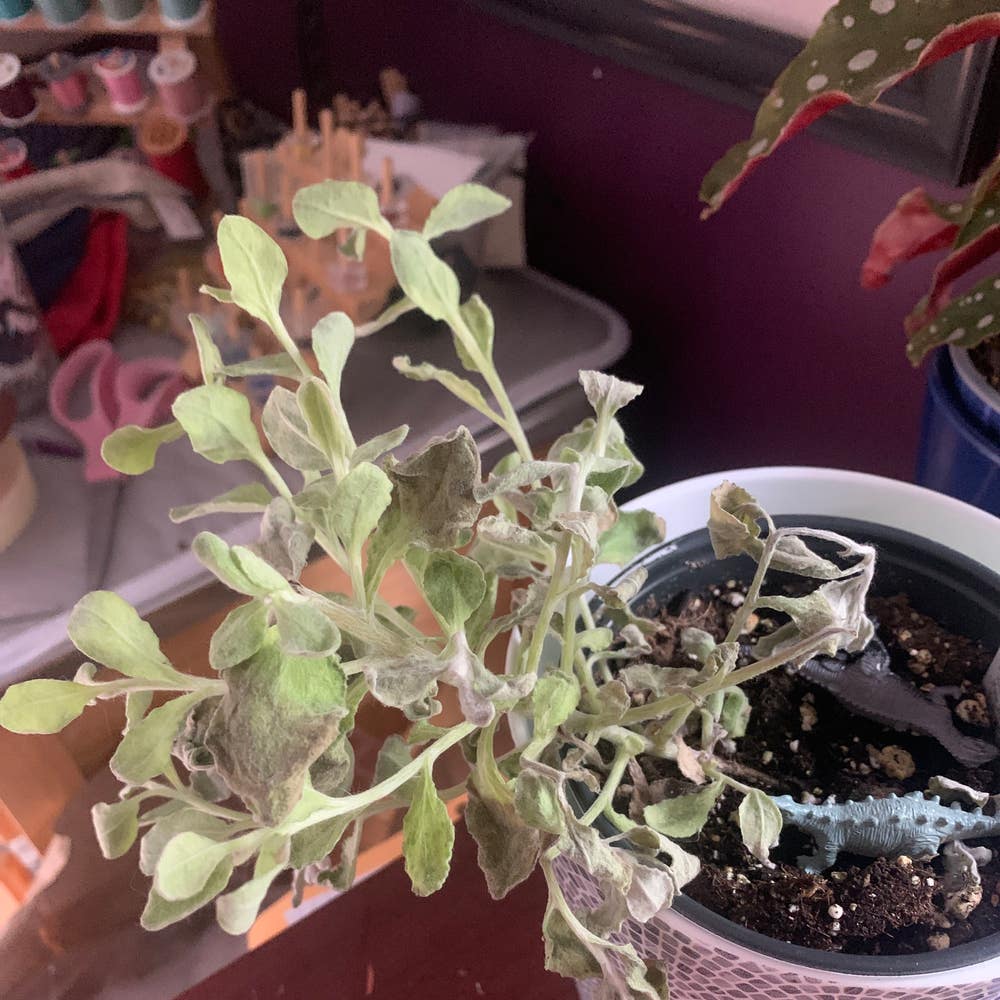
Inadequate sunlight can lead to stunted growth and reduced mature dimensions. Without enough light, your licorice plant may struggle to reach its ideal size.
💧 Watering Frequency and Amount
Consistent moisture is necessary for healthy growth. However, be cautious—overwatering can lead to root rot, which can be detrimental.
On the flip side, insufficient watering can stunt growth and reduce size. Striking the right balance is essential for a thriving licorice plant.
🪴 Container vs. Ground Planting
Growing licorice in containers may limit size due to restricted root space. While convenient, this method can hinder the plant's full potential.
In contrast, ground planting allows for deeper taproot development. This leads to larger plants and a more robust growth experience overall.
Understanding these factors can help you create the ideal environment for your licorice plants. Next, we’ll explore how to control their size effectively through pruning and fertilization techniques.
Controlling Size
✂️ Pruning Techniques for Size Management
Pruning is essential for managing the height and spread of your licorice plants. It promotes bushier growth, ensuring your plants remain healthy and visually appealing.
To effectively prune, consider these methods:
- Pinch back new growth to encourage lateral branching.
- Remove dead or damaged stems to maintain overall plant health.
📅 Seasonal Considerations for Pruning
Timing is crucial when it comes to pruning. The best time to prune licorice plants is late winter or early spring, just before new growth begins.
Aim to prune annually or as needed, depending on how quickly your plants grow. This keeps them in check and looking their best.
🌱 Impact of Fertilization on Growth Control
Fertilization plays a significant role in controlling growth rate and size. Using the right fertilizers can help you achieve the desired dimensions for your plants.
Opt for balanced fertilizers to prevent excessive growth. Regularly monitor nutrient levels to maintain the size you want, ensuring your licorice plants thrive without becoming unruly.
With these techniques in hand, you can effectively manage the size of your licorice plants, setting the stage for healthy growth and a vibrant garden. Next, let’s explore how different growing conditions can further influence plant size.
⚠️ Safety First
This content is for general information and may contain errors, omissions, or outdated details. It is not medical, veterinary advice, or an endorsement of therapeutic claims.
Always consult a qualified healthcare professional before using any plant as food, medicine, or supplement.
Never eat any plant (or feed one to pets) without confirming its identity with at least two trusted sources.
If you suspect poisoning, call Poison Control (800) 222-1222, the Pet Poison Helpline (800) 213-6680, or your local emergency service immediately.
Spotted an error? Please report it here.
Transform your garden with a thriving licorice plant 🌱 by using Greg's tailored watering and sunlight reminders to ensure it reaches its full potential!