Silver Helichrysum: Not an Annual
Helichrysum petiolare
By the Greg Editorial Team
Oct 12, 2024•5 min read
This article was created with the help of AI so we can cover more plants for you. May contain errors. See one? Report it here.
Transform your garden with the enduring beauty of Silver Helichrysum 🌼, a resilient perennial that thrives year after year!
- 🌼 Silver Helichrysum is a perennial, thriving for years with proper care.
- ☀️ Drought-resistant and low-maintenance, it flourishes in poor soil and full sun.
- 🐝 Attracts pollinators while offering vibrant silvery foliage and long-lasting blooms.
Genetic and Physiological Characteristics
🌱 Long-term Lifecycle of Silver Helichrysum
Silver Helichrysum is a perennial that can thrive for several years when placed in suitable conditions. It exhibits a fascinating seasonal growth pattern, entering dormancy during the winter months and bursting back to life in spring and summer.
📈 Growth Patterns and Adaptations
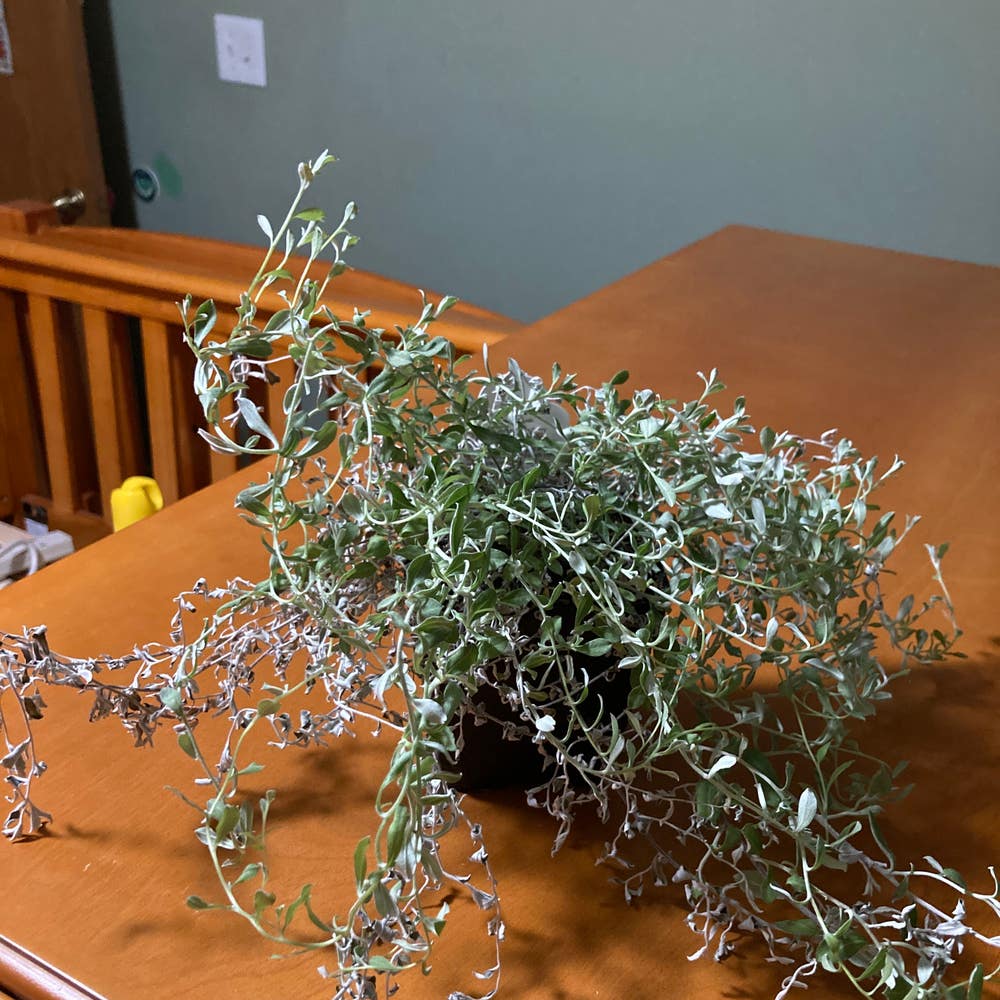
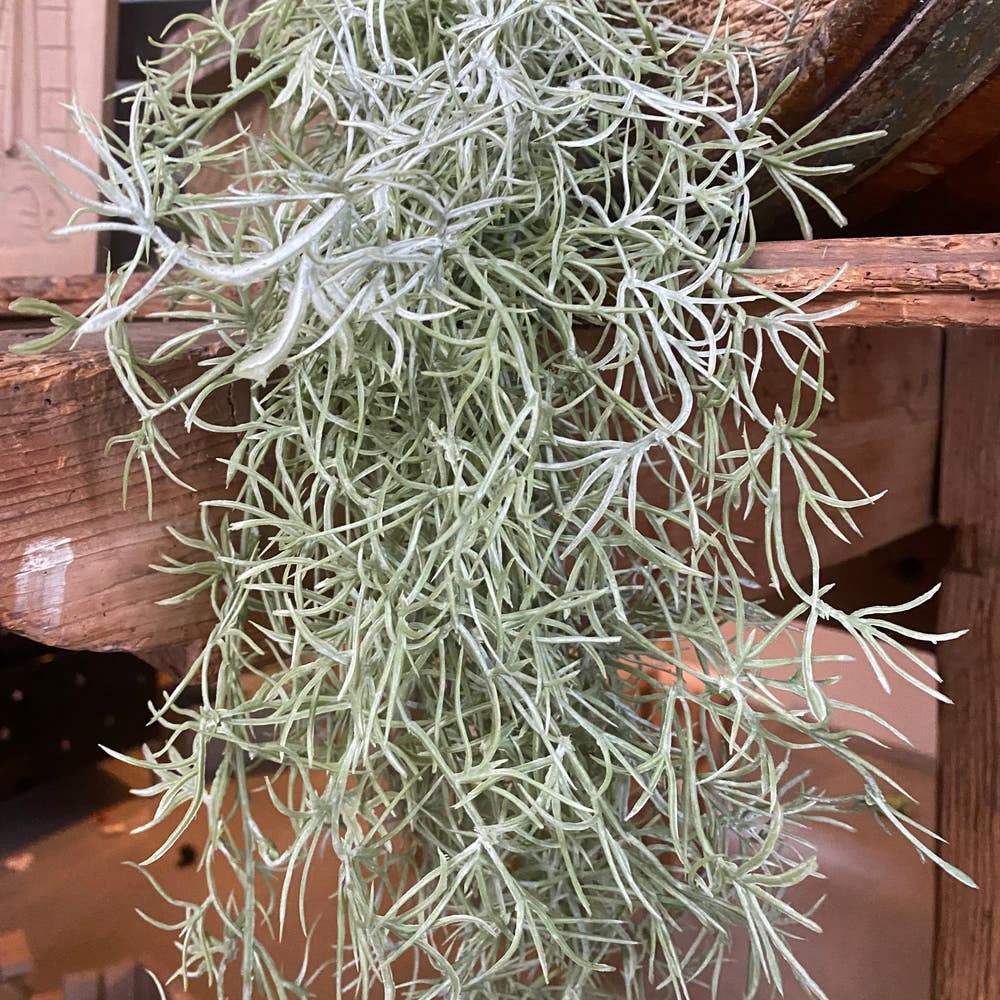
This plant showcases a compact, bushy growth habit adorned with striking silvery foliage. Its adaptations include remarkable drought resistance and an ability to flourish in poor soil, making it a resilient choice for gardeners.
Environmental Preferences
Silver Helichrysum thrives best in full sun and well-drained soils, characteristics typical of Mediterranean climates. This preference allows it to maximize its growth potential while minimizing competition from other plants.
🌼 Reproductive Strategies
Silver Helichrysum employs a dual approach to reproduction. It produces seeds that can germinate under favorable conditions, ensuring its survival and spread.
Vegetative Propagation
In addition to seed production, this plant can also propagate vegetatively through root division or cuttings. This versatility enhances its ability to establish itself in various environments.
Pollination
Attracting pollinators is another key aspect of its reproductive strategy. By drawing in bees and other beneficial insects, Silver Helichrysum enhances its reproductive success and contributes to the local ecosystem.
With its unique lifecycle and robust characteristics, Silver Helichrysum stands out as a remarkable perennial. Next, we’ll explore how it differs from true annuals, highlighting its resilience and longevity.
Differences from True Annuals
Lifecycle Comparison 🌱
Silver Helichrysum stands out with its multi-year growth, thriving for several seasons. In contrast, true annuals complete their lifecycle in just one season, making Silver Helichrysum a resilient choice for gardens.
Growth, Flowering, and Seed Production Differences 🌼
One of the most striking features of Silver Helichrysum is its prolonged flowering season. While annuals typically produce seeds in a single burst, Silver Helichrysum continuously generates seeds over multiple years, ensuring a steady supply.
Perennials like Silver Helichrysum invest energy into developing robust root systems. Annuals, on the other hand, prioritize rapid seed production to complete their lifecycle quickly. This difference in resource allocation highlights the unique advantages of Silver Helichrysum in garden settings.
Understanding these distinctions not only clarifies the plant's classification but also emphasizes its value in long-term garden planning. As we explore further, we'll delve into regional variations and common misconceptions surrounding Silver Helichrysum.
Regional Variations and Misconceptions
🌨️ Conditions Where Silver Helichrysum May Be Treated as an Annual
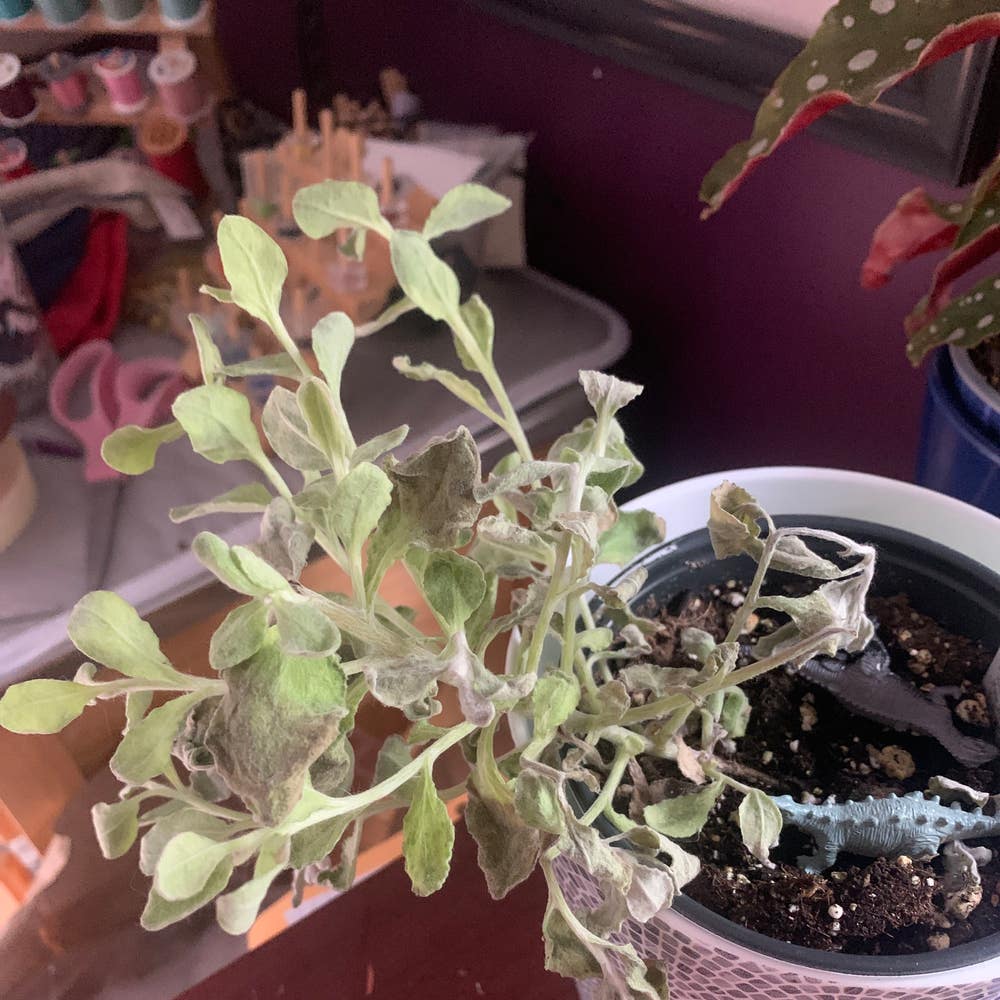
In colder climates, Silver Helichrysum often experiences die-back during winter. However, it has the remarkable ability to regrow in spring, which can lead to its misclassification as an annual.
Poor soil conditions can also hinder its growth, causing gardeners to mistakenly treat it as a short-lived plant. Understanding these environmental factors is crucial for proper care and classification.
🤔 Common Misconceptions About Its Classification
One prevalent misconception is that Silver Helichrysum cannot survive harsh winters. This misunderstanding stems from its seasonal die-back, which can confuse those unfamiliar with its resilience.
Many people equate its winter dormancy with the lifecycle of true annuals, overlooking its potential for regrowth. Recognizing its hardiness can help gardeners appreciate this unique perennial.
With a clearer understanding of its characteristics, you can better incorporate Silver Helichrysum into your garden design. Next, let’s explore the implications of its perennial nature for garden planning.
Garden Design Implications
Advantages in Perennial Gardens 🌼
Silver Helichrysum is a fantastic choice for perennial gardens. Its long lifespan means fewer replanting needs, making it a cost-effective option for gardeners.
The plant's striking silvery foliage and vibrant yellow flowers add a unique aesthetic appeal. This combination enhances any garden design, creating a visually stunning landscape.
Planning for Long-term Growth 🌱
When planning for long-term growth, consider companion planting. Pairing Silver Helichrysum with other drought-resistant plants can create a resilient and beautiful garden.
Additionally, think about seasonal interest. By incorporating plants with varied growth cycles, you can ensure year-round visual appeal, keeping your garden lively through every season.
With these strategies, you can maximize the benefits of Silver Helichrysum in your garden design. Transitioning to the next topic, let’s explore management tips that will help ensure the longevity of this remarkable plant.
Management Tips for Longevity
🌱 Best Practices for Managing as a Perennial
To ensure your Silver Helichrysum thrives, start with the right soil. It prefers well-drained, poor to moderately fertile soil, which mimics its natural Mediterranean habitat.
Watering is equally crucial. Allow the soil to dry out between waterings to prevent root rot, a common issue that can hinder its growth.
🌿 Tips for Maximizing Longevity and Health
Regular pruning is essential for maintaining a bushy form. Trim back the plant to encourage fuller growth and prevent it from becoming leggy.
When it comes to fertilization, less is more. Silver Helichrysum requires minimal fertilization; focus on enriching the soil with organic matter instead.
Pest management is generally low maintenance. While it's wise to monitor for pests, this resilient plant often withstands challenges without much intervention.
By following these management tips, you can enjoy the beauty of Silver Helichrysum for many years to come. Transitioning to the next topic, let's explore how to incorporate this perennial into your garden design for lasting appeal.
⚠️ Safety First
This content is for general information and may contain errors, omissions, or outdated details. It is not medical, veterinary advice, or an endorsement of therapeutic claims.
Always consult a qualified healthcare professional before using any plant as food, medicine, or supplement.
Never eat any plant (or feed one to pets) without confirming its identity with at least two trusted sources.
If you suspect poisoning, call Poison Control (800) 222-1222, the Pet Poison Helpline (800) 213-6680, or your local emergency service immediately.
Spotted an error? Please report it here.
Celebrate the resilience of Silver Helichrysum 🌼 and let Greg provide tailored care tips and watering reminders to keep your garden thriving year after year!