What It Means When Your Silver Helichrysum Wilts 🌼
Helichrysum petiolare
By the Greg Editorial Team
Oct 12, 2024•6 min read
This article was created with the help of AI so we can cover more plants for you. May contain errors. See one? Report it here.
Transform your wilting Silver Helichrysum 🌱 into a thriving beauty with these essential care tips and tricks!
- 💧 Wilting in Silver Helichrysum signals water stress from over or underwatering.
- ☀️ Heat and sunlight exposure can cause wilting; relocate to a shadier spot.
- 🌱 Regular soil checks and proper drainage are crucial for healthy Silver Helichrysum.
Common Causes of Wilting Leaves
💧 Water Stress
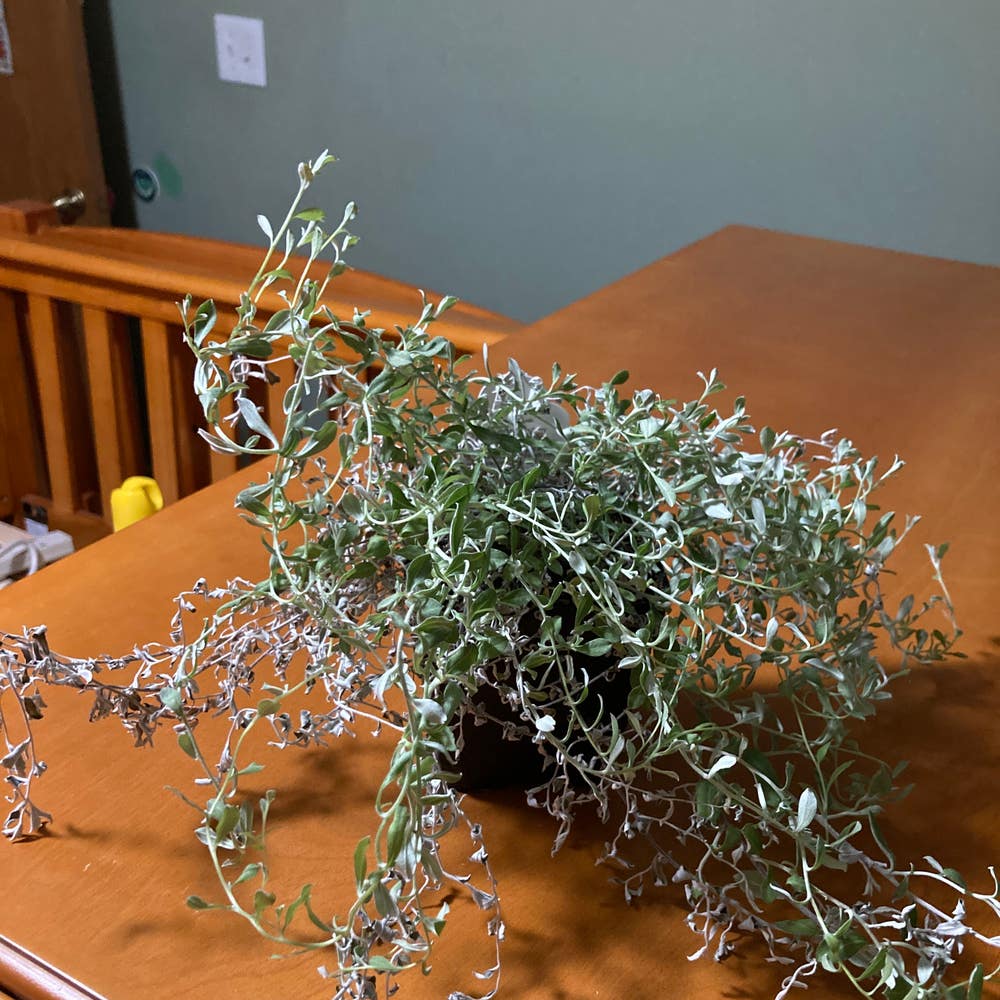
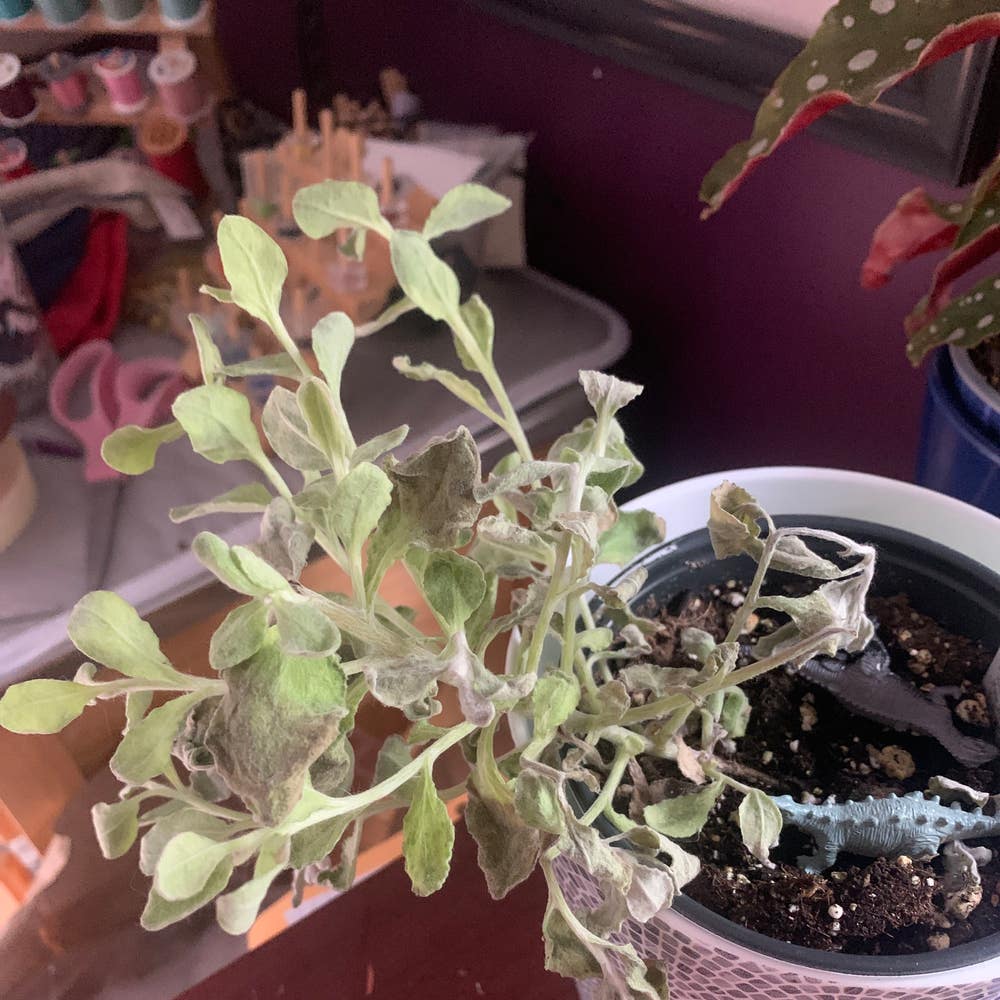
Wilting leaves can often signal water stress in your Silver Helichrysum. Symptoms include drooping leaves, dry soil, and leaf curling.
Underwatering
Underwatering occurs when the plant doesn't receive enough moisture, leading to dehydration. If you notice dry soil and drooping leaves, it’s time to give your plant a good drink.
Overwatering
Conversely, overwatering can lead to root rot due to waterlogged soil. If the soil feels soggy and the leaves are yellowing, you might be giving your plant too much love.
🔥 Heat Stress
Heat stress is another common culprit behind wilting. Symptoms include wilting during hot weather, leaf scorch, and browning edges.
Excessive Sunlight Exposure
Prolonged exposure to direct sunlight can overwhelm your Silver Helichrysum. If you notice scorched leaves, consider relocating your plant to a shadier spot.
High Temperatures
Extreme heat can also stress your plant. High temperatures can lead to wilting, so keep an eye on the weather and adjust your plant's environment accordingly.
🦠 Disease-Related Wilting
While less common, disease-related wilting can occur. Symptoms include yellowing leaves and wilting despite adequate watering.
Pathogen Concerns
Though it's rare for Silver Helichrysum to suffer from pathogens, it can happen. If you suspect disease, look closely at your plant, but remember that this is usually not the primary cause of wilting.
Understanding these common causes can help you take proactive steps to keep your Silver Helichrysum healthy. Next, let’s dive into how to diagnose wilting effectively.
Diagnosing Wilting
🕵️♂️ Step-by-Step Guide to Diagnose Wilting
Assess Soil Moisture: Start by checking the top inch of soil. Is it dry or soggy? This will give you a clear indication of your plant's hydration level.
Observe Environmental Conditions: Take note of the temperature, humidity, and sunlight exposure. These factors can significantly impact your Silver Helichrysum's health.
Inspect Leaves: Look closely at the leaves for any signs of discoloration, curling, or spots. These symptoms can reveal underlying issues.
Evaluate Watering Habits: Review how often and how much you water your plant. This will help you identify if your watering routine needs adjustment.
Check for Pests or Diseases: Inspect for any visible pests or fungal growth. Early detection can prevent further damage.
🔍 Identifying Symptoms and Environmental Factors
Understanding the relationship between symptoms and environmental conditions is crucial.
Dry Soil with Drooping Leaves: This typically indicates underwatering. Your plant is thirsty and needs immediate attention.
Soggy Soil with Yellowing Leaves: This suggests overwatering. Your plant may be suffering from root rot, so it's time to adjust your watering schedule.
Scorched Leaves in High Heat: This points to heat stress. Providing some shade can help your plant recover.
By following these steps, you can effectively diagnose the cause of wilting in your Silver Helichrysum. This proactive approach will set the stage for successful recovery and maintenance. Next, let’s explore actionable solutions to address these wilting issues.
Solutions for Wilting
💧 Actionable Advice for Water Stress
If your Silver Helichrysum is underwatered, the solution is straightforward. Water it thoroughly until moisture drains from the bottom of the pot.
For overwatering, allow the soil to dry out completely before the next watering. If you suspect root rot, consider repotting in well-draining soil to give your plant a fresh start.
☀️ Actionable Advice for Heat Stress
To combat heat stress, provide your plant with partial shade during peak sun hours. This simple adjustment can help prevent wilting and leaf scorch.
Additionally, increasing humidity around the plant can be beneficial. A quick misting technique can create a more favorable environment for your Silver Helichrysum.
🦠 Actionable Advice for Disease-Related Wilting
If you suspect disease is the culprit, act quickly. Remove any affected leaves to improve air circulation around the plant.
For more serious issues, treating with appropriate fungicides may be necessary. This can help restore your plant's health and vitality.
By addressing these issues promptly, you can help your Silver Helichrysum thrive once again. Next, let’s explore preventive measures to keep your plant healthy and vibrant.
Preventive Measures
Tips to Minimize Future Wilting Episodes 🌱
To keep your Silver Helichrysum thriving, regularly check the soil moisture levels. This simple habit can prevent water stress and keep your plant happy.
Additionally, monitor environmental conditions, especially during seasonal changes. Changes in temperature and humidity can significantly impact your plant's health.
Best Practices for Maintaining Healthy Plants 🌿
Using well-draining soil is crucial for your Silver Helichrysum. Ensure your pots have drainage holes to prevent water from pooling.
Implement a consistent watering schedule tailored to your plant's needs. Adjust based on environmental conditions to avoid over or underwatering.
Fertilize sparingly, as Silver Helichrysum thrives in nutrient-poor soils. Too much fertilizer can lead to unhealthy growth and wilting.
By following these preventive measures, you can create a nurturing environment for your Silver Helichrysum, reducing the risk of wilting and promoting vibrant growth. Next, let’s explore effective techniques for reviving a wilted plant.
Reviving a Wilted Plant
🌊 Techniques for Bottom Watering
One effective method to revive your wilted Silver Helichrysum is bottom watering. Simply place the pot in a shallow tray of water for about 30 minutes. This allows the roots to absorb moisture directly, promoting quicker recovery.
🌳 Relocating the Plant Temporarily
If the heat is relentless, consider relocating your plant temporarily. Move it to a shaded area during extreme heat or direct sunlight. This small change can significantly reduce stress and help your plant bounce back.
✂️ Pruning Damaged Leaves
Pruning can also play a crucial role in revitalizing your plant. Use clean, sharp scissors to remove any wilted or damaged leaves. This encourages new growth and helps the plant focus its energy on healthier foliage.
Reviving a wilted plant can be a rewarding experience. With these simple techniques, you can help your Silver Helichrysum regain its vitality and thrive once again. Next, let’s explore when it might be time to seek professional help for your plant care challenges.
When to Seek Help
Signs That Professional Assistance is Needed 🌱
If your Silver Helichrysum continues to wilt despite your best care efforts, it might be time to seek help. Persistent wilting can indicate underlying issues that go beyond basic care guidelines.
Additionally, if you notice pests or diseases that are tough to identify, don’t hesitate to reach out for professional advice. Catching these problems early can save your plant from further distress.
Resources for Assistance 🛠️
Local nurseries can be invaluable resources for specific advice on Silver Helichrysum care. They often have knowledgeable staff who can provide tailored solutions based on your plant's condition.
Engaging with the plant care community can also offer insights and shared experiences. Online forums and social media groups are great places to connect with fellow plant enthusiasts who may have faced similar challenges.
By leveraging these resources, you can ensure your Silver Helichrysum gets the best care possible, setting it up for a healthy recovery.
⚠️ Safety First
This content is for general information and may contain errors, omissions, or outdated details. It is not medical, veterinary advice, or an endorsement of therapeutic claims.
Always consult a qualified healthcare professional before using any plant as food, medicine, or supplement.
Never eat any plant (or feed one to pets) without confirming its identity with at least two trusted sources.
If you suspect poisoning, call Poison Control (800) 222-1222, the Pet Poison Helpline (800) 213-6680, or your local emergency service immediately.
Spotted an error? Please report it here.
Revive your wilting Silver Helichrysum with Greg's tailored watering alerts and vibrant community support, ensuring your plant flourishes in any environment! 🌿