How Can You Tell If A Licorice Plant Is Dying?
Helichrysum petiolare
By the Greg Editorial Team
Jun 18, 2024•4 min read
This article was created with the help of AI so we can cover more plants for you. May contain errors. See one? Report it here.
Spot and save your wilting Licorice Plant 🌿 with these crucial, life-saving care tips!
- Wilting and yellowing leaves signal your Licorice Plant may be dying.
- Over-watering and under-watering both cause distinct, harmful symptoms.
- Pests and temperature swings can also lead to a Licorice Plant's distress.
Spot the Distress: Key Symptoms to Watch For
🚩 Wilting, Yellowing Leaves, and Stunted Growth
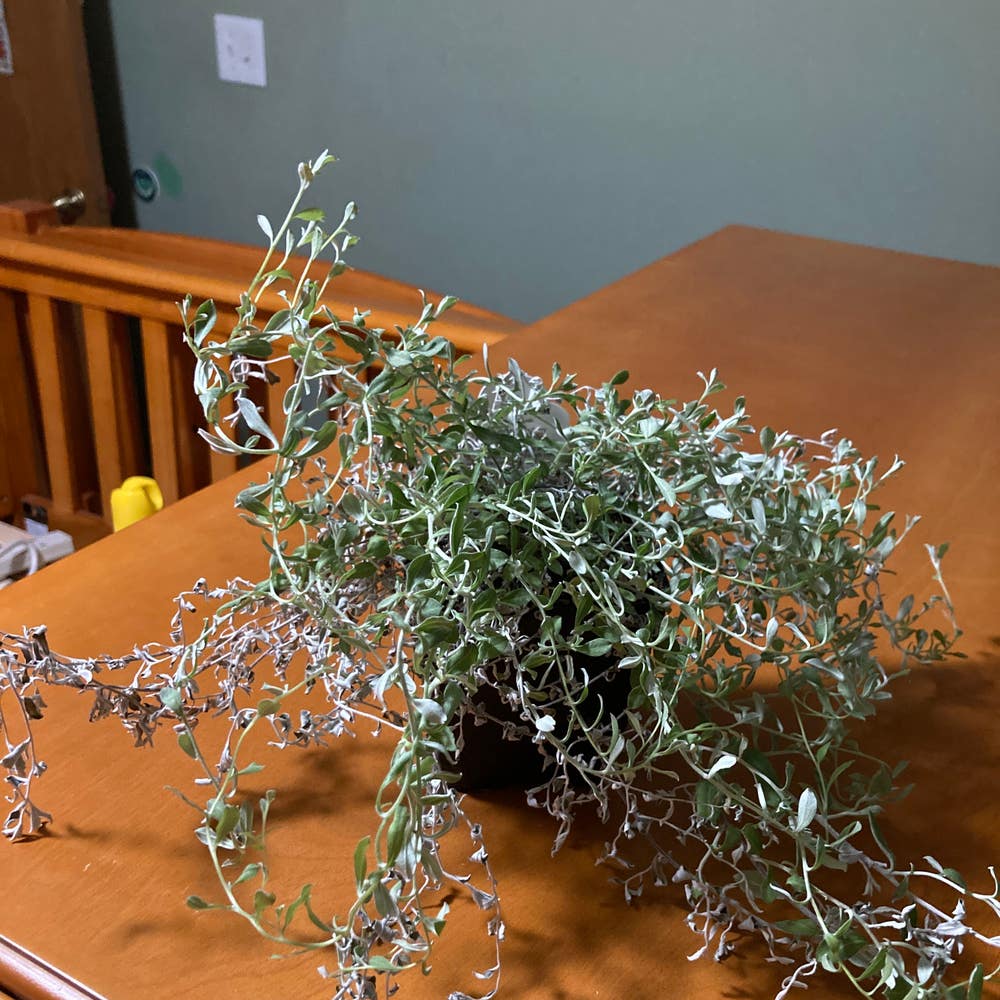
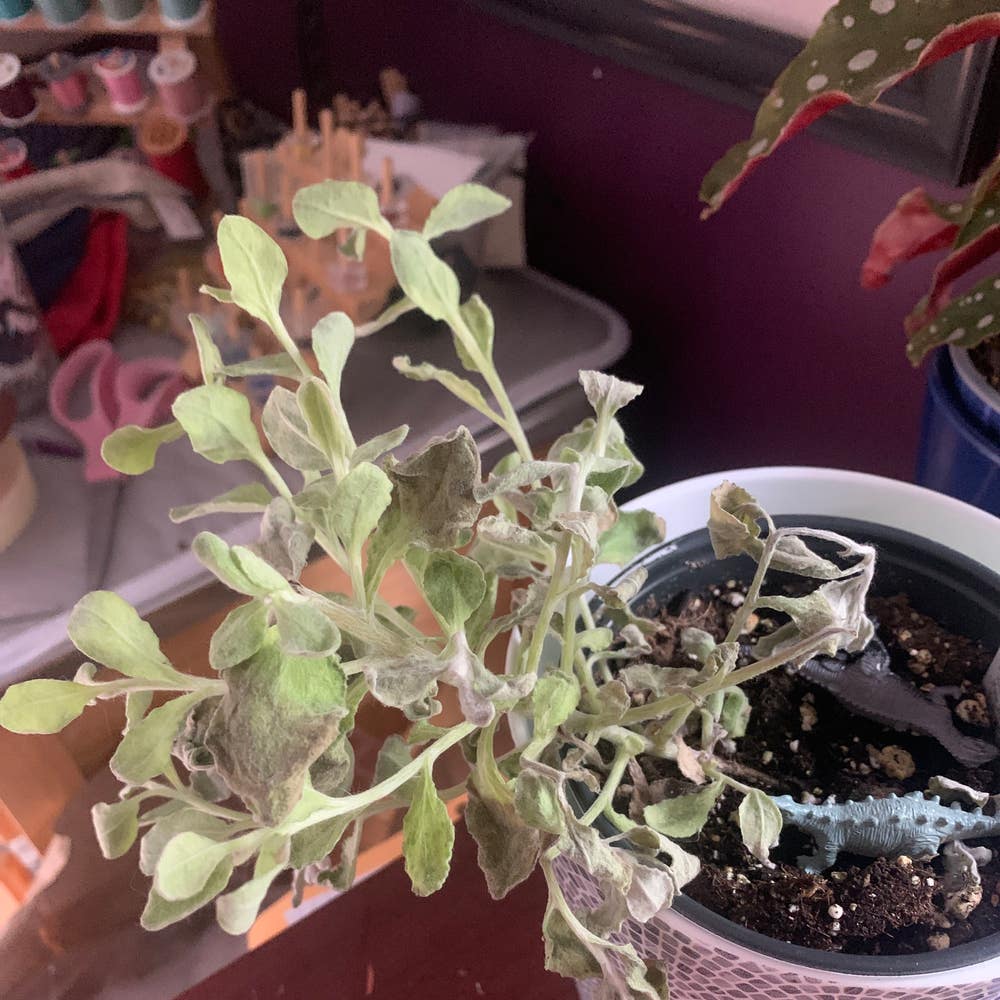
Wilting in a Licorice Plant is like a red flag at a bullfight—it demands immediate attention. Yellowing leaves often start at the base or top, hinting at possible nutrient shortages. If your plant's growth seems to have hit the brakes, it's likely sounding the alarm on issues like root rot.
🍂 Browning Leaf Tips and Leaf Drop
Browning tips are the plant's version of a distress beacon. They could be crying out for more humidity or less water. A leaf drop is more than just a seasonal change; it's a sign that your plant might be staging a silent protest against its living conditions. Keep an eye out for these symptoms, and you'll be decoding your Licorice Plant's silent cries for help in no time.

Water Woes: Too Much or Too Little?
💦 Over-watering Hazards
Yellowing leaves and a wilted appearance are your Licorice Plant's way of saying it's had too much to drink. If the soil clings to your fingers, it's more waterlogged than a sunken ship. Root rot can follow, turning roots into mushy casualties of your overzealous watering.
- Check the soil: If it's damp an inch down, hold off on the hydration.
- Prune the damage: Snip away the soggy roots and leaves to prevent decay.
- Dry out: Move your plant to a spot with good air circulation to help the soil recover.
- Adjust watering habits: Water only when the topsoil feels dry to the touch.
🏜️ Under-watering Signs
When your plant's leaves droop like it's just heard bad news, it's time to up the water ante. Crispy leaves are a sign your Licorice Plant is thirstier than a marathon runner.
- Soil check: If it's drier than a comedian's humor, it's time to water.
- Consistent schedule: Establish a watering routine that keeps the soil consistently moist, not soggy.
- Seasonal tweaks: Adjust your watering based on the climate and indoor conditions. When in doubt, it's better to underwater and add more later than to overdo it.

Light and Temperature Tango
💡 Getting the Light Right
Pale leaves and leggy growth are distress flares from your Licorice Plant; it's getting too much sun. To alleviate light-related stress, find the sweet spot. This means bright, indirect light where the plant thrives without the risk of a sunburn.
Move your plant gradually to a brighter location, but shield it from direct rays. If natural light is a gamble, consider grow lights for a steady glow. They're the insurance policy against the whims of weather and window placement.
🌡️ Temperature Swings
When leaves curl or change color, your plant is feeling the temperature pinch. It's craving stability. Aim to keep the room between 65°F and 80°F. This range is the comfort zone, preventing the leafy equivalent of shivering or sweating.
Avoid placing your Licorice Plant near drafty windows or heaters. Sudden temperature changes are the bane of plant health, akin to jumping from sauna to snow. Consistency is key—think of it as setting the thermostat for a guest who's always polite but secretly judges.

Uninvited Guests and Unseen Killers
🐛 Pests: The Visible Villains
Visible pests and distorted leaves are clear indicators that your Licorice Plant is under siege. Aphids, spider mites, and whiteflies are common culprits, often congregating on new growth or under leaves.
Evicting these pests requires a two-pronged approach: natural predators like predatory mites and parasitic nematodes, or insecticidal soaps and neem oil for a more direct hit. Regular inspections are crucial—catching these invaders early can save your plant from a world of hurt.
🍄 Mold, Fungus, and Root Rot: The Stealthy Assassins
Fuzzy growths and musty smells signal the presence of mold or fungus. These stealthy assassins thrive in stagnant air and excessive moisture.
Combating root rot involves sniffing out the problem—literally. Mushy roots and a foul odor indicate it's time to take action. Cut back on watering and increase air circulation to give your plant a fighting chance.
Preventative measures include ensuring good airflow, controlling humidity, and maintaining healthy soil. If mold has already crashed the party, it's time for fungicides. But remember, prevention is better than cure—keep conditions unfavorable for these uninvited guests to avoid future infestations.
⚠️ Safety First
This content is for general information and may contain errors, omissions, or outdated details. It is not medical, veterinary advice, or an endorsement of therapeutic claims.
Always consult a qualified healthcare professional before using any plant as food, medicine, or supplement.
Never eat any plant (or feed one to pets) without confirming its identity with at least two trusted sources.
If you suspect poisoning, call Poison Control (800) 222-1222, the Pet Poison Helpline (800) 213-6680, or your local emergency service immediately.
Spotted an error? Please report it here.
Spot a Licorice Plant's SOS and rescue 🚑 it with Greg's tailored care plans, ensuring the right light, water, and temperature for a lush comeback.