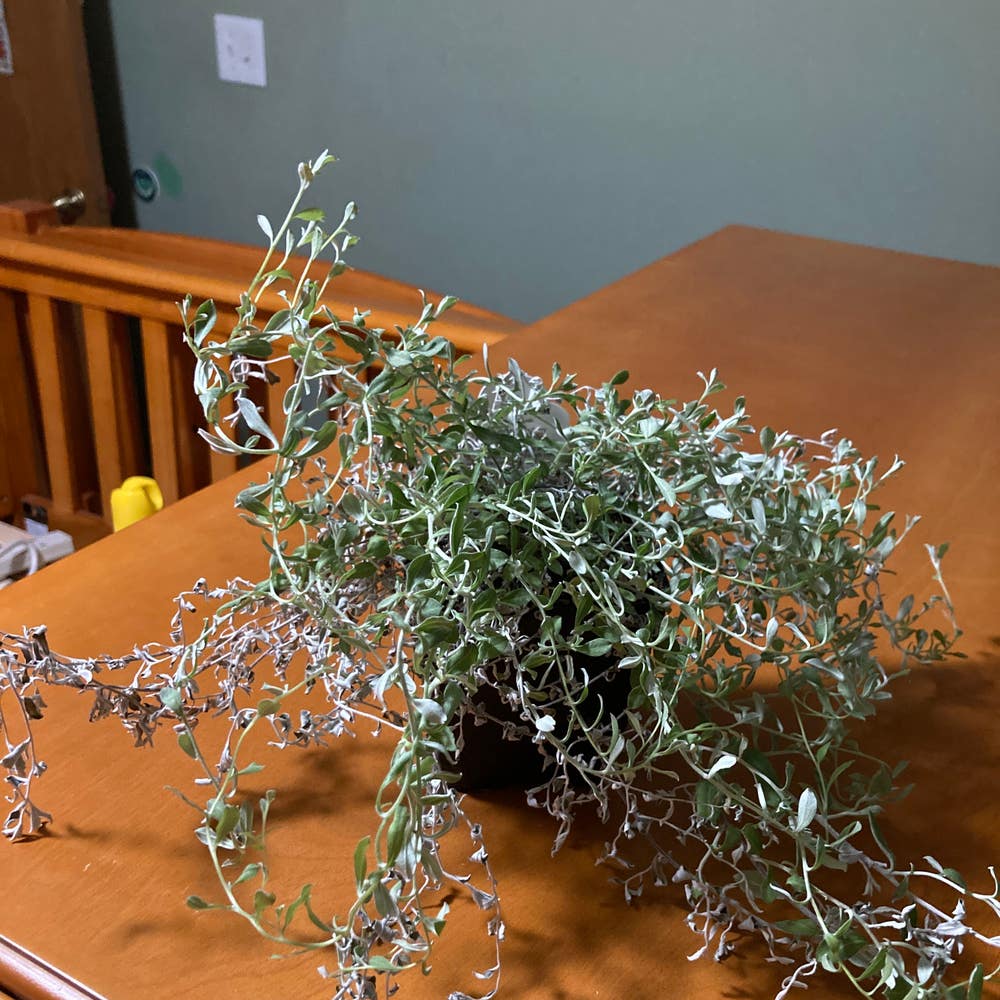
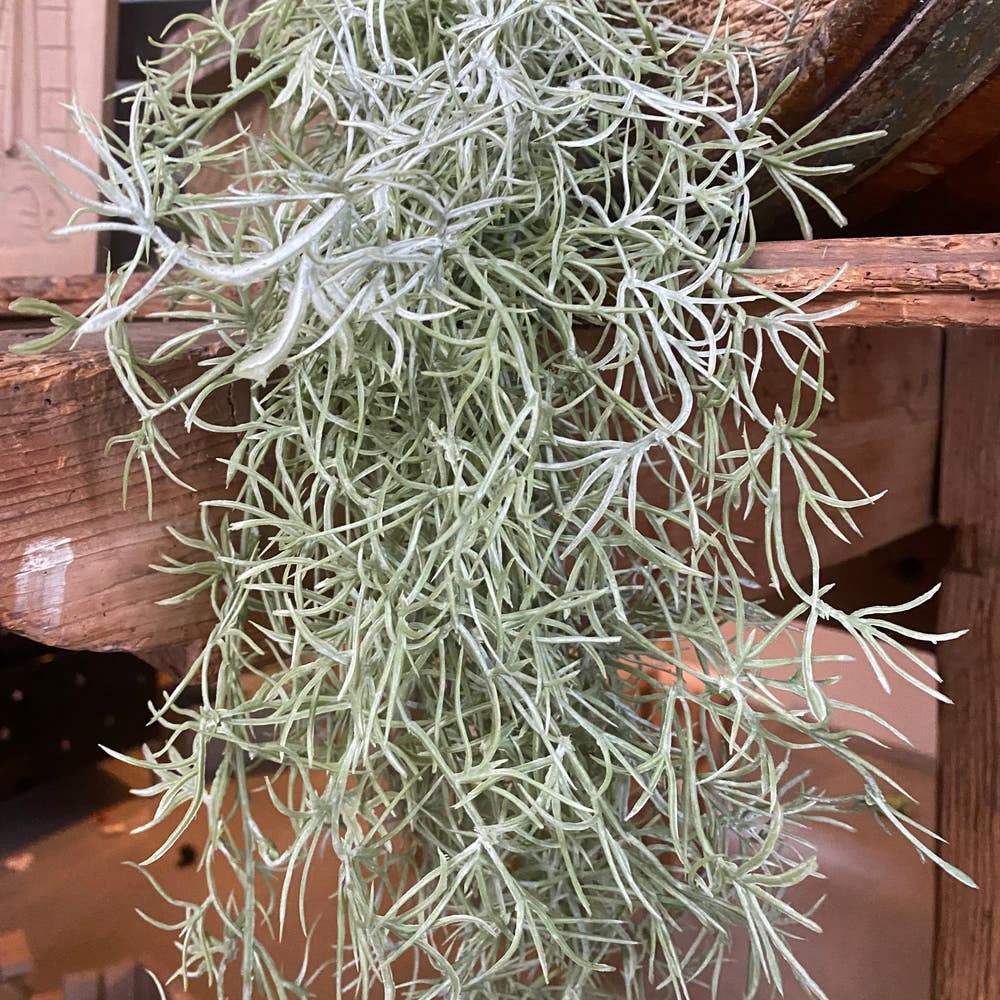
Licorice Plant Hardiness Zones Ultimate Guide: 9a-11b
Helichrysum petiolare
By the Greg Editorial Team
Sep 30, 2024•5 min read
This article was created with the help of AI so we can cover more plants for you. May contain errors. See one? Report it here.
Master temperature tolerance for thriving licorice plants and unlock your garden's full potential! 🌱
- 🌡️ Licorice plants thrive in USDA zones 9a-11b, tolerating temperatures from 20°F to 100°F.
- 🌞 Full sun for 6-8 hours daily is essential for optimal licorice growth.
- 🌱 Well-drained soil prevents root rot, ensuring healthy licorice plants.
Licorice Plant Temperature Tolerance
❄️ Cold Tolerance Specifics
The licorice plant can withstand minimum temperatures down to 20°F (-6°C). However, frost can significantly hinder its growth, leading to stunted development or even plant death.
To protect your licorice plants from cold damage, consider using mulch or row covers. These strategies can help insulate the roots and maintain a more stable temperature.
☀️ Heat Tolerance Specifics
On the flip side, licorice plants thrive in heat, with a maximum temperature tolerance of 100°F (38°C). This heat tolerance is crucial for growth in warmer climates, where high temperatures can be the norm.
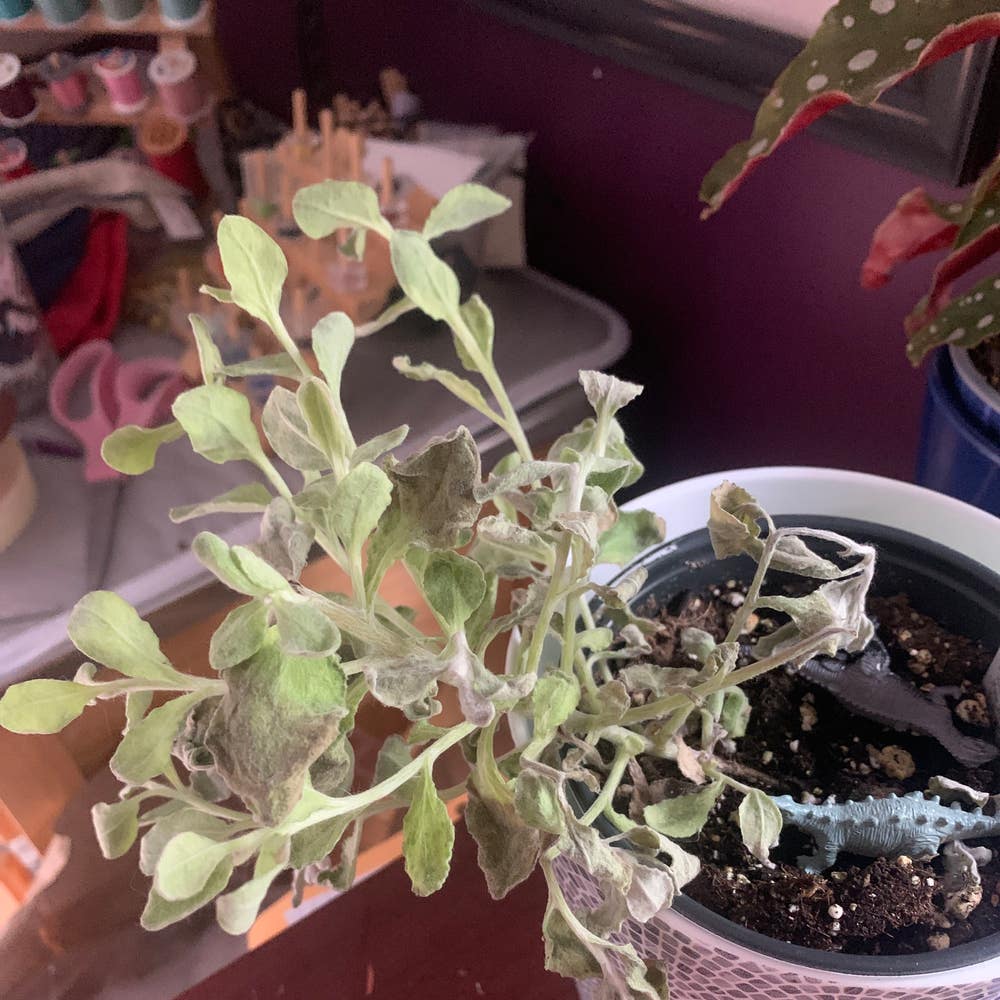
Keep an eye out for signs of heat stress, such as wilting or leaf scorch. These indicators suggest that your plants may need extra care during particularly hot spells.
🌱 Temperature Ranges for Optimal Growth
For optimal growth, licorice plants prefer temperatures between 70°F and 85°F (21°C to 29°C). Consistent temperatures within this range promote healthy development and robust root systems.
Temperature fluctuations can adversely affect growth, leading to stress and reduced yields. Maintaining stable conditions is vital for nurturing strong roots and overall plant health.
Understanding these temperature tolerances will help you create the best environment for your licorice plants, setting the stage for thriving growth. Next, let’s explore the ideal growing regions for this versatile plant.
Ideal Growing Regions
🌟 Examples of US States in Suitable Zones
When it comes to growing licorice plants, certain states shine brighter than others. California boasts both coastal and inland regions that provide the perfect environment for these plants to thrive.
Florida is another prime location, especially in its southern regions where warm climates dominate. Texas also offers ideal conditions, particularly in areas with mild winters and hot summers.
🌱 Factors Contributing to Ideal Growing Conditions
Several factors play a crucial role in creating the perfect growing conditions for licorice plants. First, they prefer well-drained soil, which helps prevent root rot and promotes healthy growth.
Sunlight exposure is equally important; licorice plants need full sun for about 6 to 8 hours daily. Additionally, the overall climate characteristics should mimic warm, Mediterranean-like conditions to ensure optimal growth.
🌍 Comparison of Different Regions
Humidity and rainfall can vary significantly across these ideal states. For instance, California's dry climate contrasts with Florida's humidity, impacting how licorice plants adapt and grow.
Regional climate variations can affect growth rates and overall plant health. Successful cultivation examples abound, showcasing how these states leverage their unique conditions to nurture thriving licorice plants.
Understanding these factors can help you choose the best location for your licorice garden, ensuring a bountiful harvest.
Microclimates and Their Impact
Definition and Creation of Microclimates 🌍
Microclimates are small, localized areas where the climate differs from the surrounding region. They can be influenced by various factors, including elevation, proximity to water, and even urban structures.
Extending Growing Zones 🌱
Microclimates can significantly extend growing zones, allowing plants like licorice to thrive outside their typical ranges. This adaptability can lead to longer growing seasons and increased yields.
Examples Benefiting Licorice Plant 🌊
Coastal areas often enjoy moderated temperatures, creating a perfect environment for licorice plants. Urban areas can retain heat, providing a warmer microclimate that supports growth.
Valleys are another excellent example, as they can trap warmth and create a nurturing environment for licorice cultivation. Understanding these microclimates can be a game-changer for gardeners and farmers alike.
As we explore state-level suitability, consider how these localized climates can enhance your growing experience.
State-Level Suitability Analysis
Suitable States for Licorice Plant 🌞
The licorice plant thrives in several U.S. states, particularly those with warm climates. Key states include:
- California: Both coastal and inland regions provide ideal conditions.
- Florida: The southern regions boast warm temperatures year-round.
- Texas: Mild winters and hot summers create a favorable environment.
- Arizona: The arid climate supports the plant's growth needs.
- Louisiana: Warm, humid conditions are beneficial for cultivation.
These states offer the right combination of warmth and sunlight, essential for healthy licorice growth.
Unsuitable States and Reasons 🚫
Not all states are suitable for growing licorice. States in USDA zones below 9a, such as:
- North Dakota
- Montana
These regions face cold temperatures and frost risks that can severely impact plant viability. The short growing seasons in these areas limit the time available for the licorice plant to flourish.
Frost Dates and Their Relevance ❄️
Understanding frost dates is crucial for successful licorice cultivation.
- First Frost Date: Marks the end of the growing season.
- Last Frost Date: Indicates when planting can safely begin.
These dates directly affect planting and harvesting schedules. To avoid frost damage, consider these strategies:
- Plan Planting: Start seeds indoors or use protective coverings.
- Monitor Weather: Stay updated on local forecasts to adjust planting times.
- Choose Varieties Wisely: Select licorice varieties that mature quickly.
By timing your planting around these frost dates, you can maximize your chances of a successful harvest.
With a solid understanding of suitable states and frost management, you're well on your way to cultivating a thriving licorice plant. Next, let’s explore the impact of microclimates on growth.
⚠️ Safety First
This content is for general information and may contain errors, omissions, or outdated details. It is not medical, veterinary advice, or an endorsement of therapeutic claims.
Always consult a qualified healthcare professional before using any plant as food, medicine, or supplement.
Never eat any plant (or feed one to pets) without confirming its identity with at least two trusted sources.
If you suspect poisoning, call Poison Control (800) 222-1222, the Pet Poison Helpline (800) 213-6680, or your local emergency service immediately.
Spotted an error? Please report it here.
Grow thriving licorice plants 🌱 by using Greg's tailored care reminders and tips to navigate temperature challenges and maximize your harvest success!