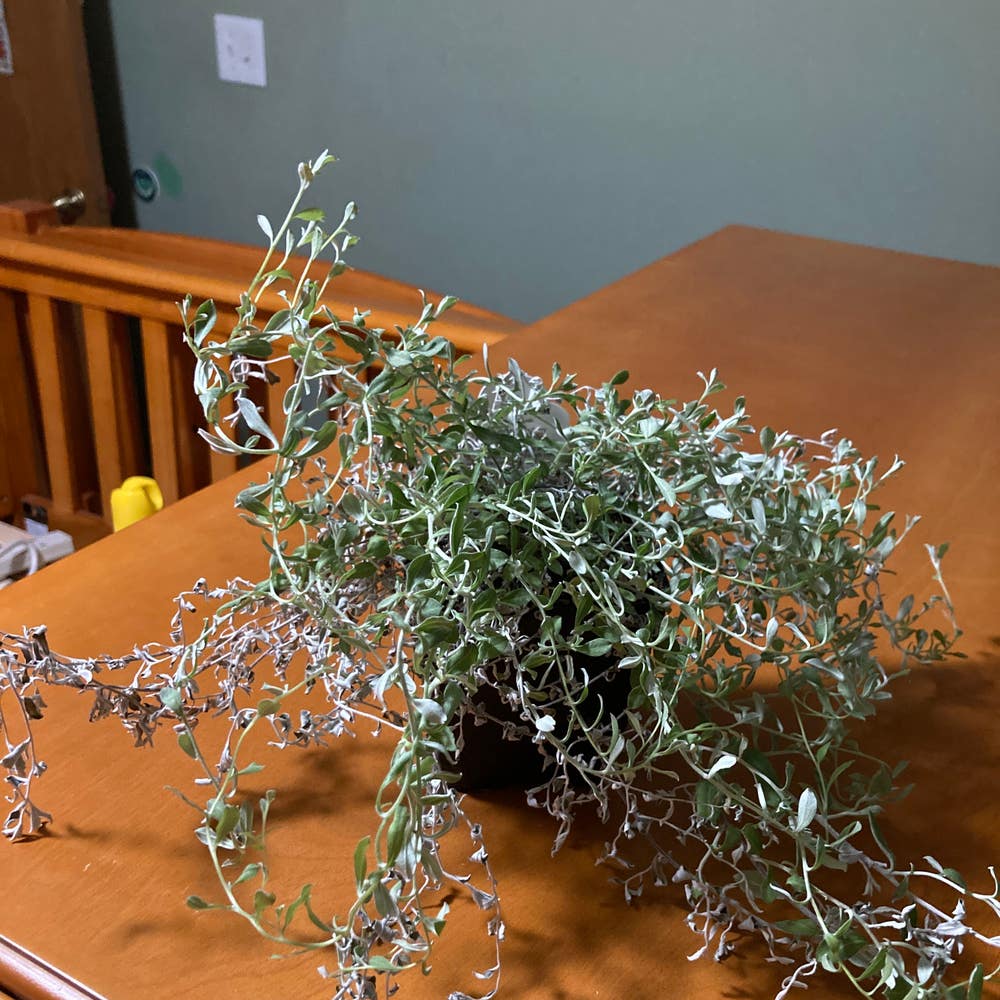
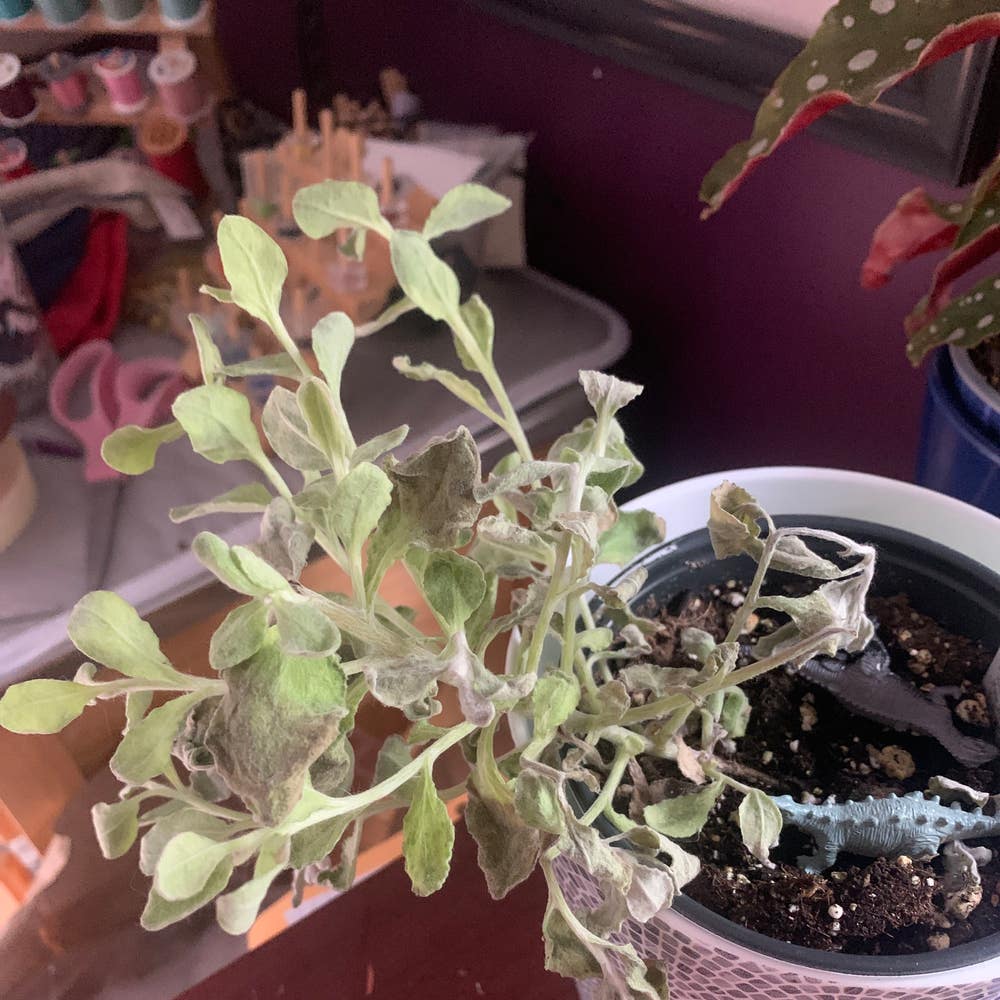
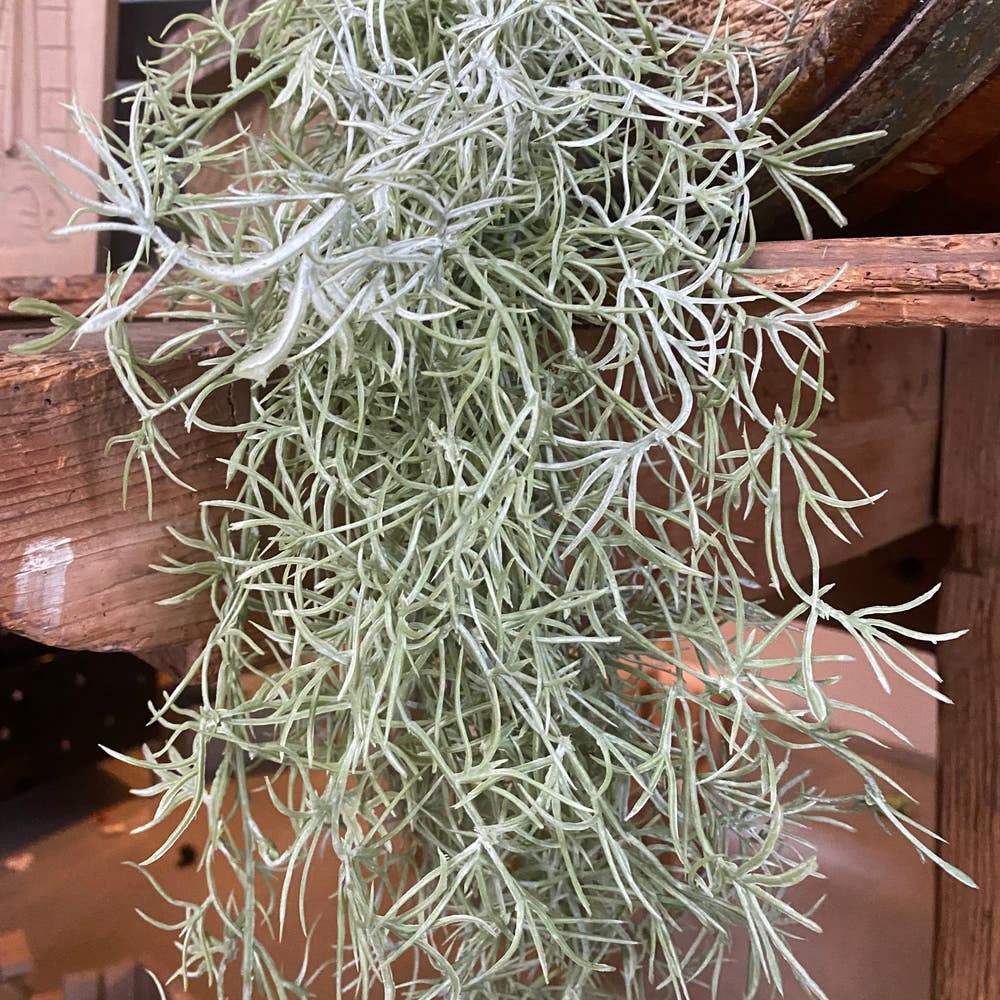
How to Fix Leaves Falling Over on Your Silver Helichrysum 💧
Helichrysum petiolare
By the Greg Editorial Team
Oct 12, 2024•4 min read
This article was created with the help of AI so we can cover more plants for you. May contain errors. See one? Report it here.
Transform your Silver Helichrysum from droopy to dazzling 🌟 with these must-know care tips for vibrant growth!
- 💧 Overwatering and underwatering both cause leaf issues; maintain a consistent watering schedule.
- ☀️ Silver Helichrysum needs 6-8 hours of sunlight daily to thrive and prevent falling leaves.
- 🐛 Regularly inspect for pests like aphids; they can damage leaves and stems significantly.
Causes of Leaves Falling Over
💧 Overwatering: Symptoms and Solutions
Overwatering is a common issue for Silver Helichrysum. Symptoms include yellowing leaves and wilting, along with soft, mushy stems.
To remedy this, allow the soil to dry out between waterings. Using well-draining soil can also prevent water accumulation, keeping your plant healthy.
🚰 Underwatering: Symptoms and Solutions
On the flip side, underwatering can also cause leaves to fall over. Look for crispy, dry leaves that may curl, along with stunted growth.
To fix this, establish a consistent watering schedule. Regularly checking soil moisture ensures your plant receives adequate hydration.
🕳️ Soil Drainage Issues: Importance and Fixes
Soil drainage is crucial for the health of your Silver Helichrysum. Proper drainage prevents root rot and promotes healthy growth.
To improve drainage, use pots with drainage holes. Amending the soil with perlite or sand can also enhance drainage capabilities.
☀️ Sunlight Requirements: Optimal Conditions
Silver Helichrysum thrives in full sun, requiring 6-8 hours of sunlight daily. If your plant is stretching or showing leggy growth, it may not be getting enough light.
Signs of inadequate sunlight include leaves falling over due to lack of energy. Ensure your plant is placed in an optimal location for sunlight exposure.
🐞 Pest Infestations: Identification and Treatment
Pest infestations can wreak havoc on your Silver Helichrysum. Common culprits include aphids and mealybugs, which leave sticky residue on leaves.
To identify these pests, look for visible insects on your plant. Treatment methods include using insecticidal soap or neem oil to control the infestation effectively.
Understanding these causes will help you maintain a thriving Silver Helichrysum. Next, let’s explore preventive measures to keep your plant healthy and vibrant.
Preventive Measures
Proper Watering Techniques 🌊
Watering your Silver Helichrysum correctly is crucial for its health. Only water when the top inch of soil feels dry to the touch.
To ensure you're on the right track, use the finger test. Simply stick your finger into the soil; if it feels dry, it's time to water.
Soil Selection and Amendments 🏺
Choosing the right soil can make all the difference. Opt for a well-draining potting mix, ideally one that includes perlite or sand.
To further enhance drainage, consider incorporating organic matter. This not only improves soil structure but also supports healthy root growth.
Ideal Placement for Sunlight Exposure ☀️
Silver Helichrysum thrives in bright light. The best locations are south-facing windows or outdoor spots that receive full sun for 6-8 hours daily.
Seasonal adjustments are also important. During extreme cold or heat, moving your plant indoors can help protect it from harsh conditions.
Regular Pest Monitoring and Control 🐞
Keeping an eye on your plant for pests is essential. Inspect your Silver Helichrysum weekly for any signs of trouble.
If you spot pests, consider introducing beneficial insects like ladybugs. They can help keep your plant healthy without harsh chemicals.
By following these preventive measures, you can create an environment where your Silver Helichrysum flourishes. Next, let’s dive into step-by-step solutions for diagnosing and fixing common issues.
Step-by-Step Solutions
🕵️♂️ Diagnosing the Problem: A Checklist
To effectively address your Silver Helichrysum's issues, start with a simple checklist.
- Check soil moisture levels.
- Inspect for pests and signs of damage.
- Evaluate sunlight exposure.
- Assess soil drainage and quality.
This straightforward approach helps pinpoint the root cause of your plant's distress.
💧 Adjusting Watering Practices
Once you've diagnosed the problem, it's time to refine your watering techniques.
- Establish a consistent watering schedule.
- Use a moisture meter for accurate readings.
- Adjust frequency based on seasonal changes.
These steps ensure your plant receives the right amount of hydration without the risk of over or underwatering.
🌱 Improving Soil Drainage
Next, focus on enhancing soil drainage to promote healthy growth.
- Repot using a well-draining mix.
- Add drainage materials like gravel or perlite.
- Ensure pots have adequate drainage holes.
These adjustments will help prevent root rot and keep your Silver Helichrysum thriving.
🐛 Treating Pests and Diseases Effectively
Finally, tackle any pest or disease issues head-on.
- Identify the pest or disease accurately.
- Apply appropriate treatments, such as insecticidal soap or neem oil.
- Monitor the plant for recovery and adjust care as needed.
By following these steps, you can restore your plant's health and vitality, ensuring it flourishes in your care.
With these solutions in hand, you're well-equipped to nurture your Silver Helichrysum back to health. Next, let’s explore preventive measures to keep your plant thriving long-term.
⚠️ Safety First
This content is for general information and may contain errors, omissions, or outdated details. It is not medical, veterinary advice, or an endorsement of therapeutic claims.
Always consult a qualified healthcare professional before using any plant as food, medicine, or supplement.
Never eat any plant (or feed one to pets) without confirming its identity with at least two trusted sources.
If you suspect poisoning, call Poison Control (800) 222-1222, the Pet Poison Helpline (800) 213-6680, or your local emergency service immediately.
Spotted an error? Please report it here.
Keep your Silver Helichrysum thriving 🌱 by using Greg's personalized care reminders to balance watering and sunlight for vibrant, healthy leaves!